
Tools
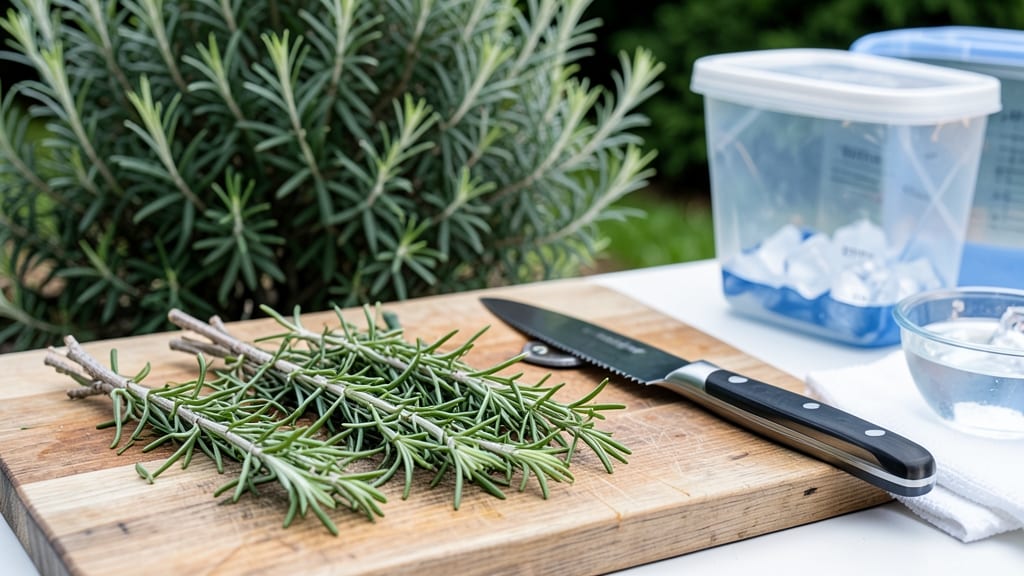
Freezing rosemary from your garden saves you from winter herb shortages. 🌿 I used to buy expensive dried rosemary until I discovered how to freeze it—keeping that fresh, piney aroma locked in for months.
The secret lies in proper prep: wash gently, pat dry completely, and freeze in portions you'll actually use. Whether you chop it fine for seasoning or keep sprigs whole for whole-leaf dishes, the texture stays surprisingly fresh after thawing.
You'll end up with rosemary that outperforms store-bought dried herbs—no bitter notes, just that bright, aromatic punch you remember from summer. Perfect for soups, roasts, or even homemade bread where you need that garden-fresh flavor.
Avoid freezer burn by using airtight containers or heavy-duty freezer bags, and label everything so you don't forget what's in your stash until next summer's harvest!
📚 In This Guide
- What you need
- Instructions
- Tips and common mistakes
- Wrapping up and next steps
What you need
- ● Fresh rosemary sprigs: Harvest 1–2 cups of healthy, mature rosemary (avoid woody stems if possible).
- ● Sharp kitchen shears or scissors: For clean cuts—no jagged edges!
- ● Paper towels or clean kitchen towel: For drying the sprigs thoroughly.
- ● Freezer-safe containers: Option 1: Ice cube tray (for chopped rosemary).
- ● Option 2: Small airtight freezer bags (quart-sized or smaller).
- ● Option 3: Glass jars or silicone molds (for whole sprigs).
- ○ Olive oil (optional but recommended): 1–2 teaspoons (to prevent browning and enhance flavor).
- ● Food processor or mortar & pestle: For finely chopping rosemary (if using in blends).
- ● Vacuum sealer: For longer shelf life (up to 1 year).
- ● Labeling markers or tape: To note the date and herb type.
- ● Plastic wrap: For quick pre-freezing prep if containers aren’t ready.
Step-by-step instructions for freezing fresh rosemary
Here's my foolproof method for locking in rosemary's piney aroma and vibrant flavor—no freezer burn in sight.
🌿 Step 1: Harvest and Prep the Stems
Pick rosemary stems when they're fully mature but still tender—just before flowering for peak flavor. Cut 4-6 inch lengths with clean pruners, leaving ¼ inch of the woody stem attached to preserve the plant. Remove any yellowed or woody lower branches that won't freeze well.
Give the stems a quick rinse under cool water to remove dirt or pests, then gently pat them dry with a clean kitchen towel. The drier the stems, the better they'll freeze—excess moisture leads to ice crystals that dull the flavor. I like to bundle 4-5 stems together with a rubber band at the woody end to keep them upright and compact in the freezer bag.
✂️ Step 2: Trim and Portion for Freezing
Trim away any remaining woody stems and leaves that feel tough to the touch—these won't thaw well. Focus on the tender, needle-like leaves at the tips of the stems. Cut the bundles into 2-inch sections for easy grab-and-use portions later. This size works perfectly for a single recipe without thawing the whole batch.
Here's the thing—don't chop the rosemary into tiny pieces yet. Whole sprigs freeze best and let you control how much you use later. Place the trimmed bundles on a clean kitchen towel or paper towels and spread them out in a single layer. This prevents them from sticking together when frozen.
💧 Step 3: Blanching (The Secret to Vibrant Flavor)
Blanching preserves color and flavor, but rosemary doesn't need a long soak—just a quick 30-second dip in boiling water. Bring a small pot of water to a full boil, then carefully lower the rosemary bundles in for exactly 30 seconds. You'll see the leaves turn a brighter green almost immediately—that's your signal to act fast.
Immediately transfer the bundles to a large bowl of ice water to stop the cooking process. Let them cool completely—about 2-3 minutes—before patting them dry again. The ice bath shock-chills the herbs, locking in their vibrant color and preventing freezer burn. Skip this step, and your rosemary will turn dull gray and lose flavor after just a few months.
🪴 Step 4: Package for Long-Term Storage
Lay the dry rosemary bundles on a clean cutting board and arrange them in a single layer. For each 4-ounce portion, place the sprigs in a heavy-duty freezer bag or airtight container. Squeeze out as much air as possible before sealing—this prevents freezer burn and keeps the herbs fresh for up to 6 months.
Label each bag with the date and contents—trust me, you won't remember what's in that back corner of the freezer after a few months. For extra protection, I like to wrap the bundles in parchment paper before placing them in the bag. This adds another barrier against freezer burn and makes it easier to grab just what you need without thawing the whole package.
⏰ Step 5: Freeze and Use Strategically
Place the sealed packages on a flat tray in the freezer for 1-2 hours to freeze solid before stacking. This prevents them from sticking together into one giant block. Once frozen, transfer them to a designated freezer bin where they'll stay organized and easy to access.
When you're ready to use, simply grab a bundle and add it directly to hot dishes like soups, stews, or sauces—no thawing required. For recipes needing finely chopped rosemary, thaw the bundle in the fridge for 10-15 minutes before chopping. The flavor stays potent, and you'll save money by using homegrown herbs year-round.
Tips & tricks for perfectly preserved rosemary
Between us, freezing rosemary right takes more than just tossing it in a bag. Here's what I've learned after years of testing—these little details make all the difference.
Harvest Timing: The best rosemary to freeze comes from plants that are mature but not yet flowering. If you wait until flowers appear, the flavor becomes bitter and the leaves toughen up. I harvest mine in late spring or early summer when the stems are still flexible but packed with flavor. That little quarter-inch of woody stem you leave attached in Step 1? It's not just for looks—it helps the plant regrow when you replant the cuttings later.
Blanching Precision: That 30-second blanch in boiling water might seem quick, but timing is everything. If you go even 10 seconds longer, you'll start cooking the rosemary and lose that bright green color we're all after. I set a timer on my phone so I don't have to watch the clock—those seconds go by faster than you think! The ice bath after blanching is just as critical; I use a big bowl of ice water and stir the rosemary around to ensure even cooling. This shock treatment preserves the vibrant color and prevents freezer burn.
Freezer Organization: The 1-2 hours you spend freezing bundles on a tray before stacking might seem like overkill, but trust me on this. When you try to pull out a single bundle from a solid block of frozen rosemary, you'll end up with broken stems and frustrated sighs. I keep a dedicated bin in my freezer just for herbs, and I label each package with both the herb type and date. This system has saved me from digging through mystery bags where the rosemary might be mixed with thyme or oregano.
Pro Tips for Freeze Rosemary From The Garden
- Between us, freezing rosemary right takes more than just tossing it in a bag.
- Harvest Timing: The best rosemary to freeze comes from plants that are mature but not yet flowering.
- Blanching Precision: That 30-second blanch in boiling water might seem quick, but timing is everything.
Frequently asked questions
Got questions about freezing rosemary? You’re not alone! Here are answers to the most common concerns—so you can preserve your harvest like a pro.
Can I freeze rosemary with the leaves still attached?
Freezing rosemary whole (stems and all) preserves its texture and flavor better than chopped leaves. Trim woody stems first, then bundle sprigs together before freezing. This method keeps the herb’s aroma intact for up to a year.
How long does frozen rosemary last, and when is the best time to harvest?
Frozen rosemary stays fresh for 6–12 months if stored properly (in airtight containers or bags). Harvest just before flowering for peak flavor—morning is ideal! Avoid harvesting after heavy rain, as moisture can spoil the herb.
Do I need to blanch rosemary before freezing?
Nope! Unlike leafy greens, rosemary doesn’t require blanching. Simply wash, dry thoroughly, and freeze whole or chopped. Blanch only if you plan to use it in delicate dishes where texture matters (like garnishes)—otherwise, skip this step for simplicity.
What’s the best way to use frozen rosemary in cooking?
Frozen rosemary works great in hearty dishes like stews, roasted meats, or homemade bread. Never thaw it—just toss whole sprigs directly into hot dishes. For fine dishes (e.g., sauces), crush the leaves gently with your fingers after cooking to release flavor.
My frozen rosemary smells weird—what went wrong?
Freezer burn or off smells usually mean moisture got trapped. Ensure sprigs are completely dry before freezing and store in airtight containers with parchment paper to block air. If mold appears, discard the batch—safety first!
Wrapping up and next steps
Freezing rosemary from your garden is a simple, rewarding way to savor its fresh, aromatic flavor all year long—without the guesswork!
By following these steps, you’ve unlocked a pantry staple that’s perfect for soups, roasts, or homemade bread. Now that you’re ready, why not try freezing other herbs like thyme or oregano next? Your future self (and taste buds) will thank you! 🌿✨
- Pro Tip: Label your freezer bags with the date—most frozen rosemary stays vibrant for up to a year!