
Blooming
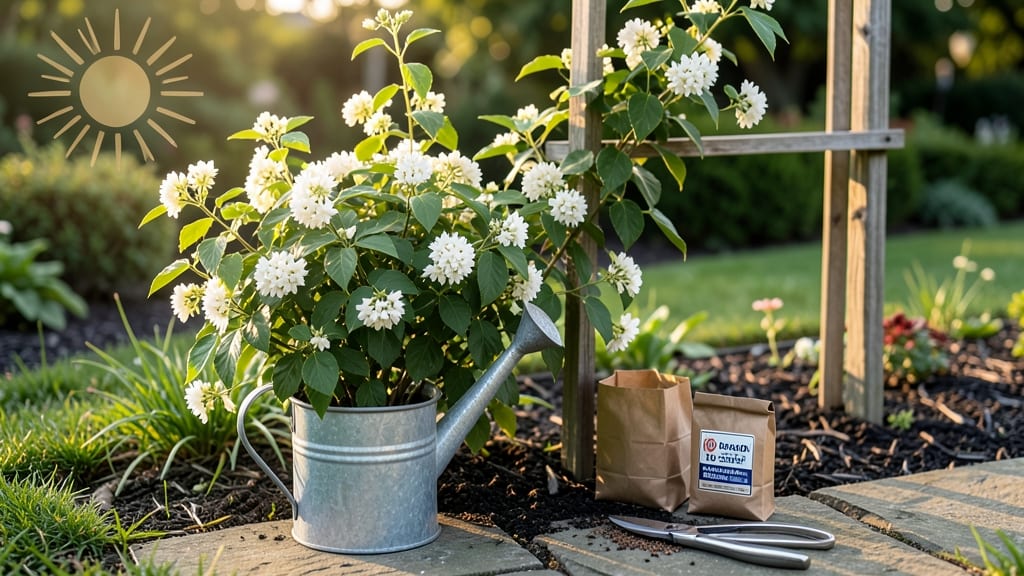
How to get your jasmine plant to bloom—its intoxicating fragrance is just a few tweaks away, but those blossoms won’t arrive without precision care. 🌸 I’ve nursed stubborn jasmine plants back to full bloom by fixing just three overlooked details: sunlight exposure, pruning timing, and seasonal patience. The difference between a bush full of flowers and one full of leaves? It’s all in the details.
Most jasmine varieties need 6-8 hours of direct sunlight daily, but too much shade or sudden light changes trick them into growing leaves instead of flowers. Prune in late winter or early spring—never after blooms appear—and always cut just above a leaf node.
Overwatering stresses roots, while underwatering stunts growth; aim for soil that’s damp but never soggy.
By summer, you’ll see the payoff: clusters of intoxicating white or yellow blooms that perfume your yard at dusk. The key is consistency—jasmine blooms reward patience, not rushing. A light feeding of balanced fertilizer (10-10-10) in spring gives them the nutrients they need without overstimulating foliage.
Winter care matters too. For spring-blooming varieties, reduce watering and protect from frost. If your jasmine blooms in winter (like Arabian jasmine), keep it indoors near a bright window. Small adjustments now mean a fragrant, blooming bush next season—no more leafy disappointment.
📚 In This Guide
- What you need
- Instructions
- Tips and common mistakes
- Wrapping up and next steps
What you need
- ● Jasmine Plant: 1 mature jasmine plant (Jasminum officinale, Jasminum sambac, or Trachelospermum jasminoides—common jasmine, Arabian jasmine, or star jasmine, respectively).
- ● Note: Star jasmine (Trachelospermum) thrives in partial shade, while true jasmine (Jasminum) loves full sun.
- ● Well-draining potting mix: 1 bag (5-10 gallons) of a blend designed for tropical plants or succulents (e.g., 60% peat moss, 30% perlite, 10% compost).
- ● Pruning shears: 1 pair of sterilized, sharp shears (avoid dull blades to prevent tearing stems).
- ● Balanced fertilizer: 1 bottle of 10-10-10 or 20-20-20 NPK fertilizer (or a bloom-specific formula like 5-10-10).
- ● Watering can: 1 gallon-sized can with a rose nozzle for gentle watering.
- ○ Support structure (optional but helpful): 1 trellis, fence, or 5-foot tall bamboo stake (for climbing varieties).
- ● 1 set of soft plant ties (to secure vines without damaging them).
- ● Sunlight access: A south- or west-facing window (6+ hours of direct sun daily) or a grow light (12-14 hours/day for indoor plants).
- ● Temperature control: Ideal range: 60–75°F (15–24°C). Avoid drafts or temps below 50°F (10°C).
- ● Humidity: Aim for 50–70% humidity (use a humidifier or pebble tray if indoor air is dry).
- ● Patience: Jasmine can take 1–3 years to bloom from seed or cutting, but established plants reward consistency!
Tips & tricks for encouraging jasmine blooms
Took me years to figure out these secrets—here's how I finally coaxed my stubborn jasmine into glorious bloom.
Light Optimization: The 6-8 hours of direct sunlight in Step 1 is critical, but quality matters just as much as quantity. I've found that morning sunlight (especially between 8-11am) contains the perfect balance of light intensity and warmth for jasmine plants. If you notice your plant stretching toward the light with pale stems, it's not getting enough morning sun—rotate it to face east if possible, or supplement with a grow light for those crucial morning hours.
Watering Science: That 2-inch soil dryness rule in Step 2 is your best friend, but there's more to it. I've learned that jasmine roots prefer slightly acidic soil (pH 6.0-6.5). If your tap water is alkaline, let it sit out overnight before watering to reduce mineral buildup. Also, always water at the base—never overhead—to prevent fungal diseases that can stress the plant and inhibit blooming.
Pruning Precision: When cutting back one-third of the plant's length in Step 3, aim to remove stems that are at least pencil-thick. These older stems often produce the most fragrant blooms. I make my cuts at a 45-degree angle just above a leaf node where new growth emerges—this creates a larger surface area for faster healing and reduces the risk of disease entry points.
Fertilizer Timing: The switch to low-nitrogen, high-phosphorus fertilizer (5-10-5) in Step 4 is crucial, but I've found the best results come from applying it in the early morning. This gives the plant all day to absorb nutrients before nightfall. I also recommend flushing the soil with plain water every 3 months during the growing season to prevent salt buildup from fertilizers, which can actually inhibit blooming.
Pro Tips for Get Jasmine Plant To Bloom
- Took me years to figure out these secrets—here's how I finally coaxed my stubborn jasmine into glorious bloom.
- Light Optimization: The 6-8 hours of direct sunlight in Step 1 is critical, but quality matters just as much as quantity.
- Watering Science: That 2-inch soil dryness rule in Step 2 is your best friend, but there's more to it.
Frequently asked questions
Got questions about coaxing those fragrant jasmine blooms? You’re not alone!
Here are answers to the most common concerns—from timing to troubleshooting—so you can enjoy your jasmine’s sweet scent sooner.
Why isn’t my jasmine blooming even after giving it plenty of sunlight?
Jasmine needs 6–8 hours of direct sunlight daily, but it also thrives in partial shade in hot climates. If it’s not blooming, check for overcrowding (prune to improve airflow) or nutrient deficiencies (use a balanced fertilizer in spring). Some varieties, like Jasminum officinale, bloom best on new wood, so prune after flowering to encourage fresh growth.
How long does it take for a jasmine plant to bloom after planting?
Patience is key! Established jasmine plants (1–2 years old) often bloom in spring or early summer, but new plants may take 1–3 years to produce flowers. For faster results, choose mature nursery plants (1+ years old) and provide consistent care—water, sunlight, and pruning all play a role.
Can I force my jasmine to bloom indoors or in colder climates?
Yes, but it’s tricky! Winter jasmine (Jasminum nudiflorum) blooms in cold weather, while tropical varieties need warmth (60°F+) and humidity. If growing indoors, place it near a south-facing window or under grow lights. For outdoor plants in cold zones, mulch heavily and protect from frost to avoid dormancy-related delays.
Does pruning my jasmine plant help it bloom more?
Prune after flowering (late winter/early spring) to remove dead or overcrowded branches and encourage new growth. For climbing jasmines, trim to shape the vine and redirect energy. Avoid heavy pruning in fall, as this can reduce next year’s blooms. Light trimming to open the center improves airflow and sunlight penetration too!
What should I do if my jasmine has leaves but no flowers?
Leafy but flowerless jasmines often need a growth boost. Try these fixes:
- Fertilize with a low-nitrogen, high-phosphorus formula (like 5-10-5) in early spring.
- Ensure it’s not pot-bound—repot if roots are circling.
- Check for overwatering (jasmine hates soggy soil) or underwatering (let soil dry slightly between waterings).
- Try a cool nighttime dip (below 60°F) for 2–3 weeks to mimic seasonal changes and trigger blooming.
Wrapping up and next steps
Getting your jasmine plant to bloom is all about patience, consistency, and a little extra care—but trust us, it’s worth the effort! 🌸 With the right balance of sunlight, proper pruning, and a nurturing touch, you’ll soon be rewarded with fragrant, beautiful flowers.
Start by applying these tips today, and don’t forget to celebrate every small victory along the way.
Now that you’re armed with the secrets, why not share your progress? Snap a photo of your blooming jasmine and tag us—we’d love to see your hard work pay off! 📸✨ Happy gardening!