
Companion Plants
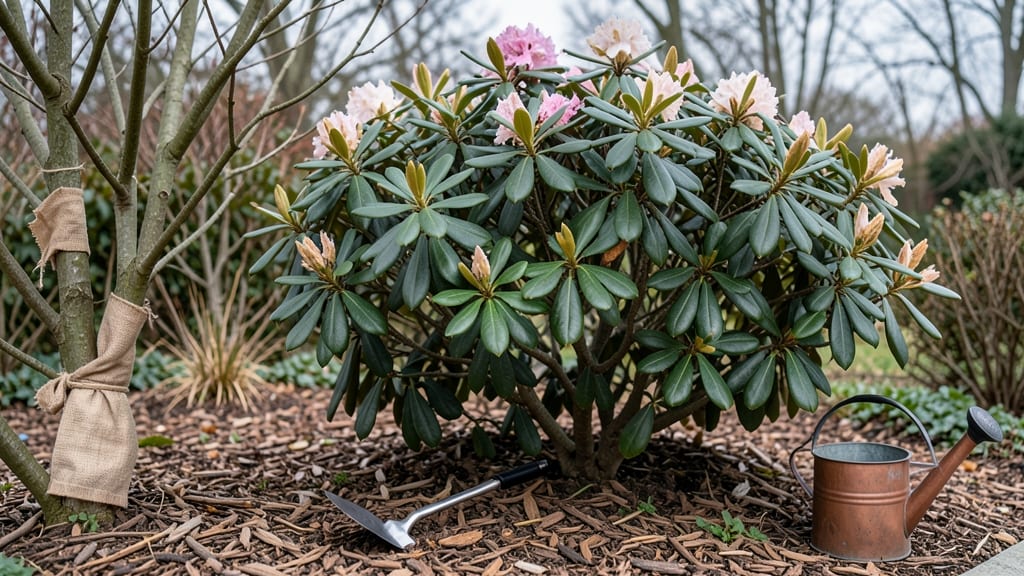
How to keep outdoor plants alive in winter—it’s all about the right tricks. 🌿 I’ve lost entire gardens to frost, but now I protect my plants with simple sheltering methods that work even in harsh climates. The key isn’t fancy gear; it’s understanding what your plants actually need to survive the cold.
Start by wrapping tender perennials in burlap or frost cloth—it’s like giving them a cozy blanket. For potted plants, move them to a sheltered spot or insulate the containers with styrofoam cups or bubble wrap.
Mulch around the base with 4-6 inches of straw or leaves to shield roots from freezing soil. Water before hard frosts, but never soggy—damp soil freezes faster.
With the right prep, you’ll wake up to green, thriving plants in spring instead of brown stubs. Even in Zone 5, my lavender and rosemary bounce back every year using these methods. The secret? Monitoring weather forecasts and adjusting covers before temperatures drop below 20°F.
Works for perennials, shrubs, and even delicate tropicals with a little extra care. Let’s keep your plants alive through the coldest months—no guesswork, just proven tricks. Here’s how to do it right.
📚 In This Guide
- What you need
- Instructions
- Tips and common mistakes
- Wrapping up and next steps
What you need
- ● Cold-hardy containers or pots (if repotting): Size: 1–2 inches larger in diameter than the plant’s root ball
- ● Material: Plastic (retains heat) or terracotta (breathable, but may crack in freeze-thaw cycles)
- ● Quantity: 1 per plant needing relocation
- ● Grow bags or fabric pots (for flexibility and drainage): Size: Match the plant’s current pot size
- ● Material: Breathable fabric (e.g., burlap or polypropylene)
- ● Potting mix (well-draining and nutrient-rich): Type: Organic blend with perlite or vermiculite (e.g., 60% peat moss, 20% compost, 20% sand)
- ● Quantity: Enough to fill containers to 1–2 inches below the rim
- ● Mulch (insulates roots from temperature swings): Types: Straw, shredded leaves, pine needles, or wood chips (3–4 inches deep)
- ● Quantity: Enough to cover the soil surface around the base of the plant
- ● Burlap or frost cloth (protects from wind and light frost): Size: Large enough to wrap around the plant or drape over containers (e.g., 3x4 feet per small plant)
- ● Quantity: 1–2 per plant, depending on exposure
- ● Stakes or plant supports (for heavy mulch or windy conditions): Material: Wooden, bamboo, or metal stakes
- ● Quantity: 1–2 per plant, as needed
- ● Watering can or hose with a gentle spray nozzle (for hydration without disturbing roots)
- ● Pruners or shears (for trimming dead or damaged foliage)
- ○ Thermometer (optional but helpful for tracking temperatures in microclimates)
- ● Insulating wraps (e.g., bubble wrap or foam insulation for pots)
- ● Heat mat or self-watering planters (for tender plants in extreme cold)
- ● Plant labels (to track varieties and care notes)
- ● Compost or slow-release fertilizer (for a nutrient boost before dormancy)
- ● Garden gloves (to protect your hands while working)
Step-by-Step instructions for winterizing outdoor plants
Here’s how to protect your plants through winter without losing them to frost or neglect.
🌿 Step 1: Assess Plant Hardiness and Group by Needs
First, identify which plants are truly cold-hardy (like lavender, rosemary, and ornamental grasses) and which need extra shelter (tender perennials, tropicals, or young plants). Group them by their USDA hardiness zone ratings—this ensures you’re applying the right protection level. I like to mark each plant with a small flag or label to avoid confusion later.
Remove any dead or diseased foliage before winter sets in. This prevents pests and diseases from hiding in decaying matter and gives your plants a cleaner slate for regrowth. For plants with woody stems, prune back any weak or crossing branches to improve airflow and reduce stress.
❄️ Step 2: Apply Mulch and Insulate Roots
Spread a 4-6 inch layer of mulch around the base of each plant, keeping it 2-3 inches away from the stem to prevent rot. I use shredded bark or straw because they break down slowly and add organic matter to the soil. This layer acts like a blanket, insulating roots from freezing temperatures and keeping soil moisture stable.
For container plants, move them to a sheltered spot like a garage or under an eave, wrapping pots in bubble wrap or frost cloth to prevent cracking. If you can’t move them, bury the pots in the ground or surround them with straw bales or leaves to mimic the insulation of in-ground plants.
🪴 Step 3: Create Microclimates for Extra Protection
Build small windbreaks using burlap screens, wooden fences, or even snow piles on the north or west sides of plants. Wind is the biggest winter killer—it dries out foliage and exposes plants to extreme cold. I’ve seen evergreens survive -20°F with a windbreak but crisp in the same temperatures without one.
For delicate plants, construct a low tunnel or cloche using PVC pipes and plastic sheeting. This traps heat from the ground and sunlight during the day, creating a 5-10°F warmer microclimate. Leave the ends slightly open for airflow to prevent mold or rot. Watch for condensation inside—if it’s too damp, lift the cover for a few hours to dry things out.
💧 Step 4: Water Strategically Before Freeze-Up
Give plants a deep watering in late fall, about 2-3 weeks before the first hard frost. The goal is to saturate the soil so plants have moisture stored in their roots to draw on during winter. Avoid watering once the ground freezes—it can damage roots and create ice pockets.
For container plants, water just before moving them to winter storage. The soil should be evenly moist but not soggy. If the pot feels light, add a little more water. Overwatering now can lead to root rot in cold storage, so err on the side of slightly drier soil.
⏰ Step 5: Monitor and Adjust Through Winter
Check on plants every 2-4 weeks during mild spells or thaws. Look for signs of stress like shriveled leaves, blackened stems, or mold growth. If you see ice buildup on foliage, gently brush it off with a soft brush—accumulated ice can weigh branches down and cause breakage.
Adjust protection as needed. If an unexpected cold snap drops temperatures 10°F below your plants’ tolerance, add extra mulch or wrap tender plants in frost cloth. I keep a supply of old blankets or burlap on hand for emergencies. The key is flexibility—winter weather is unpredictable, and your plants will thank you for being proactive.
Tips & tricks for perfect winter plant protection
These cold-hardy strategies will help you extend the life of your outdoor plants through even the harshest winters without losing next year's growth potential.
Hardiness Zone Intelligence: The temperature thresholds in Step 1 (20°F for hardy perennials, 10°F for semi-hardy plants) are critical for determining your protection needs. If you're in Zone 6 or higher, you can often get away with less aggressive sheltering than Zone 5 gardeners. I always cross-reference my zone with the National Weather Service's winter forecast to adjust my timing—sudden cold snaps can be deadly even for semi-hardy plants. For example, if your forecast predicts a 20°F night but your plants are only rated for 10°F protection, you'll need that extra insulation layer.
Pruning Precision: When you cut back semi-hardy plants by one-third in Step 2, focus on removing only the most damaged or leggy growth. The remaining foliage still provides some protection for the stem and helps the plant conserve energy. I've learned this the hard way—over-pruning can stress plants just when they need to conserve resources for winter. For container plants, use sharp pruners to avoid tearing stems, which creates entry points for disease.
Mulch Mastery: That 2-3 inch layer of organic mulch in Step 2 isn't just about insulation—it's about moisture retention too. I always use straw or shredded leaves because they break down slowly, adding organic matter to the soil as they decompose. Avoid using grass clippings, which can mat down and prevent water penetration. For extra cold protection, I'll add a second layer of mulch (1-2 inches) specifically around the base of semi-hardy plants during our coldest weeks. This creates a thermal buffer zone that can make the difference between survival and loss during temperature swings.
Shelter Design Secrets: The open-bottom design in Step 3's frost cloth shelters is what makes them effective—it allows air circulation while trapping warmth. I've found that adding a cardboard box or wooden frame on top creates a microclimate that can raise temperatures by 5-10°F inside the shelter. For container plants, the plastic dome method works best when you prop it slightly open with small sticks or rocks. This prevents condensation buildup, which can lead to mold and rot. I always test my shelters during a mild winter day by removing them for a few hours to ensure proper airflow.
Pro Tips for Keep Outdoor Plants Alive In Winter
- These cold-hardy strategies will help you extend the life of your outdoor plants through even the harshest winters without losing next year's growth potential.
- Hardiness Zone Intelligence: The temperature thresholds in Step 1 (20°F for hardy perennials, 10°F for semi-hardy plants) are critical for determining your protection needs.
- Pruning Precision: When you cut back semi-hardy plants by one-third in Step 2, focus on removing only the most damaged or leggy growth.
Frequently asked questions
What’s the best time to start preparing my plants for winter?
Start before the first frost—usually 4–6 weeks ahead, depending on your climate. Monitor local forecasts and act when nighttime temps dip into the 40s°F (4°C). This gives plants time to harden off and lets you set up protective measures (like mulch or row covers) without rushing. Pro tip: Evergreens and tender perennials need extra attention earlier!
Can I just move potted plants indoors for the winter?
Not always! Many plants (like herbs, citrus, or tropicals) struggle with indoor conditions—low light, dry air, or temperature swings. Instead, group pots together in a sheltered spot (e.g., a garage, porch, or under eaves) and wrap them in bubble wrap or burlap. If you must bring them inside, place them near a bright window and mist occasionally.
How do I know if my plant is getting too cold?
Watch for wilting, brown edges, or blackened stems—these are red flags. For woody plants, thaw test a small branch: If it snaps like dry kindling, it’s dead. For perennials, gently scratch the stem—green underneath? It’s still alive! Act fast: Cover the plant immediately with frost cloth or straw to prevent further damage.
What if I forget to winterize and my plant freezes?
Don’t panic! Prune back dead or damaged foliage in early spring (when new growth appears). For perennials, cut stems to 2–3 inches above the ground. If roots are still firm, they’ll often regrow. Bonus: Mulch heavily around the base to insulate remaining roots until warmer weather arrives.
Are there any plants that don’t need winter care?
Yes! Cold-hardy natives (like coneflowers, sedum, or Russian sage) and bulbs (daffodils, tulips) often survive winter with just a thick layer of mulch. Even some veggies (kale, spinach) thrive in cold snaps. Check your USDA Hardiness Zone: Plants labeled for your zone (e.g., Zone 5–9) usually need minimal help!
Still stumped? Drop your plant type in the comments—we’re happy to help troubleshoot!
Wrapping up and next steps
Keeping your outdoor plants thriving through winter is all about preparation, protection, and a little love—not magic! 🌱 With the right sheltering tricks, mulching, and seasonal care, even delicate greens can brave the cold. Remember, every plant has unique needs, so stay observant and adjust as the seasons shift.
Now that you’re armed with the know-how, take action! Start by assessing your garden this weekend—move tender plants, reinforce shelters, and give your soil that extra layer of mulch. Your winter-green oasis awaits! 🌿✨