
Pests
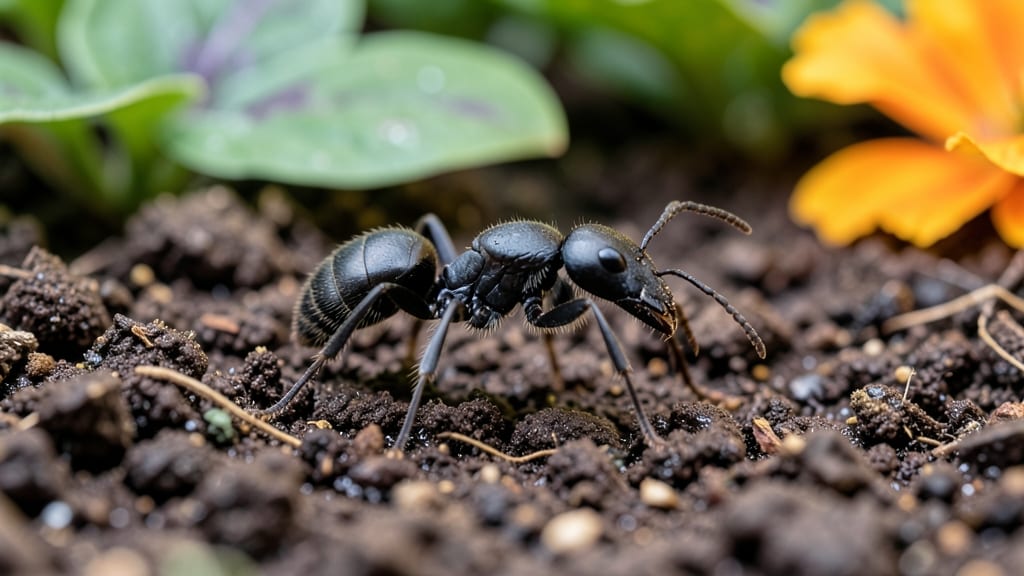
How to get rid of ants in the garden soil—and restore your plants’ health—starts with a few simple, natural moves. 🌱 Those tiny invaders aren’t just marching through your soil; they’re siphoning nutrients and disrupting roots, turning a thriving bed into a highway. The good news? You can smother their colonies fast with the right barriers without harming beneficial insects.
The key is cutting off their access. Diatomaceous earth works like microscopic glass shards that dehydrate them, while a simple vinegar spray disrupts their trails. Even a thin layer of coarse sand or wood ash creates an impassable barrier.
Within 48 hours, you’ll see fewer scouts, and in a week, the colony collapses. The soil stays healthy, your plants thrive, and the ants move on—no harsh chemicals needed.
Prevention is just as easy: keep mulch dry and monitor for new trails. This method works for vegetable gardens, flower beds, and even potted plants. No more digging up mounds or watching your seedlings get hijacked. Let’s reclaim your soil—naturally and quickly.
Root Causes Of Soil Ant Infestations
Ants don’t just randomly invade your garden—they’re following a trail of clues left by nature, your habits, or even your landscaping choices. Understanding why they’re showing up in your soil is the first step to stopping them before they build a fortress. Here’s the science behind their uninvited houseguest status:
Ants thrive in soil that mimics their natural habitats—moist, well-aerated, and rich in organic matter. Here’s how your garden might be sending out an "All Clear" signal:
- Overwatering or poor drainage: Ants love damp soil because it’s easier to excavate and provides a steady water source. If your garden holds excess moisture (like soggy spots after rain or irrigation), you’re essentially offering them a five-star hotel. Fire ants and carpenter ants are particularly drawn to these conditions because moisture helps them maintain their underground tunnels.
- Organic debris buildup: Leaves, mulch, and decaying plant matter create the perfect buffet for ants. They break down these materials for food and nesting sites. If your soil is a composting goldmine, ants will see it as a prime real estate opportunity.
- Compacted or loose soil: Some ants, like harvester ants, prefer loose, sandy soil for easy digging, while others (like pavement ants) nest in compacted areas near foundations or sidewalks. If your soil is disturbed—whether by foot traffic, machinery, or erosion—it becomes an open invitation.
💡 Pro Tip: Test your soil’s moisture by grabbing a handful. If it stays clumped but crumbles when squeezed, it’s ideal for ants. If it’s bone-dry or waterlogged, they’ll still find a way—but the fix is easier when you know the exact issue.
Ants are omnivorous opportunists, and your garden might be a smorgasbord without you realizing it. Here’s what’s luring them:
| Food Type | Why Ants Love It | Common Culprits in Gardens |
|---|---|---|
| Proteins | Ants need protein to feed their colonies, especially larvae. They’ll raid decaying matter or hunt live insects. | Dead insects, compost piles, pet waste, or even aphids on your plants (ants "farm" them for honeydew!). |
| Sugars | Worker ants are drawn to quick-energy sources to fuel their foraging trips. | Overripe fruit, nectar from flowers, or spilled soda/syrup near picnic areas. |
| Fats/Oils | High-calorie foods help ants store energy for survival, especially in dry conditions. | Greasy soil from grilling, birdseed with oil residues, or spilled cooking oils. |
🔥 Hotspot Alert: If you’ve noticed ants marching in straight lines toward your veggie patch or fruit trees, they’re likely following a scent trail from a food source. Even something as small as a dropped crumb or a cracked seed can trigger a full colony mobilization.
Ants don’t just wander in—they colonize. Your soil’s physical traits might be making it the most desirable neighborhood in town:
- Warmth retention: Ants are ectothermic, meaning they rely on external heat. Dark, mulched soil or south-facing garden beds absorb heat and become incubators for ant colonies. Army ants and fire ants are particularly drawn to these warm pockets.
- Undisturbed areas: Ants avoid frequent disruption. If you have a patch of soil under a dense shrub, a rock pile, or even a rarely-trodden corner, it’s a safe haven. They’ll claim it as their own without competition.
- Proximity to structures: If your garden borders a patio, deck, or foundation, ants see it as a highway to your home’s food sources. Odorous house ants and pavement ants often nest in soil near buildings because it’s a shortcut to indoor buffets.
🌡️ Temperature Test: Use a soil thermometer to check hotspots. If it’s above 75°F (24°C) in the top 2 inches, you’ve got a prime ant real estate. Shade or disturb these areas to make them less appealing.
Not all plants are ant-neutral. Some actively attract them with their roots, sap, or scent:
- Root exudates: Plants like citrus trees, roses, and pepper plants release sugars through their roots, which ants harvest like a free snack. This creates a symbiotic relationship—ants protect the plant from pests in exchange for food.
- Honeydew-producing plants: If your garden has aphids, scale insects, or mealybugs, ants will farm them for their sticky honeydew secretions. Plants like maples, birches, and fruit trees are common magnets for these ant "livestock" operations.
- Deciduous leaf litter: Trees like oak, pine, or walnut drop leaves that ants use to line their nests. The tannins in oak leaves, for example, act as a natural ant repellent for some species—but others love the texture for nest construction.
✨ Plant Hack: If you’re dealing with a persistent ant issue, try replacing high-risk plants with ant-repelling alternatives like marigolds, mint, or thyme. Their strong scents disrupt ant trails and deter nesting.
Now that you know why your garden is ant central, the next step is to flip the script and make your soil a no-go zone. Stay tuned!
Quick Fixes for Ant Infestations
Ants in your garden soil aren’t just a nuisance—they can disrupt plant roots, damage crops, and even invite other pests. The good news? You don’t need harsh chemicals to tackle them. Below, we’ve mapped common causes to targeted solutions, so you can act fast and keep your garden thriving.
Ants love damp soil because it helps them thrive and travel. If your garden has standing water, leaky hoses, or overwatered spots, you’ve created a buffet for them.
How to Fix It:
- 🚰 Reduce Watering: Water deeply but less frequently—ants avoid dry soil. Aim for early morning watering so moisture evaporates by evening.
- 🌱 Improve Drainage: Rake soil to break up compacted areas, or add coarse sand or gravel to heavy clay soil.
- 🔧 Fix Leaks: Check irrigation systems, sprinklers, and hoses for slow leaks. A dripping faucet near the garden? That’s an ant magnet.
💡 Prevention Tip: Use drip irrigation instead of overhead sprinklers—it delivers water directly to roots while keeping soil surfaces drier.
Ants are scavengers, and if they find even tiny food crumbs, they’ll recruit the whole colony. Common culprits include fallen fruit, pet food, and compost piles left too close to plants.
How to Fix It:
- 🗑️ Clean Up Debris: Remove fallen fruit, veggie scraps, and pet food immediately. Store compost bins far from garden beds (at least 10 feet away).
- 🍯 Avoid Sweet Mulches: Skip sugary mulches like fruit peels or citrus rinds. Opt for straw, wood chips, or shredded newspaper instead.
- 🛡️ Seal Entry Points: Check for gaps in pots, tool sheds, or bird feeders—ants exploit these to access food.
🔥 Pro Tip: Sprinkle diatomaceous earth (DE) lightly around food sources (like compost piles). It’s non-toxic but deadly to ants when they crawl through it.
If you see visible ant hills or trails, the colony has already claimed territory. The key is to disrupt their nesting cycle without harming beneficial insects.
How to Fix It:
- 🔪 Boiling Water or Vinegar: Pour 2 cups of boiling water directly into the mound entrance or spray equal parts white vinegar and water to dissolve trails and weaken the colony.
- 🌡️ Heat Treatment: Use a propane torch (safely!) to heat the mound for 10–15 seconds—ants can’t survive extreme heat.
- 🚫 Avoid Pesticides: Chemical sprays kill ants but often harm earthworms and bees. Stick to natural repellents like borax-soapy water (mix 1 tbsp borax + 1 tbsp dish soap in 1 quart water) and apply sparingly.
✨ Prevention Tip: Plant ant-repelling herbs like mint, lavender, or lemon balm near problem areas—their strong scents deter scouts.
Some ants protect aphids in exchange for honeydew (their sugary waste). If you notice sticky residue on leaves or curling foliage, aphids are likely the issue—and ants are their bodyguards.
How to Fix It:
- 💦 Blast with Water: Use a strong stream of water to knock aphids off plants. Repeat daily until they’re gone.
- 🐞 Introduce Ladybugs: These beneficial insects eat aphids—buy them online or attract them with neem oil sprays (aphids hate the smell).
- 🍃 Prune Infested Areas: Trim and destroy heavily infested leaves (don’t compost them—this feeds more aphids).
🎯 Long-Term Fix: Plant aphid-resistant varieties (e.g., marigolds, nasturtiums, or basil) to break the ant-aphid cycle.
Ants nest in rotting wood, mulch piles, or cracks in patios. If your garden has these features, it’s an open invitation.
How to Fix It:
- 🔨 Remove Wood Debris: Clear away old logs, stumps, or untreated wood from garden beds.
- 🛠️ Seal Cracks: Fill gaps in concrete, bricks, or fences with caulk or sand to block entry.
- 🪴 Use Gravel Borders: Line garden edges with pebbles or crushed stone—ants avoid crawling over rough surfaces.
💡 Prevention Tip: Store firewood, lumber, or mulch elevated and away from plants (ants will march right in if it’s touching the soil).
For fast, chemical-free results, create physical barriers that ants can’t cross. These methods smother colonies without harming your plants.
How to Fix It:
- 🪨 Crushed Eggshells or Coffee Grounds: Sprinkle a 1-inch border around garden edges. Ants avoid the sharp texture and strong scent.
- 🧂 Salt Lines: Draw a thin line of rock salt (not table salt) around vulnerable areas. It dehydrates ants on contact.
- 🌿 Cinnamon or Chili Powder: Dust ground cinnamon or cayenne pepper near entry points. The spicy aroma repels them instantly.
⏰ Speed Tip: Combine boiling water + cinnamon powder for a double attack—pour the mix into mounds for same-day results.
Prevention is easier than a full-blown invasion. Follow this **monthly
Frequently asked questions
Why do ants suddenly appear in my garden soil?
Ants invade garden soil when they find moisture, food sources, or undisturbed nesting spots. Overwatered areas, fallen fruit, or even aphids (which produce honeydew) attract them. They also love warm, loose soil—common in mulched beds or near structures. Check for these triggers first!
Is diatomaceous earth safe for my plants?
Yes, food-grade diatomaceous earth (DE) is safe for plants when used correctly. It works by dehydrating ants but won’t harm your garden. Just apply a thin layer around trails or mounds—avoid overapplying, as it can dry out soil temporarily. Reapply after rain.
How long does it take to see results with natural remedies?
Most natural methods show results within 24-48 hours for active trails, but eliminating a colony takes 1-2 weeks. Boiling water or vinegar disrupts trails immediately, while barriers like cinnamon or salt lines take longer to deter new scouts. Consistency is key!
Will ants come back after I treat them?
Yes, if the underlying conditions remain. Fix moisture issues, remove food sources, and seal entry points to prevent reinfestation. Rotate methods (like alternating vinegar sprays with DE) to keep ants guessing. Regular checks every 2-3 weeks help maintain an ant-free zone.
Can I use coffee grounds to repel ants?
Coffee grounds create a natural barrier ants avoid due to their strong scent and texture. Sprinkle a ½-inch layer around garden edges or directly on trails. Reapply after rain—it breaks down quickly but works fast for active infestations.