
Pests
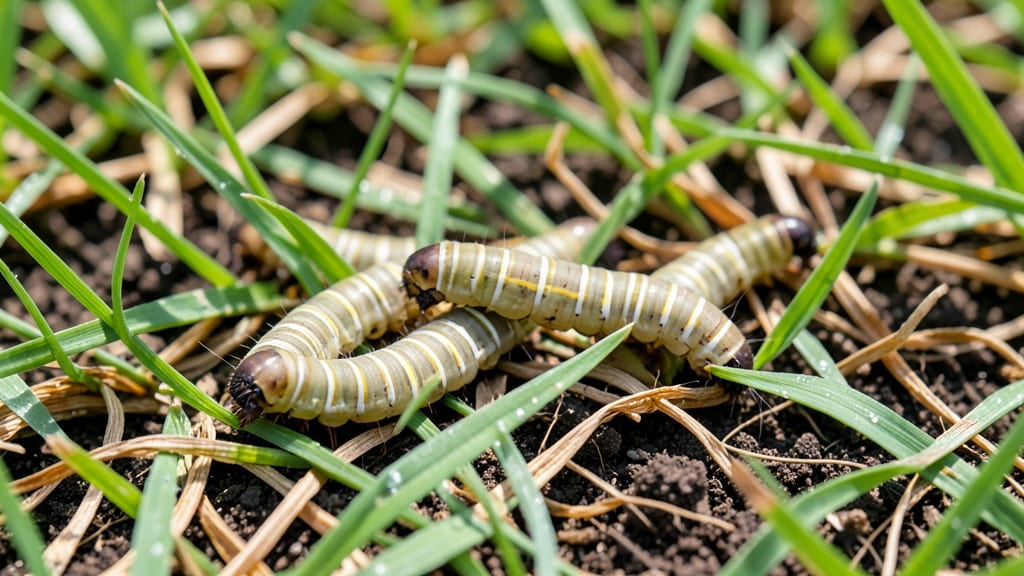
How to get rid of army worms in your yard—before they turn your grass into a green carpet overnight. These striped caterpillars strike fast, devouring grass blades until the damage is done, but there’s a way to starve them out before they ruin your lawn. The secret lies in cutting off their food supply: army worms can’t survive without grass, so strategic barriers—like cardboard, diatomaceous earth, or wood chips—force them into a hunger strike. You’ll see results within 3-5 days if you act quickly, and the best part? No harsh chemicals are needed. Once you’ve blocked their access, the grass will regrow faster, with fewer brown patches and stronger blades. The worms either move on or starve, leaving your yard lush and intact. This method also prevents future infestations by making your lawn less appealing. Just watch for their telltale signs—chewed grass, frass (their droppings), or small holes—and strike before they multiply. Your lawn will thank you.
The Hidden Triggers Behind Army Worms
Army worms—those voracious caterpillars from the Spodoptera genus—don’t just appear out of nowhere. Their sudden invasion of your yard is the result of a mix of environmental, agricultural, and ecological factors working in their favor.
Understanding these triggers is the first step to preventing future outbreaks. Let’s break down the science behind why these pests show up when they do.
Army worms thrive in yards with dense, lush, and uniform grass, especially tall fescue, Bermuda grass, and ryegrass. Here’s why:
- Food availability: A thick, unbroken carpet of grass provides an endless supply of leaves and stems for army worms to devour. Unlike patchy lawns, where predators (like birds or parasitic wasps) can spot them easily, a uniform lawn hides their activity.
- Moisture retention: Overwatered or poorly drained grass stays soft and tender—perfect for army worms, which can’t digest dry or woody plant material. Fun fact: They prefer grass that’s 6–12 inches tall, giving them easy access to fresh growth.
- Lack of competition: Monoculture lawns (single grass species) offer no natural resistance. In diverse ecosystems, other plants might produce toxins or structures that deter pests.
Actionable insight: If your yard is a sea of green with no breaks, army worms see it as an all-you-can-eat salad bar. Mowing regularly and introducing clover or wildflowers can disrupt their feast.
Army worms are cold-blooded, meaning their activity is tightly linked to temperature. Their lifecycle accelerates when:
- Nighttime temperatures stay above 60°F (15°C): Eggs hatch faster in warm conditions. A heatwave followed by a cool snap can trigger a mass hatch, as moths time their egg-laying to coincide with ideal hatching temps.
- Rainfall or high humidity: Moisture softens grass, making it easier for newly hatched larvae to burrow in. 1–2 inches of rain in a short period can signal army worms to emerge en masse.
- Daytime warmth + nighttime cooling: This pattern creates a "perfect storm" for their growth. Army worms double in size in just 3–5 days under these conditions.
Why it matters: If you’ve noticed army worms after a warm spell with rain, you’re likely seeing the result of eggs laid weeks earlier by moths that sensed the coming conditions. Set up traps or check for eggs in late spring/early summer when temps rise.
Lawns treated with excess nitrogen fertilizers or near corn, sorghum, or alfalfa fields become high-risk zones for army worms. Here’s how:
| Factor | How It Attracts Army Worms |
|---|---|
| Nitrogen-heavy fertilizers | Promotes rapid, tender grass growth, which army worms adore. Over-fertilized lawns also reduce natural predators (like ground beetles) by altering soil microbes. |
| Crop fields nearby | Army worms migrate from agricultural land when their host plants (like corn) mature. Moths lay eggs on wind currents, targeting green spaces. |
| Irrigation practices | Overwatering creates microclimates with high humidity, speeding up their lifecycle. Drip irrigation can also concentrate moisture in patches, making them hotspots. |
Pro tip: If your yard borders farmland or you’ve recently fertilized, create a 10-foot buffer with clover or marigolds to disrupt their migration path. Army worms avoid these plants!
Army worms face natural predators like parasitic wasps, birds, toads, and predatory beetles. But when their ecosystems are disrupted, these defenses weaken:
- Pesticide use: Broad-spectrum insecticides (like neonicotinoids) kill both pests and predators. Without wasps or birds, army worm populations explode unchecked.
- Habitat loss: Removing native plants, rocks, or leaf litter eliminates hiding spots for predators. Example: A toad needs moist, shaded areas to hunt—if your yard is too manicured, they’ll move on.
- Light pollution: Artificial lights at night attract adult moths to lay eggs in your yard instead of nearby wild areas. Use warm, shielded lights to reduce moth traffic.
Science-backed fix: Army worms are 3x more likely to be controlled naturally in yards with diverse plant life and predator-friendly features (like log piles or bird baths). Add native wildflowers to restore balance.
Key takeaway: Army worms don’t invade randomly—they’re responding to your yard’s conditions. By addressing overgrown grass, weather patterns, chemical inputs, and predator loss, you can starve out their success before they become a problem.
Natural Fixes for Army Worms
Army worms may seem like a formidable foe, but with the right strategies, you can starve them out, disrupt their life cycle, and protect your yard—without relying on harsh chemicals. Below, we break down targeted solutions based on the root causes of infestations, from habitat disruption to food deprivation.
Each method is practical, eco-friendly, and easy to implement, whether you’re dealing with a small patch or a full-blown outbreak.
Army worms thrive on lush, young grass and weeds, so cutting off their meal supply is the first line of defense.
🔥 Mow Strategically
- When: Early morning or late evening (worms are less active in heat).
- How: Set your mower high (3–4 inches) to eliminate tender grass they love. Bag the clippings—don’t leave them on the lawn, as they can become a worm buffet.
- Pro Tip: 💡 Alternate mowing patterns to expose hidden larvae beneath the surface.
🍳 Hand-Pick & Destroy Weedy Areas
- Focus on: Broadleaf weeds (dandelions, clover) and thin grass patches—these are worm hotspots.
- Action: Pull weeds by the root and soak them in soapy water (1 tbsp dish soap per gallon) to kill larvae.
For large areas, smother with cardboard or thick mulch to block sunlight (worms can’t survive without it). - Bonus: 🌡️ Water deeply in the morning—this encourages worms to rise to the surface, making them easier to spot and remove.
Army worms migrate in waves, so creating natural obstacles can slow or stop their advance.
👨🍳 DIY Wood Ash or Diatomaceous Earth Ring
- Materials: Wood ash (from untreated wood) or food-grade diatomaceous earth (DE).
- How to Apply: 1. Create a 2–3 inch wide ring around your yard’s perimeter, garden beds, or high-value grass areas.
- Sprinkle heavily (enough to form a visible layer).
- Reapply after rain (DE loses potency when wet). - Why It Works: The sharp, abrasive particles damage their exoskeletons, causing dehydration.
Wood ash also raises soil pH, making it inhospitable. - Caution: 🔥 Avoid DE near water sources—it’s safe for pets once settled but can irritate eyes/noses if inhaled.
🥘 Mulch or Straw Barriers
- Best For: Garden edges, flower beds, or vegetable patches.
- How:
- Lay down 2–3 inches of coarse mulch (pine straw, wood chips) or straw in a wide band around vulnerable areas.
- Refresh every few weeks as it breaks down.
- Pro Tip: ✨ Combine with beneficial nematodes (see below) for a double-layered defense.
Introduce worm predators to naturally reduce populations without chemicals.
🐛 Beneficial Nematodes (Heterorhabditis bacteriophora)
- What They Do: Microscopic worms that infect and kill army worm larvae within 48 hours.
- How to Use: 1. Purchase nematodes online or at garden centers (look for "Heterorhabditis" or "Steinernema" strains).
- Apply at dusk (they’re sensitive to sunlight) with a sprayer or watering can—aim for 5–10 million nematodes per 1,000 sq ft.
- Water lightly afterward to help them move into the soil. - Best Time: Late spring to early summer (when worms are most active). - Pro Tip: 🎯 Reapply every 4–6 weeks or after heavy rain.
🐦 Encourage Bird & Predator Habitats
- Birds: Robins, starlings, and grackles love army worms. Install birdhouses, shallow water sources, or leave leaf litter in corners of your yard.
- Ground Beetles & Spiders: These natural predators thrive in undisturbed soil and mulch.
Avoid over-tilling to preserve their homes. - Toads & Frogs: Add a small pond or damp area to attract them—they’ll devour worms overnight.
The key to long-term control is proactive prevention. Here’s how to keep army worms from moving in:
🌡️ Monitor & Act Early
- Check for signs: Look for irregular brown patches (especially in circles or along fence lines) or worms crawling on sidewalks at dawn/dusk.
- Use a flashlight at night—shining it on grass can flush out worms (they’ll coil up to hide).
🎯 Rotate Your Defense Strategy
- Spring/Summer: Focus on nematodes + mulch barriers.
- Fall: Deep tilling (if possible) disrupts pupation sites.
- Year-Round: Maintain a diverse landscape—worms prefer monoculture grass, so plant clover, native grasses, or wildflowers to break up their buffet.
💡 Pro Tips for Stubborn Infestations
- Neem Oil Spray: Mix 1 tbsp neem oil + 1 tsp dish soap per gallon of water.
Spray directly on affected areas (reapply every 5–7 days). Note: It’s not a kill-all but weakens worms over time. - Chicken Tractors: If you have backyard chickens, let them free-range in infested areas for a few hours—they’ll clean up worms like a vacuum. - Quarantine New Plants: Army worms hitchhike on grass clippings or plants. Inspect new additions before bringing them home.
Final Note: Consistency is key—combine 2–3 methods (e.g., mulch + nematodes + strategic mowing) for the best results. Within 2–4 weeks, you should see a dramatic reduction in worm activity, and your yard will bounce back greener than ever. 🚀
Frequently asked questions about army worms
How do I know if my lawn has army worms?
Look for irregular brown patches that appear overnight, especially in circles or along fence lines. Check for frass (black droppings) or tiny holes in grass blades. At dawn/dusk, shine a flashlight on the lawn—worms will coil up to hide. If you see striped caterpillars 1–2 inches long, you’ve found them!
Are army worms harmful to humans or pets?
No, army worms are not dangerous to touch or ingest accidentally. They’re plant-eaters, not predators. However, their droppings can stain surfaces, and some pets (like dogs) might try to eat them—though it’s harmless. The real concern is the damage they cause to your yard, not health risks.
Will mowing my lawn help get rid of army worms?
Yes, but strategically! Set your mower to 3–4 inches high to remove tender grass they love, and bag the clippings (don’t leave them on the lawn). Mow in the early morning or evening when worms are less active. This starves them out and exposes hidden larvae.
How long does it take for natural remedies to work?
Most methods show results in 3–7 days, but consistency is key. Diatomaceous earth or wood ash barriers work fastest (24–48 hours), while nematodes or predator habitats take 2–4 weeks to fully reduce populations. Combine strategies for the best, quickest results.
Can I use chemical pesticides if natural methods fail?
Chemicals like Bacillus thuringiensis (Bt) or pyrethrin-based sprays can work fast, but they’re not selective—they kill beneficial insects too. If you choose chemicals, apply early in the morning and avoid overuse to protect pollinators. For severe infestations, consult a local extension office for targeted recommendations.