
Pests
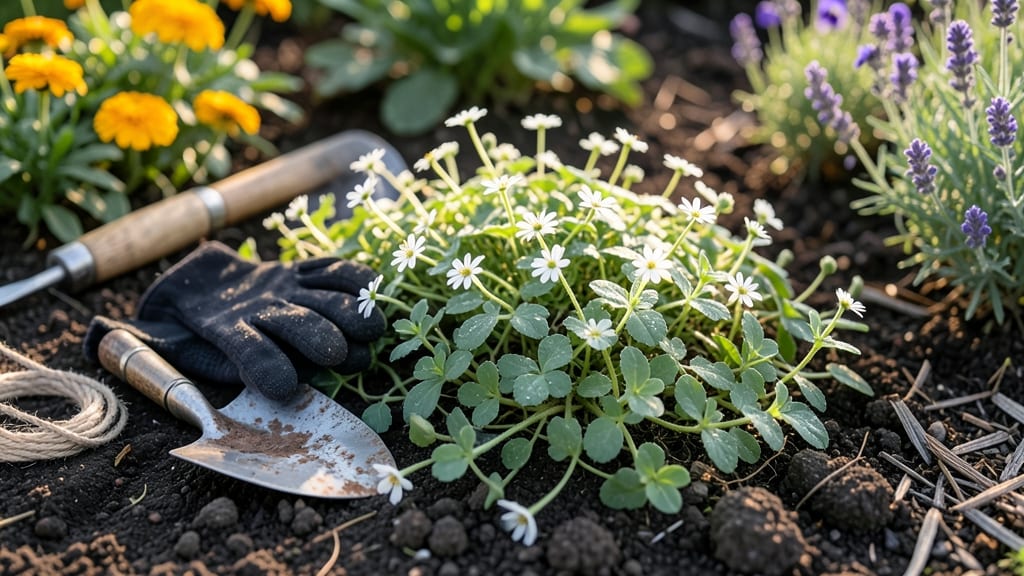
How to get rid of chickweed in flower beds—before it turns your beds into a tangled mess—starts with the right strategy. 🌱 I’ve battled this stubborn weed for years, and the key isn’t brute force—it’s smart suppression. Thick mulch, strategic barriers, and a little elbow grease can turn your beds back into lush, weed-free havens in just weeks, not months.
The problem? Chickweed spreads like wildfire, rooting where it lands and popping up even after you pull it. But here’s the secret: smothering works better than digging. Cardboard, landscape fabric, or even a deep layer of wood chips cut off sunlight, starving the weeds while protecting your flowers.
I’ve seen chickweed vanish completely in 3-4 weeks with this method.
You’ll end up with flower beds that stay clean longer, soil that stays moist, and fewer weeds creeping back. The best part? No harsh chemicals—just layers that double as mulch. Once you master this, chickweed won’t stand a chance. Let’s get those beds back to looking effortlessly beautiful.
Works for perennial beds, annual gardens, and even rocky landscapes where weeds seem impossible to control. The same principles apply whether you’re dealing with a small border or a full garden—just scale the materials. Ready to reclaim your space?
Root Causes of Chickweed Invasion
Chickweed isn’t just a random nuisance—it thrives in your flower beds because of specific conditions it exploits. Understanding why it takes over is the first step to stopping it. Below, we break down the science behind its persistence and how your garden might be accidentally inviting it in.
Chickweed is a germination specialist, meaning it needs disturbed soil to sprout. When soil is compacted (from foot traffic, heavy tools, or even rain), chickweed seeds—often dormant for years—get the perfect signal to wake up and grow.
- Why it happens: Compacted soil creates tiny air pockets that chickweed seeds detect as "safe" to germinate. The plant’s shallow roots also struggle in dense soil, so it sends up more stems to compete for sunlight.
- Actionable clue: If your flower beds feel spongy underfoot or you’ve recently tilled, aerated, or planted, chickweed may be capitalizing on the disruption.
- Science note: Chickweed seeds can lie dormant for decades—a single disturbance can unleash a hidden army.
While chickweed tolerates sun, it prefers partial shade and high humidity. This makes it a common pest in mulched beds, under trees, or in regions with frequent rain.
| Condition | Why Chickweed Loves It | How to Spot It |
|---|---|---|
| Damp soil | Chickweed’s stems store water efficiently, making it drought-tolerant—but it thrives when soil stays moist. Overwatering or poor drainage creates its ideal environment. | Mushy soil after rain, fungal growth on mulch, or chickweed clustering near irrigation lines. |
| Low sunlight | In shady spots, chickweed outcompetes slower-growing perennials by growing fast and low to soak up every photon of light. | Thick mats of chickweed under shrubs or in north-facing beds. |
| Thick mulch layers | While mulch suppresses weeds long-term, thick layers (4+ inches) trap moisture and block light unevenly, creating micro-habitats for chickweed. | Chickweed sprouting under mulch rather than on top. |
Chickweed is a weed of extremes—it flourishes in both bare, depleted soil and over-fertilized beds where nutrients are unevenly distributed.
- Why it happens:
- Poor soil: Chickweed’s rapid growth lets it steal nutrients from struggling plants. Its high moisture content also dilutes soil salts, making it harder for other plants to uptake nutrients.
- Over-fertilized soil: Excess nitrogen (from synthetic fertilizers or compost) fuels chickweed’s leafy, sprawling growth, while other plants may burn or struggle.
- Actionable clue: If your flower beds have bald patches or plants with yellowing leaves (a sign of nutrient imbalance), chickweed may be exploiting the chaos.
- Pro tip: Chickweed hates balanced soil. A soil test can reveal if your beds are nitrogen-starved or overloaded.
Chickweed spreads aggressively because it has no natural predators in most gardens. Unlike grasses or clover, it doesn’t support beneficial insects or microbes that would keep it in check.
- Why it happens:
- Monoculture beds: Planting only one type of flower (e.g., all petunias) removes biodiversity, leaving chickweed as the dominant "plant" in the ecosystem.
- No ground cover: Bare soil gives chickweed unobstructed access to sunlight and water. Even sparse mulch or living mulches (like creeping thyme) can outcompete it.
- Pesticide use: Broad-spectrum herbicides or fungicides can kill chickweed’s natural enemies, like certain beetles or fungi that would otherwise suppress it.
- Actionable clue: If your flower beds look uniform and sterile (like a lawn), chickweed will fill the gaps faster than native plants can recover.
- 💡 Eco-fix: Introduce clover, creeping jenny, or ajuga as living mulches—they smother chickweed while adding nitrogen to the soil.
Next up: We’ll cover how to disrupt chickweed’s life cycle before it even starts—using barriers, smother crops, and cultural tricks that work faster than pulling weeds.
Solutions That Smother Chickweed Fast
Chickweed might be tenacious, but with the right strategies, you can reclaim your flower beds without harsh chemicals. Below are targeted fixes based on the root causes—whether it’s poor soil health, overwatering, or lack of competition from desirable plants.
Each method is designed to be effective, eco-friendly, and easy to implement, even for busy gardeners.
Problem: Chickweed thrives in thin, nutrient-poor soil where flowers struggle to compete.
How to Fix It:
- 🔥 Boost Soil Health First Chickweed spreads because it fills gaps left by weak plants. Amend your soil with compost or well-rotted manure (2–3 inches mixed into the top 6 inches) to give your flowers the nutrients they need to outcompete weeds. Aim for a pH of 6.0–7.0—chickweed tolerates a wide range, but most flowers prefer slightly acidic to neutral soil.
- 🍳 Mulch Like a Pro Apply a 3–4 inch layer of organic mulch (straw, shredded leaves, or wood chips) to block sunlight and smother chickweed seeds.
Refresh mulch annually to maintain coverage. Pro tip: 💡 Use cardboard or newspaper under mulch for extra weed suppression—just wet it down first to prevent blowing away!
- 👨🍳 Plant Dense Ground Covers Chickweed can’t survive in a thick, healthy carpet of plants. Add creeping thyme, clover, or ajuga to fill gaps and shade the soil. These perennials also deter weeds naturally by crowding them out.
Problem: Chickweed loves moisture and spreads rapidly in soggy soil.
How to Fix It:
- 🥘 Water Deeply but Less Often Chickweed thrives in damp conditions. Adjust your watering schedule to deep, infrequent waterings (1–2 inches per week) to encourage deeper root growth in your flowers. This forces chickweed to compete for water it can’t access easily.
- ⏰ Fix Drainage Issues If your flower bed stays waterlogged, amend the soil with sand or perlite to improve drainage. Raised beds or mounds can also help if your area has poor soil structure.
- 🔪 Hand-Pull After Rain Chickweed is easiest to remove when the soil is soft and moist. Grab a handful of weeds (including roots!) and twist gently to dislodge them. Pro tip: 🌡️ Do this in the early morning when the plants are still dewy—roots pull out cleaner!
Problem: Seeds lie dormant in the soil for years, waiting for the right conditions to sprout.
How to Fix It:
- 🎯 Use Natural Barriers Lay down landscape fabric (with holes for existing plants) before mulching to block light and prevent germination. For a zero-waste approach, try sheet mulching (lasagna gardening) with layers of cardboard, compost, and mulch.
- 🔥 Solarize the Soil (For Extreme Cases) If chickweed is overwhelming your bed, cover the area with clear plastic for 4–6 weeks during hot summer months. The trapped heat kills seeds and roots without chemicals. Warning: Only do this in weed-free zones first to avoid spreading seeds!
- ✨ Prevent Reinfestation
- 💡 Remove weeds before they seed—chickweed produces thousands of seeds!
- 🎯 Rotate crops if you’re growing vegetables in the same bed.
- 🌱 Keep flower beds healthy—strong plants = fewer weed opportunities.
Final Reminder: Consistency is key! Chickweed may take 2–3 seasons to fully disappear, but with these methods, your flower beds will stay lush, weed-free, and vibrant. Start with one or two techniques that fit your garden’s needs, and adjust as you see progress. Happy gardening! 🌸
Frequently asked questions
Why does chickweed keep coming back even after I pull it?
Chickweed spreads through tiny seeds that can lie dormant in soil for years. When you pull plants, you may miss some roots or seeds—just one seed can regrow into a new patch. The key is to smother the soil with mulch or barriers to block sunlight and prevent germination.
Is vinegar safe to use on chickweed in flower beds?
Vinegar can kill chickweed, but it’s not selective—it’ll also harm nearby flowers. For targeted treatment, use a 10% acetic acid vinegar solution (mix 1 part vinegar with 3 parts water) and apply only on chickweed on a dry, sunny day. Test a small area first!
Can I use corn gluten meal to prevent chickweed?
Yes! Corn gluten meal is a natural pre-emergent herbicide that prevents weed seeds (including chickweed) from sprouting. Apply 1 pound per 100 square feet in early spring or fall, before chickweed seeds germinate. It’s safe for established plants and breaks down in soil.
How long does it take to see results with mulch?
With a 3–4 inch layer of mulch (like wood chips or straw), you’ll see a noticeable reduction in chickweed within 2–3 weeks. For complete suppression, maintain mulch thickness and combine it with cardboard barriers under organic mulch. Patience is key—consistency beats quick fixes!
Will chickens or ducks eat chickweed?
Yes! Chickens and ducks love chickweed and will happily peck it out of your flower beds. Release them in the morning for 1–2 hours to avoid disturbing your plants. Just monitor them to ensure they don’t uproot your flowers too!