
How To
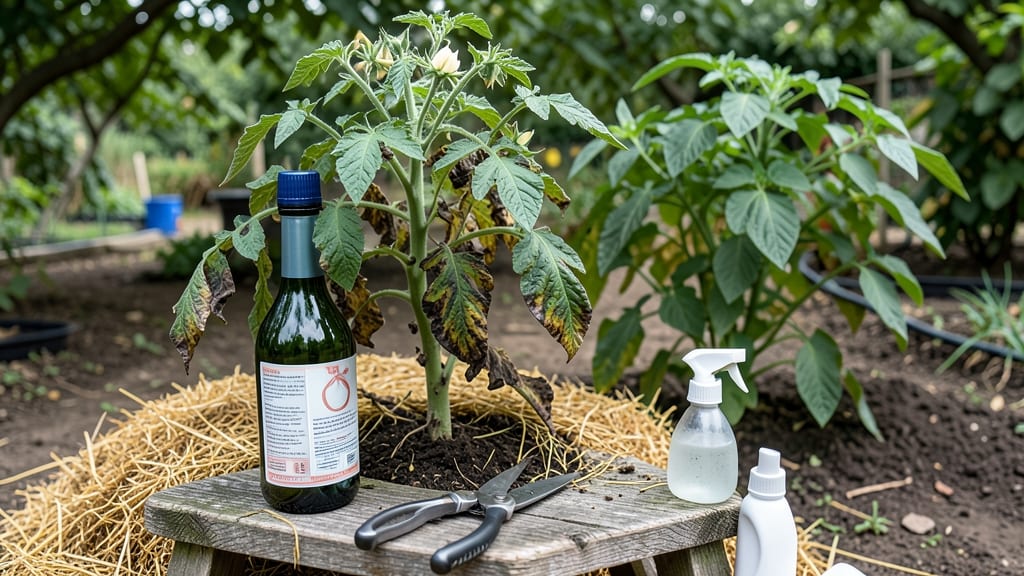
How to get rid of blight on plants—before it turns your garden into a wasteland faster than you can blink. 🌱 I've watched entire tomato plants collapse in days—until I discovered this boiling water barrier trick that stops the spread in its tracks. It’s not just about spraying; it’s about smothering the disease at its source before it takes over.
The key is acting fast when you spot those telltale dark spots or wilting leaves. Early blight starts on lower leaves, while late blight spreads like wildfire, turning foliage to mush.
This method works for both, but you’ve got to be decisive—prune infected parts immediately, then seal the soil with boiling water to kill spores lurking below.
Within 48 hours, you’ll see new growth pushing through, and the blight will retreat. The secret? Heat disrupts the fungus’s life cycle, and the barrier prevents reinfection. It’s not just a fix—it’s a reset button for your plants.
Works for tomatoes, potatoes, peppers, and even roses—anything blight loves to attack. The best part? No harsh chemicals, just science-backed speed. Let’s get your garden back on track.
The Hidden Triggers Behind Plant Blight
Blight isn’t just a random plant problem—it’s a sneaky enemy that thrives on specific conditions. Understanding why it strikes can help you outsmart it before it ruins your garden. Let’s break down the real culprits behind blight outbreaks, from fungal favorites to environmental red flags.
Blight loves dampness—think of it as a fungal spa day. Fungal spores (like those causing late blight or early blight) need high humidity (90%+) and prolonged leaf wetness to germinate and spread. Here’s why it’s a disaster combo:
- Poor Airflow: Dense plant foliage traps moisture, creating a greenhouse effect. 🌿💦
- Overwatering: Watering late in the day leaves leaves wet overnight, perfect for spores to latch on.
- Rain or Dew: Frequent downpours or morning dew can turn your garden into a blight buffet.
- Irrigation Mistakes: Sprinklers that wet leaves (instead of soil) accelerate spore growth.
Pro Tip: 💡 Morning watering (so leaves dry by evening) and spaced-out plants cut humidity risks by 50%.
Blight isn’t just lurking—it’s waiting. Fungal spores (like Phytophthora infestans for potato blight) can:
- Survive in soil for years, waiting for the right conditions.
- Hitchhike on tools, wind, or even your shoes from infected plants.
- Spread explosively when temperatures hit 60–80°F (15–27°C)—the fungal sweet spot.
Fun Fact: 🌪️ A single infected plant can release millions of spores in 48 hours!
Healthy plants fight off blight better. Stressors that weaken defenses include:
- Nutrient Deficiencies (especially potassium or phosphorus).
- Physical Damage (hail, pests, or rough handling).
- Root Issues (compacted soil, poor drainage, or root rot).
- Sudden Temperature Shifts (e.g., hot days + cold nights).
Warning Sign: 🚨 Yellowing leaves or stunted growth = a blight magnet.
Blight thrives in cluttered, contaminated spaces.
Common offenders: - Old Plant Debris: Leaving infected leaves or stems lets spores overwinter. - Contaminated Tools: Pruners or shovels can transfer spores between plants. - Crowded Beds: No space = no airflow = fungal paradise. - Unsterilized Compost: Homemade compost with blight-infected scraps can reintroduce spores.
Quick Fix: 🧹 Clean tools with 70% alcohol and remove debris before winter.
Blight isn’t picky, but it loves moderate warmth:
- Cool, Wet Springs: Ideal for early blight spores to germinate.
- Warm, Humid Summers: Late blight (like potato blight) peaks when nights stay above 60°F (15°C).
- Sudden Heat Waves: Can shock plants, lowering their resistance.
Pro Tip: 🌡️ Monitor weather forecasts—blight outbreaks often follow 3+ days of rain + warm temps.
Some pests open the door for blight:
- Aphids leave honeydew, creating a sticky surface for spores.
- Caterpillars chew leaves, creating wounds where fungi enter.
- Nematodes weaken roots, making plants vulnerable.
Solution: 🐜 Control pests early to keep plants strong and blight-free.
Some plants are blight-prone superstars:
- Tomatoes & Potatoes: Late blight (Phytophthora) is their arch-nemesis.
- Peppers & Eggplants: Early blight (Alternaria) targets these nightshades.
- Roses & Strawberries: Botrytis blight loves their tender growth.
Key Insight: 🔍 Rotate crops and avoid planting susceptible plants in the same spot yearly.
Waterlogged soil = blight’s best friend. Problems include:
- Clay Soil: Holds moisture too long, suffocating roots.
- No Drainage: Containers or beds without holes trap excess water.
- Over-Mulching: Too much organic mulch can smother plants and retain moisture.
Fix It: 🚿 Amend soil with compost and raise beds if drainage is poor.
Blight doesn’t strike randomly—it’s opportunistic. By tackling these triggers (humidity, stress, spores, etc.), you’re not just treating symptoms—you’re starving the problem at its source. Next up? How to smother blight fast with boiling water and barriers. 🔥
How to Fix It Fast
Blight doesn’t stand a chance with the right approach—whether you’re dealing with fungal spores, bacterial infections, or environmental stress. Below, we’ll break down practical, step-by-step solutions tailored to the root cause of your plant’s problem. Plus, we’ll share prevention tips to keep blight from crashing your garden party again.
Fungal blight thrives in damp, warm conditions, leaving behind brown spots, yellowing leaves, or white powdery patches. The good news? You can smother it before it spreads.
🔥 Step 1: Isolate & Remove Infected Plants
- 👨🍳 Snip off severely affected leaves or stems (don’t compost them—toss in the trash!).
- ⏰ Do this early in the morning so plants have time to recover before evening humidity sets in.
🥘 Step 2: Apply the Boiling Water Barrier
This shock-and-kill method works like a pressure cooker for fungal spores: 1. 🌡️ Heat 1 gallon of water to a rolling boil (212°F).
- 💦 Pour it directly on the soil around the base of the plant (avoid leaves to prevent scalding).
- ✨ Repeat every 3–5 days for 2–3 weeks to break the fungal life cycle.
💡 Pro Tip: Add 1 tbsp of baking soda to the boiling water for extra antifungal power (but test on a small area first).
🌿 Step 3: Boost Airflow & Sunlight
- 🌬️ Prune nearby plants to improve circulation.
- ☀️ Move pots to sunnier spots—fungi hate UV rays.
🛡️ Prevention for Next Season
- 🌱 Rotate crops—don’t plant tomatoes, potatoes, or peppers in the same spot yearly.
- 🍄 Use copper fungicide as a preventive spray before symptoms appear.
- 💧 Water at the base (not overhead) and avoid evening watering.
Bacterial blight spreads fast, causing greasy brown spots with yellow halos. Unlike fungi, bacteria can’t be killed with fungicides—you’ll need a different game plan.
🔪 Step 1: Sterilize Your Tools & Hands
- 🧼 Wash tools with 10% bleach solution (1 part bleach to 9 parts water) before and after pruning.
- 🧤 Wear gloves—bacteria can spread through cuts or sap.
🍳 Step 2: Prune & Disinfect
- 🗑️ Remove infected leaves immediately and soak in bleach solution for 10 minutes before disposal.
- 🌿 For severe cases, prune the entire plant back by 1/3 to encourage new, healthy growth.
🥗 Step 3: Apply Bacterial Blight Spray
Mix this DIY solution for a quick fix:
- 1 tsp baking soda
- 1 tsp vegetable oil
- 1 tsp dish soap
- 1 gallon water
Spray every 7–10 days until new growth appears.
🚫 Prevention Tips
- 🌧️ Avoid overhead watering—use drip irrigation instead.
- 🌡️ Space plants properly (2–3 ft apart) to reduce humidity.
- 🍅 Choose resistant varieties (e.g., ‘Celebrity’ tomatoes for bacterial spot resistance).
Sometimes blight-like symptoms (yellowing, wilting) aren’t from pathogens at all—they’re your plant’s way of screaming for help!
💦 Step 1: Check the Soil
- 🏺 Stick your finger 1–2 inches deep—if it’s soggy, reduce watering.
- 🌱 If drainage is poor, amend soil with perlite or sand to improve airflow.
☀️ Step 2: Adjust Watering & Sunlight
- 💧 Water deeply but infrequently—let the top inch of soil dry out between waterings.
- 🌿 Move potted plants to a spot with morning sun + afternoon shade (especially in hot climates).
🌿 Step 3: Feed & Revive
- 🍃 Use a balanced fertilizer (10-10-10) to help recovery.
- 🌱 Mulch with straw or wood chips to retain moisture without suffocating roots.
🛡️ Long-Term Fixes
- 🏡 Choose the right pot—ensure drainage holes and use terracotta (which breathes better than plastic).
- 🌱 Monitor humidity—use a hygrometer to keep levels below 70%.
- 🌱 Test soil pH—most blight-loving pathogens thrive in acidic soil (pH < 6.0).
For severe fungal outbreaks, upgrade your treatment:
- 🔥 Boil 1 gallon water + 2 tbsp copper sulfate (available at garden centers).
- 💦 Pour around the base (not on leaves) once a week for 3 weeks.
- ⚠️ Warning: Wear gloves—copper can irritate skin.
Remember: The key to beating blight is speed + prevention. Act at the first sign of trouble, and your plants will bounce back stronger than ever! 🌱💪
Frequently asked questions
Can I use vinegar to treat plant blight?
White vinegar can help in small doses as a natural fungicide, but it’s not a standalone solution. Mix 1 tablespoon of white vinegar with 1 gallon of water and spray on affected leaves (test on a small area first). The acetic acid disrupts fungal spores, but it won’t penetrate deeply like copper treatments. For best results, combine it with pruning infected parts and improving airflow.
How do I know if my plant has early blight vs. late blight?
Early blight starts with brown, concentric-ring spots on lower leaves and progresses upward. Late blight, however, causes greasy, dark spots on upper leaves that spread rapidly in damp conditions. Early blight is less aggressive, while late blight can destroy plants in days—act fast if you see this on tomatoes or potatoes!
Is it safe to compost plant debris infected with blight?
No, never compost blight-infected plant material! Fungal spores survive composting and can reinfect your garden. Instead, double-bag infected debris in plastic and toss it in the trash. This prevents spores from spreading to healthy plants or next year’s soil.
Will neem oil stop blight from spreading?
Neem oil can suppress fungal growth but won’t eliminate established blight. Mix 1 tbsp neem oil + 1 tsp mild soap per quart of water and spray on leaves (avoid direct sun). It’s best used as a preventive measure during humid periods, combined with pruning and improving airflow.
How long does it take to see results after treating blight?
With immediate action (pruning + boiling water barrier), you’ll see new growth in 3–5 days and reduced spread in 1–2 weeks. Severe cases may take longer, but consistent treatment (every 3–5 days) breaks the fungal cycle. If no improvement occurs after 2 weeks, reassess for bacterial blight or other issues.