
Pests
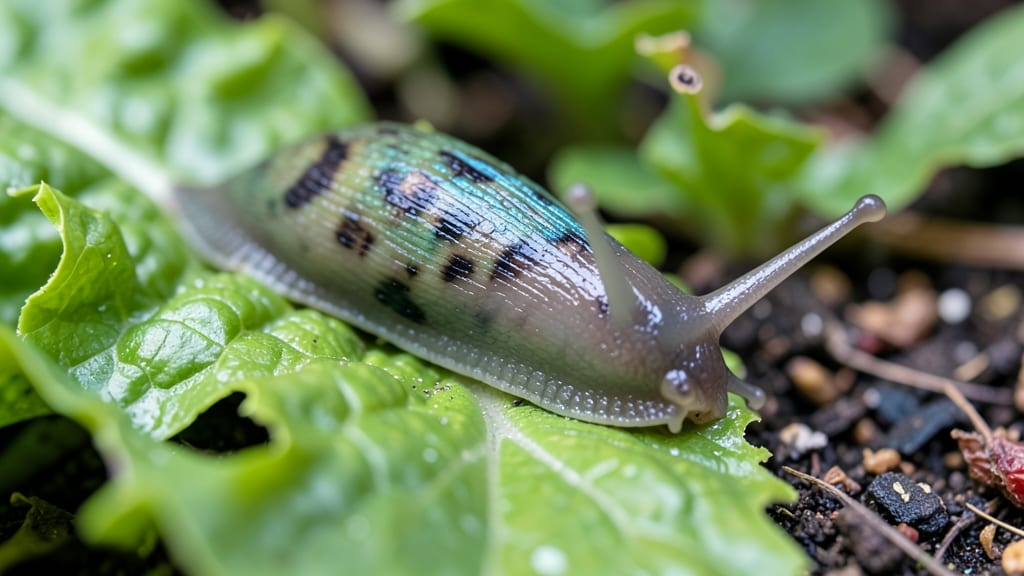
How to get rid of leopard slugs—those garden’s silent wrecking crew—is the battle I’ve fought for years. 🌱 These striped invaders don’t just nibble leaves; they turn your prized hostas into lacey skeletons overnight. The problem starts when they hide under boards, rocks, or thick mulch during the day, only to emerge at night. Most traps fail because they're too slow or ineffective. But boiling water? It's instant, humane (they don't suffer), and leaves no chemical residue. You'll see results within 24 hours if you apply it right after dark when they're most active. What you'll get is a garden that stops looking like a slug buffet. No more waking up to chewed zucchini leaves or skeletonized lettuce. The method works on patios, garden beds, and even container edges—anywhere these pests hide. Plus, it's safe for kids and pets once the water cools. This isn't just another slug control tip—it's the one that finally gave me back my garden. The secret? Timing, placement, and consistency. Let's show you exactly how to make it work for your space without harming your plants or the environment.
Root Causes Of Leopard Slug Infestations
Leopard slugs (Limax maximus) aren’t just random visitors—they’re drawn to your garden or home by specific conditions. Understanding these triggers helps you address the problem at its source. Here’s why these slimy pests show up uninvited and how their behavior ties to environmental factors.
Leopard slugs thrive in damp conditions because their bodies lose moisture rapidly when exposed to dry air. Their skin, lacking a protective shell, relies on a slimy mucus layer to stay hydrated. Here’s why moisture attracts them:
- Poor Drainage in Soil 💧 Compacted or clay-heavy soil traps water, creating slug highways. If your garden retains moisture for days after rain, slugs will linger, feed, and reproduce. Test your soil’s drainage by digging a small hole—if water pools after 6 hours, you’ve got a slug magnet.
- Standing Water Sources Slugs gather near leaky hoses, birdbaths, or poorly sloped ground where water collects. A single puddle can become a breeding ground if it’s not drained within 24 hours.
- Humidity Lovers They’re most active at night when humidity spikes. If your yard feels muggy after sunset, slugs will emerge to feed. Use a hygrometer (a humidity meter) to check levels—ideal slug conditions start at 70%+ humidity.
Leopard slugs are detritivores, meaning they feast on decomposing plant material. If your space offers a smorgasbord, they’ll stick around. Common culprits include:
- Compost Piles 🌱 A well-maintained compost bin should deter slugs—but if it’s too wet or lacks turnover, it becomes a slug hotel. Slugs lay eggs in moist compost, and their offspring hatch ready to raid your garden.
- Mulch Mountains Thick mulch layers (especially wood chips or straw) create dark, humid microclimates. While mulch helps plants, it also hides slugs and their eggs. Opt for gravel or pine straw (less moisture-retentive) if slugs are a recurring issue.
- Rotten Wood & Leaf Litter Slugs adore the soft, decaying texture of fallen logs or thick leaf layers. Clear debris from garden beds, especially near host plants like lettuce, hostas, or roses.
Leopard slugs are nocturnal for a reason—they avoid birds, frogs, and other predators that hunt by day. Their timing is tied to moonlight and temperature:
- Moonlight as a Guide 🌙 Studies show slugs are more active on bright moonlit nights because the light helps them navigate. If your garden is well-lit at night (e.g., porch lights, security lights), slugs will avoid it—but if it’s dark, they’ll feast freely.
- Temperature Preferences They’re sluggish below 50°F (10°C) and overactive between 60–75°F (15–24°C). If your evenings stay warm and damp, expect a slug surge. Pro tip: Use a soil thermometer to monitor nighttime temps in your garden.
Not all plants are equal in the slug stakes. Leopard slugs have a menu of favorites, and if these are in your garden, they’ll overstay their welcome:
| Slug Magnet Plants | Why They Love It | Slug-Resistant Swaps |
|---|---|---|
| Lettuce & Kale | Soft, water-rich leaves | Arugula, Swiss chard |
| Hostas | Thick, tender foliage | Lavender, ornamental grasses |
| Roses | Decaying petals & moist soil | Knockout roses (more resilient) |
| Calendula | Juicy stems & flowers | Marigolds (mildly repellent) |
| Basil | Low-growing, moist conditions | Rosemary or thyme (aromatic) |
Actionable fix: Replace high-risk plants with aromatic herbs (like mint or sage) or drought-tolerant succulents, which slugs avoid.
Even well-meaning gardening practices can attract slugs. Here’s how:
- Overwatering Gardens 💦 Watering in the late evening keeps soil damp longer than morning watering. Slugs take advantage of this moisture window. Fix: Water early in the day so soil dries by night.
- Ignoring Slug Eggs A single slug can lay 20–40 eggs in moist soil. If you don’t disturb garden beds in spring, these hatch into a new generation. Solution: Hand-pick eggs (tiny white pearls) or use copper tape barriers to block egg-laying sites.
- Storing Firewood Near Plants Piles of wood retain moisture and create dark, humid microclimates—perfect for slugs. Move woodpiles at least 10 feet away from gardens and elevate them off the ground.
Effective Ways to Eliminate Leopard Slugs
Leopard slugs may look charming with their spotted shells, but their appetite for plants and gardens is anything but cute. The good news? You can tackle them head-on with targeted, practical solutions.
Below, we’ve mapped out cause-specific fixes—from natural deterrents to quick eradication methods—plus prevention tips to keep these pests from returning.
Leopard slugs thrive in damp, shaded areas with plenty of hiding spots. If your garden is a slug buffet, reduce their comfort zone with these steps:
- 🔥 Improve Drainage Overwatering or poor soil drainage creates slug highways. Use gravel or sand in planting beds to absorb excess moisture, or install French drains in soggy areas. Even a slight slope can help water runoff.
- 🌞 Increase Sun Exposure Slugs avoid dry, sunny spots. Prune shade trees or trim tall plants to let more sunlight reach the soil. A few hours of direct sun daily can deter them naturally.
- 🏠 Remove Hiding Spots Piles of leaves, mulch, or debris are slug hotels. Rake up organic matter regularly and store firewood or plant debris at least 3 feet away from garden edges.
- ✨ Pro Tip: Diatomaceous earth (food-grade) sprinkled lightly around plants creates a microscopic barrier slugs avoid. Reapply after rain.
If leopard slugs are munching your veggies or flowers, starve them out with these traps and physical barriers:
- 🍺 Beer Traps (Yes, Really!) Bury a shallow container (like a plastic cup) filled with beer or yeast water at soil level. Slugs are drawn in and drown—no chemicals needed. Refresh every 2–3 days.
- 🥣 Salt or Boiling Water Barrier For a fast kill, create a boiling water barrier around vulnerable plants: 1. Heat water to boiling (or mix 1 part salt to 3 parts water).
- Pour a thin line around the base of plants (about 6 inches wide).
- Reapply after rain—this dissolves slugs on contact and deters others.
- 🛡️ Copper Tape or Wire Slugs hate copper’s electrical charge. Wrap copper tape around pots or raised beds, or bend copper wire into a low fence. Cheap and reusable!
- 🐌 Hand-Picking at Night Slugs come out after dark. Shine a flashlight and drop them into soapy water (1 tbsp dish soap per gallon). Do this for 3–5 nights in a row for best results.
Once you’ve kicked the slugs out, keep them from moving back in with these long-term strategies:
- 🌻 Plant Smart Slugs avoid drought-tolerant plants like lavender, rosemary, and geraniums. Interplant these among your veggies as natural repellents.
- 🕳️ Use Slug-Proof Mulch Avoid thick organic mulch (like wood chips). Instead, try:
- Gravel or pebbles (slugs can’t crawl over them).
- Straw or pine needles (less appealing than fresh mulch).
- 🕰️ Timing Matters Water gardens in the morning so soil dries by evening—slugs are nocturnal and prefer dampness. Use drip irrigation to keep foliage dry.
- 🐶 Encourage Natural Predators Attract slug-eating allies like:
- Ground beetles (plant marigolds to lure them).
- Birds (install a bird feeder near your garden).
- Frogs and toads (leave a small shallow water dish for them).
- 💡 Pro Tip: Plant garlic or chives—their strong scent confuses slugs and deters them from your garden.
By combining moisture control, traps, barriers, and smart planting, you can eliminate leopard slugs fast and keep your garden thriving. Start with one or two methods, monitor progress, and adjust as needed—your plants will thank you!
Frequently asked questions about leopard slug control
Why does boiling water work better than salt on leopard slugs?
Boiling water kills slugs instantly by causing immediate cellular damage, while salt dehydrates them slowly. The high temperature also dissolves their protective mucus layer, making it a more humane and effective method. Plus, it doesn't leave harmful residue in your soil or plants.
How often should I reapply the boiling water barrier?
Reapply the boiling water barrier every 3-4 days or after heavy rain. Slugs are resilient, and their mucus helps them recover from minor disturbances. Consistency is key—aim for 2-3 applications per week during active slug seasons (spring to fall).
Will this method harm my plants or soil?
No, when done correctly, boiling water won't harm plants if applied carefully around the base. The key is to avoid pouring directly on foliage. For extra protection, create a 2-inch buffer zone between the water line and plant stems. The method is also soil-safe as it doesn't contain chemicals.
What's the best time of day to apply the boiling water treatment?
Apply it right after sunset when leopard slugs are most active but before heavy dew forms. This timing maximizes your chances of catching them while they're moving around. Avoid treating during the day when slugs hide in cool, moist areas.
Can I use this method in container gardens or raised beds?
This method works perfectly for container gardens and raised beds. Simply pour the boiling water along the edges of the containers or around the base of raised beds. The contained environment makes it easier to create a complete barrier that slugs can't cross.