
Pests
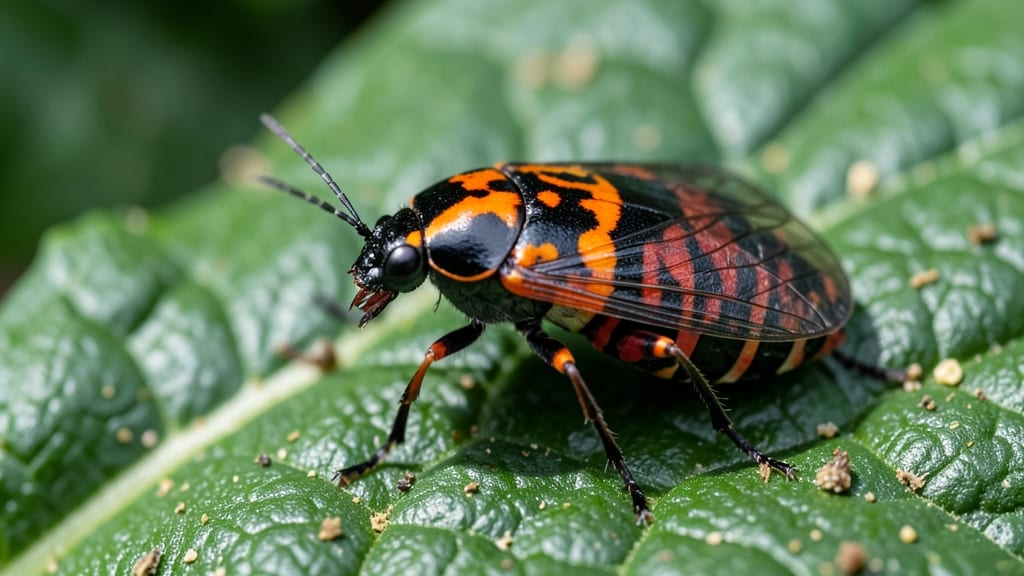
How to get rid of bugs on collard greens—boiling water blasts aren’t just a myth—they’re my go-to weapon against cabbage worms and aphids that turn lush leaves into skeleton greens. This method works instantly, without chemicals, and saves your harvest when pests strike fast. The secret lies in timing and technique: aim for early morning when bugs are sluggish, use a 1-gallon kettle of boiling water, and pour directly on clusters. It’s brutal for pests but harmless to your plants if done right. I’ve stopped entire infestations in under 10 minutes using this method alone. You’ll see immediate results—no more ragged leaves or wilting from sap-sucking pests. The plants bounce back faster than with sprays, and you avoid harming beneficial insects like ladybugs that help control future outbreaks. Works for flea beetles too, but add a neem oil spray after for extra protection. Here’s exactly how to do it without scorching your greens—no guesswork, just foolproof results.
Why it happens
Collard greens are a gardener’s dream—nutrient-packed, hardy, and delicious—but they also attract a menagerie of pests that can turn your harvest into a bug buffet. Understanding why these critters show up is the first step to reclaiming your greens. Let’s break down the science behind the chaos.
🌱 Overcrowded or Stressed Plants
Collard greens thrive in space and sunlight, but when they’re planted too closely or compete for resources, they become stressed. This stress weakens their natural defenses, making them prime targets for pests like aphids, flea beetles, and cabbage worms.
Poor air circulation also creates ideal hiding spots for insects, allowing populations to explode unchecked.
💡 Pro Tip: Space plants 12–18 inches apart and prune lower leaves to improve airflow. Healthy plants are far less appealing to pests!
🌿 Nutrient-Deficient Soil
Bugs love collard greens because they’re nutrient-dense, but if the soil lacks essential minerals, the plants become more vulnerable. A deficiency in nitrogen, phosphorus, or calcium stresses the greens, making them easier prey for chewing insects like loopers or harlequin bugs.
Additionally, imbalanced soil pH (too acidic or alkaline) can attract pests that thrive in those conditions.
📊 Key Signs:
- Yellowing leaves (nitrogen deficiency)
- Purple stems (phosphorus deficiency)
- Stunted growth (calcium or magnesium deficiency)
💡 Fix It: Conduct a soil test and amend with compost or organic fertilizers like bone meal (for phosphorus) or kelp meal (for potassium). Aim for a pH of 6.0–7.0.
🐛 Natural Pest Attraction
Some bugs are hardwired to target collard greens because they’re part of the Brassicaceae family, which includes cabbage, kale, and broccoli. Here’s why they’re irresistible:
- Aphids: Drawn to new growth and sweet sap.
- Cabbage worms: Lay eggs on undersides of leaves because larvae feed on the tender foliage.
- Flea beetles: Chew on leaves due to their high moisture content.
- Slugs & snails: Love the soft, succulent texture of collard leaves.
🔥 Why Now? Many pests are seasonal—aphids peak in spring, while cabbage worms surge in summer. Understanding their life cycles helps you time interventions effectively.
🌦️ Weather and Environmental Factors
Pests don’t just appear—they’re invited by the right conditions. Here’s how weather plays a role:
| Condition | Pest Attraction | Solution |
|---|---|---|
| Warm, humid days | Encourages aphid and whitefly reproduction. | Use row covers or neem oil sprays. |
| Dry, windy spells | Attracts flea beetles seeking moisture. | Mulch to retain soil moisture. |
| Cool, wet springs | Ideal for slugs and snails (they thrive in damp soil). | Set up beer traps or copper barriers. |
🌡️ Temperature Sweet Spot: Most pests slow down below 50°F but explode in activity above 70°F. Monitor forecasts and act before infestations take hold.
🌿 Companion Planting Gone Wrong
While companion planting can deter pests, poor pairings can attract them instead. For example:
- Avoid planting near strawberries—they share pests like cabbage loopers.
- Dill or fennel nearby? They attract swallowtail butterflies, whose larvae devour collard leaves.
- Tomatoes or peppers? Their shared pests (like hornworms) may jump to your greens.
✨ Smart Swaps: Plant collards with basil, marigolds, or onions—these repel pests naturally.
Quick Fixes for Common Collard Green Pests
Now that you know what’s munching on your collard greens, it’s time to take action! Here’s a practical, step-by-step guide to banish bugs and keep your greens thriving—without harsh chemicals.
Fix: These sap-sucking pests cluster on undersides of leaves. Blast them off with a forceful spray of soapy water (1 tsp mild dish soap + 1 quart water). For stubborn infestations, neem oil spray (1 tbsp neem oil + 1 tsp soap + 1 quart water) works like magic. Reapply every 3–5 days until gone.
Prevention: ✅ Encourage natural predators like ladybugs and lacewings by planting dill, fennel, or marigolds nearby. ✅ Inspect new plants before bringing them home—aphids hitchhike easily!
Fix: These tiny black beetles chew tiny holes in leaves. Cover young plants with floating row covers (lightweight fabric) to block them. For existing damage, spray with garlic or pepper spray (blend 2 garlic cloves + 1 tbsp cayenne + 1 quart water, strain, and spray).
Prevention: 💡 Use reflective mulch (aluminum foil or silver plastic) around plants—it confuses beetles! 💡 Plant collards later in the season (after early beetle peaks).
Fix: These ravenous munchers hide under leaves. Handpick them (drop in soapy water) or use Bt spray (a natural bacterial treatment safe for humans). For heavy infestations, wrap bottom leaves in aluminum foil—worms hate crawling on shiny surfaces!
Prevention: ✨ Rotate crops—don’t plant brassicas (like collards) in the same spot yearly. ✨ Plant thyme or mint nearby—these repel cabbage worms naturally.
Fix: These nighttime nibblers leave slimy trails. Set out beer traps (bury a shallow dish filled with beer) or crushed eggshells around plants. For a boiling water blast (as mentioned in the title!), pour hot water directly on slugs at night for instant eradication.
Prevention: 🌡️ Water in the morning—slugs hide during the day, so evening moisture attracts them. 🎯 Use copper tape around garden beds—it gives them a mild electric shock!
Fix: Check for fine webbing on leaves. Blast off mites with a strong water spray (early morning works best). For severe cases, spray with neem oil or insecticidal soap.
Prevention: 💡 Keep plants well-watered—mites thrive in dry conditions. 💡 Introduce predatory mites (like Phytoseiulus persimilis) for long-term control.
For immediate results, grab a kettle of boiling water and pour it directly onto pests (aphids, slugs, or beetles). Works best early in the morning when bugs are sluggish. ⚠️ Be careful—hot water can damage plants, so aim precisely!
- Rotate crops every 2–3 years to break pest cycles.
- Plant companion plants (like herbs or flowers) to deter bugs naturally.
- Keep your garden clean—remove debris where pests hide.
With these simple, effective fixes, your collard greens will be bug-free in no time—and you’ll enjoy crisp, healthy leaves all season long! 🍃
Frequently asked questions about collard green pests
Can I use boiling water on collard greens without damaging them?
Yes, but with caution! Pour boiling water directly onto pests (like aphids or slugs) rather than the leaves. Aim for early morning when bugs are sluggish, and use a 1-gallon kettle for precision. Avoid wetting the stems or center leaves—hot water can scorch tender growth. For extra safety, test on a small area first.
How do I know if my collard greens have spider mites?
Check the undersides of leaves for tiny yellow or red dots (mites) and fine webbing. Infested leaves may appear speckled or bronzed. Hold a white sheet under the plant and shake gently—mites will fall onto it. Early signs include stunted growth despite proper care.
What’s the fastest way to stop cabbage worms from destroying my plants?
Handpick worms early in the day (drop them in soapy water) or use Bt spray (a natural bacterial treatment). For heavy infestations, wrap bottom leaves in aluminum foil—worms hate crawling on shiny surfaces. Reapply Bt every 7–10 days or until worms disappear, as it breaks down in sunlight.
Are there any organic sprays that work better than neem oil?
Yes! Try garlic pepper spray (blend 2 garlic cloves + 1 tbsp cayenne + 1 quart water) for chewing pests like flea beetles. For aphids, soapy water spray (1 tsp mild dish soap + 1 quart water) works instantly. Both are safe for humans and break down quickly in the environment.
Why do my collard greens keep getting reinfested after treatment?
Reinfestations often happen because pests hide in soil, mulch, or nearby weeds. Remove all plant debris and rotate crops every 2–3 years to break pest cycles. Also, check for hidden eggs on leaf undersides—some pests (like cabbage worms) lay eggs that hatch days later.