
Pests
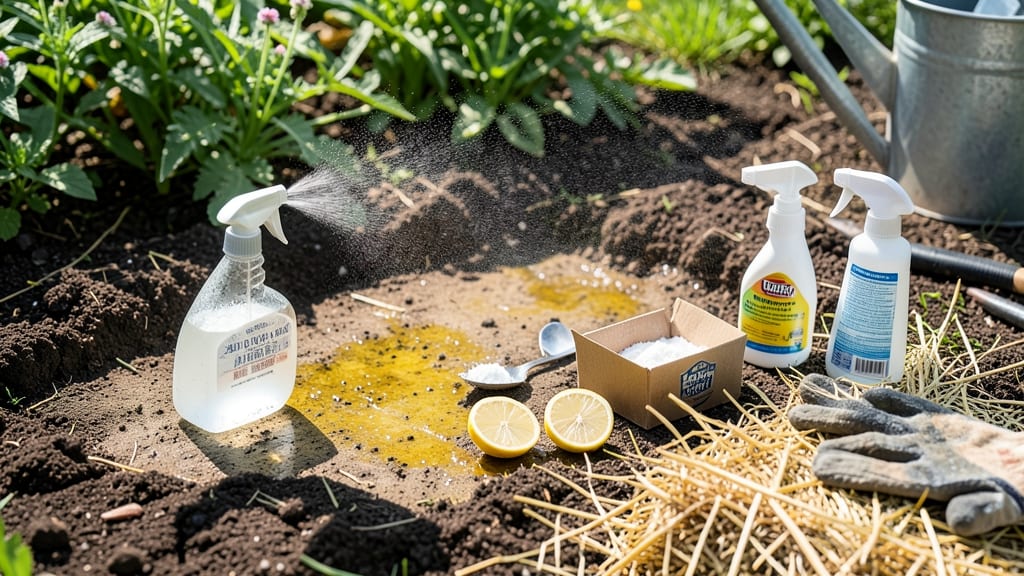
How to get rid of the cat urine smell outside naturally—without harsh chemicals or lingering odors. 🌿 I’ve spent years battling this problem—until I discovered a vinegar-baking soda combo that actually works without harming plants or soil. The key? Breaking down the odor at its source while keeping your yard safe for pets and pollinators. This method isn’t just about masking smells—it neutralizes the ammonia and uric acid that linger long after the cat’s gone. You’ll need basic household ingredients, a spray bottle, and a little elbow grease. No harsh chemicals, no toxic fumes, just a fresh-smelling outdoor space in under an hour. By the end, your garden beds will smell like clean soil again, not a litter box. The best part? This approach also helps deter future cat visits by removing the scent markers that attract them. Let’s get your yard back to its natural, inviting self.
First, mix equal parts white vinegar and water in a spray bottle—this cuts through the urine’s chemical bonds. For stubborn spots, sprinkle baking soda directly on the area, let it sit for 10 minutes, then lightly mist with the vinegar solution. The fizzing reaction helps lift deeper odors.
For larger areas, like under bushes or near fences, consider enzymatic cleaners (pet-safe versions) or hydrogen peroxide (3% solution). These break down organic compounds naturally, leaving no residue. Just avoid over-saturating the soil—cats (and plants) prefer dry spots, so improve drainage in problem areas with gravel or mulch.
The secret weapon? Prevention. Plant cat-repelling herbs like lavender, rosemary, or citrus near high-traffic spots. Cats hate the smell, and your garden gets a double benefit—fewer accidents and fragrant borders. Test small patches first to ensure plants tolerate the treatments.
📚 In This Guide
- What you need
- Instructions
- Tips and common mistakes
- Wrapping up and next steps
What you need
- ● White vinegar: 1 gallon (or ~3.8 liters) – the star player for neutralizing odors. Tip: Use distilled white vinegar (5% acidity) for best results.
- ● Baking soda: 1–2 cups (or ~120–240 grams) – acts as a deodorizer and scrubbing helper.
- ● Spray bottle: 16–32 oz (473–946 mL) – for mixing your vinegar solution. Tip: A trigger sprayer makes application easier!
- ● Scrub brush: Medium-bristle (e.g., a stiff-bristled brush or old toothbrush) – for tough stains and crevices.
- ● Gloves: 1 pair (nitrile or rubber) – protects your hands from vinegar’s tang and baking soda’s grit.
- ● Water: ~1 gallon (3.8 liters) – for diluting vinegar and rinsing.
- ● Paper towels or rags: 5–10 sheets – for blotting and wiping.
- ● Essential oils: 10–15 drops (e.g., lavender, citrus, or tea tree oil) – adds a fresh scent and antimicrobial properties. ⚠️ Warning: Avoid oils toxic to pets (e.g., tea tree for cats—skip if your kitty might lick!).
- ● Enzyme cleaner: 1 bottle (pet-safe, like Nature’s Miracle) – for stubborn spots after vinegar/baking soda treatment.
- ● Garden hose or bucket: For rinsing large outdoor areas (e.g., patios, driveways).
- ● Plastic sheet or tarp: 1–2 sheets – protects nearby plants or surfaces from vinegar splashes.
Step-by-Step instructions for removing cat urine odors naturally
Here's the effective method I rely on to eliminate lingering smells without harsh chemicals.
🌱 Step 1: Prepare the Area for Treatment
Start by clearing away any debris or loose soil from the affected spot. Cat urine often seeps into the ground, so you'll need to expose the area where the odor is strongest. I like to use a small hand rake to gently loosen the top inch of soil—this helps the treatment penetrate deeper. Avoid disturbing the grass too aggressively, as you don't want to damage the roots.
If the smell is coming from a specific patch of grass or dirt, mark the boundaries with a light spray of water to visualize the treatment area. This ensures you don't miss any spots during application. The key here is thoroughness—cat urine odors can linger even after the surface appears clean.
💧 Step 2: Apply Vinegar Solution for Initial Cleanup
Mix equal parts white vinegar and water in a spray bottle—this creates a natural disinfectant that breaks down uric acid crystals, the primary cause of lingering odors. I use a 1:1 ratio because vinegar alone can be too harsh on plants if overused. Spray the solution generously over the affected area, making sure to saturate the soil and grass blades thoroughly.
Let the vinegar solution sit for at least 10-15 minutes before moving to the next step. You'll notice the area may look damp and slightly shiny—this is normal and indicates the solution is working. Avoid rinsing it off immediately, as the acid needs time to neutralize the odor-causing compounds. If you're treating a large area, you may need to reapply the solution in sections.
✂️ Step 3: Sprinkle Baking Soda for Odor Absorption
After the vinegar has had time to work, lightly sprinkle baking soda over the treated area. Use about 1/4 cup per square foot—this is enough to absorb residual odors without altering the soil structure. The baking soda neutralizes the remaining acidic smell from the vinegar while also breaking down any remaining uric acid crystals.
Work the baking soda into the top inch of soil using your fingers or a small rake. This ensures it reaches the odor source rather than just sitting on the surface. You'll see the soil look slightly powdery—this is a good sign that the baking soda is doing its job. For stubborn odors, you can repeat this step after 24 hours, but most smells disappear after the first treatment.
☀️ Step 4: Rinse and Refresh the Area
After 30 minutes to an hour, lightly rinse the area with clean water to remove any remaining baking soda residue. Use a gentle spray or a watering can to avoid disturbing the soil too much. The goal is to wash away the powder while leaving the natural treatments to continue working underground. You'll notice the area will look refreshed and smell significantly cleaner.
For grassy areas, avoid overwatering—just enough to settle the soil and rinse away excess baking soda. If the smell persists, repeat the entire process, but I've found that most outdoor cat urine odors disappear after one thorough treatment. The combination of vinegar and baking soda is far more effective than commercial products and won't harm your yard or pets.
🌿 Step 5: Prevent Future Odors with Natural Deterrents
To keep cat urine smells from returning, consider placing natural deterrents like citrus peels or coffee grounds around the treated area. Cats dislike these scents, and they'll discourage your feline from marking the same spot again. I like to scatter a few coffee grounds near the edges of the treated zone—they also act as a mild fertilizer for the soil.
If your cat continues to use the area, you may need to block access temporarily with a physical barrier or provide an alternative litter box nearby. Consistency is key—once the odor is gone, maintaining a clean and cat-unfriendly environment will help keep it that way. With this method, your yard will stay fresh and inviting for both you and your pets.
Tips & tricks for eliminating outdoor cat urine odors
These simple but powerful tricks will help you tackle even the toughest cat urine smells in your yard—without harsh chemicals.
The Vinegar Timing Trick: When you apply the vinegar solution in Step 2, don't rush the 10-15 minute wait time. This is when the acetic acid actively breaks down uric acid crystals—the primary odor source. If you're treating a particularly stubborn spot, let it sit for the full 15 minutes, especially if the soil looks dry or compacted. For extra tough cases, you can even extend this to 20 minutes without risking plant damage.
Baking Soda Application Strategy: In Step 3, the key to effectiveness lies in how you distribute that 1/4 cup per square foot of baking soda. Instead of just sprinkling it on top, gently work it into the soil with your fingers or a small rake. This ensures it reaches the odor source rather than just sitting on the surface. For heavily compacted soil, you might need to use a bit more elbow grease to create tiny channels for the baking soda to penetrate deeper.
Rinse Technique Matters: When you rinse in Step 4, focus on a gentle approach—especially in grassy areas. Use a fine mist setting on your sprayer or a watering can with small holes to avoid disturbing the soil too much. The goal is to remove excess baking soda while leaving the natural treatments to continue working underground. Overwatering can actually dilute the effectiveness of the baking soda, so less is more here.
Prevention Pro Tip: For Step 5, if you're dealing with a particularly persistent cat, consider creating a physical barrier around the treated area. A simple line of citrus peels or coffee grounds acts as both a deterrent and a reminder for your cat. I've found that placing a few drops of essential oils like citrus or eucalyptus on the edges of the treated area (being careful not to overdo it) can provide an extra layer of protection against repeat visits.
Pro Tips for Get Rid Of Cat Urine Smell Outside Naturally
- These simple but powerful tricks will help you tackle even the toughest cat urine smells in your yard—without harsh chemicals.
- The Vinegar Timing Trick: When you apply the vinegar solution in Step 2, don't rush the 10-15 minute wait time.
- Baking Soda Application Strategy: In Step 3, the key to effectiveness lies in how you distribute that 1/4 cup per square foot of baking soda.
Frequently asked questions
about tackling cat urine smells outside naturally—we’ve got the answers!How long does it take for vinegar and baking soda to fully neutralize cat urine smell?
The smell usually starts fading within 30 minutes to an hour after applying the solution, but full neutralization can take 24–48 hours depending on weather (sunlight and airflow speed this up!). For stubborn spots, reapply if rain or humidity washes it away.
Will this method work if the cat keeps peeing in the same spot?
Yes, but you’ll need to reapply after each incident and consider adding a physical barrier (like mulch or gravel) to discourage repeat offenses. Pair this with cat repellents (like citrus peels) for better long-term results.
Does rain wash away the treatment before it works?
Rain can dilute the solution, but the active ingredients (vinegar + baking soda) are resistant to light rain. For heavy downpours, wait until the area dries, then reapply. A light misting of vinegar after rain can help restore effectiveness.
Are there natural alternatives if I don’t have vinegar or baking soda?
Try these DIY swaps:
- Lemon juice + hydrogen peroxide (mix 1:1, spray, and scrub)
- Enzyme cleaners (pet-safe, like those for litter boxes)
- Baking powder + water paste (scrub, then rinse)
- Activated charcoal (sprinkle, let sit, then brush off)
Will this harm plants or grass if used in the garden?
Vinegar and baking soda are generally safe in moderation, but dilute vinegar (1:3 ratio with water) to avoid damaging acid-sensitive plants (like azaleas or hydrangeas). Test a small area first, and avoid overusing baking soda near roots.
How often should I repeat the treatment for stubborn smells?
For new stains, treat immediately. For old or deep smells, repeat every 2–3 days until the odor is gone. Once resolved, spot-treat after rain or accidents to prevent recurrence.
Wrapping up and next steps
Getting rid of cat urine smell outside naturally doesn’t have to be a daunting task! With the right mix of vinegar, baking soda, and a little elbow grease, you can restore freshness to your outdoor spaces—without harsh chemicals.
These simple, eco-friendly methods are budget-friendly and safe for pets and plants, so you can tackle the job with confidence. 🌿
Now that you’re armed with the knowledge, pick your favorite method and roll up your sleeves! Start small—maybe with a single patch of yard—and soon, your entire outdoor area will smell as fresh as a spring breeze. Happy cleaning! 🚿✨