
Pests
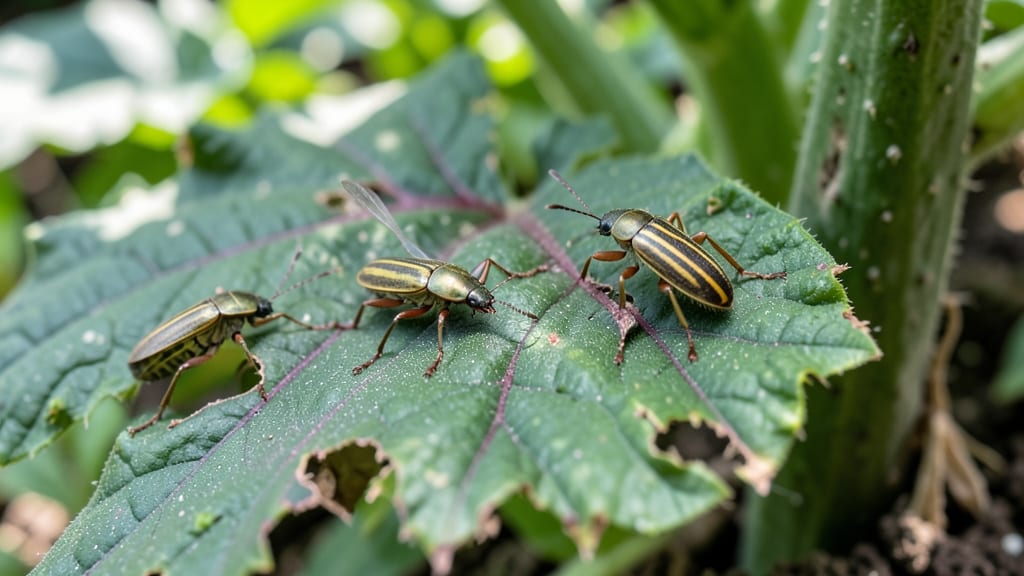
How to get rid of those cucumber beetles—the sneaky pests ruining your squash and cucumbers. 🌿 They chew leaves into lace and spread disease, but I’ve found natural ways to kick them out without chemicals—no more sad, wilted plants by midsummer.
The key is stopping them before they land. Floating row covers work like invisible shields, while companion plants like radishes and nasturtiums distract them with their own leaves. Neem oil sprays also disrupt their life cycle without harming bees or butterflies.
By combining these methods, you’ll see fewer striped invaders within 5-7 days, and your plants will recover faster. The best part? Your garden stays safe for pollinators while those beetles get the boot.
Works for both backyard plots and container gardens—no fancy tools needed. Let’s get those beetles under control before they take over your harvest.
Root Causes Of Cucumber Beetle Infestations
Cucumber beetles—those tiny, striped pests—don’t just show up out of nowhere. Their arrival is usually a mix of environmental factors, plant preferences, and even human gardening habits. Understanding why they target your cucumbers, melons, and squash is the first step to stopping them before they wreak havoc.
Here’s a breakdown of the key reasons these beetles invade your garden.
Cucumber beetles are specialized feeders, meaning they’ve evolved to thrive on specific plants. Their favorite menu includes:
- Cucurbits: Cucumbers, squash, pumpkins, melons, and zucchini are their top targets. These plants produce volatile organic compounds (VOCs) that signal to beetles: "Fresh, nutrient-rich meal here!"
- Floral Nectar: Beetles are also drawn to blooming plants like marigolds, nasturtiums, and even weeds (e.g., pigweed). These act as "beetle buffets," keeping populations high near your garden.
- Young, Tender Leaves: Beetles prefer new growth because it’s softer and easier to chew. This is why they often strike right after you transplant seedlings.
Actionable Insight: If you’re growing cucurbits, beetles will find them—it’s biology. But how you manage the garden (e.g., row covers, trap crops) can drastically reduce their impact.
Cucumber beetles are warm-weather pests, and their lifecycle is tightly linked to temperature and humidity. Here’s how climate plays a role:
| Factor | Why It Matters | Beetle Behavior |
|---|---|---|
| Spring/Summer Heat (60°F+) | Beetles emerge from overwintering sites (e.g., garden debris, soil) when soil temps rise. | Adults become active, feed, and lay eggs in 2–3 weeks. |
| High Humidity | Moist soil speeds up egg hatching and larval development. | Larvae (white, worm-like grubs) burrow into roots, causing wilting and stunted growth. |
| Rainfall | Softens soil, making it easier for beetles to lay eggs near plant bases. | Flooding can also wash away natural predators (like birds or ground beetles). |
Actionable Insight: In hot, humid climates, beetles multiply fast. Monitor plants weekly in spring/summer and act at the first sign of damage (e.g., jagged leaf edges or yellowing vines).
Cucumber beetles are perennial pests, meaning they don’t disappear after one season—they hide and return stronger. Here’s how they survive the winter:
- Soil and Mulch: Adults burrow into leaf litter, compost piles, or loose soil to avoid freezing. A single beetle can lay 500–1,000 eggs in its lifetime!
- Weeds and Wild Plants: Beetles overwinter on alternative hosts like morning glories or smartweed, then migrate to your garden when cucurbits sprout.
- Greenhouse Structures: If you use greenhouses or cold frames, beetles may hitch a ride on plants or hibernate inside, emerging early in the season.
Actionable Insight: Clean up is your best defense. Remove old vines, weeds, and garden debris before winter. Rotate planting locations yearly to starve out overwintering beetles.
In a healthy ecosystem, cucumber beetles face plenty of predators. But human interventions—like pesticides, monoculture gardening, or habitat destruction—can disrupt this balance. Common natural enemies include:
- Birds (e.g., robins, sparrows) – Snatch up adult beetles on sight.
- Ground Beetles & Ladybugs – Hunt larvae and eggs.
- Parasitic Wasps – Lay eggs inside beetle larvae, killing them from within.
- Toads & Frogs – Gobble up beetles at night.
When these predators are missing, beetle populations explode. For example:
- Using broad-spectrum pesticides (even "organic" ones like neem oil overused) can kill beneficial insects.
- Planting large blocks of a single crop (e.g., all cucumbers in one row) attracts more beetles than diverse gardens.
- Removing weeds or wildflowers eliminates alternate food sources for predator species.
Actionable Insight: Encourage biodiversity! Plant native flowers (like dill, fennel, or yarrow) to attract predator insects. Avoid chemical sprays early in the season to preserve the food chain.
Key Takeaway: Cucumber beetles don’t invade randomly—they’re drawn by your garden’s conditions. By addressing host plants, climate, debris, and predator support, you can break their cycle before they become a full-blown problem. The next step? Proactive strategies to keep them away naturally.
Beat Back Cucumber Beetles Naturally
Cucumber beetles may be tiny, but their damage adds up fast. The good news? You don’t need harsh chemicals to reclaim your garden. Below, we’ve mapped out practical, effective solutions tailored to the root causes of your beetle problem—plus prevention tips to keep them from returning.
---
Cucumber beetles thrive where cucumbers, squash, and melons grow in dense patches. Break the cycle with these steps:
1. 🌱 Rotate Plant Families Avoid planting cucurbits (cucumbers, squash, melons) in the same spot year after year. Beetles remember! Rotate with beans, tomatoes, or herbs (like basil or dill) to disrupt their life cycle.
2. 🌿 Space Plants Strategically Give vines at least 3–4 feet of space between plants. Crowded gardens create hiding spots and make spotting beetles harder. Use trellises for vertical growth to elevate plants away from soil-dwelling pests.
3. 🍃 Trap Crops to Lure Them Away Plant radishes, nasturtiums, or marigolds near your garden’s edge. These act as beetle magnets, drawing them away from your cucumbers. Once they’re on the trap crop, remove and destroy them daily.
--- Prevent beetles from reaching your plants in the first place with low-tech, reusable defenses:
1. 🧢 Row Covers for Early Planting Use floating row covers (lightweight fabric) over young plants. Secure edges with soil or bricks to keep beetles out. Remove when flowers appear to allow pollination (but check for beetles daily).
2. 🥬 Collars for Seedlings Cut cardboard or plastic collars (4–6 inches tall) and bury them 1–2 inches into the soil around seedlings. Beetles can’t climb smooth surfaces, so they’ll move on.
3. 🪟 Yellow Sticky Traps Hang yellow sticky cards near plants. Beetles are drawn to the color and get trapped. Replace every 5–7 days for maximum effectiveness.
--- Beetles hate strong scents and wet conditions. Use these tricks to make your garden less inviting:
1. 💦 Early Morning Water Sprays Spray plants first thing in the morning with a strong stream of water. This knocks beetles off leaves and washes them away. Repeat every 2–3 days during peak beetle season.
2. 🌿 Homemade Spray Repellents Mix 1 tsp of hot pepper wax or cayenne pepper with 1 quart of water and a drop of dish soap. Spray on leaves (avoid flowers to protect pollinators). Reapply after rain.
Pro Tip: 💡 Add crushed garlic or onion to the spray for extra repellent power.
3. 🌿 Plant Companion Scents Interplant rosemary, thyme, or mint near cucumbers. Their strong fragrances mask plant odors that attract beetles.
--- Let nature do the work! These beneficial insects and animals eat cucumber beetles:
- 🐞 Ladybugs & Lacewings – Release or attract them with dill or fennel plants. - 🐸 Frogs & Toads – Provide a shallow water dish to lure them into your garden. - 🐦 Birds – Hang a bird feeder nearby; birds snack on beetles too.
--- When beetles strike fast, act quickly:
1. 👨🍳 Handpick in Early Morning Beetles are sluggish in the cool hours before 9 AM. Wear gloves and pluck them into a soapy water bucket (they’ll drown instantly).
2. 🔪 Prune Damaged Leaves If leaves are chewed beyond saving, snip them off and compost away from the garden (don’t add to garden compost—beetles may return).
--- Stop beetles before they start with these year-round habits:
✅ 🌱 Start with Healthy Soil – Strong plants resist pests better.
Add compost before planting. ✅ 🌿 Plant Early or Late – Beetles emerge in late spring/early summer; plant cucumbers before May 15 or after July 1. ✅ 🚫 Avoid Mulching with Straw – Straw can harbor beetle eggs; use black plastic or shredded leaves instead. ✅ 🔍 Inspect Seedlings Daily – Check undersides of leaves for yellow eggs and scrape them off with a fingernail.
--- Final Thought: 🎯 Cucumber beetles are persistent, but with layered defenses—rotation, barriers, repellents, and predators—you can outsmart them without chemicals. Start with one or two methods, then expand as needed. Your cucumbers (and sanity) will thank you!
Frequently asked questions
What do cucumber beetles look like, and how can I tell them apart from other garden pests?
Cucumber beetles are small, about 1/4 inch long, with either black and yellow stripes (striped cucumber beetle) or solid black with white markings (spotted cucumber beetle). Look for their shiny, oval bodies and long antennae. Unlike aphids or flea beetles, they leave large, jagged holes in leaves—not tiny punctures.
How quickly can cucumber beetles destroy my plants if left untreated?
Adult beetles can defoliate a plant in just 3-5 days if unchecked. Their larvae burrow into roots, causing wilting and stunted growth. They also spread bacterial wilt, which can kill plants in 24-48 hours. Early intervention is key—start defenses before you see damage.
Are there any chemical-free ways to control cucumber beetles in containers?
Yes! For container gardens, use yellow sticky traps near the pots, apply neem oil spray (mix 1 tsp neem oil + 1 tsp dish soap + 1 quart water), and cover seedlings with lightweight row fabric. Handpick beetles in the morning when they're sluggish, and plant basil or dill nearby to attract beneficial predators.
Why do cucumber beetles seem to appear suddenly in my garden?
They don't appear suddenly—they've likely been hiding in garden debris or nearby weeds since last year! Beetles overwinter in soil, mulch, or wild plants, then emerge when your cucurbits start growing. Their lifecycle is 2-3 weeks from egg to adult, so one generation can quickly become many.
Can I still harvest cucumbers if I've already seen beetles?
You can harvest, but check for bacterial wilt symptoms (yellowing, wilting) first. If plants show signs, remove them immediately to prevent spread. For healthy plants, wash produce thoroughly before eating. Beetles don't transmit disease through the fruit itself, but their damage weakens plants.