
Pests
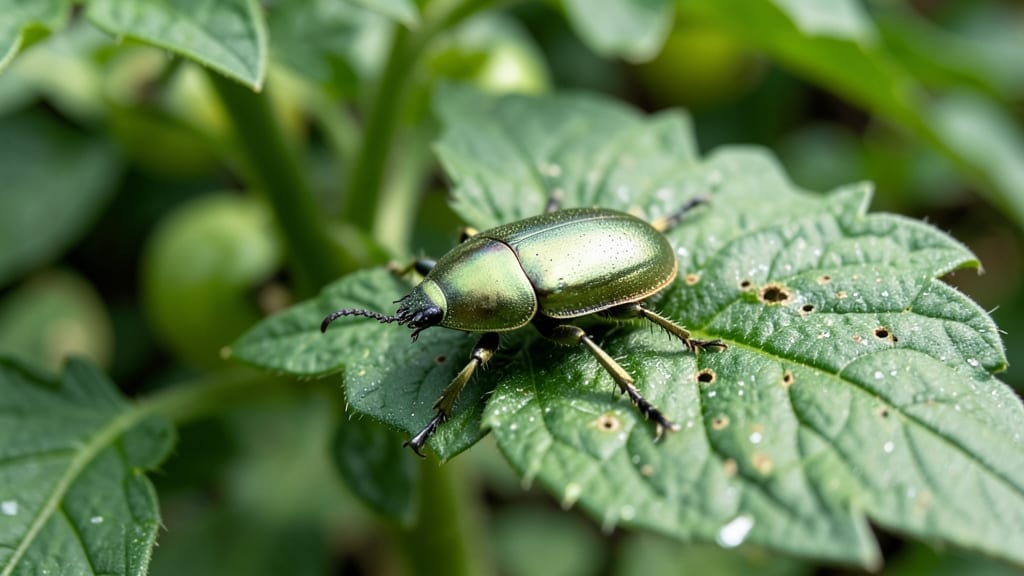
Flea beetles are turning your tomato leaves into Swiss cheese. 🌱 I’ve battled these tiny pests for years, and the neem oil barrier method finally gave me the upper hand—no more skeletonized plants by midsummer.
The damage starts small: tiny holes that look like someone peppered your leaves with a shotgun. Left unchecked, they weaken plants enough to invite bigger problems like blight. But here’s the good news: neem oil doesn’t just mask the issue—it stops new beetles from landing in the first place.
By week two, you’ll see fresh growth filling in those holes, and the beetles will move on to easier targets. The key is consistency: spray every 5–7 days until harvest, and pair it with row covers for extra protection.
Works for any tomato variety, from cherry to beefsteak, and keeps your plants strong enough to fight back naturally.
Root Causes of Flea Beetle Attacks
Flea beetles aren’t just random pests—they’re drawn to your tomato plants for specific reasons. Understanding these triggers is the first step to stopping their damage before it starts. Let’s break down the science behind why these tiny, jumping insects target your garden.
Flea beetles are drawn to young, tender tomato plants because they’re packed with nutrients and moisture—like a buffet for pests. Here’s why:
- Soft, Succulent Leaves: New tomato seedlings have delicate foliage that’s easy for flea beetles to chew through.
Their mouthparts are designed to pierce and feed on these tender tissues, leaving behind the signature "shotgun" holes. - High Water Content: Healthy, well-watered tomato plants are more appealing because their leaves retain moisture, making them juicier and easier to feed on. - Volatile Organic Compounds (VOCs): Tomato plants release certain chemical signals (like green leaf volatiles) that flea beetles detect from a distance.
These act like an invisible "come and get it" sign.
Pro Tip: 💡 If you notice flea beetles swarming right after planting, it’s often because the seedlings are too vulnerable. Transplanting slightly older seedlings (with 2-3 sets of true leaves) can make them less appealing initially.
Flea beetles thrive in specific weather patterns, which is why outbreaks spike at certain times of the year:
- Warm Soil Temperatures: Flea beetles emerge from the soil when temperatures rise above 50°F (10°C).
If your garden warms up quickly in spring, you’ll see them appear suddenly, often before your tomato plants are fully established. - Dry, Sunny Spots: These pests love full sun and dry conditions because it helps them stay active and reproduce faster.
Shady or damp areas slow them down. - Early Season Rush: Flea beetles are most aggressive in late spring to early summer when tomato plants are young. Once your plants mature and develop thicker leaves, they become less appealing.
Warning: ⚠️ If your area has unpredictable warm spells in winter or early spring, flea beetles may wake up early, giving them a head start on your garden.
In a balanced ecosystem, flea beetles face predators like birds, spiders, and parasitic wasps. But if these natural controls are missing, the beetles multiply unchecked:
- Urban or Monoculture Gardens: If your garden lacks biodiversity (e.g., no wildflowers, companion plants, or insect hotels), beneficial predators won’t stick around.
- Overuse of Broad-Spectrum Pesticides: Chemicals that kill flea beetles also harm their natural enemies, creating a vacuum that lets the pests thrive.
- New Plantings Without Barriers: Young tomato plants in open, exposed beds are easy targets because there’s nothing to deter the beetles.
Solution: 🌿 Encourage biodiversity by planting marigolds, basil, or nasturtiums near tomatoes—they repel flea beetles and attract predator insects like ladybugs.
Flea beetles don’t just appear—they follow a predictable life cycle that aligns with tomato growth:
- Overwintering Adults: Beetles survive winter in soil or leaf litter, then emerge in spring to lay eggs near tomato plants.
- Rapid Reproduction: A single female can lay hundreds of eggs in her lifetime, and larvae (which look like tiny worms) burrow into soil to feed on roots before pupating.
- Multiple Generations: In warm climates, flea beetles can produce 2-3 generations per year, meaning infestations can escalate quickly if left unchecked.
Key Insight: 🔍 Early intervention is critical—once eggs hatch, controlling the larvae is harder than stopping adults.
Sometimes, well-meaning gardening habits make tomato plants more susceptible:
- Over-Fertilizing with Nitrogen: Too much nitrogen makes leaves softer and more palatable, inviting flea beetles to feast. - Poor Soil Drainage: Waterlogged soil weakens plants, making them easier targets.
Flea beetles also prefer areas where their larvae can thrive in moist soil. - Late Succession Planting: Planting tomatoes too late in the season means they’re already stressed by heat when flea beetles arrive, making them more vulnerable.
Avoid This: 🚫 Skip high-nitrogen fertilizers early in the season—opt for a balanced 10-10-10 or organic compost instead.
Quick Fixes for Flea Beetle Havoc
Flea beetles may be tiny, but their damage can feel like a full-scale attack on your tomato plants. The good news? With the right strategies, you can stop the damage fast and protect your harvest.
Below, we’ll tackle the most common causes of infestations and match them with practical, effective solutions—from quick fixes to long-term prevention. Let’s get your tomatoes back on track!
If you’ve spotted tiny holes in leaves or yellowing foliage, flea beetles are already feasting. The key is to act fast before they move deeper into the plant. Here’s how:
🍳 Physical Barriers: Trap & Repel
Flea beetles hate obstacles—use these low-tech tricks to block their access: - Row Covers: Drape floating row covers (lightweight fabric) over young tomato plants.
Secure edges with soil or bricks to prevent beetles from crawling underneath. Pro tip: Leave the covers off during pollination if using hand-pollination (like for cherry tomatoes). - Collars & Cages: For seedlings, wrap the stem in cardboard collars or use mesh cages (like onion bags) to create a flea-proof fortress.
Replace every 2–3 weeks as plants grow. - Diatomaceous Earth (DE): Sprinkle food-grade DE around the base of plants (avoid direct contact with leaves—it’s harmless to plants but deadly to beetles). Reapply after rain. ⚠️ Warning: DE loses potency when wet, so time applications for dry mornings.
Chemical sprays aren’t always necessary—these organic solutions work wonders: - Neem Oil Barrier: Mix 1 tsp neem oil + 1 tsp mild soap + 1 quart water in a spray bottle. Apply early morning or evening (avoid direct sun) to coat leaves.
Neem disrupts their life cycle and deters new beetles. 💡 Pro Tip: Reapply every 5–7 days or after rain. - Kaolin Clay: Stir 1–2 tbsp kaolin clay (like Surround WP) into a gallon of water, add a drop of dish soap, and spray on leaves.
The clay creates a physical barrier that beetles avoid. Bonus: It also reduces sun scald on tomatoes! - Garlic & Chili Spray: Blend 3 garlic cloves + 1 chili pepper + 1 quart water, strain, and spray. The pungent smell repels flea beetles naturally. Reapply weekly.
Healthy plants are less appealing to pests. Strengthen your tomatoes’ defenses with these garden hacks: - Mulch Thickly: Apply 2–3 inches of straw or grass clippings around plants to smother beetle eggs and retain moisture.
Flea beetles struggle to lay eggs in thick mulch. - Interplant with Repellents: Flea beetles hate these companions: - Basil (plant near tomatoes—it masks tomato scent). - Nasturtiums (trap beetles away from your crops). - Marigolds (emit a scent beetles avoid). - Water Deeply: Flea beetles thrive in stressed, dry plants.
Water deeply at the base (1–2 inches per week) to keep tomatoes lush and uninviting.
Once you’ve kicked the beetles out, keep them away for good with these season-long strategies: - Rotate Crops: Avoid planting tomatoes (or nightshades like peppers/eggplants) in the same spot for 3 years.
This breaks the beetle life cycle. - Clean Up Debris: Remove old plant debris in fall—beetles overwinter in leaf litter. Compost or trash it far from your garden. - Introduce Beneficial Insects: Ladybugs, lacewings, and ground beetles eat flea beetle larvae.
Attract them with dill, fennel, or marigolds. - Plant Trap Crops: Grow radishes or mustard greens nearby—flea beetles prefer these over tomatoes. Sacrifice a few plants to save your tomatoes!
If your tomatoes are already skeletonized, don’t panic—revive them with these steps:
- Prune Damaged Leaves: Snip off heavily chewed foliage (but leave some leaves for photosynthesis).
- Fertilize Lightly: Use a balanced organic fertilizer (like 5-5-5) to help plants recover.
Avoid nitrogen-heavy feeds—it encourages soft, tasty growth beetles love. 3. Shade Cloth: If your area gets hot sun, add 30% shade cloth to reduce stress on weakened plants. 4. Harvest Early: If fruit is already set, pick tomatoes early (even unripe) to save what you can.
They’ll ripen indoors.
Final Thought: Flea beetles are a nuisance, but with layered defenses—barriers, natural sprays, and healthy plants—you can outsmart them and still enjoy a bountiful tomato harvest.
Start with neem oil and row covers, then build your prevention plan for next season. Your tomatoes will thank you! 🍅💪
Frequently asked questions
Why do flea beetles target young tomato plants more than mature ones?
Young tomato plants have tender, nutrient-rich leaves that flea beetles find irresistible. Their soft tissue is easier to chew through, and the high moisture content makes them ideal feeding grounds. Once tomatoes mature and develop thicker, tougher leaves, the beetles lose interest and move on to easier targets.
Will neem oil harm my tomato plants if used too often?
Neem oil is safe when used correctly, but overapplication can cause leaf burn in hot sun. Always spray early morning or evening and dilute properly (1 tsp neem oil + 1 tsp mild soap per quart of water). Reapply every 5–7 days or after rain—just avoid spraying during peak sunlight hours.
Can I use diatomaceous earth (DE) on my tomato plants?
Yes, but apply it carefully! Sprinkle food-grade DE around the base of plants (not on leaves) to avoid harming beneficial insects. It works by dehydrating flea beetles, but reapply after rain since it loses effectiveness when wet. For best results, use it as part of a layered defense with row covers or neem oil.
How do I know if my tomato damage is from flea beetles vs. something else?
Flea beetle damage has a distinctive "shotgun" pattern—tiny, irregular holes scattered across leaves. Look for these clues: jumping black beetles (1/8 inch long), holes on young leaves first, and no webbing or sticky residue (unlike aphids). If you see these signs, it’s almost certainly flea beetles.
Will companion planting alone stop a severe flea beetle infestation?
Companion planting helps, but it’s not a standalone solution for heavy infestations. While basil, marigolds, and nasturtiums repel beetles, you’ll need to combine them with physical barriers (row covers) or sprays (neem oil) for complete protection. Think of companions as a first line of defense, not the only one.