
Pests
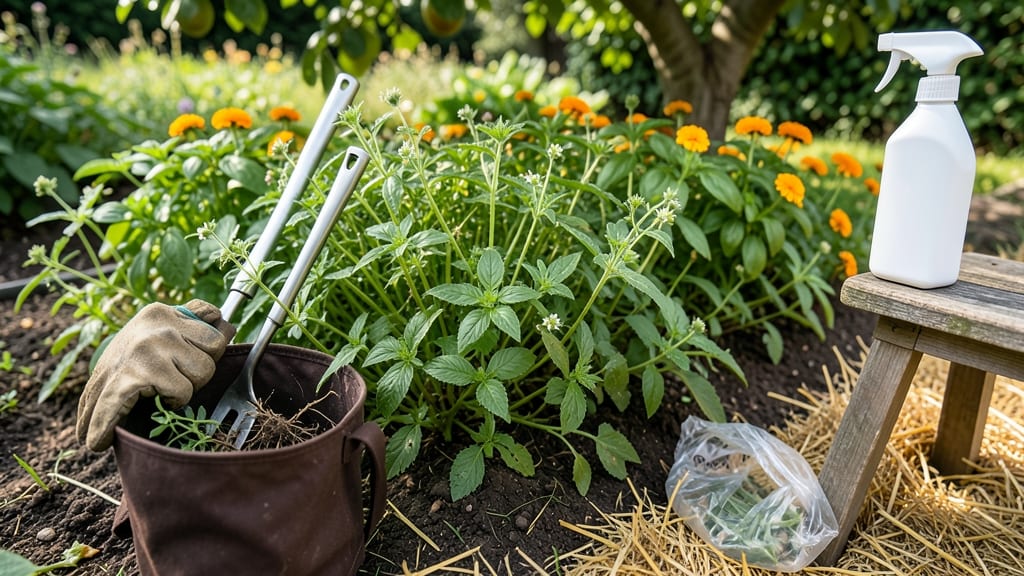
How to get rid of Galium aparine—aka cleavers—clings to your garden like a velcro nightmare. 🌱 I’ve wrestled with these stubborn vines for years, and I finally cracked the code: boiling water kills roots in minutes, saving you hours of pulling. The secret isn’t brute force—it’s heat, timing, and a little strategy. Most people waste time yanking these weeds, only to watch them regrow from deep roots. Boiling water sears the entire plant, including the root system, in under 30 seconds. You’ll need a kettle, a long-handled spoon, and a sunny day—no fancy tools required. The best part? It’s chemical-free and works on concrete, soil, or mulch. After treatment, your garden stays weed-free for weeks. The key is consistency: check for new sprouts weekly, especially after rain. I’ve used this method in my raised beds, and the difference is night-and-day—no more sticky vines ruining my harvest. Works for sidewalks, garden beds, and even cracks in pavement. Let’s tackle this invader for good—your garden will thank you.
Root Causes of Galium Aparine
If you’ve ever found your garden or lawn infested with Galium aparine—commonly known as cleavers or stickyweed—you’re not alone. This tenacious plant thrives in certain conditions, making it a persistent nuisance.
Understanding why it takes over helps you tackle it effectively. Let’s break down the key reasons behind its stubborn presence.
One of the biggest reasons Galium aparine is so hard to eradicate is its explosive seed dispersal. Each plant can produce hundreds of tiny, barbed seeds that latch onto clothing, animal fur, and even machinery.
When these seeds detach, they’re ready to germinate in disturbed soil—whether from tilling, foot traffic, or animal movement. A single plant can create a full-blown infestation in just a few growing seasons if left unchecked.
Why it matters: Unlike many weeds, cleavers don’t rely on wind or water for spread—they hitchhike on anything that moves. This makes containment nearly impossible without proactive measures like regular soil disturbance monitoring and prompt removal.
Galium aparine is a pioneer species, meaning it excels in disrupted or poorly maintained soil. It loves areas where:
- Competition is low (e.g., newly tilled gardens, construction sites, or overgrazed pastures).
- Sunlight reaches the ground (it prefers partial shade but grows aggressively in gaps created by thinning plants or mulch breakdown).
- Organic matter is present (it decomposes quickly, enriching the soil and encouraging more growth).
If your lawn or garden has bare patches, freshly turned earth, or weak ground cover, cleavers will seize the opportunity to dominate.
Pro tip: 💡 Galium aparine struggles to compete with dense, healthy vegetation. A thick lawn or mulched garden acts as a natural barrier—starving it of the light and space it craves.
This weed is a cool-season opportunist, meaning it germinates and grows best in:
- Moist, well-drained soil (it despises waterlogged conditions but wilts in drought).
- Temperatures between 50°F and 70°F (ideal for seed germination and rapid growth).
- High humidity (the sticky hairs on its stems thrive in damp environments, making it even harder to remove).
If your climate features mild winters and wet springs, you’re in the Galium aparine sweet spot. Once established, it can persist year-round in temperate zones, especially in shaded or partially shaded areas.
Watch out: 🌡️ If you’ve noticed cleavers popping up after recent rain or spring thaw, that’s your cue to act fast—seeds germinate within days and spread before you can blink.
While Galium aparine isn’t a soil-depleting weed like some others, it benefits from imbalanced ecosystems. For example:
- Over-fertilized lawns (excess nitrogen encourages rapid growth, giving cleavers an edge over slower-growing grasses).
- Lack of beneficial microbes (healthy soil fungi and bacteria suppress weeds naturally; disturbed or chemically treated soil loses this protection).
- Absence of natural predators (deer and some insects may nibble on it, but they’re rarely enough to control large infestations).
If your soil is nutrient-poor, compacted, or lacking diversity, cleavers fill the void like a weed-shaped vacuum.
Solution insight: ✨ Galium aparine weakens when soil health improves. Composting, cover cropping, and reducing synthetic fertilizers can tip the balance back in your favor.
Now that you know why this weed takes over, the next step is learning how to stop it in its tracks—starting with the boiling water hack that kills roots fast. Stay tuned!
Eradicate Cleavers Naturally & Fast
Now that you understand why Galium aparine (cleavers) invades your garden, it’s time to tackle it head-on with proven, practical solutions. Whether you’re dealing with a small patch or an overrun yard, these methods will help you reclaim your space—without harsh chemicals.
Below, we’ve mapped common causes to targeted fixes, plus prevention tips to keep those sticky seeds at bay.
---
Cause: Young plants or small infestations. Fix: Grab your gloves and get hands-on!
1. 👨🍳 Pull When Wet – After rain or watering, cleavers are easier to uproot. Grasp the base (where the roots meet the soil) and tug firmly. The entire plant should come out—roots and all. - Pro Tip: 💡 Wear long sleeves and gloves.
Cleavers’ hooked hairs cling like Velcro and can irritate skin.
2. 🔪 Mow or Trim Repeatedly – If pulling isn’t feasible (e.g., large lawns), mow the area weekly during growing season. This weakens the plants and prevents seed production. - Warning: ✨ Avoid bagging the clippings—discard them in sealed trash to stop seed spread.
3. 🌱 Solarize the Soil (For Stubborn Spots) – If cleavers persist, cover the area with clear plastic sheeting for 4–6 weeks in peak summer sun. The trapped heat kills roots and seeds. - How-To: Secure edges with soil or bricks; water lightly before covering to trap moisture.
---
Cause: Deep-rooted cleavers or thick patches. Fix: This 5-minute method kills plants and roots without chemicals.
1. ⏰ Timing Matters – Apply on a dry, sunny day when soil is warm. Cleavers absorb water quickly, so act fast! 2. 🔥 Boil & Pour – Fill a 1-gallon watering can or kettle with boiling water. Pour directly over the cleavers until the soil is steaming.
3. 🌡️ Repeat Weekly – For dense patches, treat every 5–7 days until no green regrowth appears. - Bonus: 💡 This method also works for dandelions and crabgrass!
--- Cause: Seeds lingering in soil or recurring growth. Fix: Cut off sunlight and nutrients to break the cycle.
| Method | How to Do It | Best For | |--------------------------|---------------------------------------------------------------------------------|-------------------------------| | Cardboard Mulch | Lay double-layered cardboard (no tape/inks) over the area, then top with 4+ inches of mulch (wood chips, straw). | Garden beds, flower borders. | | Black Plastic | Cover the soil with thick black plastic for 3–4 months to solarize. | Lawns, driveways, pathways. | | Living Mulch | Plant dense ground covers like clover or creeping thyme to outcompete cleavers. | Perennial gardens, slopes. |
--- Once you’ve cleared the invaders, prevent regrowth with these habits:
- 🌱 Clean Up Debris – Remove plant matter from your yard immediately after mowing or pulling weeds. Even small fragments can sprout. - 🚫 Avoid Overwatering – Cleavers thrive in moist soil.
Water deeply but infrequently to discourage growth. - 🔄 Rotate Garden Beds – Plant cleaver-resistant crops (like corn or beans) in infested areas to disrupt their lifecycle. - 🐝 Encourage Natural Predators – Birds (like sparrows) and insects (e.g., weevils) feed on cleaver seeds.
Leave some wild areas for wildlife to help control populations.
--- If cleavers cover more than 20% of your lawn/garden or return yearly despite your efforts, consider: - 🌿 Vinegar Spray (30% acetic acid) for spot treatment—but test on a small area first (can harm nearby plants). - 💊 Pre-Emergent Herbicides (like corn gluten meal) to block seed germination in spring. - 🚜 Professional Help – For large properties, a landscaper can assess and treat with targeted solutions.
Frequently asked questions
Why does boiling water work better than pulling cleavers by hand?
Boiling water kills the entire plant including deep roots in seconds, while pulling often leaves stubborn root fragments behind that regrow. The heat also sterilizes the soil around the roots, preventing new sprouts. For stubborn patches, this method saves hours of repeated pulling—just pour and wait!
Can I use vinegar instead of boiling water to kill cleavers?
Yes, but with caution! A 30% acetic acid vinegar solution (1 part vinegar to 1 part water) works best when applied directly to the leaves on a sunny day. However, it may harm nearby plants, so spot-test first. For large areas, boiling water is safer and more effective.
How do I prevent cleavers from spreading to other parts of my garden?
Remove all plant matter immediately after treatment—don’t compost it! The barbed seeds cling to clothing, tools, and pets, so wash everything thoroughly. For extra protection, lay down cardboard mulch in treated areas to block sunlight and prevent new seeds from germinating.
Will solarization work in shady areas where cleavers grow?
Solarization requires direct sunlight to generate enough heat (above 104°F) to kill roots. In shady spots, try the boiling water method instead, or use a combination of mulching and regular pulling. Cleavers in shade are often harder to eradicate but respond well to consistent heat treatments.
Are there any natural predators that can help control cleavers?
Yes! Birds like sparrows and some insects (such as weevils) feed on cleaver seeds. Planting native wildflowers or leaving small wild areas can attract these helpers. However, they won’t eliminate an infestation alone—combine them with manual removal for best results.