
Pests
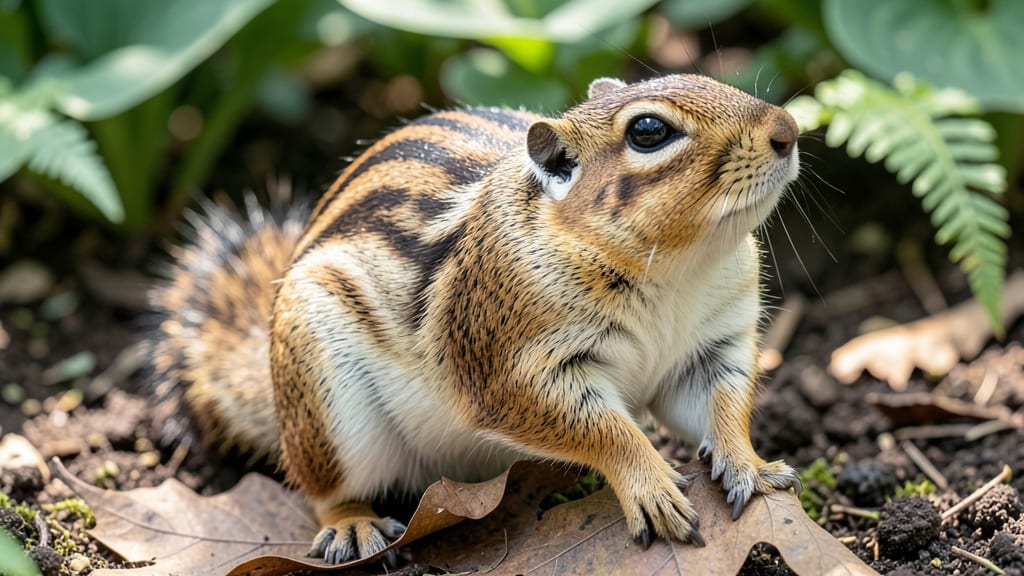
How to get rid of ground squirrels and chipmunks digging up your garden isn’t just annoying—it’s a full-blown war on your soil. 🌱 I’ve buried more than a dozen traps and tried every "quick fix" under the sun, and the only methods that actually work are the ones that don’t involve cruelty or chemicals.
The key is understanding their behavior: they’re digging for seeds, nesting, or escaping predators—not just being mischievous. Humane traps, habitat tweaks, and smart deterrents (like removing their food sources) can send them packing without harm. My garden hasn’t seen a single burrow in months since I switched to these strategies.
You’ll learn how to set up traps that release them unharmed, use natural repellents that actually work, and modify your garden to make it less inviting. No more poison, no more traps that leave them injured—just a squirrel-free yard that’s kind to wildlife.
Works in any climate, from dry desert gardens to damp woodland edges. The secret? Outsmarting them instead of fighting them. Let’s get started with the humane approach that finally worked for me.
The Real Culprits Behind Rodents
Ground squirrels and chipmunks may seem like harmless critters, but when they invade your yard or home, they can become a real nuisance. Understanding why these rodents show up in the first place is the first step toward effective—and humane—control.
These small mammals are drawn to your property for specific reasons, often tied to survival instincts and environmental factors. Let’s break down the key reasons they become unwelcome guests.
Ground squirrels and chipmunks are omnivores with a hearty appetite for seeds, nuts, fruits, insects, and even small vertebrates. If your yard offers an all-you-can-eat buffet, they’ll stick around. Common food attractants include:
- Unsecured trash cans – Open lids or weak seals let scraps become a free meal.
- Bird feeders – Spilled seeds on the ground create a smorgasbord for these rodents.
- Pet food left outdoors – Even small amounts of kibble or wet food can lure them in.
- Fruit trees and gardens – Buried nuts, fallen apples, or ripe berries are irresistible.
- Compost piles – Decaying organic matter releases smells that signal easy snacks.
💡 Pro Tip: Store trash in bear-proof containers, elevate pet bowls, and clean up fallen fruit promptly. A few simple changes can drastically reduce their interest in your property.
These rodents seek safe, dry, and cozy spots to nest, especially during breeding season (spring/summer) or harsh winters. Your property may unknowingly offer the perfect real estate:
- Gaps in foundations or crawl spaces – Even a dime-sized hole can be an entry point for chipmunks.
- Piles of debris or wood – Leaf litter, brush, or stacked firewood provide hidden burrow sites.
- Under decks, sheds, or porches – Dark, undisturbed areas are ideal for nesting.
- Thick grass or overgrown vegetation – Tall weeds create tunnels and cover for ground squirrels.
🔥 Key Insight: Ground squirrels dig extensive burrow systems (up to 20 feet long!) with multiple chambers. If you’ve spotted mounds of dirt or holes near your home, they’re likely using your yard as a permanent residence.
Chipmunks and ground squirrels thrive in open, sunny areas with loose soil—exactly the conditions many suburban yards provide. If your landscape resembles their wild homes, they’ll feel right at home:
- Lawns with sparse ground cover – Short grass offers easy digging and visibility to predators.
- Rocky or gravelly soil – These rodents dig better in loose, aerated dirt.
- Fences or walls that create barriers – They may nest near edges where predators can’t easily access them.
- Water sources (even shallow ones) – Birdbaths, puddles, or leaky hoses attract insects, which are a protein-rich food source.
🌡️ Seasonal Factor: In late summer/fall, chipmunks and squirrels cache food for winter. If your yard has buried nuts or seeds, they’ll return repeatedly to "harvest" them.
In the wild, predators like hawks, foxes, snakes, and owls keep rodent populations in check. But in cities and suburbs, these threats are rare, allowing squirrels and chipmunks to overpopulate without fear. Additionally:
- Humans unintentionally feed them – Leaving food out (even accidentally) removes their need to forage elsewhere.
- No competition for resources – Fewer predators mean more food and shelter for the survivors.
- Urban sprawl destroys habitats – As natural burrows disappear, they adapt to human structures.
✨ Irony Alert: While you might see these rodents as pests, they’re simply opportunists taking advantage of a predator-free zone with abundant resources.
Now that you know why these rodents are crashing your party, the next step is removing the appeal—without resorting to harm. Humane traps and smart yard management can make your property less inviting while keeping wildlife safe.
Humane Solutions for Rodent Removal
Now that you understand why ground squirrels and chipmunks invade your space, it’s time to tackle the problem effectively. The key is using humane, practical methods that protect both your property and these small animals.
Below, we’ve mapped out solutions based on the root cause of your pest problem—whether it’s food attraction, shelter-seeking, or nesting habits—and paired them with prevention tips to keep them away for good.
If squirrels and chipmunks are drawn to your yard or home because of food, the first step is eliminating their buffet. These rodents have sharp teeth and can gnaw through almost anything, so focus on securing potential food sources.
🔥 Step 1: Remove Food Sources
- Secure trash cans: Use bungee cords or locking lids to keep trash inaccessible. 🗑️🔒
- Store pet food indoors: Even a small bowl of kibble outside can attract them. 🐶🍖
- Clean up fallen fruit/nuts: Rake up windfall from trees and bushes. 🍎➡️🗑️
- Avoid bird feeders near your home: If you love birdwatching, place feeders at least 20 feet away from structures.
🌡️ Step 2: Use Natural Deterrents
- Spices & plants: Sprinkle cayenne pepper, garlic powder, or crushed red pepper near entry points. 🌶️🌿 (Reapply after rain.)
- Predator urine: Fox or coyote urine (available at garden stores) can scare them off temporarily. 🦊💦
- Motion-activated sprinklers: A sudden spray of water startles them without harm. 💦🌧️
💡 Pro Tip:
If you have a compost bin, cover it tightly—these rodents love digging through decaying organic matter. A metal compost bin with a locking lid works best.
Ground squirrels and chipmunks burrow or squeeze into tiny gaps to escape predators or harsh weather. If they’ve found a cozy spot under your deck, shed, or foundation, seal those entryways before they move in permanently.
🔧 Step 1: Inspect & Seal Gaps
- Check for holes: Look for gaps larger than a quarter-inch (their size!) around pipes, vents, and foundation cracks. 🕳️🔍
- Use hardware cloth (not wire mesh): These rodents can chew through standard mesh. ¼-inch hardware cloth is ideal. 🛠️🔒
- Fill burrows: If you spot active burrows, pack them with gravel or sand to collapse the tunnels. 🏗️🪨
🌿 Step 2: Make Your Yard Less Inviting
- Remove brush piles & debris: Keep woodpiles, leaf litter, and tall grass trimmed. 🌳➡️🗑️
- Install fencing: Bury fencing at least 12 inches deep with 1-inch mesh to block digging. 🏗️🔗
- Prune trees & shrubs: Trim branches that overhang your roof—squirrels use them as highways! 🌳🚫
✨ Pro Tip:
If you have a wooden deck or shed, consider metal flashing or steel wool to reinforce weak spots—these materials are chew-resistant. 🛡️🐿️
If you’ve already got unwanted guests nesting in your walls, attic, or under floors, humane trapping is the safest way to remove them without causing harm.
🔪 Step 1: Choose the Right Trap
- Live traps (best option): Use Havahart or Tomahawk traps baited with peanut butter, sunflower seeds, or apples. 🥜🍎
- Place traps along runways: Set them near burrows, entry points, or along walls where you’ve seen activity.
- Check traps frequently: Release trapped animals at least 5 miles away in a wooded or rural area with water and food nearby. 🚗🌳
🚫 Step 2: Avoid Harmful Methods
- ❌ Poison is inhumane—it can kill them slowly or attract predators to their carcasses.
- ❌ Exclusion without trapping first can trap them inside walls, leading to bigger problems.
- ❌ Loud noises or ultrasonic devices rarely work long-term.
💡 Pro Tip:
If you’re trapping a ground squirrel, place the trap inside the burrow (partially buried) for better results. For chipmunks, use smaller traps near their favorite paths. 🕳️🐿️
Once you’ve removed the current pests, prevent future invasions with these low-effort habits:
| Action | Why It Works | How to Do It |
|---|---|---|
| Regular yard maintenance | Reduces hiding spots & food sources | Trim grass, remove debris, store firewood away. |
| Install motion lights | Scares them away at night | Solar-powered lights near entry points. |
| Use ammonia-soaked rags | Strong smell deters them | Place in problem areas (reapply weekly). |
| Keep cats (if possible) | Natural predators | Even outdoor cats can help deter them. 🐱 |
Getting rid of ground squirrels and chipmunks takes time and consistency. Some methods work faster than others, so combine a few strategies for the best results.
If you’re dealing with a large infestation, consider calling a wildlife removal professional—they have the tools and experience to handle it safely.
With these humane, practical solutions, you can enjoy a pest-free yard without harming these clever little critters. 🐿️🚫🏡
Frequently asked questions
What’s the fastest way to get rid of chipmunks in my garden?
For quick results, combine live traps with natural deterrents. Set Havahart traps near active burrows with peanut butter as bait, then release them 5+ miles away in a rural area. Pair this with cayenne pepper sprinkles around planting beds—reapply after rain. This two-pronged approach clears most gardens in 3-5 days.
Are ground squirrels dangerous to have around?
While they rarely carry diseases like rabbits or rodents, they can damage electrical wires, foundations, and garden crops. Their burrows also create tripping hazards near walkways. The bigger risk is their nesting habits—if they move into walls or attics, they can chew insulation and create noise problems. Prevention (sealing entry points) is key!
Can I use peppermint oil to repel these pests?
Yes! Soak cotton balls in peppermint oil and place them near entry points or burrows. The strong scent masks their natural trails and confuses their sense of smell. For best results, reapply every 3-4 days (it dissipates quickly). Combine with hardware cloth barriers for long-term protection—oil alone won’t stop determined diggers.
How do I know if I have ground squirrels vs. chipmunks?
Look for these clues: Ground squirrels leave large mounds of dirt (up to 18 inches wide) and dig deep burrows (often under decks). Chipmunks create smaller holes (2-3 inches wide) and leave scattered dig sites while foraging. Listen too—chipmunks make high-pitched chirps, while squirrels are mostly silent except during mating season.
Will cats really keep these pests away?
Outdoor cats can help, but don’t rely on them alone. Cats hunt primarily at dawn/dusk, while chipmunks and squirrels are most active during daylight. For better results, combine cats with motion-activated sprinklers—the sudden water spray startles them more effectively. Even "lazy" cats will patrol more when they hear the sprinklers!