
How To
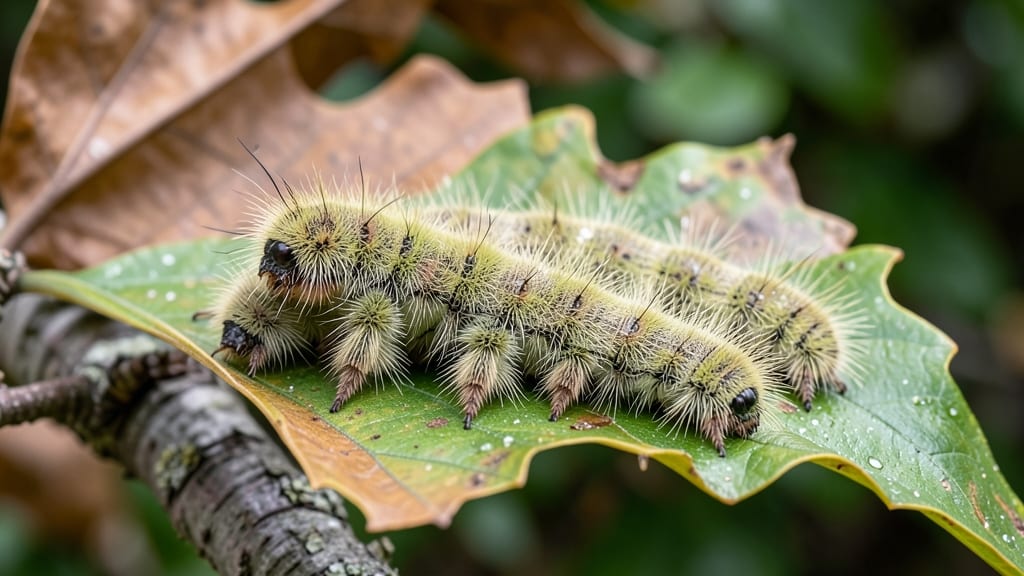
How to get rid of gypsy moth caterpillars naturally—before they turn your lush leaves into skeleton branches overnight. 🌿 I’ve watched entire trees stripped bare in just days—until I discovered these smothering barriers that work without harsh chemicals. The key is disrupting their feeding patterns while protecting your plants naturally.
These fuzzy green invaders aren’t picky—they’ll devour anything from oaks to fruit trees. The damage starts small: tiny holes in leaves that multiply until only veins remain. But the good news? Physical barriers like row covers or burlap wraps create a simple, chemical-free defense that actually works when timed right.
By late spring, you’ll see caterpillars retreat from treated branches, leaving your plants to regrow vibrant green foliage. The best part? These methods protect pollinators while keeping your garden thriving—no residue, no harm to beneficial insects.
Works in backyards, orchards, or even container gardens. Here’s how to set up your first barrier this season without the guesswork.
Root Causes of Gypsy Moth Outbreaks
Gypsy moth caterpillars don’t just appear out of nowhere—they thrive because of specific conditions that create the perfect storm for their population explosion. Understanding these root causes helps you predict, prevent, and combat infestations before they spiral out of control.
Here’s why these leaf-munching pests become a nuisance in the first place.
Gypsy moths (Lymantria dispar) are generalists—they’ll feast on over 500 plant species, but they have a preference for oak, aspen, birch, and maple trees.
When forests become fragmented (due to urban sprawl, logging, or land development), isolated trees with weak defenses become easy targets. Here’s how it plays out:
- Stressed trees attract more caterpillars: Trees weakened by drought, disease, or poor soil nutrition produce leaves with lower tannin levels, making them less toxic and more palatable to gypsy moths.
- Edge effects: Trees at the edges of forests (where sunlight and wind increase) grow faster but often lack the defensive compounds found in shaded forest interiors.
- Monoculture plantings: Landscapes with large blocks of the same tree species (like oak groves) create a buffet for gypsy moths, allowing caterpillars to devour entire canopies quickly.
Pro tip: 🌿 If you’re landscaping, mix tree species to disrupt their feeding patterns. Native shrubs like sumac or hazelnut can also act as natural barriers.
Gypsy moths are cold-sensitive—their populations crash in harsh winters when egg masses freeze or larvae die off. But with rising global temperatures, their range is expanding northward and upward into higher elevations. Here’s the science:
- Milder winters = more survivors: Eggs laid in late fall often enter a diapause (a dormant state), but if temperatures stay above 14°F (-10°C) for extended periods, 90%+ of eggs hatch the next spring.
- Longer growing seasons: Warmer springs kickstart caterpillar hatching 2–4 weeks earlier, giving them more time to feed and pupate before winter.
- Urban heat islands: Cities stay warmer than rural areas, creating microclimates where gypsy moths thrive even in regions where they once struggled.
Pro tip: 🌡️ Monitor local weather trends—if your area is seeing fewer sub-zero nights, brace for worse outbreaks. Install weather stations or check USDA gypsy moth tracking maps for early warnings.
In their native Europe, gypsy moths are kept in check by parasitic wasps, birds, and fungal diseases. But in North America, they’ve escaped their natural predators, leading to unchecked growth. Human actions have also tipped the scales:
| Predator | How It Helps | Why It’s Declining |
|---|---|---|
| Tachinid flies (parasitic) | Lay eggs on caterpillars; larvae burst out and kill the host. | Pesticide use (even natural sprays like Bt) can reduce fly populations. |
| Blue jays & woodpeckers | Birds target caterpillar hotspots, reducing local outbreaks. | Habitat loss and window collisions (1 billion birds/year in the U.S.) limit their impact. |
| Entomopathogenic fungi (e.g., Beauveria bassiana) | Infects caterpillars, turning them into zombie-like hosts that spread spores. | Fungal spores need high humidity—drought stress reduces their effectiveness. |
Pro tip: 🐦 Support local predators by:
- Installing birdhouses for cavity-nesting birds (like bluebirds).
- Avoiding broad-spectrum pesticides that harm beneficial insects.
- Planting native berry bushes (e.g., serviceberry) to attract insect-eating birds year-round.
Gypsy moths didn’t evolve to hitchhike across continents—but humans made it happen. Here’s how:
- Unintentional transport: Egg masses hide in firewood, nursery plants, and even vehicles. A single infested log can introduce caterpillars to a new area.
- Lack of quarantine enforcement: Some states (like Massachusetts) have strict gypsy moth regulations, but others don’t. 37 states now have established populations.
- Urban development: Clearing forests for suburbs removes natural barriers, allowing caterpillars to march into backyards.
Pro tip: 🛡️ If you move firewood or buy plants:
- Inspect bundles for grayish egg masses (the size of a nickel, fuzzy like a bear’s paw).
- Buy local, certified pest-free nursery stock.
- Report suspicious activity to your state agriculture department.
By addressing these root causes—whether through landscape design, climate awareness, or predator support—you can disrupt the gypsy moth life cycle before it becomes a full-blown infestation. The key is proactive action, not just reactive sprays.
Tactical Ways to Outsmart Gypsy Moths
Gypsy moth caterpillars may seem unstoppable, but with the right strategies, you can reclaim your yard without harsh chemicals. Below, we’ve mapped out practical, effective solutions tailored to the root causes of infestations—whether it’s overcrowded trees, eggs hiding in bark, or caterpillars munching through foliage.
Each method is designed to be easy to implement, whether you’re a weekend warrior or a gardening pro.
Gypsy moths lay eggs in cracks, crevices, and tree bark, so early intervention is key.
🔥 Scrape and Remove Egg Masses (Best in Late Fall/Winter)
- How: Use a putty knife, stiff brush, or gloved hands to scrape off egg masses (they look like fuzzy, tan blobs) from tree trunks, branches, and outdoor furniture.
- Where: Focus on smooth-barked trees (oak, birch, maple) and rough surfaces (siding, sheds, decks).
- When: November–March (before eggs hatch in spring).
Store masses in soapy water or a sealed bag to kill them. - Pro Tip: 💡 Check under loose bark—caterpillars love hiding there!
🍳 Apply Natural Diatomaceous Earth (DE) Barrier
- How: Sprinkle food-grade DE (a fine, white powder) around tree bases, lawn edges, and garden beds.
It dehydrates caterpillars on contact. - When: Spring (before hatch) and after rain (reapply every few days). - Bonus: Works on other pests like slugs and ants too!
👨🍳 Use Burlap Bands to Trap Eggs
- How: Wrap burlap bands around tree trunks in late summer/fall. Females lay eggs on them—remove and burn in spring.
- Best For: Young trees or high-value plants.
Once they hatch, physical barriers and traps can save your plants.
🥘 Cover Plants with Row Covers or Mesh
- How: Drape fine mesh netting (1mm holes) over host plants (oak, birch, apple trees) in early spring.
- When: Before caterpillars emerge (check local gypsy moth forecasts).
- Pro Tip: 🌡️ Secure edges tightly—caterpillars can squeeze through gaps!
🔪 Handpick & Drop in Soapy Water
- How: Wear gloves, shake caterpillars into a bucket of soapy water (1 tbsp dish soap per gallon).
- Best Time: Early morning (they’re sluggish and easier to spot).
- For Large Infestations: Use tweezers or a stick to dislodge them from branches.
🕷️ Encourage Natural Predators
Gypsy moths have built-in enemies—help them along!
- Birds: Install nesting boxes for blue jays, chickadees, and woodpeckers (they love gypsy moth caterpillars).
- Parasitic Wasps: Tachinid flies lay eggs on caterpillars—avoid pesticides to keep them around.
- Microbes: Bacillus thuringiensis (Bt) is a natural bacteria that kills caterpillars but harms no other wildlife.
The best defense? Stop them before they arrive.
✨ Prune & Clean Up Debris
- Why? Gypsy moths hide in leaf litter, woodpiles, and dead branches.
- How:
- Rake up leaves (especially under trees).
- Remove old tree bands, tarps, and outdoor fabrics (they love laying eggs there).
- Trim overgrown branches to improve airflow (less hiding spots).
🎯 Plant Gypsy Moth-Resistant Trees
If you’re replanting, choose less appealing hosts:
- Instead of oak/birch: Try pine, spruce, dogwood, or serviceberry.
- Bonus: Evergreens (like arborvitae) are rarely targeted.
🚫 Monitor & Act Fast
- Set up pheromone traps (like gypsy moth lure traps) to track activity.
- Check for egg masses twice a year (fall & winter).
- Act within 24 hours of spotting caterpillars—they devour leaves quickly!
Final Reminder: 🌟 Combine methods for best results—scrape eggs in winter + use DE in spring + handpick in summer. With consistency, you can keep gypsy moths at bay without chemicals!
Frequently asked questions
When is the best time of year to remove gypsy moth egg masses?
Target egg masses between November and March before they hatch in spring. Look for fuzzy, tan blobs on tree trunks, branches, and outdoor furniture. Remove them by hand or scrape with a putty knife, then dispose of them in soapy water or sealed bags.
Can diatomaceous earth harm my plants or pets?
Food-grade diatomaceous earth (DE) is safe for plants and pets when used correctly. It works by dehydrating caterpillars, not by poisoning them. Keep it dry—rain or water will reduce its effectiveness. Avoid inhaling the powder and store it away from pets until it settles into the soil.
How do I know if my trees are at high risk for gypsy moth damage?
Trees like oak, birch, aspen, and maple are prime targets. Check for sparse foliage, skeletonized leaves, or caterpillar droppings (frass) on the ground. High-risk areas include forests near urban edges, monoculture plantings, and regions with mild winters where egg survival rates are higher.
Will birdhouses actually help control gypsy moth populations?
Yes! Installing birdhouses for cavity-nesters like blue jays and woodpeckers can significantly reduce caterpillar numbers. These birds specifically target gypsy moths. Place houses in open areas near trees and avoid pesticides that might harm the birds or their food sources.
What should I do if I find caterpillars on my fruit trees?
Act immediately! Cover fruit trees with fine mesh netting (1mm holes) before caterpillars emerge. For existing infestations, handpick caterpillars and drop them in soapy water. Avoid chemical sprays near harvest time—residue can contaminate fruit. Prune and dispose of heavily infested branches.