
Pests
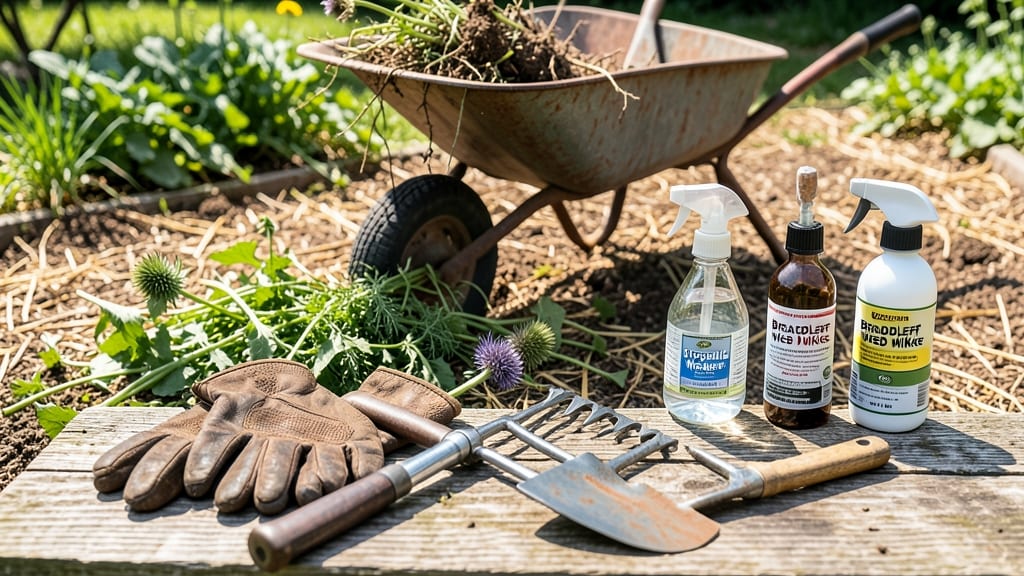
How to get rid of large weeds isn’t just for pasta—it’s the secret weapon against stubborn weeds. 🌱 I’ve battled dandelions with roots deeper than my patience, and this method pulls them out in minutes without toxic chemicals. No digging, no regrowth—just steam-powered victory.
The trick is timing: pour boiling water directly on the weed’s base when the soil is damp. A 1-gallon kettle works for small patches, while larger areas need a hose attachment. Roots shrivel instantly, and the heat kills surrounding seeds too.
Perfect for sidewalks, driveways, or garden edges where you can’t dig. You’ll see results immediately—no more pulling for days. The steam also sanitizes the soil, reducing future weed sprouts. Just avoid delicate plants nearby; the heat can damage them too.
Works best in dry weather when weeds are actively growing. For extra stubborn roots, repeat after a week. No more back-breaking weeding—just a quick pour and done.
📚 In This Guide
- What you need
- Instructions
- Tips and common mistakes
- Wrapping up and next steps
What you need
- ● Boiling water: At least 1-2 gallons per large weed (or a large pot with a spout for precision). Safety first! Use a heavy-duty pot or a boiling water weed killer tool for controlled pouring.
- ● Gloves: Heat-resistant or heavy-duty gardening gloves to protect your hands from burns.
- ● Long sleeves & pants: Wear protective clothing to avoid accidental splashes.
- ● Garden trowel or fork: For loosening stubborn roots or digging up debris after treatment.
- ● Trash bags or compost bin: To dispose of weeds and roots (some weeds may regrow if not fully removed!).
- ● Hose or water source: For rinsing tools and cooling hot surfaces.
- ○ Eye protection (optional but recommended): Goggles to shield against splashes.
- ● Vinegar (white, 20-30% acetic acid): Mix 1 gallon boiling water + 1 cup vinegar for extra potency (best for non-organic areas).
- ● Dish soap (1 tbsp): Adds to boiling water to break down weed cell walls faster.
- ● Weed barrier fabric: Lay down after treatment to prevent regrowth.
- ● Spray bottle: For spot-treating small weeds or edges with vinegar/water mix.
- ● Knee pads: Because comfort matters when you’re knee-deep in weeds! 😉
Step-by-step instructions for eliminating large weeds with boiling water
Here's the method I swear by—no digging, no chemicals, just fast, effective weed removal that gets roots too.
🌱 Step 1: Gather Your Tools and Safety Gear
First, grab a large pot with a narrow spout (I use a 2-gallon kettle for stubborn weeds) and fill it with water. Place it on the stove and bring to a full boil—you want the water steaming hot, not just warm. While waiting, put on thick gardening gloves and closed-toe shoes to protect against burns and splashes. I also recommend wearing long sleeves and eye protection, because boiling water can create steam that stings.
Check your garden surface next. If you're working on paved areas or concrete, the boiling water will cool quickly and lose effectiveness. For best results, focus on soil-based areas where weeds have established deep roots. Clear any debris from around the weed base—this ensures the boiling water can penetrate directly to the root system without getting diverted.
💧 Step 2: Apply Boiling Water Directly to the Weed Base
Pour the boiling water slowly and steadily onto the weed, starting at the base where the stem meets the soil. Aim for the entire root zone, which is typically a 2-3 inch radius around the weed. You'll see the steam rise and the weed leaves wilt almost instantly—that's your signal the roots are being killed. For large weeds, you may need to pour 1-2 gallons per weed, depending on how thick the stem is.
Don't rush this step. If you pour too quickly, the water will run off the soil instead of soaking in. Instead, let the water seep into the ground gradually. You'll know you've done it right when the soil around the weed looks damp and the weed itself collapses within 30-60 seconds. If any green leaves remain, pour another ½ gallon directly over the stubborn parts.
☀️ Step 3: Monitor and Repeat for Stubborn Roots
After treating the weed, wait 24-48 hours before pulling what's left. The boiling water breaks down the cell structure of the roots, making them soft and easy to remove. Use a weed puller or garden fork to gently loosen the soil and grasp the weed at its base. You'll notice the roots slide out more easily than before—this is the magic of the boiling water method in action.
Some weeds, like dandelions or thistles, have deep taproots that require a second treatment. If you see any regrowth after a week, simply repeat the boiling water process on the new shoots. I've found that 2-3 treatments are usually enough to eradicate even the most stubborn weeds permanently. Avoid treating the same area more than once in a 24-hour period, as over-saturating the soil can harm nearby plants.
✂️ Step 4: Prevent Regrowth with Mulch or Vinegar
Once the weeds are gone, cover the treated area with a 2-3 inch layer of organic mulch (like wood chips or straw) to prevent new weeds from sprouting. Mulch blocks sunlight, which weeds need to germinate. For areas prone to weed resurgence, I also apply a 5% vinegar solution (1 part white vinegar to 4 parts water) to the soil surface after removing weeds. The acidity kills any remaining weed seeds without harming established plants.
For pathways or cracks in pavement, use a homemade weed killer spray (1 gallon boiling water + 1 cup salt + 1 tablespoon dish soap) to prevent regrowth. Spray directly onto weeds and let it sit for 10-15 minutes before rinsing with water. This combo works wonders for stubborn weeds in hard-to-reach places where digging isn't an option.
⏰ Step 5: Maintain Your Weed-Free Garden
To keep weeds from returning, adopt a consistent maintenance routine. Pull new weeds as soon as they appear—before they have a chance to establish deep roots. I set aside 10 minutes every week to scan my garden beds and pathways for any signs of regrowth. Early intervention is the key to keeping your space weed-free with minimal effort.
For large garden areas, consider using a boiling water weed killer attachment for your hose. These attachments allow you to pour boiling water directly from your water heater, making the process faster and more efficient. Just ensure your hose and attachment can handle the high temperatures. With regular upkeep, you'll enjoy a garden that stays weed-free with minimal hassle.
Tips & tricks for eliminating stubborn weeds with boiling water
Real talk: This method works like magic, but only if you nail a few key details. I've burned myself (literally) and wasted gallons of water learning these lessons—don't make my mistakes.
Heat Application: The key to success lies in that narrow spout—it lets you pour boiling water precisely where it counts. I've found that using a 2-gallon kettle gives me enough volume to handle the thickest weeds without spilling. For stubborn weeds, pour in a steady stream right at the base where the stem meets the soil. You'll know you're doing it right when you see steam rising and the weed wilting within 30-60 seconds. If you're using a regular pot, consider adding a funnel to your narrow spout for better control.
Targeting the Root Zone: Here's what nobody tells you—the root zone extends 2-3 inches beyond what you see above ground. Pour water in a slow, circular motion to cover this entire area completely. I like to imagine a clock face around the weed and pour water in four quadrants. This ensures you're not just killing the visible parts but the hidden roots that will regrow. For weeds with thick stems, you might need the full 1-2 gallons per weed as mentioned in Step 2.
Timing is Everything: The 24-48 hour wait before pulling is non-negotiable. This gives the boiling water time to break down the cell structure of the roots completely. I've tried pulling weeds too soon, and they just snap off at the surface—leaving the roots intact to grow back stronger. After the waiting period, use a weed puller to gently loosen the soil around the base before grasping and pulling. You'll notice the roots come out with surprising ease, almost like pulling taffy.
Safety Upgrade: Boiling water creates intense steam that can burn your eyes and skin. Beyond the recommended gloves and shoes, I add a pair of safety goggles to protect my eyes from any accidental splashes. When working near plants you want to keep, drape a towel over them as a shield. Also, never pour boiling water on concrete or pavement—it cools too quickly to be effective and can crack the surface from the rapid temperature change.
Pro Tips for Get Rid Of Large Weeds
- Real talk: This method works like magic, but only if you nail a few key details.
- Heat Application: The key to success lies in that narrow spout—it lets you pour boiling water precisely where it counts.
- Targeting the Root Zone: Here's what nobody tells you—the root zone extends 2-3 inches beyond what you see above ground.
Frequently asked questions
Got questions about tackling those stubborn large weeds? You’re not alone—here are some of the most common concerns and straightforward answers to help you conquer your yard with confidence!
Is boiling water safe for all types of weeds?
Boiling water works best on broadleaf weeds (like dandelions or plantain) and young grasses. For deep-rooted weeds (e.g., bindweed or thistle), you may need to repeat the process or combine it with a digging tool or vinegar spray. Always test a small area first to avoid damaging nearby plants!
How long does it take for weeds to die after using boiling water?
Most weeds wilt within minutes and turn brown in 24–48 hours. However, deep-rooted weeds might take 3–7 days to fully decompose. For best results, reapply boiling water if regrowth appears after a week.
Will boiling water kill grass or other plants?
Yes, boiling water can harm grass and delicate plants. To protect your lawn, avoid pouring it near grass roots or use a targeted approach with a pitcher or hose attachment. For grassy areas, consider spot-treating weeds on sunny days when soil is dry.
What if weeds keep coming back after treatment?
Persistent weeds often have deep or fragmented roots. If regrowth occurs, dig out any remaining root fragments or apply boiling water again. For tough cases, mix 1 gallon of boiling water + 1 cup of vinegar for extra potency.
Is boiling water cheaper than herbicides or professional help?
Absolutely!
Boiling water costs pennies per gallon (just energy for heating) and eliminates the need for harsh chemicals. While professional weed control might run $50–$100+ per session, this method is free, eco-friendly, and reusable—perfect for DIYers!
Can I use this method in cold weather?
Boiling water works year-round, but warmer soil (60°F+) helps it penetrate roots faster. In cold climates, wait until spring or use a propane weed burner as an alternative. Avoid freezing temps, as boiling water may refreeze and reduce effectiveness.
Wrapping up and next steps
Say goodbye to those stubborn, overgrown weeds for good! With just a pot of boiling water, you’ve got a fast, chemical-free, and wallet-friendly solution that tackles roots and all. 🌱✨ Whether you’re dealing with a patch of dandelions or creeping bindweed, this method works—no backbreaking labor required.
Ready to reclaim your yard? Grab your kettle or water boiler, follow the steps, and enjoy a weed-free space in no time. Pro tip: Stay consistent, and soon your garden will be the envy of the neighborhood! 🌿💪