
How To
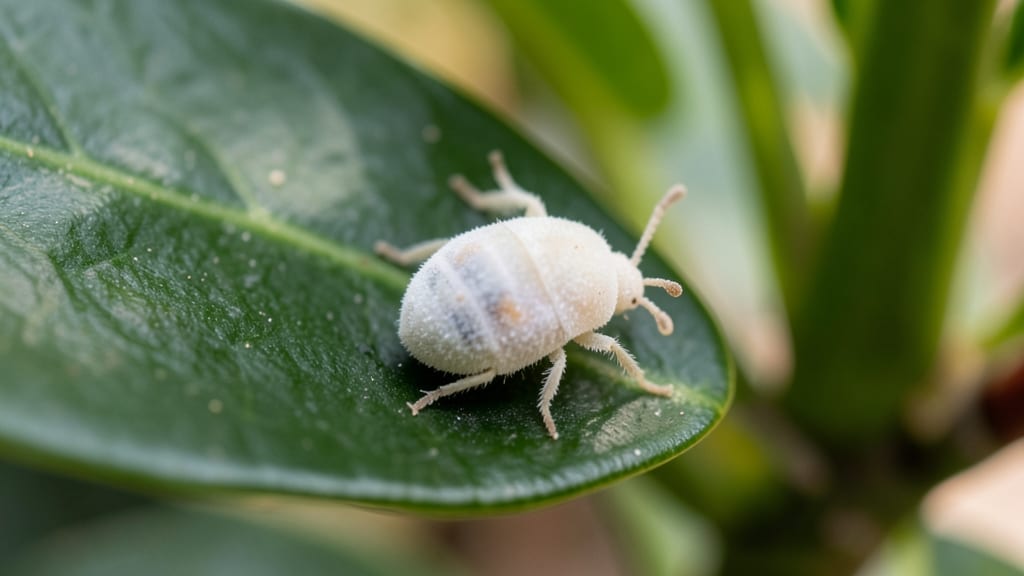
How to get rid of mealybugs on ficus—those cottony white pests can turn your plant’s leaves into a disaster overnight. 🌿 I’ve battled these invaders for years, and neem oil isn’t just another spray—it disrupts their life cycle at the root. The key? Timing, concentration, and a follow-up routine that keeps them from bouncing back. These tiny sap-suckers thrive in hidden crevices, leaving sticky residue behind. Most sprays kill adults but miss eggs. Neem oil’s active compounds smother all stages, plus it’s safe for most houseplants when used right. You’ll see results in 5-7 days if you apply it correctly—no more fluffy white clusters ruining your ficus. Start with a 1% neem oil solution (mix 1 tsp neem oil + 1 tsp mild soap + 1 quart water). Spray early morning, covering undersides of leaves where mealybugs hide. Repeat weekly until no new pests appear. The secret? Consistency—these bugs are persistent, but neem oil breaks their cycle faster than anything else. Works for all ficus varieties, from weeping figs to rubber plants. Here’s the exact spray recipe and schedule that finally cleared my last infestation—no harsh chemicals needed. Let’s tackle this step by step.
Root Causes of Mealybug Infestations
Mealybugs turning your ficus into a sticky, white nightmare? 😬 These sap-sucking pests don’t just appear out of thin air—they’re drawn to specific conditions that make your plant the perfect buffet. Understanding why they invade is the first step to kicking them out for good.
Let’s break down the science behind their sneaky behavior and how your ficus might be unknowingly inviting them in.
Mealybugs thrive when your ficus is struggling to fight back. A healthy plant has natural defenses like resin, waxy leaves, and beneficial microbes that deter pests. But when these defenses are compromised, mealybugs move in like uninvited guests at a dinner party.
- Stress from poor soil: Compacted, nutrient-poor, or overly wet soil starves your ficus, weakening its immune response.
Mealybugs detect stressed plants through volatile organic compounds (VOCs) released during stress—like a distress signal in plant language. - Over-fertilization: Too much nitrogen or synthetic fertilizers can burn roots, creating entry points for pests.
Plus, excess salts in the soil disrupt microbial balance, making your ficus an easier target. - Root rot or disease: Fungal or bacterial infections (like Phytophthora or Fusarium) create open wounds where mealybugs lay eggs. Their sticky honeydew also attracts sooty mold, further stressing the plant.
Pro Tip: 💡 Regularly check the soil pH (6.0–7.0 is ideal for ficus) and avoid "feed-and-forget" fertilizing. A quick soil test kit can reveal hidden imbalances before pests do.
Mealybugs are tropical hitchhikers—they love humidity levels above 60% and temperatures between 70–85°F (21–29°C). If your home or greenhouse mimics their natural habitat (think rainforests or citrus groves), your ficus becomes their vacation spot.
- Overwatering: Soggy soil + warm air = a mealybug paradise. Excess moisture softens plant tissues, making them easier to pierce with their stylet mouthparts (their version of a straw).
Plus, damp leaves provide the perfect nursery for their cottony egg sacs. - Poor air circulation: Stagnant, humid air traps pests near your plant.
Mealybugs spread slowly but surely via crawlers (tiny nymphs that balloon on silk threads) when conditions are ideal. - Greenhouse effect: Grouping plants too closely or using plastic covers can create a microclimate that’s too cozy for ficus—but just right for mealybugs.
Fix It: 🌡️ Use a hygrometer to monitor humidity and aim for 40–50% for ficus. Increase airflow with a small fan (set to low) or open windows during humid days.
Mealybugs are masters of opportunistic infestations, often arriving via: - New plants: That "gorgeous" ficus cutting from a nursery or friend’s collection might be a Trojan horse.
Mealybugs hide in leaf axils, stems, or even under the soil. - Contaminated tools: Pruners, pots, or even your fingers can transfer crawlers from one plant to another. Never clean tools with just water—use 70% isopropyl alcohol to kill eggs. - Outdoor exposure: If your ficus spends time outside, wind or wildlife (like ants, which love mealybug honeydew) can introduce them.
Ants don’t kill mealybugs—they farm them for food!
Prevention Tip: ✨ Quarantine new plants for 2–4 weeks and inspect them under a magnifying glass before adding them to your collection.
Mealybugs are drawn to plants with high sugar content or those weakened by chemical stress. Here’s how your care routine might be sending out an "all-you-can-eat" sign:
- Sap-rich new growth: Young, tender leaves are nutrient-dense and easier to pierce.
Mealybugs target these first, often clustering near leaf nodes or stem junctions. - Pesticide residue: Some synthetic insecticides (like neonicotinoids) can disrupt a plant’s natural defenses while leaving behind toxic traces that attract pests.
Even "organic" sprays can create imbalance if overused. - Synthetic fertilizers: Chemical fertilizers lack the beneficial microbes (like Trichoderma fungi) that help plants repel pests naturally. Without these allies, your ficus becomes an easy snack.
Solution: 🌱 Switch to organic fertilizers (like fish emulsion or worm castings) and compost tea to boost microbial activity in the soil.
Here’s a twist: ants don’t eat mealybugs—they protect them! Ants "farm" mealybugs for their honeydew, creating a symbiotic relationship that spells disaster for your ficus.
- Honeydew highway: Ants herd mealybugs to specific leaves, where they feed and excrete sticky honeydew.
This sugar-rich waste: - Attracts sooty mold (a black fungal growth that blocks sunlight). - Weakens the plant by clogging stomata (leaf pores). - Indirect spread: Ants carry mealybug eggs to new plants, turning a single infestation into an epidemic.
Break the Cycle: 🔥 Use boric acid bait stations (safe for plants, deadly for ants) or diatomaceous earth around the soil line to disrupt their "farm."
Beat Mealybugs on Ficus Fast
Now that you know why these fuzzy pests invade your ficus, it’s time to kick them out for good! The good news? With a mix of natural remedies, manual removal, and preventive care, you can restore your plant’s health without harsh chemicals.
Below, we’ve mapped out targeted solutions based on the root causes—whether it’s overcrowding, weak defenses, or hidden infestations. Let’s tackle this step by step!
Fix: Revitalize Your Ficus’ Health
Mealybugs thrive where plants are weak, so strengthening your ficus is your first line of defense.
- 🌿 Prune for Better Airflow Trim overgrown or yellowing leaves to improve circulation. Focus on dense areas where bugs hide. Pro tip: 💡 Use sterilized scissors to avoid spreading pests to other plants.
- 💧 Adjust Watering Habits Overwatering creates sticky honeydew—mealbugs’ favorite snack. Let the top 1–2 inches of soil dry between waterings.
- 🌱 Boost Nutrients Feed your ficus with a balanced, water-soluble fertilizer (half-strength) every 4–6 weeks. Look for one with phosphorus to support root health.
Fix: Manual Removal + Systemic Treatment
If mealybugs have burrowed deep, you’ll need a two-pronged attack: wipe them off and treat the roots.
- 👨🍳 Scrub Off Visible Bugs Dip a cotton swab in 70% isopropyl alcohol or soapy water (1 tsp mild dish soap per quart of water).
Gently dab clusters of mealybugs until they slide off. Warning: ⏰ Do this in the early morning or evening to avoid harming the plant in direct sunlight.
- 🌡️ Soil Drench for Root Pests Mix 1 tsp neem oil + 1 tsp insecticidal soap in a gallon of water. Pour this solution into the soil to kill larvae and eggs hiding underground.
- 🔪 Quarantine & Inspect New Plants Before adding new foliage to your collection, isolate it for 2 weeks and check for pests.
Fix: *Enhance Your Ficus’ Immunity
A healthy plant resists pests naturally. Here’s how to supercharge its defenses:
- 🍎 Spray with Neem Oil (The Game-Changer) Mix 1 tbsp neem oil + 1 tsp mild soap in a quart of water. Spray every 5–7 days until mealybugs disappear.
Neem disrupts their life cycle** and deters future infestations. Pro tip: ✨ For extra potency, add 1 tsp garlic oil (natural repellent).
- 🌿 Introduce Beneficial Insects Release ladybugs or cryptolaemus beetles (available at garden centers). They devour mealybugs without harming your plant.
- 🎯 Strengthen with Hydrogen Peroxide (Optional) Mix 1 tbsp 3% hydrogen peroxide in a cup of water and spray leaves weekly to boost microbial activity in the soil.
Fix: Nuclear Option for Tough Cases
If mealybugs keep coming back, it’s time for aggressive (but plant-safe) measures:
- 🌡️ Heat Treatment (For Severe Cases) Place your ficus in a closed car (parked in sunlight) for 4–6 hours. The heat kills eggs and adults without chemicals. Caution: ⚠️ Monitor closely—some plants may wilt. Test on a small branch first.
- 🍄 Replace Infested Soil If the problem is root-bound, repot your ficus in fresh, sterile potting mix to eliminate hidden pests.
- 🛡️ Prevent Future Outbreaks
- 🌿 Wipe leaves with a neem oil-soaked cloth monthly.
- 🚫 Avoid over-fertilizing (too much sugar attracts pests).
- 🏡 Keep humidity in check (40–50% is ideal for ficus).
| Problem | Fast Solution |
|---|---|
| Honeydew buildup | Wipe with a damp microfiber cloth + spray water + rubbing alcohol (1:1). |
| New plant quarantine? | Spray soapy water before bringing indoors. |
| No time for sprays? | Stick tack traps (place near the plant to catch crawling bugs). |
Final Thought: 🌟 Consistency is key! Mealybugs reproduce fast, so stick to your treatment plan for at least 3–4 weeks—even if you don’t see them anymore. With these methods, your ficus will be pest-free and thriving in no time!
Frequently asked questions
Can I use dish soap alone to kill mealybugs on my ficus?
Yes, but it’s most effective as part of a soapy water spray (1 tsp mild dish soap per quart of water). Shake well and spray directly on infested areas, focusing on leaf undersides and crevices. The soap suffocates the bugs, but for best results, combine it with a neem oil treatment to break their life cycle. Reapply every 3-5 days until no new pests appear.
How do I know if mealybugs are hiding in the soil?
Check for tiny white clusters or cottony fibers near the base of the plant or along the soil surface. For a deeper inspection, gently sift through the top 1-2 inches of soil—you might spot crawlers (baby mealybugs) or their eggs. If you suspect hidden pests, do a soil drench with neem oil mixed with water to kill larvae before they hatch.
Will neem oil harm my ficus if I use too much?
Neem oil is safe when used correctly, but never exceed 1 tbsp per quart of water or apply more than once every 5-7 days. Overuse can stress the plant. Always mix with a drop of mild soap to help it stick to leaves. If your ficus shows signs of distress (yellowing leaves, wilting), rinse with plain water and reduce frequency.
How long does it take to see results after treating mealybugs?
You’ll typically notice visible improvements within 5-7 days of consistent treatment, but complete eradication can take 3-4 weeks since mealybugs reproduce quickly. Keep treating until you see no new pests for at least 2 weeks—this ensures you’ve caught all life stages (eggs, nymphs, and adults).
Can I use the same spray bottle for neem oil and soapy water?
No, it’s best to use separate containers. Soapy water can leave residue that may clog spray nozzles over time, and mixing neem oil with soap requires specific ratios. For safety, dedicate one spray bottle to neem oil solutions and another to soapy water. Clean both thoroughly with warm, soapy water between uses to prevent contamination.