
Pests
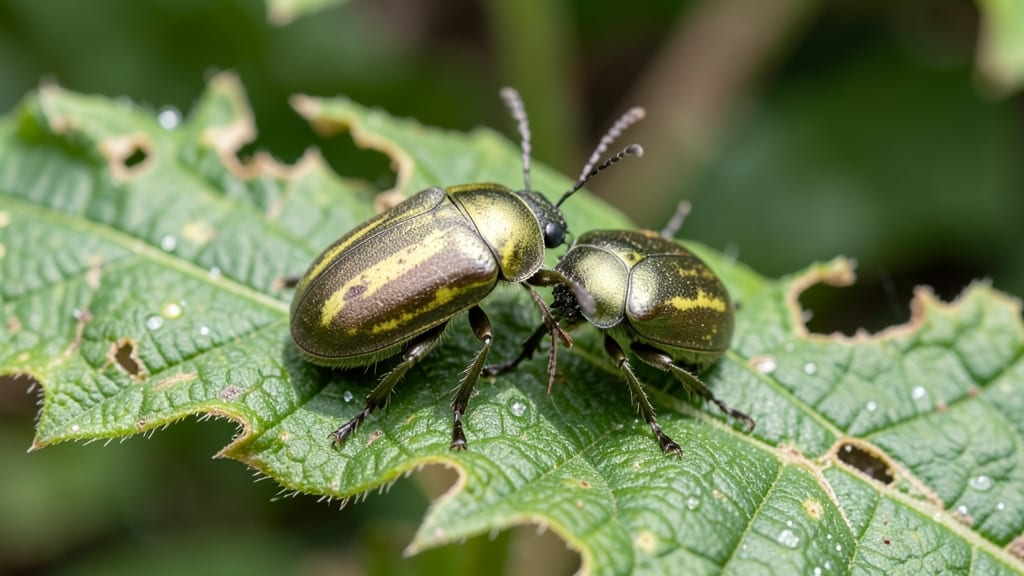
How to get rid of Mexican bean beetles—they can strip your plants bare in days. ✨ I’ve lost entire rows of beans to these yellow-and-black striped invaders, but I’ve also learned how to fight back without harsh chemicals—starting with the simplest tools in your garden.
The first line of defense is hand-picking—they’re slow but relentless. Check plants daily, especially in the morning when they’re sluggish, and drop them into soapy water. Row covers work too, blocking adults before they lay eggs, though you’ll need to remove them during flowering for pollination.
With consistent effort, you’ll see fewer skeletonized leaves and more pods by harvest time. The key is catching them early—before they multiply—and combining methods for lasting protection. Your beans will thank you.
Works for all bean varieties, from bush to pole, and fits any garden size. Let’s get those beetles under control before they ruin your crop.
Root Causes of Mexican Bean Beetles
Mexican bean beetles (Epilachna varivestis) aren’t just random visitors to your garden—they’re drawn by specific conditions that turn your bean plants into their all-you-can-eat buffet. Understanding these triggers is the first step to outsmarting them.
Here’s why these striped invaders show up uninvited and how your garden might be sending the welcome mat.
Mexican bean beetles have a very specific menu: they only dine on plants in the Fabaceae family, which includes beans, peas, clover, and soybeans. If your garden is a patchwork of these crops—especially green, bush, or snap beans—you’ve essentially hung out a neon sign for them.
Even nearby wild plants like Desmodium (tick trefoil) or Melilotus (sweet clover) can serve as overwintering hotspots, allowing adults to emerge earlier in the season.
Why it matters: A single female beetle can lay up to 400 eggs in her lifetime, and her offspring will devour your plants in days. If you’ve ever lost an entire row of beans to skeletonized leaves, this is likely the culprit.
Mexican bean beetles are cold-sensitive but thrive in warm, dry conditions. Here’s how temperature plays a role:
- Overwintering adults: They hide in leaf litter, mulch, or garden debris during winter and re-emerge when soil temps hit 50°F (10°C).
- Egg-laying peak: Females prefer to lay eggs on the undersides of leaves when daytime temps are between 70–85°F (21–29°C).
- Larvae explosion: Eggs hatch in 4–7 days under ideal heat, and larvae (the real leaf-munching machines) grow fastest in warm, sunny conditions.
If your summer brings consistent heat waves, you’ll see beetle populations skyrocket—sometimes in just 2–3 weeks from egg to adult.
In nature, Mexican bean beetles face a toothy opposition—birds, spiders, ladybugs, and parasitic wasps (like Pediobius foveolatus) keep their numbers in check. But if your garden lacks:
- Diverse plantings: Monocultures (like rows of only beans) offer no hiding spots for predators.
- Ground cover: Beetles avoid areas with thick mulch or grass, where predators like ground beetles patrol.
- Water sources: Birds and beneficial insects need shallow dishes of water to survive alongside your crops.
Result? Without these checks and balances, beetle populations explode unchecked. 🐞💥
Mexican bean beetles are not native to North America—they hitched a ride from Mexico in the early 1900s via contaminated plant shipments. Today, they spread through:
- Infested plants: Buying or trading bean starts, seeds, or even soil from infected gardens.
- Wind and hitchhiking: Adults fly up to 1 mile (1.6 km) daily, and larvae can cling to clothing or tools.
- Urban sprawl: As suburbs expand into rural areas, beetles find new bean patches to colonize.
Once established, they’re nearly impossible to eradicate—so prevention (and early action) is key.
Pro Tip: 🔍 Scout your plants weekly—especially after warm spells. Catching eggs (tiny yellow domes on leaf undersides) or larvae (orange, spiky caterpillars) before they pupate can save your harvest!
Tactical Ways to Eliminate Mexican Bean Beetles
Mexican bean beetles may be a nuisance, but with the right strategies, you can reclaim your garden without resorting to harsh chemicals. Below, we’ve mapped out practical, organic solutions tailored to the root causes of these pests—from early detection to long-term prevention.
If you’ve spotted clusters of yellow-and-black beetles or skeletonized leaves, manual removal is your first line of defense.
- 👨🍳 When to act: Early morning or late evening, when beetles are sluggish. - 🔪 How to do it: Use a gloved hand or a tweezers to pluck adults and larvae off plants.
Drop them into soapy water to kill them instantly. - ⏰ Frequency: Repeat daily for 3–5 days during outbreaks to break their life cycle.
Pro tip: 💡 Wear bright clothing—beetles are attracted to dark colors, so light hues make them easier to spot!
Prevent beetles from reaching your plants in the first place with floating row covers (made of lightweight fabric).
- 📏 How to set up: Secure covers over bean plants before beetles appear (early spring).
Use stakes or hoops to keep them in place. - 🌱 When to remove: Lift covers during pollination (if growing bush beans) or leave them on for pole beans (they self-pollinate). - 🔄 Reuse tip: Wash covers with vinegar water (1:1 ratio) to remove debris and pests between seasons.
Warning: ⚠️ Avoid plastic sheets—they trap heat and can harm plants.
For larger infestations, homemade sprays disrupt beetles’ feeding habits without toxicity.
| Spray Recipe | How to Use | Effectiveness |
|---|---|---|
| Neem Oil | Mix 1 tsp neem oil + 1 tsp dish soap + 1 quart water. Spray every 3–5 days. | Stops feeding, disrupts eggs. |
| Garlic Pepper Spray | Blend 4 garlic cloves + 1 tsp cayenne + 1 quart water. Strain and spray daily for 3 days. | Repels beetles with strong scent. |
| Soap Spray | Combine 1 tbsp castile soap + 1 quart water. Spray directly on beetles (avoid flowers). | Kills on contact (reapply after rain). |
Pro tip: 🌡️ Apply sprays in the evening to avoid harming bees and other pollinators.
Plant repellent companions near beans to mask their scent and deter beetles.
- 🌿 Best allies:
- Marigolds (release limonene, a natural insect repellent).
- Nasturtiums (trap beetles away from beans).
- Radishes (attract beetles to themselves instead).
- 🚫 Avoid planting near: Cucumbers or squash—beetles may target these too.
Bonus: 🎯 Interplant rows every 2–3 feet to maximize coverage.
The best defense? Break their cycle with these habits:
- 🌱 Rotate crops: Avoid planting beans in the same spot yearly (beetles overwinter in soil).
- 🍂 Clean up debris: Remove fallen leaves and plant residue in autumn to eliminate hiding spots.
- 🐝 Encourage predators: Attract ladybugs, lacewings, and parasitic wasps with dill, fennel, or yarrow.
- 🌱 Choose resistant varieties: Try ‘Zapallo’ or ‘Henderson’ beans—they tolerate beetle damage better.
Final tip: ✨ Monitor weekly—catch infestations early when they’re easiest to control!
By combining hand-picking, row covers, natural sprays, and smart planting, you’ll keep Mexican bean beetles at bay while keeping your garden thriving. No chemicals, no guesswork—just effective, organic action.
Frequently asked questions
How do I tell Mexican bean beetles apart from ladybugs?
Mexican bean beetles are yellow with 16 black spots (not red/orange), and they’re larger—about 1/3 inch long. Ladybugs have rounded bodies with 6 spots or fewer, while these beetles have elongated bodies and striped black legs. Check the underside of leaves—beetles cluster there, while ladybugs hide in crevices.
Will neem oil harm my bean plants if I spray it too much?
Neem oil is safe when used correctly, but overuse can stress plants. Stick to every 3–5 days and avoid spraying during flowering or fruiting. Always mix with dish soap (1 tsp per quart) to help it stick—this prevents runoff.
Can I use diatomaceous earth on Mexican bean beetles?
Yes, but it’s less effective than other methods for these beetles. DE works best on crawling insects by dehydrating them, but Mexican bean beetles are fast-moving and often hide on leaf undersides. Apply a thin layer around plant bases (not leaves) on dry, sunny days—reapply after rain.
How long does it take to see results from hand-picking?
With daily hand-picking for 3–5 days, you’ll start seeing a difference in 48–72 hours. The key is consistency—adults lay 400+ eggs, so stopping early means new larvae will hatch. Combine with row covers for long-term protection.
Are Mexican bean beetles harmful to humans or pets?
No, they’re not dangerous to touch or ingest. While their bite can be slightly irritating (like a mosquito), they don’t carry diseases or poison pets. The real risk is to your plants—these beetles can defoliate entire rows in days.