
Propagation
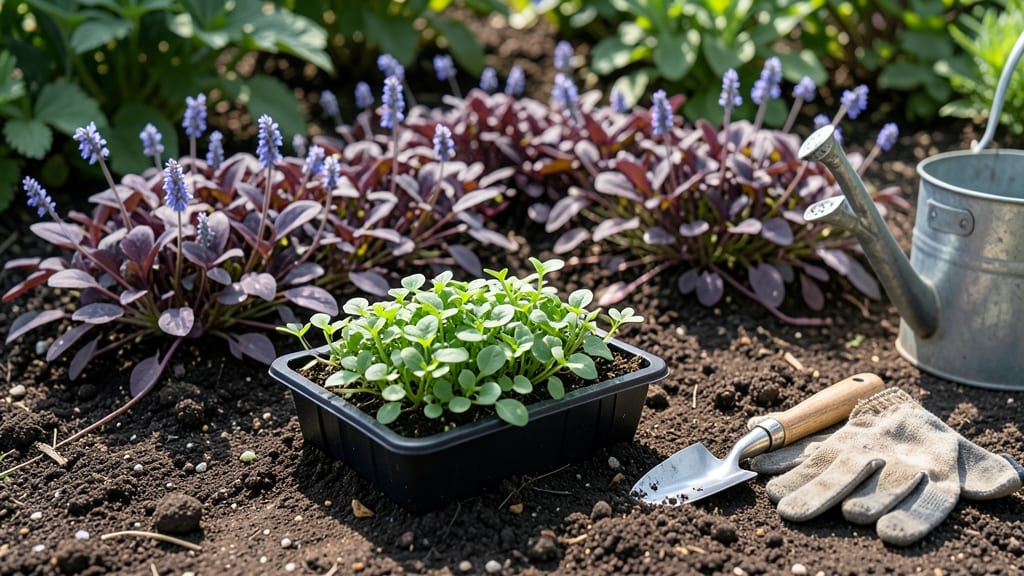
How to grow ground cover from seeds is the fastest way to transform bare soil into lush, weed-blocking green. 🌱 I’ve turned my shady patches into dense carpets using nothing but a handful of seeds and patience—no expensive sod or plugs needed. The secret? Choosing the right fast-spreading varieties and giving them the perfect start. Start with creeping thyme, ajuga, or clover—they germinate in 10-20 days and spread aggressively once established. You’ll need well-draining soil, a light sprinkle of seeds, and consistent moisture until they pop. Most beginners overwater, so aim for damp—not soggy—soil to avoid damping off. By 6-8 weeks, you’ll see thick mats of green that choke out weeds and protect your soil. The best part? Once they take hold, they’re nearly maintenance-free. I’ve had patches last 5+ years with just occasional trimming. Works in sun or shade, containers or garden beds. Here’s how to get started without the guesswork.
📚 In This Guide
- What you need
- Instructions
- Tips and common mistakes
- Wrapping up and next steps
What you need
- ● Ground cover seeds: Choose fast-germinating varieties like creeping thyme, clover, or ajuga (check seed packets for specific quantities—typically 1-2 oz per 100 sq ft).
- ○ Garden soil or potting mix: 1-2 bags (depending on area), well-draining and amended with compost (optional but recommended).
- ● Garden rake or hoe: For loosening soil and creating a fine seedbed.
- ● Watering can or hose with a gentle spray nozzle: Fine misting helps prevent seed displacement.
- ● Organic mulch (e.g., straw or shredded leaves): A thin layer (¼ inch) to retain moisture and suppress weeds.
- ● Gloves and knee pads: Protect your hands and comfort during planting.
- ● Seed starter trays or biodegradable pots: For sowing indoors or in cooler climates (6-8 weeks before last frost).
- ● Seedling heat mat: Speeds up germination for slow-starting varieties (70–85°F ideal).
- ● Garden twine or mesh: Lightweight row covers to shield seedlings from pests or harsh weather.
- ● Slow-release fertilizer: A balanced formula (e.g., 10-10-10) to boost early growth.
- ● pH test kit: Ensures soil pH matches your ground cover’s preferences (most thrive in 6.0–7.0).
Step-by-Step instructions for growing ground cover from seeds
Fast germination is everything—here’s how to get your ground cover spreading quickly and thickly.
🌱 Step 1: Test and Prepare Your Soil for Optimal Germination
Ground cover thrives where roots can spread freely, so start with soil that drains well but holds moisture. I like to mix 1 part compost into 3 parts native soil for a loose, fertile base. Test your soil’s pH—most ground covers prefer 6.0 to 7.0, so amend with lime if it’s too acidic or sulfur if it’s too alkaline.
Loosen the top 6 inches of soil with a garden fork, breaking up any compacted layers. This ensures roots won’t struggle to penetrate later. If your soil feels gritty or sandy, add 20% perlite or coarse sand to improve water retention without suffocating roots. The goal is a texture that crumbles easily when squeezed—like a damp sponge.
🌿 Step 2: Sow Seeds at the Right Depth and Spacing
Most ground cover seeds are tiny, so I scatter them lightly over the prepared soil—never press them in. For varieties like creeping thyme or ajuga, aim for seeds spaced ¼ inch apart in rows 6 inches apart. This spacing gives plants room to fill in without competing for light too early.
Cover seeds with a thin layer of fine soil or vermiculite—just enough to obscure them, no deeper. Press gently to ensure contact with the soil, then mist with a fine spray of water until the surface looks uniformly damp. Avoid soaking the area; you want moisture without puddles. Place a clear plastic sheet over the bed to retain humidity and warmth, securing edges with rocks or stakes.
☀️ Step 3: Maintain Ideal Conditions for Fast Germination
Ground cover seeds germinate fastest in consistent warmth—aim for 65-75°F at soil level. If your climate runs cooler, use a seedling heat mat underneath the plastic sheet. Check moisture daily; the soil should stay evenly damp but not soggy—press your finger in to test. If the top inch feels dry, mist again lightly.
Keep the plastic in place until 50% of seeds sprout, which typically takes 7-14 days for fast varieties like creeping Jenny or clover. Once seedlings emerge, remove the plastic immediately to prevent fungal growth. Thin seedlings to 3-4 inches apart once they have 2-3 true leaves, using scissors to snip excess plants at soil level rather than pulling to avoid disturbing roots.
💧 Step 4: Encourage Rapid Spread Through Strategic Watering
Established ground cover needs 1 inch of water per week, but young seedlings require shallow, frequent watering to encourage root growth. Water at the base of plants in the morning to reduce evaporation and fungal risks. Avoid overhead sprinkling, which can dislodge tiny seedlings or create damp conditions that invite disease.
Once plants reach 3-4 inches tall, reduce watering slightly to ½ inch per week to toughen them up. This mimics natural rainfall patterns and prevents leggy growth. Mulch with 2 inches of shredded bark or straw to retain moisture, suppress weeds, and protect roots from temperature swings. The mulch layer should be 2-3 inches away from plant stems to avoid rot.
✂️ Step 5: Prune and Divide for Thicker, Faster Coverage
When plants fill in 50% of their intended area, it’s time to prune. Use clean, sharp shears to trim back one-third of the foliage in early spring or after flowering. This stimulates bushier growth and fills gaps faster. For aggressive spreaders like creeping charlie, divide clumps every 2-3 years in early spring by digging up sections with a spade and replanting them 12 inches apart. This rejuvenates the parent plant and gives you free new coverage.
Watch for bare spots—these signal it’s time to reseed or transplant additional plants. I like to mark areas needing attention with small flags so I don’t miss them during seasonal cleanups. With consistent care, your ground cover will spread 2-3 feet per year, creating a lush, low-maintenance carpet that crowds out weeds naturally.
Tips & tricks for fast-germinating ground cover
These insider tricks will help you accelerate your ground cover's growth and avoid common pitfalls that slow down germination.
Soil Texture is Everything: The key to fast germination lies in that perfect soil texture I mentioned in Step 1. After mixing your 1 part compost with 3 parts native soil, run a simple test: squeeze a handful—it should crumble like a damp sponge. If it feels too dense, add another 10% perlite to improve aeration. Too sandy? Mix in an extra 5% compost. Remember, roots need both air and moisture to thrive, and this texture ensures neither is lacking. The right texture also prevents that frustrating "seedling rot" you might see with overly compacted soil.
Strategic Seed Placement: When sowing those tiny seeds in Step 2, think of them like confetti—light and evenly distributed. I've found that using a fine-mesh sieve helps scatter seeds more uniformly than hand-sowing. For varieties like creeping thyme, create shallow furrows with your finger first to give seeds a tiny "valley" to nestle in. This prevents them from washing away during your initial misting. Also, consider sowing in stages: plant half now, then another half in 2 weeks. This staggered approach creates a more continuous carpet effect as different batches mature at slightly different times.
Heat Mat Hack for Cooler Climates: That 65-75°F soil temperature range in Step 3 is critical, but achieving it can be tricky in cooler regions. I've had great success using a simple household solution: place a black plastic garbage bag over the plastic sheeting. The black bag absorbs sunlight and creates an additional 5-10°F of warmth at soil level. Remove it during the day when temperatures rise above 80°F to prevent overheating. This passive solar heating method can shave 2-3 days off your germination time without requiring electricity.
Thinning Technique That Saves Time: The thinning step in Step 3 can feel tedious, but there's a smarter way. Instead of thinning to 3-4 inches immediately, let seedlings grow to 1-2 inches tall first, then thin to 1.5 inches apart. This gives you a head start on coverage while still preventing overcrowding. Once plants reach 3-4 inches, do your final thinning. This two-stage approach creates a denser initial mat that spreads faster. Just be sure to use clean scissors and cut at soil level to avoid disturbing roots of the plants you're keeping.
Pro Tips for Grow Ground Cover From Seeds
- These insider tricks will help you accelerate your ground cover's growth and avoid common pitfalls that slow down ger...
- Soil Texture is Everything: The key to fast germination lies in that perfect soil texture I mentioned in Step 1. Afte...
- Strategic Seed Placement: When sowing those tiny seeds in Step 2, think of them like confetti—light and evenly distri...
Frequently asked questions
Got questions about growing ground cover from seeds? You’re not alone! Here are answers to the most common queries to help you succeed with your lush, low-maintenance garden.
What’s the fastest-growing ground cover from seed?
For quick results, try creeping thyme or clover—both germinate in 7–14 days and spread rapidly. Sweet alyssum is another fast option, blooming in just 3–4 weeks. Choose varieties labeled "fast-spreading" for the best coverage.
How long does it take for ground cover seeds to fully spread?
Most ground covers take 3–6 months to establish a dense mat, but some (like creeping jenny) can fill gaps in 1–2 seasons. Patience is key—thin seedlings early to encourage faster spread and reduce competition.
Can I grow ground cover from seeds in winter?
It depends on your climate! Cold-hardy varieties like wintercreeper euonymus or ice plant can be sown in early fall for spring growth. In warmer zones, wait until late winter/early spring to avoid frost damage. Always check seed packets for specific timing.
What if my seeds aren’t germinating?
Try these fixes:
- Check moisture: Keep soil consistently damp (not soggy) with a spray bottle or misting.
- Adjust light: Most seeds need bright, indirect light—avoid direct sun until sprouts appear.
- Test viability: Soak seeds in warm water for 24 hours; if none swell, they may be old or stored improperly.
- Scarify or stratify: Some seeds (like ajuga) need a cold treatment or light scratching to break dormancy.
What’s a good alternative if seeds are too slow?
If you need instant coverage, consider plugs or bare-root plants (like ajuga or liriope) for a quicker mat. For slopes, sedum or creeping phlox are drought-tolerant and spread faster than seeds alone. Mix seeds and plants for a hybrid approach!
Wrapping up and next steps
Growing ground cover from seeds is a rewarding way to transform your garden into a lush, low-maintenance paradise! 🌱 With the right fast-germinating varieties—like creeping thyme, clover, or ajuga—and a few simple steps, you’ll soon enjoy vibrant spread that suppresses weeds and enhances beauty.
The key is patience, consistency, and choosing seeds suited to your climate.
Now that you’re armed with knowledge, take the next step: pick your favorite variety, grab your supplies, and start sowing! Whether you’re a beginner or a seasoned gardener, every seed planted today is a future patch of green waiting to thrive. Happy growing! 🌿✨