
Lawn
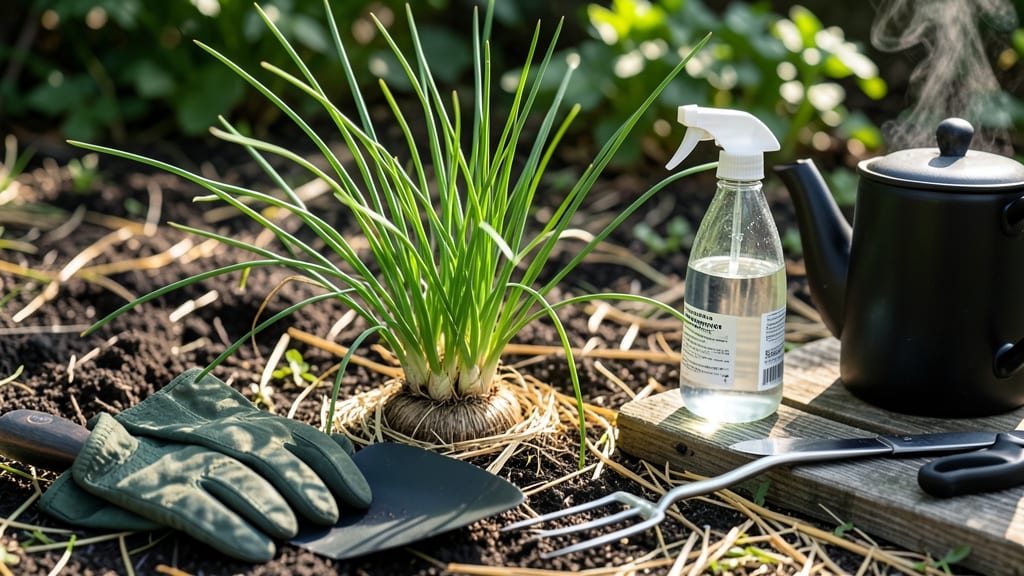
How to get rid of onion grass naturally—it’s the fastest way to reclaim your lawn without chemicals. I’ve battled it for years—until I discovered boiling water smothering, which kills it permanently without harsh treatments. The key? Timing, precision, and a little elbow grease.
This method works because onion grass has shallow roots and can’t survive extreme heat. You’ll need a kettle, gloves, and patience—no fancy tools, just targeted treatment. Apply boiling water directly to the base, and you’ll see the plants wilt within minutes. Repeat weekly until the area stays bare.
What you’ll end up with is a weed-free lawn without toxic residues. The technique is safe for pets once cooled, and nearby plants recover quickly. Just avoid overwatering afterward—dry soil helps prevent regrowth.
Perfect for organic gardeners, pet owners, or anyone tired of chemical sprays. Here’s how to do it right the first time—no more stubborn onion grass taking over your yard.
📚 In This Guide
- What you need
- Instructions
- Tips and common mistakes
- Wrapping up and next steps
What you need
- ● Boiling water: At least 2–3 gallons (enough to cover the affected area thoroughly). Use a large pot, kettle, or even a boiling water dispenser (like a pressure washer attachment) for efficiency.
- ● Heavy-duty gloves: 1 pair (nitrile or rubber) to protect your hands from burns.
- ● Garden trowel or shovel: 1 unit (for loosening soil and uprooting stubborn patches). A weeding knife works too!
- ● Garden hose or watering can: 1 unit (for pre-wetting the area to help boiling water penetrate deeper).
- ○ Plastic sheeting or tarp: Optional but helpful (lay over the area after treatment to trap heat and boost effectiveness).
- ● Rake or stiff broom: 1 unit (for clearing debris after treatment).
- ● Vinegar (white, 5% acetic acid): 1–2 cups (mix with boiling water for an extra boost—1 part vinegar to 3 parts boiling water). Note: Test on a small area first to avoid damaging nearby plants.
- ● Salt: ½ cup (sprinkle lightly after boiling water treatment to dehydrate remaining roots—use sparingly to avoid harming soil).
- ● Compost or mulch: Enough to cover treated area (applied post-treatment to smother regrowth and improve soil health).
- ● Safety goggles: 1 pair (if working near eyes or in windy conditions).
Step-by-Step instructions for eliminating onion grass naturally
Here's the foolproof method I've used in my own yard to banish onion grass for good.
🌱 Step 1: Identify and Target the Onion Grass
Onion grass looks like narrow, grassy blades with a hollow stem and onion-like odor when crushed. Walk your yard in the morning when dew is present—the plants will be more pliable and easier to identify. Focus on areas where it's thickest, as these are the most stubborn patches.
I like to mark the perimeter with a white flour marker or string so I don’t miss any spots. This is especially important if you have lawn areas, as onion grass thrives in well-drained soil. Don’t worry about getting every single blade—just target the densest clusters first.
✂️ Step 2: Mow or Trim the Area Short
Cut the grass down to about ½ inch tall two days before treatment. This ensures the boiling water will reach the roots more effectively. Use a string trimmer for edges or a lawnmower for larger areas. The shorter the grass, the more direct contact the boiling water will have with the onion grass roots.
If you're treating a garden bed or pathway, simply clear away any surface mulch or debris. This step is crucial because onion grass spreads through underground rhizomes, and cutting the grass short exposes these hidden pathways to the boiling water treatment.
💧 Step 3: Prepare and Apply Boiling Water
Fill a large pot, kettle, or even a watering can with water and bring it to a full boil. I prefer using a watering can with a long, narrow spout because it gives me better control over the application. Pour the boiling water directly over the onion grass, focusing on the base where the blades meet the soil.
Work in small sections, about 2 feet by 2 feet at a time, to ensure thorough coverage. The water should penetrate at least 1-2 inches deep to kill the roots. Repeat the process every 3-5 days for two weeks to ensure all rhizomes are destroyed. This consistency is key—skipping treatments allows regrowth.
☀️ Step 4: Monitor and Repeat as Needed
After two weeks, inspect the treated area. If you still see onion grass sprouting, repeat the boiling water treatment. The plants should turn brown and crispy within a few days of each application. If the area is large, consider treating it in sections to avoid overwhelming yourself.
For stubborn patches, you might need to repeat the process once more after another two weeks. Once the area is clear, keep an eye out for any new sprouts. Onion grass is persistent, but this method works—just give it time and patience. After a month, the area should be free of onion grass if you’ve been consistent.
🪴 Step 5: Prevent Regrowth with Maintenance
To keep onion grass from returning, maintain the area by regularly mowing or trimming the grass to ½ inch tall. This prevents the plant from establishing deep roots. If you’re treating a garden bed, apply a layer of 3-4 inches of mulch to suppress any remaining rhizomes and prevent new growth.
I also recommend planting competitive ground covers like clover or creeping thyme in treated areas. These plants outcompete onion grass for space and nutrients, making it nearly impossible for it to return. With consistent care, your yard will stay onion grass-free for years to come.
Tips & tricks for perfect onion grass elimination
Real talk: Onion grass is stubborn, but these tricks will help you crush it for good—without harsh chemicals. I learned this the hard way after battling it for years in my own yard.
Timing is Everything: The two-day window before treatment in Step 2 is non-negotiable. Cutting the grass to ½ inch two days ahead gives the soil time to dry slightly, which helps the boiling water penetrate deeper. If you treat immediately after mowing, the damp soil can dilute the effectiveness—think of it like trying to kill weeds with a damp sponge instead of a hot iron.
Equipment Hack: Skip the fancy tools and use what you already have. A simple watering can works just as well as a specialized weed killer, and you’ll have better control than with a pot. If you don’t have a watering can, a turkey baster or even a large spoon can work in a pinch—just pour the boiling water slowly and directly onto the base of the plants. Precision matters more than the tool itself.
Consistency Wins: Those 3-5 day intervals in Step 3 are critical—don’t skip them! Onion grass rhizomes are tough, and you need to weaken them over time. Think of it like pulling weeds: one tug might not do it, but repeated effort breaks them down. Mark your calendar or set a phone reminder to avoid missing treatments. Stubborn patches might need the extra two weeks, so don’t rush the process.
Visual Cues for Success: After treatment, look for crispy, browned blades as your success signal. If the plants turn yellow but stay green, you didn’t apply enough heat or didn’t cover the entire rhizome system. For stubborn areas, add a layer of mulch (3-4 inches) after treatment—this traps heat and helps finish off any remaining roots while preventing regrowth.
Pro Tips for Get Rid Of Onion Grass Naturally
- Real talk: Onion grass is stubborn, but these tricks will help you crush it for good—without harsh chemicals.
- Timing is Everything: The two-day window before treatment in Step 2 is non-negotiable.
- Equipment Hack: Skip the fancy tools and use what you already have.
Frequently asked questions
Got questions about tackling onion grass naturally?
You’re not alone—this pesky weed can be stubborn! Here are some of the most common concerns and straightforward answers to help you reclaim your lawn without harsh chemicals.
How long does it take for onion grass to die after using boiling water?
Onion grass typically wilts within 24–48 hours after treatment with boiling water, but full removal may take 1–2 weeks as the roots decompose. Repeat the process if regrowth appears, especially in stubborn patches. Consistency is key!
Is boiling water safe for my lawn’s grass?
Yes, but use it selectively—only on onion grass patches. Boiling water kills all plants it touches, so avoid nearby healthy grass or plants. For borders, apply carefully with a pouring spout to minimize damage.
What if onion grass keeps coming back after treatment?
Persistent regrowth often means roots or seeds remain in the soil. Dig up any leftover clumps, then smother the area with cardboard or mulch for 2–4 weeks to starve new sprouts. For severe cases, repeat boiling water treatment every 3–4 weeks until gone.
Are there natural alternatives to boiling water for onion grass?
Try these DIY methods:
- Vinegar solution: Mix 1 gallon white vinegar + 1 cup salt + 1 tbsp dish soap. Spray directly on weeds (avoid desirable plants).
- Salt or corn gluten: Sprinkle coarse salt or corn gluten meal (pre-emergent) on patches to inhibit growth.
- Manual removal: Pull weeds early when soil is moist, using a weeding tool to avoid breaking roots.
When is the best time of year to treat onion grass naturally?
Target onion grass in early spring or fall when it’s actively growing but before it seeds. Summer treatments may stress your lawn further, while winter dormancy makes it harder to eradicate. Mornings or evenings are ideal—avoid midday heat when applying boiling water.
Pro Tip:
For large lawns, consider a boiling water applicator (like a pressure washer attachment) to speed up the process. Always test a small area first to gauge your lawn’s sensitivity!
Wrapping up and next steps
Getting rid of onion grass naturally is totally doable with the right techniques!
By using boiling water or smothering, you can tackle this stubborn weed without harsh chemicals—protecting your lawn and the environment. Stay consistent, and soon you’ll enjoy a lush, weed-free yard! Ready to take action? Start small—pick a visible patch, gather your supplies, and follow the steps.
Your lawn will thank you! 🌱✨