
Pests
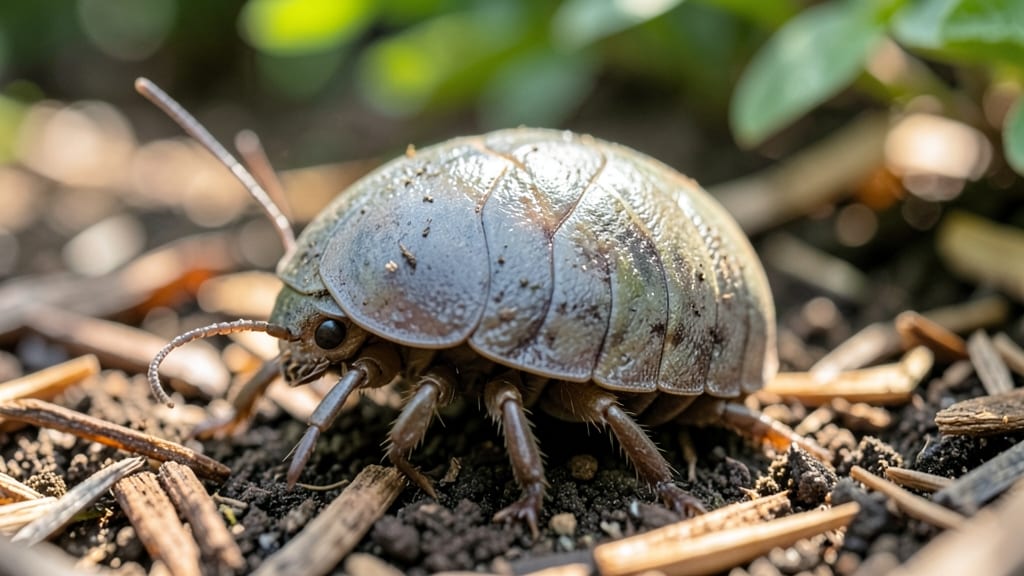
How to get rid of pill bugs in your garden naturally—those tiny invaders are turning your mulch into their all-you-can-eat buffet. 🌱 I spent years watching them munch through seedlings before I discovered these foolproof barriers that actually work—no chemicals needed. The key is disrupting their damp, dark hideouts. A simple 1-inch layer of coarse sand around beds blocks their entry, while copper tape (yes, the plumbing kind) creates an invisible electric barrier they avoid. Even better? These methods keep working for months without harming your plants or soil. You’ll notice fewer pill bugs within days of setting up barriers, and your seedlings will finally get the chance to grow. The best part? These solutions are inexpensive and reuse materials you might already have lying around. Works for vegetable gardens, flower beds, and even container plants. Let’s get those pests out for good!
Root Causes Of Pill Bugs
Pill bugs—those tiny, armored garden visitors—aren’t just random guests; they’re drawn to your yard for specific reasons. Understanding why they show up is the first step to keeping them in check without harsh chemicals.
Let’s break down the science behind their behavior and how your garden might be inviting them in.
Pill bugs, also known as pill woodlice or roly-polies, thrive in damp, humid environments.
Their exoskeletons are highly sensitive to dehydration, so they seek out areas with: - High moisture levels (think mulch, leaf litter, or poorly draining soil). - Decaying plant material (compost piles, fallen logs, or rotting wood). - Shady, damp corners of your garden where humidity lingers.
Why it matters: If your garden has thick mulch, soggy spots, or unturned compost, pill bugs will see it as an all-you-can-eat buffet. Their primary diet includes decomposing leaves, fungi, and even dead plant roots—so the more organic debris you have, the more they’ll stick around.
Pill bugs don’t just need moisture—they need it. If your garden stays consistently damp due to:
- Overwatering (especially in containers or shaded areas).
- Clay-heavy or compacted soil that traps water.
- Lack of proper drainage (e.g., low-lying spots where water pools).
Science note: These crustaceans (yes, they’re related to shrimp and crayfish!) can’t survive long in dry conditions. A soil moisture level above 20-30% is their sweet spot. If your garden is a swamp, they’ll move in en masse.
Pill bugs aren’t picky eaters—they’ll munch on:
- Fungi (especially in mulch or wood chips).
- Algae (common on damp wood, rocks, or plant stems).
- Bacteria-rich decay (like rotting fruits or vegetables left in the soil).
Pro tip: If you’ve noticed slimy patches on your garden tools, logs, or under pots, that’s a red flag. Pill bugs are often drawn to these microbial hotspots, which provide both food and shelter.
Pill bugs are soft-bodied creatures with a hard time surviving in open, exposed areas.
They seek refuge in: - Thick layers of mulch (especially cedar or wood chips). - Rock piles, bricks, or dense ground cover (like ivy or creeping thyme). - Undersides of pots, boards, or garden debris.
Key insight: They’re nocturnal and avoid direct sunlight, so if your garden has shaded, cluttered spots, they’ll treat it like a five-star hotel. Even a single board leaning against a fence can become a pill bug condo.
While pill bugs don’t eat living plants, certain garden conditions indirectly encourage their population:
- Heavy use of wood mulch (especially untreated hardwood).
- Compost piles left too close to planting areas.
- Hostas, ferns, or other shade-loving plants that retain moisture.
Warning sign: If you see pill bugs clustering near specific plants, check for signs of fungal growth or overly wet soil around their roots.
Pill bugs are most active during:
- Cool, damp seasons (spring and fall).
- Humid climates (they struggle in arid or freezing conditions).
- After heavy rain, when moisture spikes suddenly.
Climate connection: In drier regions, pill bugs may only appear after irrigation or rain. In wetter areas, they can become a year-round nuisance if conditions remain ideal.
Sometimes, well-meaning gardening practices backfire:
- Over-mulching (more than 2-3 inches traps too much moisture).
- Ignoring leaf litter (piles of leaves = free housing and food).
- Using untreated wood (like cedar chips, which retain moisture).
Actionable fix: If you love mulch, opt for pine straw or gravel in sunny areas to reduce humidity. Pill bugs will avoid these drier surfaces.
Natural Fixes for Pill Bug Problems
Now that you understand why pill bugs invade your garden, let’s tackle the solutions—without harsh chemicals! These fixes target the root causes while keeping your plants thriving. Below, we’ve matched common pill bug triggers with easy, effective remedies and included prevention tips to keep them away long-term.
Pill bugs love damp, shady spots. If your garden retains excess moisture, they’ll stick around like uninvited guests at a buffet.
How to Fix It:
- 🔥 Improve Drainage – Amend soil with compost or coarse sand to help water drain faster. Avoid overwatering; let the top inch of soil dry between waterings.
- 🍳 Raise Garden Beds – If possible, elevate planting areas slightly to reduce standing water.
- ☀️ Increase Sunlight – Trim overhanging branches or thin dense foliage to let more sunlight dry out the soil.
💡 Prevention Tip: Use gravel or mulch (like straw or pine needles) in shady areas—it keeps soil drier while still protecting roots.
Leaf litter, rotting wood, and thick mulch create the perfect hideout for pill bugs. They’ll multiply like rabbits in a cozy burrow.
How to Fix It:
- 👨🍳 Remove Debris – Rake up fallen leaves, old mulch, and plant waste from garden beds. Store compost in a sealed bin away from planting areas.
- 🥘 Limit Mulch Depth – Keep mulch 2–3 inches thick (not deeper) to discourage pill bugs from nesting underneath.
- ⏰ Regular Cleanups – Do a quick weekly sweep of garden edges and under pots to remove hiding spots.
💡 Prevention Tip: Crushed eggshells (around plants) deter pill bugs—they dislike the sharp texture!
Pill bugs thrive in dark, humid conditions. If your garden is mostly shade, they’ll treat it like an all-you-can-eat buffet.
How to Fix It:
- 🌞 Add Light-Loving Plants – Mix in sun-tolerant veggies (like tomatoes, peppers, or herbs) to break up dense shade.
- 🔪 Prune Strategically – Trim back tall plants or trees to let more sunlight reach the soil.
- 🎯 Use Reflective Surfaces – Place mirror fragments or aluminum foil strips near shady spots—they dislike the glare and will avoid the area.
💡 Prevention Tip: Diatomaceous earth (food-grade) sprinkled lightly in shady zones acts as a natural deterrent—just reapply after rain.
Stressed or dying plants attract pill bugs, who see them as a free meal. A healthy garden is the best deterrent!
How to Fix It:
- 💪 Boost Soil Health – Add compost or worm castings to give plants the nutrients they need to resist pests.
- 🥗 Water at the Base – Avoid wetting leaves (especially in the evening), which creates moisture-loving conditions for pill bugs.
- 🍎 Choose Resistant Plants – Some plants (like rosemary, thyme, or marigolds) naturally repel pill bugs—plant them as borders.
💡 Prevention Tip: Neem oil spray (diluted) can deter pill bugs while also protecting plants from other pests.
If pill bugs are still winning, block their entry points without chemicals.
How to Fix It:
- 🧱 Copper Tape Barrier – Wrap copper tape around raised beds or pots—pill bugs get a mild electric shock and avoid crossing it.
- 🥾 Crushed Eggshells or Caffeine Grounds – Sprinkle these around plant bases; the texture and smell repel them.
- 🪟 Fine Mesh Screens – Cover seedling trays or vulnerable areas with hardware cloth (1/4-inch holes) to keep them out.
💡 Prevention Tip: Diatomaceous earth + food-grade is a double threat—it dehydrates pill bugs while being safe for plants.
Once you’ve kicked out the pill bugs, keep them from returning with these simple habits: ✅ Rotate crops to disrupt their life cycle. ✅ Encourage natural predators like ground beetles, birds, and frogs by adding a small water feature. ✅ Inspect new plants before bringing them home—sometimes pill bugs hitch a ride!
Remember: Pill bugs are harmless (they eat decaying matter, not your plants), but their presence can signal poor garden conditions. Fix the underlying issues, and you’ll create a pill-bug-free, thriving garden—naturally! 🌿✨
Frequently asked questions
Are pill bugs actually harmful to my garden?
Not directly—they don't eat living plants! They primarily feed on decaying organic matter like dead leaves, fungi, and compost. However, their presence often signals excess moisture or poor drainage in your garden, which can harm plant roots. Think of them as nature's recycling crew that only shows up when conditions are too damp.
How quickly will natural remedies work?
Most methods show results within 3-7 days, but complete elimination can take 2-4 weeks depending on the severity. Copper tape and diatomaceous earth work fastest (noticeable in 24-48 hours), while habitat changes (like reducing mulch depth) take longer but provide long-term prevention.
Can I use coffee grounds to repel pill bugs?
Yes! Fresh coffee grounds create an environment pill bugs dislike—they prefer neutral pH conditions. Sprinkle used grounds around plant bases or garden edges, but avoid overdoing it (too much can acidify soil). Reapply after rain. For best results, combine with crushed eggshells for a double deterrent.
What's the best time of day to apply natural deterrents?
Early morning or late afternoon works best. Pill bugs are nocturnal, so applying deterrents when they're active (evening) lets them experience the treatment immediately. Avoid midday heat—it can reduce the effectiveness of diatomaceous earth (it needs to stay dry) and make copper tape less appealing to them.
Will these methods work in containers or raised beds?
Copper tape works especially well around container edges, while diatomaceous earth can be lightly sprinkled on top of potting soil. For raised beds, focus on improving drainage (add coarse sand to soil mix) and using reflective surfaces (like aluminum foil strips) to deter them from entering shaded corners.