
Pests
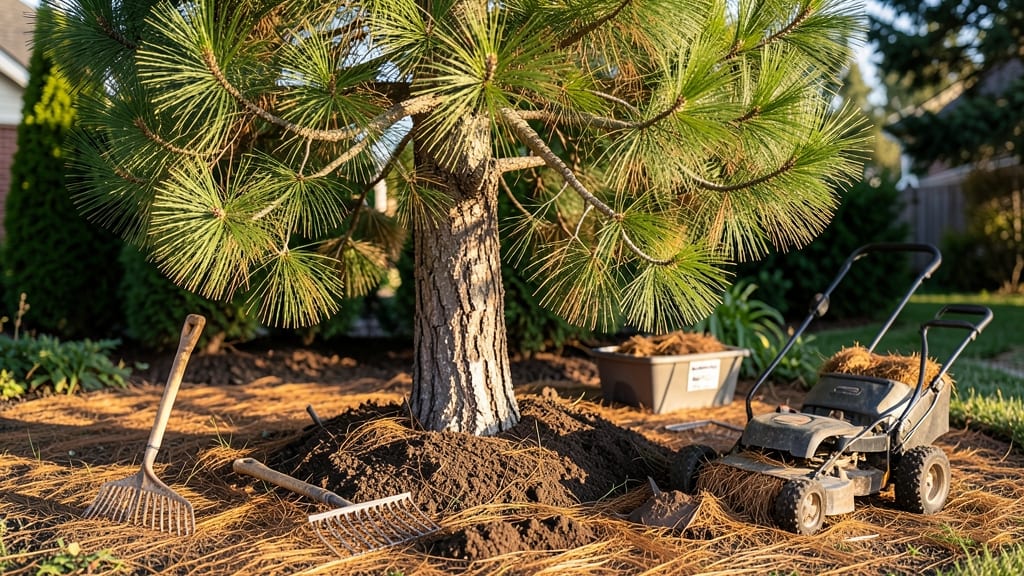
How to get rid of pine needles in your yard faster than you can say "spring cleanup" 🌲—I’ve battled this battle for years, and the key is speed before they compact into that dreaded, spiky carpet that’s impossible to mow through. The right tools make all the difference: a sturdy rake for thick piles, a leaf blower for scattered needles, and heavy-duty bags for disposal. Skipping this step just means more work later when needles clog your mower or smother your lawn. I learned that the hard way after my lawnmower coughed up a cloud of needles mid-cut. You’ll walk away with a clean yard in under an hour—no more tripping over needles or struggling to push a mower through them. The secret? Work in small sections and bag as you go. That way, you avoid the backbreaking chore of hauling one giant pile later. For future seasons, try mulching the needles into garden beds (they break down slowly) or use them as pathways in flower beds. Just don’t let them pile up—prevention is easier than cleanup. Here’s how to tackle it right the first time.
📚 In This Guide
- What you need
- Instructions
- Tips and common mistakes
- Wrapping up and next steps
What you need
- ● Rake: A bow rake (18–24 inches wide) or a leaf rake with flexible tines for easy pickup. Pro tip: A plastic rake won’t scratch your driveway or deck!
- ● Heavy-duty trash bags: 30–50 gallon contractor bags (3–5 bags, depending on yard size). Opt for biodegradable or compostable bags if possible!
- ● Wheelbarrow or garden cart: A 1–2 cubic foot capacity to haul needles to disposal areas.
- ● Gloves: Work gloves (nitrile or leather) to protect your hands from scratches and sap.
- ○ Shovel (optional but helpful): A flat-edged shovel for moving stubborn piles or compacted needles.
- ● Leaf blower: A backpack or handheld model (200–400 CFM) to speed up cleanup in large areas.
- ● Mulching mower: If you prefer chopping needles into mulch instead of bagging them.
- ● Knee pads: For comfort if you’re raking for long periods.
- ● Safety glasses: To shield your eyes from flying debris (especially if using a blower).
Step-by-step instructions for clearing pine needles from your yard
Here's how I tackle this seasonal chore—quickly and without the mess.
🪴 Step 1: Gather Your Tools and Work in Sections
Start with a sturdy yard broom (the stiff-bristle kind) and a heavy-duty trash bag—the kind with reinforced seams that won’t rip when wet. I like to work in 10×10-foot sections so I don’t get overwhelmed. Walk the perimeter first to spot thick clusters where needles pile up near fences or trees.
If your yard has slope or uneven terrain, use a leaf blower instead—it’s faster and prevents back strain. The key here is to avoid letting needles accumulate in one spot, which can smother grass or create slippery hazards. I always start at the farthest point from my trash bin to minimize trips.
✂️ Step 2: Sweep or Blow Needles Into Piles
Sweep in long, overlapping strokes from the center of the section outward, pushing needles toward the edges. You’ll see them gather into thick, dark piles—this is your signal you’re doing it right. For stubborn patches, use the broom’s backside to scrape stubborn clusters off driveways or sidewalks.
If you’re using a blower, hold it 6-12 inches above the ground and move in a zigzag pattern to catch all the needles. The goal is to concentrate them into manageable piles near your trash bin. I’ve found that working early in the morning (before dew dries) makes needles lighter and easier to move.
💧 Step 3: Bag and Dispose of Needles Properly
Once piles are formed, wet them down with a garden hose if they’re dry and fluffy—this makes them heavier and easier to bag. Grab your trash bag, step into the pile, and shake your feet to stir up needles before lifting. You’ll want to fill the bag no more than halfway to avoid tears.
For large yards, I use two bags at once: one for needles and one for any sticks or debris. Tie the bags tightly and double-knot them—pine needles can poke through weak seals. Check your local rules before disposal; some areas require special yard waste bins or composting (needles decompose slowly).
☀️ Step 4: Prevent Future Buildup (Optional but Smart)
After clearing, rake your lawn to redistribute any remaining needles—this helps grass grow through them. For heavy-needle areas, consider mulching with straw in fall to smother new growth. I also water the lawn deeply after cleanup to encourage grass recovery.
If pine trees are the source, prune lower branches in late winter to reduce future needle drop. Just don’t overdo it—healthy trees shed naturally, and aggressive pruning can stress them. A little prevention now saves hours of sweeping later.
Tips & tricks for clearing pine needles efficiently
Real talk: Pine needles are one of those chores that seem endless until you find the right rhythm. Here’s how I make it faster—and less frustrating—every time.
Section Strategy: Working in those 10×10-foot sections from Step 1 is genius, but here’s the secret: mark your sections with spray paint or flags before you start. I use bright orange flags I keep in my tool shed—it saves time backtracking and helps you visualize progress. Trust me, you’ll thank yourself when you’re halfway done and realize you’ve already cleared half your yard!
Tool Upgrade: If you’re dealing with thick patches, grab a plastic tarp (the kind you’d use for painting) and lay it over the pile before sweeping. The needles slide right off into a contained pile—no more chasing them across the lawn. Pro tip: Use a tarp with a 10-foot width or wider for maximum coverage. This cuts sweeping time in half for stubborn areas.
Timing Hack: Early morning is ideal, but if you’re working later in the day, wait until needles are completely dry. Wet needles stick together like glue, making them harder to sweep. I’ve learned this the hard way after spending 20 minutes trying to move a stubborn, damp pile that refused to budge. If you must work with wet needles, use a leaf blower on high speed to dry them out first.
Bagging Wisdom: When filling those heavy-duty trash bags, leave a 4-inch gap at the top before tying. This gives you room to add more needles without overfilling—something I wish I’d known before my first bag split open halfway through. Double-knot the bag, then fold the top over once more for extra security. If you’re really ambitious, use a contractors bag (the kind with a drawstring)—they’re designed for heavy debris and won’t rip.
Pro Tips for Get Rid Of Pine Needles In Yard
- Real talk: Pine needles are one of those chores that seem endless until you find the right rhythm.
- Section Strategy: Working in those 10×10-foot sections from Step 1 is genius, but here’s the secret: mark your sections with spray paint or flags before you start.
- Tool Upgrade: If you’re dealing with thick patches, grab a plastic tarp (the kind you’d use for painting) and lay it over the pile before sweeping.
Frequently asked questions
Got questions about tackling pine needles in your yard? You’re not alone—here are answers to the most common concerns to make cleanup a breeze!
Why do pine needles pile up so fast?
Pine needles are lightweight and shed year-round (not just in fall), so they accumulate quickly—especially under trees. Unlike leaves, they don’t break down fast, which is why they can smother grass or clog drains. Regular raking or mulching helps prevent buildup.
Is there a best time of year to remove pine needles?
Spring or early summer is ideal! After winter, needles are dry and easier to sweep or bag. Avoid peak summer heat—it can make cleanup uncomfortable. If needles are wet (like after rain), wait 24–48 hours to let them dry before handling.
Can I just leave pine needles in the yard?
While they’re natural mulch, thick layers can block sunlight from grass or create a fire hazard. For lawns, aim for a thin layer (¼ inch or less). Under shrubs or flower beds, they’re great for moisture retention—but keep them away from foundations or vents.
How should I dispose of pine needles?
Most curbside trash services accept small amounts, but large piles may require a yard waste bin or composting. Never burn them—pine needles release harmful chemicals when burned. For composting, chop them first to speed up decomposition.
What’s the fastest way to clean up a huge pile?
Use a leaf blower to gather needles into piles, then load them into bags with a tarp for easy transport. For stubborn spots, a wet-dry vacuum (with a hose attachment) works like a broom but faster. Rent a chipper-shredder if you have acres to cover!
Wrapping up and next steps
Getting rid of pine needles in your yard doesn’t have to be a chore—with the right tools and a little effort, you can reclaim a clean, manageable space in no time! 🌲 Whether you choose to rake, bag, and dispose or use a leaf blower for efficiency, consistency is key.
Start small, tackle one area at a time, and soon your yard will look refreshed and well-maintained.
Now that you’re equipped with the how-to, why not schedule a weekly or monthly cleanup to keep those needles at bay? Your future self (and your lawnmower) will thank you! 😊