
Pests
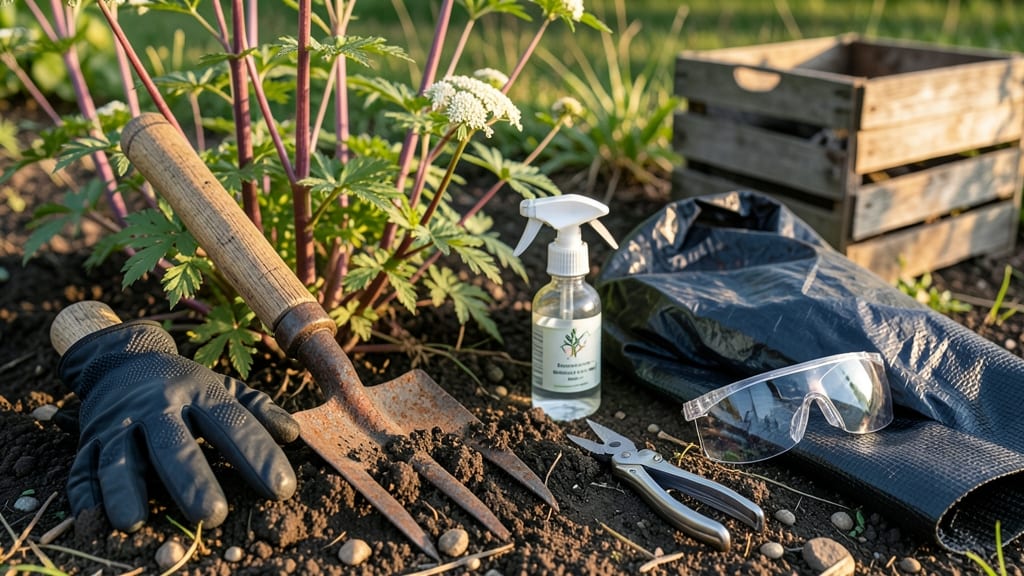
How to get rid of poison hemlock naturally—this deadly lookalike of Queen Anne’s lace hides toxins, but this boiling water technique eliminates roots completely—no chemicals, no regrowth—while keeping your garden safe for kids and pets.
First, identify it by its purple-spotted stems and fern-like leaves (never eat it—even touching can cause skin irritation). Wear gloves and long sleeves, then cut the plant at ground level before pouring 2-3 gallons of boiling water directly onto the stump. The heat kills roots within minutes, preventing regrowth.
For stubborn patches, repeat weekly until no green shoots appear. The method works best in early spring when soil is moist, and you can till the area afterward to break up any remaining root fragments. Your garden stays chemical-free while staying hemlock-free.
Prevent future invasions by mulching garden beds and removing weeds before they seed. If you spot it in lawns, hand-pulling followed by vinegar spray (20% acetic acid) also works—just avoid nearby plants. Stay vigilant, and your garden stays safe.
Root Causes Of Poison Hemlock
Poison hemlock (Conium maculatum) thrives in conditions that favor its rapid, aggressive growth—often outcompeting native plants and spreading toxins into the soil. Understanding why it invades your space is the first step to eliminating it for good.
Below, we break down the key reasons this toxic weed takes over, backed by science and actionable insights.
Poison hemlock is a cool-season biennial, meaning it germinates in early spring or fall, grows slowly its first year, and bolts into a towering, seed-producing plant in its second year.
Its dominance stems from: - Moist, Disturbed Soil 💦 - It favors rich, nitrogen-heavy soils (common in gardens, lawns, and agricultural fields) and thrives in wet or poorly drained areas.
Irrigation or heavy rainfall creates the perfect breeding ground. - Why? Waterlogged soil prevents native competitors from establishing roots, giving hemlock an edge. - Actionable fix: Improve drainage with sand or gravel mixes and avoid overwatering.
- Full Sun Exposure ☀️ - Hemlock requires 6+ hours of direct sunlight daily to reach its toxic maturity.
Shady spots slow its growth but don’t stop it entirely. - Why? Sunlight fuels photosynthesis, accelerating its toxin production (e.g., coniine, a neurotoxin). - Actionable fix: Mulch heavily in shaded areas to suppress germination.
- Low Competition 🚫🌿 - Native grasses and perennials outcompete hemlock for nutrients.
When these plants are removed (via tilling, mowing, or herbicide), hemlock fills the void. - Why? Its deep taproot (up to 3 feet!) extracts water and minerals efficiently, starving other plants. - Actionable fix: Plant dense ground covers (e.g., clover, creeping thyme) to block sunlight and soil access.
Poison hemlock isn’t just a wild plant—it’s often unintentionally introduced by human actions. Here’s how: - Contaminated Seeds or Soil 🌾 - Seeds hitchhike in purchased mulch, wildflower mixes, or compost from infested areas.
Even a few seeds can produce thousands of offspring in one season. - Why? Seeds remain viable for up to 5 years in the soil. - Actionable fix: Source organic materials from certified weed-free suppliers.
- Landscaping and Construction 🏗️
- Topsoil moved during gardening, roadwork, or farming can transport hemlock roots or seeds to new locations.
- Why? Roots fragment easily during digging, creating new growth nodes.
- Actionable fix: Inspect soil before use; solarize or treat suspect soil with vinegar-based herbicides (see removal methods).
- Wildlife Dispersal 🦊 - Animals like deer, rabbits, and birds spread seeds via fur or droppings.
Even livestock can inadvertently consume it (leading to poisoning—deadly to horses and cattle). - Why? Hemlock’s carrot-like taproot and hollow stems mimic edible plants, tricking herbivores. - Actionable fix: Fence off infested areas; avoid feeding livestock in hemlock-prone pastures.
Hemlock’s toxicity isn’t just a byproduct—it’s a defensive mechanism enhanced by specific conditions:
- High Nitrogen Levels 🧪
- Fertilizer runoff or manure piles supercharge hemlock growth, making it harder to control.
- Why? Nitrogen boosts leafy biomass, increasing toxin production.
- Actionable fix: Use slow-release, organic fertilizers (e.g., compost) and test soil pH (ideal: 6.0–7.0).
- Climate Change & Invasive Spread 🌡️ - Warmer winters and milder springs expand hemlock’s range.
It’s now found in urban areas, riverbanks, and even cracks in pavement. - Why? Fewer frost cycles mean longer growing seasons for seed production. - Actionable fix: Monitor high-risk zones (e.g., ditches, construction sites) and remove plants before they seed.
- Resistance to Natural Predators 🐛 - Unlike many weeds, hemlock has few natural enemies.
Insects avoid it due to its toxins, and deer rarely eat it (until starving). - Why? Its bitter alkaloids deter herbivores and microbes that break down organic matter. - Actionable fix: Introduce competitive native plants (e.g., goldenrod, milkweed) to crowd it out.
💡 Pro Tip: Hemlock’s purple-spotted stems and ferry-wheel leaflets are dead giveaways—never confuse it with wild carrots or parsnips. Even touching broken stems releases toxins that can irritate skin or cause respiratory issues.
Natural Ways to Eliminate Poison Hemlock
Poison hemlock (Conium maculatum) is a dangerous weed that can spread rapidly, threatening gardens, livestock, and even human safety. The good news? You can tackle it naturally without harsh chemicals.
Below are targeted solutions based on the root causes of its growth—whether it’s poor soil health, lack of competition, or accidental spread—and how to fix them for good.
If poison hemlock has already taken root in your yard, act fast before it spreads via seeds or runners.
🔥 Step 1: Manual Removal (Best for Small Patches)
- Wear gloves and long sleeves—poison hemlock’s sap can irritate skin.
- Pull plants when soil is moist (after rain or watering) to loosen roots.
- Dig deep (6–12 inches) to remove the entire taproot—even small root fragments can regrow.
- Bag and dispose of plants immediately—do not compost them.
🍳 Step 2: Boiling Water Treatment (Kills Roots Completely)
For stubborn patches, boiling water is a chemical-free, effective way to destroy roots without harming surrounding plants (if applied carefully). 1. Boil 1–2 gallons of water per square foot of hemlock.
- Pour directly over the base of the plant, ensuring the root zone is saturated.
- Repeat weekly for 3–4 weeks until the plant wilts and dies.
- Pro tip: 💡 Add 1 tbsp of dish soap to the water to help break down the plant’s cell structure.
👨🍳 Step 3: Smothering (Prevents Regrowth)
- Cover the area with thick cardboard or black plastic, securing edges with soil or rocks.
- Leave for 4–6 weeks—this blocks sunlight, starving the roots.
- Remove debris and check for regrowth before replanting.
Once you’ve removed the plants, break the cycle with these long-term strategies:
🌡️ Improve Soil Health (Starves Out Weeds)
Poison hemlock thrives in rich, disturbed soil.
Fix this by: - Adding mulch (wood chips, straw) to suppress seeds and retain moisture. - Planting dense ground covers (clover, creeping thyme) to outcompete weeds. - Testing soil pH—hemlock prefers neutral to slightly alkaline soil (6.0–7.5). Adjust with sulfur or lime if needed.
✨ Natural Herbicides (For Stubborn Spots)
If manual removal isn’t enough, try vinegar-based sprays (highly effective but requires precision):
- Mix:
- 1 gallon white vinegar (20% acetic acid)
- 1 oz dish soap (as a surfactant)
- 1 cup Epsom salt (optional, boosts effectiveness)
- Spray on a sunny day (direct sunlight enhances burning).
- Reapply every 3–5 days until plants die.
⚠️ Warning: Vinegar kills all plants it touches—use a shield (cardboard) to protect nearby flowers or veggies.
🎯 Early Detection & Monitoring
- Inspect your yard regularly—hemlock looks like wild carrot but has purple-spotted stems and a musty odor when crushed.
- Remove seedlings immediately—they’re easier to pull than mature plants.
- Check compost piles—hemlock seeds can survive composting; burn or bag any infected plant material.
If poison hemlock is invading fields, roadsides, or natural areas, containment is key.
🔪 Mechanical Control (For Large Areas)
- Mow frequently (every 2–3 weeks) to prevent seed production.
- Grazing management: If livestock is present, remove animals until hemlock is eradicated (it’s toxic to horses, cattle, and pets).
- Prescribed burns (in controlled settings) can reduce seed viability—consult local authorities first.
🌱 Replant with Native Grasses
Hemlock struggles in competitive, healthy ecosystems. Restore balance by:
- Seeding native grasses (orchard grass, fescue) to crowd out weeds.
- Planting deep-rooted perennials (like goldenrod or milkweed) to outcompete shallow-rooted invaders.
Never touch or ingest poison hemlock—it contains coniine, a toxin deadly to humans and animals.
If you suspect exposure: - Wash skin immediately with soap and water. - Seek medical help if symptoms (dizziness, vomiting, muscle weakness) occur. - Keep pets and children away from treated areas until plants are fully decomposed.
By combining manual removal, smothering, soil improvement, and vigilant monitoring, you can eliminate poison hemlock naturally—without chemicals or long-term harm to your garden. Start today, and reclaim your space!
Frequently asked questions
How can I tell poison hemlock apart from edible plants like wild carrots?
Look for purple-spotted stems and ferry-wheel-shaped leaflets—wild carrots have smooth stems and lacy leaves. Crush the stem: hemlock smells musty, while carrots have a fresh, sweet scent. Never taste-test plants in your yard!
Will boiling water work on hemlock growing in cracks of pavement?
Yes, but use a narrow spout to pour boiling water directly into cracks. Repeat weekly for 3-4 weeks—the heat kills roots even in tight spaces. For safety, wear gloves and goggles to avoid steam burns.
Can I use vinegar spray near my vegetable garden?
Only if you shield nearby plants with cardboard. Vinegar (20% acetic acid) kills everything it touches, including beneficial soil microbes. For gardens, spot-treat hemlock and water soil afterward to dilute any residue.
How long until my yard is completely safe after removing hemlock?
Wait 6-12 months to ensure no new growth appears. Test soil for seeds by planting a small area with cover crops—if nothing sprouts, your yard is clear. Monitor for 2 growing seasons to catch any dormant seeds.
What should I do if my pet eats poison hemlock?
Call your vet or ASPCA Poison Control immediately. Symptoms (drooling, weakness, seizures) appear within 15 minutes to 2 hours. Do NOT induce vomiting—seek professional help right away.