
How To
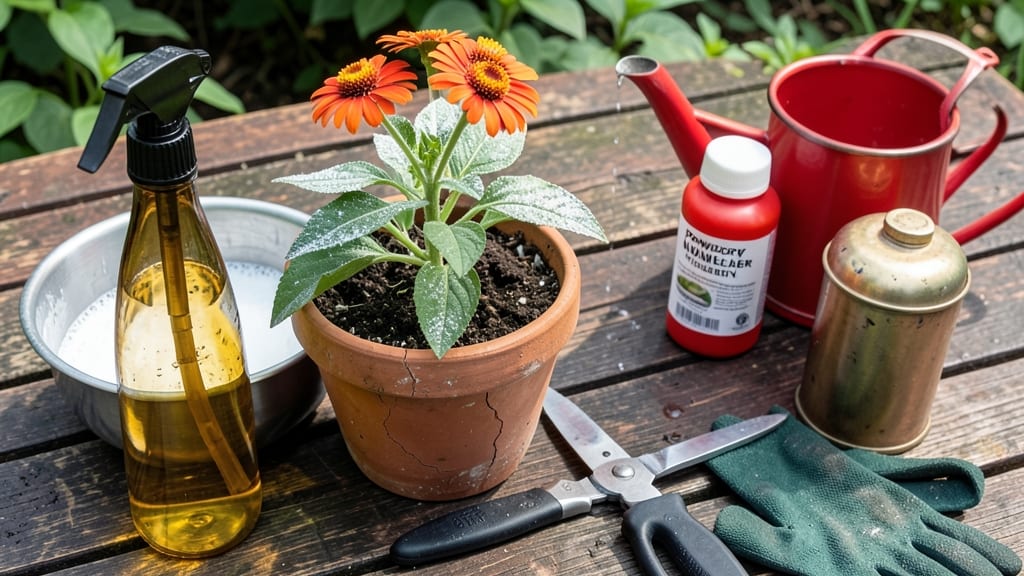
Powdery mildew turns zinnias from showstoppers to sad, dusty ghosts. 🌱 I’ve lost entire beds to this fungus, but the boiling water trick I picked up from a master gardener saved my summer blooms—here’s how it works. The secret isn’t just spraying water: it’s timing and technique.
You need to hit the leaves when they’re dry, using 1 gallon of boiling water per 10 square feet, and repeat every 7–10 days until new growth appears. The spores can’t survive that heat, and your zinnias bounce back stronger than ever.
You’ll see fresh green leaves within a week, and the flowers will rebound with vibrant color and fuller blooms. The best part? This method works for roses, phlox, and other mildew-prone plants too—no harsh chemicals needed. Prevention is easier than cleanup.
Space your zinnias 18–24 inches apart, water at the base (never overhead), and prune for airflow. That’s how you keep mildew from crashing your garden again.
Root Causes of Zinnia Mildew
Powdery mildew isn’t just a random nuisance—it’s a fungal infection with specific triggers that thrive under certain conditions. Understanding these causes is the first step to preventing and treating the problem. Let’s break down the science behind why your zinnias become a buffet for this pesky fungus.
Fungi like Erysiphe cichoracearum (the culprit behind powdery mildew) love stagnant air. When zinnias grow too close together, humidity lingers between leaves, creating the perfect damp, shaded environment for spores to germinate.
Even a slight breeze helps evaporate excess moisture, but dense plantings or overcrowded beds trap moisture and slow airflow.
Why it matters: Spores need at least 6–8 hours of dry leaf surface to die. If leaves stay wet (from dew, irrigation, or humidity), the fungus spreads like wildfire.
Zinnias are drought-tolerant, but excessive moisture—whether from overhead watering, poor drainage, or high humidity—keeps leaves damp for too long. Powdery mildew spores germinate within 4–6 hours on wet surfaces, turning your zinnias into a fungal hotspot.
Key triggers:
- 💧 Overhead irrigation (water droplets linger on leaves).
- 🌧️ Poor soil drainage (soggy roots = more humidity).
- 🌿 Morning dew (spores activate faster in cool, damp conditions).
Pro tip: Water at the base of plants in the early morning (when leaves can dry quickly) to avoid creating a fungal paradise. 💡
Powdery mildew isn’t picky—it just needs moderate temperatures and humidity. While it can appear in hot climates, the sweet spot for spore growth is:
| Factor | Mildew-Loving Range |
|---|---|
| Temperature | 60–80°F (15–27°C) – cooler nights speed up infection |
| Humidity | 70–90% – spores thrive in damp air |
| Rainfall | Frequent light showers – keeps leaves wet longer |
Why it happens: When nights are cool and days are warm, the temperature differential creates condensation on leaves—free moisture for the fungus. Even arid climates can see outbreaks if humidity spikes at night.
Healthy zinnias resist mildew better because their cuticles (the waxy leaf coating) act as a natural barrier. But when plants are stressed, that defense weakens:
- ⚡ Nutrient deficiencies (especially phosphorus or potassium).
- 🍂 Over-fertilization with nitrogen (promotes soft, mildew-prone growth).
- 🐛 Pest damage (aphids, spider mites) create wounds where spores latch on.
- 🌞 Too much shade (reduces sunlight, slowing evaporation).
Science note: Stressed plants produce less cutin (a key wax component), making leaves more permeable to fungal invasion. A weak plant is like an open door for powdery mildew. ✨
Bottom line: Powdery mildew on zinnias is rarely random—it’s a combination of environmental factors and plant health. Once you spot the white, powdery patches, it’s already too late to prevent that outbreak. But knowing these triggers helps you stop future infections before they start.
Quick Fixes for Zinnia Mildew
Powdery mildew may seem stubborn, but with the right approach, your zinnias can bounce back—stronger and more vibrant than ever. Below, we’ve mapped out practical solutions tailored to the root causes of mildew, from quick fixes to long-term prevention. No fancy tools or chemicals required—just smart, garden-friendly tactics.
Cause: Spread happens when spores latch onto damp or crowded leaves. Fix:
- Snip and toss any leaves or stems covered in white powder. Use clean, sharp pruners to avoid spreading spores further. 🔪
- Dispose of debris properly—don’t compost infected plant material. Seal it in a trash bag or burn it (if local laws allow).
- Focus on airflow: Thin out overcrowded zinnias by removing 10–20% of the foliage. This reduces humidity and gives sunlight a chance to dry leaves faster.
Cause: Fungal spores thrive in moist conditions and need a barrier to prevent colonization. Fix: Choose one of these DIY sprays and apply in the early morning or late afternoon (avoid midday sun to prevent leaf burn):
| Solution | How to Mix | How to Apply |
|---|---|---|
| Baking Soda Spray | 1 tsp baking soda + 1 quart water + 1 tbsp horticultural oil or dish soap | Spray until dripping on both sides of leaves. Reapply every 7–10 days. |
| Milk Spray | 1 part milk + 9 parts water | Spray generously (milk’s proteins disrupt fungal growth). Use within 24 hours of mixing. |
| Neem Oil Solution | 1 tbsp neem oil + 1 tsp mild soap + 1 quart water | Shake well and spray thoroughly. Reapply every 5–7 days. |
| Boiling Water Barrier | Heat 1 gallon of water to boiling, then cool to room temp | Pour directly onto soil (not leaves) around zinnias to create a sterile zone. Do this once a week for 2–3 weeks. |
Pro Tip: 💡 For stubborn cases, alternate between baking soda and neem oil sprays every 3 days to break the fungal cycle.
Cause: Zinnias love sun and air, but mildew loves shade, humidity, and stagnant air. Fix:
- Boost sunlight: Ensure zinnias get 6–8 hours of direct sun daily. Trim nearby plants blocking light.
- Water wisely: Water at the base in the morning so leaves dry by evening. Avoid overhead watering—it mimics rain and spreads spores. 💦
- Space them out: Plant zinnias 12–18 inches apart to improve airflow. If growing in containers, choose shallow, wide pots (not deep ones that trap moisture).
Cause: Mildew often returns if conditions aren’t addressed long-term. Fix:
- Rotate crops: Avoid planting zinnias (or other susceptible plants like marigolds or phlox) in the same spot next year. Mildew spores linger in soil.
- Mulch strategically: Use straw or gravel mulch (not organic mulch like wood chips, which holds moisture). Keep mulch 2–3 inches away from stems.
- Strengthen plants: Feed zinnias with a balanced fertilizer (10-10-10) every 4–6 weeks to encourage robust growth. Healthy plants resist mildew better! 💪
- Monitor regularly: Check undersides of leaves weekly for early signs of powdery mildew. Catch it early, and you’ll avoid a full-blown infestation.
✨ Bonus Hack: Plant resistant varieties like ‘Benary’s Giant’ or ‘Crystal’ zinnias—they’re bred to tolerate mildew better than others!
By tackling mildew at the source—whether it’s spores, humidity, or poor airflow—you’ll not only save your zinnias but also future-proof your garden. Try one fix today, and watch your blooms thrive!
Frequently asked questions
Can I use vinegar to treat powdery mildew on zinnias?
While vinegar can kill some fungi, it's too harsh for zinnias and may damage leaves. Use a diluted solution (1 tbsp white vinegar per gallon of water) only as a last resort, and always test on a small leaf first. For safer options, try baking soda or neem oil sprays instead.
How often should I apply the boiling water barrier method?
Apply boiling water to the soil around zinnias once a week for 2-3 weeks to create a sterile zone. After that, maintain prevention by watering at the base and improving airflow. The heat kills spores in the soil, preventing reinfection from below.
Will pruning help stop powdery mildew from spreading?
Yes! Prune infected leaves immediately and remove any crowded stems to improve airflow. Thin zinnias by 20-30% to reduce humidity buildup. Always sterilize pruners with rubbing alcohol between cuts to prevent spreading spores.
Can I still use zinnias in bouquets if they have powdery mildew?
No, don't use infected zinnias in arrangements. The spores can spread to other flowers and surfaces. Remove any mildewed blooms immediately and dispose of them in sealed bags. Always wash vases with soapy water after use to prevent cross-contamination.
What's the best time of day to spray mildew treatments?
Apply treatments in the early morning or late afternoon when temperatures are cooler. Avoid midday heat to prevent leaf burn. This timing also gives leaves time to dry before evening humidity sets in, helping break the fungal cycle.