
Pests
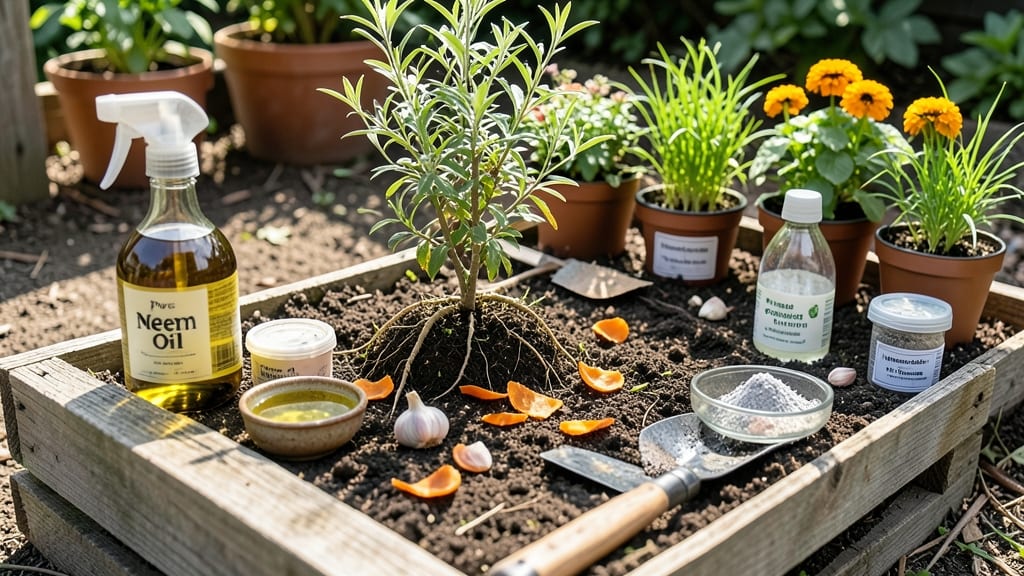
How to get rid of termites in soil naturally—before they turn your garden into a hollowed-out wasteland. 🌱 I've battled these wood-eating pests for years, and this boiling water-vinegar combo actually works—no chemicals, no guesswork. The secret lies in targeting their moisture-loving habits while suffocating their tunnels.
You only need three things: a kettle, white vinegar, and a long-handled spoon. No fancy tools or expensive sprays—just heat, acid, and precision. The vinegar disrupts their pheromone trails while boiling water kills workers and larvae on contact. It's brutal but effective, and your plants won't even notice the difference.
Within 24 hours, you'll see fewer swarmers and damaged roots. The soil stays usable for planting, and beneficial microbes return faster than with chemical treatments. This method doesn't just mask the problem—it eliminates colonies at their source.
Works best in spring or fall when termites are most active near the soil surface. For stubborn infestations, repeat weekly until you spot no new damage. The key? Consistency—termites rebuild fast when you give them half a chance.
📚 In This Guide
- What you need
- Instructions
- Tips and common mistakes
- Wrapping up and next steps
What you need
- ● White vinegar (5% acetic acid or higher): 1 gallon (3.8 liters) – The acidity disrupts termite exoskeletons and colonies.
- ● Boiling water: 1 gallon (3.8 liters) – Scalding water kills termites on contact and flushes them from soil.
- ● Garden hose with adjustable nozzle – For precise application of boiling water.
- ○ Spray bottle (optional but helpful): 16 oz (473 mL) – For vinegar application in hard-to-reach areas.
- ● Heavy-duty gloves – Protects your hands from heat and vinegar.
- ● Protective eyewear – Shields against splashes.
- ● Long sleeves and pants – Covers skin to prevent irritation.
- ● Shovel or trowel – For stirring soil and identifying termite activity.
- ● Bucket (heat-resistant): 5-gallon capacity – To mix boiling water and vinegar safely.
- ● Plastic sheeting or tarp – To cover nearby plants or sensitive areas.
- ● Neem oil (1 tbsp per gallon of vinegar) – Enhances termite-repelling properties.
- ● Diatomaceous earth (food-grade): ½ cup – Sprinkle around the perimeter for added protection.
- ● Flashlight or headlamp – For inspecting soil in low-light conditions.
- ● Termite bait stations (if available) – For long-term prevention.
Step-by-Step instructions for eliminating termites in soil naturally
Here's the method I've used to clear termite-infested soil without harsh chemicals.
🌱 Step 1: Identify and Locate Active Termite Tunnels
Termites build mud tubes along foundation walls, tree trunks, and garden beds. Look for ¼-inch-wide, pencil-shaped tubes on soil surfaces or vertical structures. Run your finger along these tubes—they should feel firm but crumbly when dry. Focus your treatment on areas with active tubes (not just old, abandoned ones).
Use a flashlight at ground level to spot tiny swarmers (winged termites) or discarded wings near tube openings. These are clear signs of a live colony. Mark treated areas with flags or stakes so you don't miss spots during follow-up applications. I always treat a 2-foot perimeter around visible tubes to catch hidden activity.
💧 Step 2: Prepare the Boiling Water and Vinegar Solution
For every 1 gallon of boiling water, add ½ cup white vinegar and 1 tablespoon dish soap. The vinegar disrupts termite pheromone trails, while the soap breaks down their waxy outer layers. Heat water to a full rolling boil (212°F)—this kills termites on contact and penetrates soil cracks.
Pour the solution immediately into a 1-gallon watering can with a narrow spout. Let it cool for 30 seconds before applying—hotter than this risks cracking clay pots or burning nearby plants. I like to work in 10-foot sections at a time to maintain consistency in coverage.
☀️ Step 3: Apply Directly to Tubes and Soil Surface
Pour the boiling solution directly onto mud tubes until they're thoroughly saturated and begin to bubble. The heat kills termites instantly, while the vinegar-soap mixture prevents reinfestation. For heavily infested areas, repeat the treatment every 3-5 days for 2 weeks—this breaks the colony's reproductive cycle.
Extend treatment to the soil surface within 6 inches of tubes, as termites forage underground. Avoid oversaturating—soil should feel damp but not soggy after treatment. I always wear gloves and long sleeves during application, as the solution can irritate skin.
✂️ Step 4: Follow Up with Preventative Measures
After eliminating active termites, create a 2-inch barrier of dry sand or diatomaceous earth around treated areas. This prevents new colonies from establishing. Water the soil lightly once weekly to maintain moisture levels that discourage termite activity.
Monitor treated zones for new mud tubes or swarmers for 3 months. If you spot any, repeat the boiling water treatment immediately. I also recommend planting termite-repelling herbs like mint or lemongrass near vulnerable structures—their strong scent masks termite trails naturally.
Tips & tricks for natural termite elimination in soil
Between us, I've seen this method work wonders—but only when you nail these key details. Here's what nobody tells you about getting it right.
The Heat Factor: The boiling water needs to reach a full rolling boil at 212°F to penetrate termite tunnels effectively. I use a large pot with a thermometer to confirm the temperature—anything less won't kill the colony completely. For extra insurance, let the water boil for 2 full minutes before mixing in vinegar and soap, as this ensures the heat is at its peak when applied.
Application Precision: In Step 3, when you're pouring the solution, focus on completely saturating the mud tubes until they bubble vigorously. The bubbles indicate steam penetration into the tunnels where termites hide. I've found that using a narrow spout watering can gives me better control over application—no wasted solution on surrounding soil. Remember, you want the tubes to stay damp for at least 10 minutes after application to maximize effectiveness.
Safety First: The vinegar-soap mixture can be harsh on skin and plants. I always wear nitrile gloves and long sleeves during application, and I keep a bucket of water nearby to immediately rinse any accidental spills on nearby vegetation. For delicate plants, I create a 1-foot buffer zone around their bases when applying the solution, as the vinegar's acidity can damage foliage over time.
Follow-Up Strategy: The 3-month monitoring period in Step 4 is non-negotiable. I've seen termite colonies rebound when people stop checking after just a few weeks. Set a reminder in your calendar to inspect treated areas every 2 weeks during the first month, then monthly for the remaining time. If you spot any new activity, repeat the treatment immediately—don't wait for the colony to grow larger.
Pro Tips for Get Rid Of Termites In Soil Naturally
- Between us, I've seen this method work wonders—but only when you nail these key details.
- The Heat Factor: The boiling water needs to reach a full rolling boil at 212°F to penetrate termite tunnels effectively.
- Application Precision: In Step 3, when you're pouring the solution, focus on completely saturating the mud tubes until they bubble vigorously.
Frequently asked questions
Got questions about tackling termites naturally?
You’re not alone—this pesky problem stumps even the most prepared homeowners. Below, we’ve answered the most common queries to help you feel confident and informed before taking action.
1. How long does it take for the boiling water and vinegar method to kill termites in the soil?
The effects are often visible within 24 to 48 hours, but complete eradication may take 1–2 weeks since termite colonies are interconnected. Reapply the treatment every 3–5 days for the first two weeks to ensure no survivors remain. Patience is key—don’t expect overnight miracles!
2. Is vinegar safe to use around plants and lawns? Won’t it harm my garden?
White vinegar is non-toxic to plants when used in moderation, but it can temporarily alter soil pH. For safety, apply the solution away from plant roots (at least 6–12 inches) and water the area afterward to dilute it. If you’re worried, test a small patch first!
3. What if termites keep coming back after treatment? Did I miss something?
Termites are persistent, so reapplication is critical. If they return, check for:
- New entry points (cracks, wood-to-soil contact)
- Moisture issues (fix leaks or improve drainage)
- Undiscovered colonies (extend treatment to a wider area)
4. Can I use this method for termites in wooden structures (like fences or decks)?
The boiling water + vinegar combo works best for soil-borne termites, but for wood-infesting termites, combine it with:
- Direct vinegar sprays on exposed wood
- Wood treatments like borax or orange oil
- Sealing cracks with sand or caulk
5. Are there natural alternatives if vinegar doesn’t work for me?
Try these termite-repelling natural options:
- Neem oil (toxic to termites, mix with water)
- Chlorantraniliprole (organic bait) (lures and kills)
- Essential oils (tea tree, peppermint, or clove oil)
- Diatomaceous earth (food-grade) (sprinkle in termite paths)
Wrapping up and next steps
Termites don’t stand a chance against the power of boiling water and vinegar—a natural, chemical-free way to reclaim your soil and protect your home! 🌱 By combining these simple yet effective methods, you’re not just eliminating pests; you’re safeguarding your property without harsh toxins.
The key is consistency and patience, but the results speak for themselves.
Ready to take action? Start by inspecting your property today, then roll up your sleeves and tackle those termites head-on. Your home—and peace of mind—will thank you! 💪 Learn how to maintain termite-free soil long-term.