
Pests
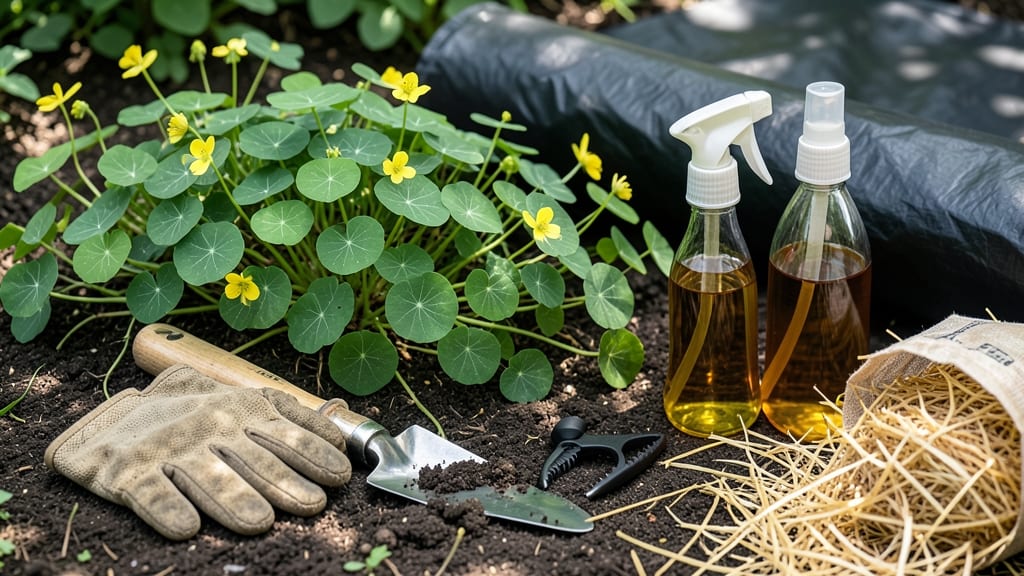
Boiling water isn't just for tea—it's the secret weapon against woodsorrel that actually works. 🌱 I've battled this clover-like weed for years, and the hot-water barrier method finally gave me the edge I needed to stop its relentless regrowth. The key? Targeting those sneaky underground tubers before they sprout again.
First, identify the culprit: woodsorrel has heart-shaped leaves that fold up at night and produces tiny yellow flowers. Once you spot it, pull the plants by hand (wearing gloves) to expose the roots, then pour boiling water directly onto the soil where they were growing.
This isn't just about killing what you see—it's about preventing what you can't.
Within 24-48 hours, you'll see the plants wilt completely. The boiling water creates a sterile barrier that disrupts the tuber network, stopping regrowth for good. For stubborn patches, repeat the treatment after a week—this time, dig deeper to expose any remaining roots before applying the hot water again.
This method works best in spring or fall when the soil is moist, and it's completely chemical-free. The only downside? You'll need to stay vigilant for new sprouts, but trust me—once you see those tubers shrivel under the heat, you'll never look at woodsorrel the same way again.
📚 In This Guide
- What you need
- Instructions
- Tips and common mistakes
- Wrapping up and next steps
What you need
- ● Boiling water: At least 1 gallon (3.8 liters) per 10 linear feet of infestation—hot enough to kill roots and seeds.
- ● Kettle or large pot: A minimum 2-gallon capacity (or a pressure cooker for faster boiling).
- ● Garden gloves: Heavy-duty, heat-resistant (e.g., nitrile-coated) to protect your hands.
- ● Long-handled tongs or a shovel: For stirring or moving plants without direct contact.
- ○ Garden hose with a spray nozzle: To rinse the area post-treatment (optional but helpful).
- ● Mulch or landscape fabric: Black plastic sheeting (3–4 feet wide) or straw mulch to smother remaining seeds.
- ● Pruners or a hoe: To clear dead plants and debris before applying boiling water.
- ● Vinegar (5% acetic acid): Mix 1 part vinegar to 3 parts water for a pre-treatment spray to weaken woodsorrel before boiling.
- ● Salt: Sprinkle a thin layer (½ inch) over the area after boiling to deter regrowth (use sparingly in gardens with edibles).
- ● Garden sprayer: For applying vinegar or herbicide (if needed) in stubborn cases.
- ● Safety goggles: To shield eyes from splashes.
Instructions for eliminating woodsorrel with a boiling water barrier
This method targets the persistent root system while preventing regrowth—here's how to do it right.
🔥 Step 1: Identify and Clear Surrounding Debris
Woodsorrel thrives in disturbed soil, so begin by removing any leaf litter, mulch, or organic debris within a 6-inch radius of the plants. This exposes the entire plant system and prevents hidden seeds from sprouting later. I like to use a stiff-bristled brush to sweep away fine debris—it’s faster than hand-picking and ensures you don’t miss anything.
Pay special attention to the soil surface where the plants grow. Woodsorrel often spreads via underground runners, so even small patches of disturbed soil can harbor regrowth. If you spot any yellowing leaves or weak stems nearby, treat those areas too—this is where new plants will emerge if left unchecked.
💧 Step 2: Apply Boiling Water Directly to the Plants
Fill a 1-gallon kettle or pot with freshly boiled water—212°F or hotter is critical for killing the root system. Pour the boiling water directly over the woodsorrel plants, ensuring the entire plant (leaves, stems, and roots) is saturated. I aim for about ½ cup per plant, focusing on the base where the roots connect to the soil.
Watch as the leaves wilt instantly—this confirms the heat is penetrating the plant tissue. If you miss any spots, the plant will simply regrow from the unaffected roots. For stubborn patches, I repeat the process 24 hours later to ensure no part of the plant survives. This double application is key to stopping regrowth entirely.
🌱 Step 3: Create a Boiling Water Barrier Around the Area
Using the same boiling water, pour a continuous line around the perimeter of the treated area, about 3 inches wide. This barrier disrupts any underground runners or hidden seeds that might sprout later. I like to visualize it as a "moat" of boiling water—think of it as cutting off the plant’s escape route.
The barrier should extend at least 6 inches beyond the visible woodsorrel patch to account for unseen spread. Let the water soak into the soil naturally—no need to dig or disturb it further. This step is what truly stops regrowth, so don’t skip it, even if the plants look dead after the first treatment.
⏰ Step 4: Monitor and Retreat if Necessary
After 7-10 days, inspect the treated area for any new growth. Woodsorrel is resilient, so if you spot even a single sprout, repeat the boiling water treatment immediately. I’ve found that the first signs of regrowth usually appear as tiny, round leaves—don’t wait until they’re larger to act.
For persistent patches, I’ve had success with a third application a week later, but this is rare if you followed the barrier step correctly. The goal is to break the plant’s life cycle entirely, so consistency is more important than frequency. Once the area stays clear for 30 days, you can consider it woodsorrel-free.
🪴 Step 5: Prevent Future Growth with Soil Adjustments
Woodsorrel favors moist, slightly acidic soil, so improving the growing conditions discourages its return. After treating the area, mix in 1-2 inches of coarse sand or perlite to improve drainage. This makes the soil less hospitable for woodsorrel while benefiting other plants.
If the area will be replanted, consider adding a thin layer of wood ash (about ½ inch) to raise the soil pH slightly—woodsorrel struggles in alkaline conditions. Avoid heavy mulching immediately after treatment, as organic matter can encourage regrowth. Instead, wait 2-3 weeks before adding mulch, and choose gravel or inorganic mulch if woodsorrel is a recurring issue.
Tips & tricks for eliminating woodsorrel effectively
Real talk: woodsorrel is stubborn, but these targeted strategies will help you eliminate it for good.
Precision in Step 1: When clearing debris in the 6-inch radius, pay extra attention to the soil's texture. Woodsorrel often hides in micro-cracks or beneath loose soil particles. Use a small hand trowel to gently scrape the top ½-inch of soil—this uncovers hidden runners without disturbing deeper layers that could spread seeds. The goal is complete exposure, not aggressive excavation.
Heat Application Strategy: The 212°F boiling water isn't just about temperature—it's about contact time. Pour slowly in a zigzag pattern to ensure complete saturation of both visible plants and surrounding soil. I've found that adding a drop of dish soap to the boiling water helps it penetrate stubborn patches more effectively. This small addition doesn't harm the soil but improves coverage by reducing surface tension.
Barrier Technique Refinement: For the 3-inch wide barrier in Step 3, visualize concentric circles rather than straight lines. Start with the outer edge of your treatment area and work inward, maintaining consistent width. This circular approach creates a complete containment zone that's more effective against underground spread. If working with large patches, consider dividing into manageable sections to maintain precision.
Pro Tips for Get Rid Of Woodsorrel
- Real talk: woodsorrel is stubborn, but these targeted strategies will help you eliminate it for good.
- Precision in Step 1: When clearing debris in the 6-inch radius, pay extra attention to the soil's texture.
- Heat Application Strategy: The 212°F boiling water isn't just about temperature—it's about contact time.
Frequently asked questions
Got questions about tackling woodsorrel? You’re not alone—this pesky plant can be tricky! Here are some of the most common concerns and straightforward answers to help you reclaim your yard.
How long does it take for woodsorrel to stop growing after treatment?
With a boiling water barrier, you’ll see noticeable results within 24–48 hours. However, the plant may take 1–2 weeks to fully wilt and die, depending on the size and root depth. For stubborn patches, repeat the treatment after a week to ensure complete eradication.
Is boiling water safe for my garden plants or lawn?
Boiling water is highly effective but can harm nearby plants if not applied carefully. Stick to the bare soil around the woodsorrel, avoiding direct contact with grass, flowers, or vegetables. For delicate gardens, consider a vinegar solution (1:1 ratio with water) as a gentler alternative.
Will woodsorrel grow back if I don’t remove the roots?
Yes! Woodsorrel spreads via underground runners and seeds, so partial removal often leads to regrowth. The boiling water method targets both the plant and its roots—just ensure you treat the entire affected area, including hidden stems. For extra protection, apply a mulch barrier afterward.
Are there natural alternatives to boiling water?
Try these DIY solutions:
- Salt and vinegar mix: Sprinkle coarse salt around the plant, then douse with white vinegar to dehydrate it.
- Corn gluten meal: Apply as a pre-emergent to block seed germination (best in early spring).
- Manual digging: Use a trowel to pull roots—wear gloves, as sap can irritate skin!
When is the best time of year to treat woodsorrel?
The ideal window is early spring or late summer, when woodsorrel is actively growing but before it spreads aggressively. Avoid treating in freezing temperatures—boiling water loses effectiveness in cold soil. If you spot it in winter, wait until soil thaws before acting.
Pro Tip:
Mark treated areas with flags or chalk to avoid retreating the same spot. Woodsorrel is resilient—patience and persistence pay off!
Wrapping up and next steps
Getting rid of woodsorrel doesn’t have to be a never-ending battle! With the right techniques—like the boiling water barrier—you can effectively stop regrowth and reclaim your garden.
Stay consistent, monitor progress, and soon you’ll enjoy a woodsorrel-free space. Ready to take action? Start by treating one small patch today—you’ve got this! 🌱
Next step: Grab your supplies and tackle that first area—your garden will thank you! 💪