
Planting
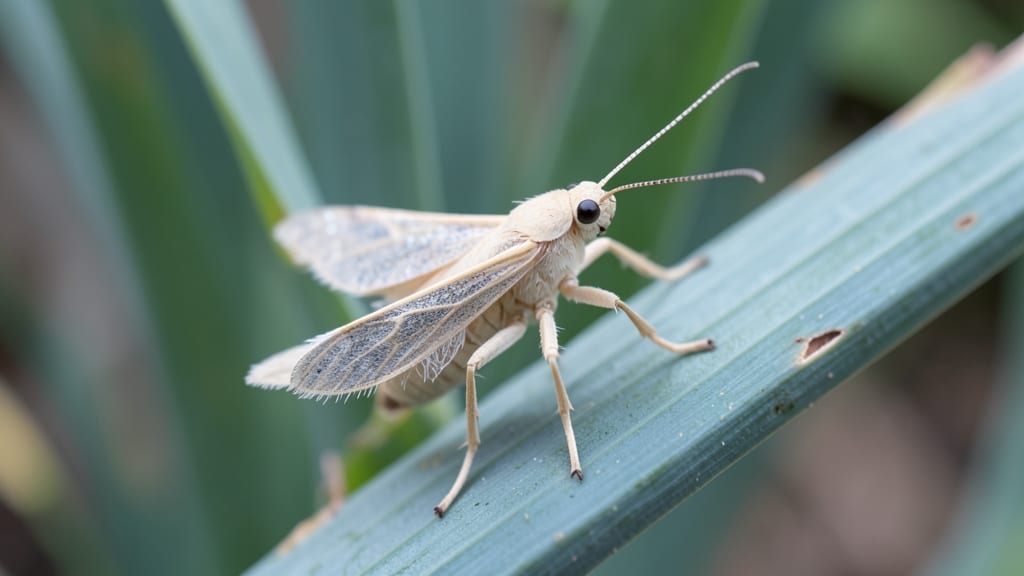
Yucca bugs are the worst—how to get rid of tiny invaders that turn your striking plants into skeleton leaves overnight. 🌿 I’ve battled them for years, and this boiling water drench method smothers eggs and larvae on contact, without harsh chemicals.
It’s the one trick that finally gave me back my yucca’s dramatic, sword-like foliage.
The secret lies in timing and precision. You’ll need a kettle, a small watering can, and a 10-second window to pour boiling water directly onto infested areas.
This kills pests instantly while leaving the plant unharmed—no sooty mold, no chemical residue. Just one treatment can stop an infestation in its tracks.
What you’ll end up with is a yucca that looks like it just arrived from the nursery—bold, upright, and bug-free. The method works for spider mites, scale, and even yucca moths, and it’s safe for pets and kids once the water cools.
For stubborn cases, combine this with neem oil sprays or insecticidal soap. But start here—this is the fastest, most reliable fix I’ve found after years of trial and error.
Root Causes of Yucca Plant Bugs
Yucca plants are hardy and drought-resistant, but they’re also magnets for pests like yucca moths, scales, and sap-sucking insects—especially the notorious yucca plant bugs (often confused with moths or beetles). Understanding why these pests target your yucca is the first step to stopping them.
Below, we break down the scientific and environmental triggers that turn your desert beauty into an all-you-can-eat buffet for bugs.
Yucca plants thrive in arid, well-draining conditions, but when their environment shifts—even slightly—they become vulnerable. Here’s how stress opens the door for pests:
- Overwatering or Poor Drainage Yuccas store water in their thick stems, but soggy roots create the perfect breeding ground for fungal diseases (like root rot) and attract soft-bodied insects (e.g., mealybugs, scales) that feed on weakened tissue.
- Why it matters: Stressed plants produce less sap, a natural pest repellent, and exude sticky honeydew—a protein-rich snack for bugs like yucca plant bugs.
- Compacted or Nutrient-Poor Soil Yuccas prefer fast-draining, mineral-rich soil. If your soil is clay-heavy, waterlogged, or depleted, the plant’s immune response weakens. - Bug magnet alert: Yucca moths (not bugs, but critical allies) lay eggs in flowers only on healthy plants.
When yuccas are struggling, generalist pests (like aphids or spider mites) move in first, paving the way for bugs.
- Extreme Temperature Swings Yuccas hate sudden cold snaps (below 20°F) or heatwaves (above 100°F).
Cold stress can kill beneficial microbes in the soil, while heat shock reduces chlorophyll production, making leaves less resilient. - Result: Bugs like yucca plant bugs (which thrive in 70–90°F) detect the plant’s increased sugar content in stressed leaves and go for the easy meal.
Yucca plant bugs (often Lygus hesperus or Tetragnatha species) aren’t random visitors—they’re specialized feeders drawn by specific traits of yucca plants:
- Floral Nectar & Pollen Yucca flowers are protein-packed and high in sugars, making them a primary food source for adult bugs.
While yucca moths pollinate the flowers, plant bugs use them as a protein bar before moving to the leaves. - Key detail: Bugs pierce flower buds to feed, which stunts blooms and leaves the plant open to further infestation.
- New Growth & Soft Tissue Yuccas grow new leaves and stems in spring/summer—these are tender, water-rich, and low in defensive compounds (like saponins, which deter pests).
- Bug behavior: Nymphs (baby bugs) prefer young leaves because their mouthparts can’t penetrate tougher, mature foliage.
- Honeydew from Other Pests If your yucca already has aphids, scales, or whiteflies, their honeydew (a sugary waste product) acts like a bug dinner bell.
Yucca plant bugs farm these secondary pests to access the honeydew and the plant’s sap. - Pro tip: 💡 Break the cycle by treating honeydew-producing pests first—they’re the invitation for yucca bugs.
Sometimes, we bring the bugs home. Here’s how human habits worsen infestations:
- Introducing Infested Plants Buying yucca (or other succulents) from nurseries with poor pest control can mean hitchhiking bugs.
Even a single egg sac hidden in a leaf axil can hatch into a full-blown colony. - Red flag: Check for tiny white eggs (laid in clusters) or black frass (feces) on new plants.
- Over-Fertilizing with Nitrogen Too much nitrogen-rich fertilizer (like blood meal or synthetic 30-10-10) boosts leaf growth but reduces defensive compounds like alkaloids and tannins.
- Bug bonus: Soft, fast-growing leaves are easier to pierce, and the high nitrogen makes them more nutritious for bugs.
- Ignoring Beneficial Predators Yuccas rely on parasitoid wasps, ladybugs, and lacewings to keep bug populations in check.
If you use broad-spectrum pesticides (like malathion), you wipe out the good guys while leaving resistant yucca bugs to multiply. - Nature’s balance: 🌡️ Encourage predators by planting dill, fennel, or marigolds nearby—they attract beneficial insects.
Yucca plant bugs are sap-sucking hemipterans, meaning they use stylet mouthparts to pierce cells and extract phloem sap (the plant’s nutrient transport system). Here’s how they exploit yuccas:
| Bug Action | Plant Reaction | Why It’s Bad for Yucca |
|---|---|---|
| Injects saliva | Plant cells swell and burst (plasmolysis) | Leaves develop yellow stippling (dead cells). |
| Feeds on phloem | Reduced nutrient flow to roots/flowers | Stunted growth, fewer blooms, weak root system. |
| Lays eggs in leaf axils | New nymphs emerge in 5–7 days | Exponential growth if untreated. |
| Transmits viruses | Yucca mosaic virus spreads | Chronic wilting, deformed leaves, death. |
- Critical note: 🎯 A single female bug can lay 50–100 eggs in her lifetime. Without intervention, a dozen bugs can become thousands in a season.
Yucca plant bugs are most active during:
- Late spring to early summer (when new growth is tender).
- Dry, windy periods (bugs move to moist, shaded yuccas).
- After rain (sudden humidity softens leaves, making them easier to penetrate).
Prevention tip: 🌡️ Monitor yuccas after rain—this is when bugs peak feeding and egg-laying.
Quick Fixes for Yucca Plant Bugs
Yucca plants are hardy and stunning, but those pesky bugs can turn your green thumb into a battleground. 🌱🐛 The good news? You don’t need a degree in entomology to win.
Below are targeted solutions for the most common causes of yucca plant bugs—whether it’s aphids, mealybugs, scale, or those sneaky larvae—and how to smother them for good. Plus, we’ll share prevention tips so your yucca stays bug-free long-term.
The key to beating yucca plant bugs is acting fast.
Check your plant weekly for these red flags: - Sticky residue (honeydew) on leaves or soil 🍯 - White, cottony clusters (mealybugs) or tiny black specks (sooty mold from honeydew) - Yellowing leaves or new growth that looks stunted - Adult bugs (aphids, scales, or beetles) crawling on stems or leaves
💡 Pro Tip: Use a hand lens or magnifying glass to spot eggs or larvae before they hatch into a full-blown infestation.
1. 🐛 Mealybugs & Scale: Smother the Soft-Bodied Invaders
Mealybugs and scale insects love yucca plants because they thrive in dry, warm conditions. Here’s how to drown them out:
- 🔥 Boiling Water Drench (Best for Small Infestations) - What you’ll need: A kettle, a small watering can, and patience. - How to do it: 1. Boil 1 gallon of water and let it cool for 5–10 minutes (just warm, not scalding). 2.
Pour the water directly over the bugs, focusing on undersides of leaves, stems, and soil line. 3. Repeat every 3–4 days for 2 weeks to kill eggs and larvae. - Why it works: The heat smothers the bugs and their eggs without harming the plant.
- 👨🍳 Neem Oil Spray (For Larger or Hidden Infestations)
- Mix 1 tbsp neem oil + 1 tsp mild soap + 1 quart water in a spray bottle.
- Spray thoroughly (especially under leaves) every 5–7 days for 3 weeks.
- Bonus: Neem oil disrupts their life cycle, preventing regrowth.
💡 Pro Tip: If bugs are deep in the soil, mix 1 part neem oil with 10 parts water and water the base of the plant.
2. 🐜 Aphids & Spider Mites: Blast Them Away
Aphids and spider mites suck sap from yucca leaves, causing curls, wilting, and sticky messes. Here’s how to flush them out:
- 🔪 Strong Water Spray (Instant Relief) - What you’ll need: A hose with a nozzle (or a spray bottle for small plants). - How to do it: 1. Wet the plant thoroughly, focusing on leaf undersides and new growth.
- Blast with a strong stream to knock off bugs (aphids are weak swimmers!).
- Repeat every 2–3 days until gone. - Why it works: Aphids can’t survive in a wet environment, and the force physically removes them.
- 🌡️ Insecticidal Soap (Chemical-Free Kill) - What you’ll need: Store-bought insecticidal soap (or DIY: 1 tsp castile soap + 1 quart water). - How to do it: 1. Spray until leaves are damp (but not dripping).
- Wait 2 hours, then rinse off to avoid leaf burn.
- Apply every 5 days for 2 weeks. - Why it works: Soap dissolves their protective wax layer, dehydrating them.
💡 Pro Tip: Release ladybugs or lacewings near your plant—they eat aphids naturally!
3. 🐛 Yucca Moth Larvae: The Underground Menace
Yucca moth larvae burrow into flower buds, preventing blooms and weakening the plant. Stop them before they hatch!
- 🔪 Handpick & Destroy (Best for Early Stages)
- How to do it:
- Wear gloves and inspect flower buds for white, worm-like larvae.
- Drop them into soapy water (not the soil—they’ll just hatch elsewhere!).
- Check daily during blooming season (spring/summer).
- How to do it:
- 🌱 Prune Infested Buds
- If you see chewed or discolored buds, snip them off and dispose of them in a sealed bag.
- Why? Prevents larvae from spreading to other buds.
💡 Pro Tip: Plant yucca in well-draining soil—larvae hate soggy conditions, so avoid overwatering.
Once you’ve cleared the infestation, take these steps to keep yucca plant bugs away:
| Prevention Tip | How to Do It | Why It Works |
|---|---|---|
| 🌿 Healthy Soil = Happy Plant | Use sandy, well-draining soil (yucca bugs love moist, nutrient-rich dirt). | Bugs thrive in weak plants—strong roots = less appeal. |
| ☀️ Full Sun Exposure | Place yucca in 6+ hours of direct sunlight daily. | Many bugs avoid hot, dry conditions. |
| 💦 Water at the Base (Not Leaves) | Water only the soil, not foliage. | Prevents fungus gnats and aphids from laying eggs in damp leaves. |
| 🍃 Regular Pruning | Trim dead leaves and spent blooms monthly. | Removes hiding spots for eggs and larvae. |
| 🐞 Introduce Beneficial Bugs | Plant marigolds, lavender, or basil nearby to attract ladybugs and parasitic wasps. | These natural predators keep pest populations low. |
| 🧼 Clean Tools & Pots | Sterilize pruners with rubbing alcohol and repot every 2 years. | Prevents soil-borne pests from moving in. |
If your yucca is severely infested (e.g., every leaf is covered in scale or larvae are everywhere), it might be time to consult a local gardening expert or extension service. They can recommend stronger, targeted treatments (like systemic insecticides) if needed.
Final Thought: Yucca plant bugs are annoying but beatable—especially with boiling water, neem oil, and good old-fashioned elbow grease. 💪 Act fast, stay consistent, and soon your yucca will be bug-free and blooming beautifully! 🌸
Frequently asked questions about yucca plant bugs
Why does my yucca suddenly get these bugs even when it's healthy?
Yucca plant bugs are attracted to new growth and flowering periods, which happen even on healthy plants. They also target honeydew from other pests like aphids, so check for secondary infestations first. These bugs thrive in dry, warm conditions—common in yucca's native habitat.
How often should I check my yucca for bugs?
Inspect your yucca every 5-7 days during growing season (spring/summer). Focus on leaf undersides, stems, and flower buds where eggs hide. After rain or when new growth appears, check daily—these are peak times for bug activity.
Is boiling water safe for my yucca plant?
Yes, when done correctly! Use cooled (not scalding) boiling water and apply directly to bugs, avoiding healthy leaf tissue. The heat kills pests instantly while the plant recovers quickly. For extra safety, test on one leaf first—yuccas are tough but not indestructible.
What's the fastest way to stop a severe infestation?
Combine boiling water drenches with neem oil spray—apply boiling water first to kill visible bugs, then neem oil to disrupt egg development. For stubborn cases, prune heavily infested leaves and dispose of them in sealed bags. Repeat treatments every 3-4 days for 2 weeks.
Can I use store-bought insecticides on my yucca?
Use only mild insecticidal soaps or horticultural oils—avoid chemical pesticides that can harm beneficial insects and the plant itself. For severe cases, consult a local extension service about systemic treatments, but always test on a small area first and monitor your yucca closely.