
Propagation
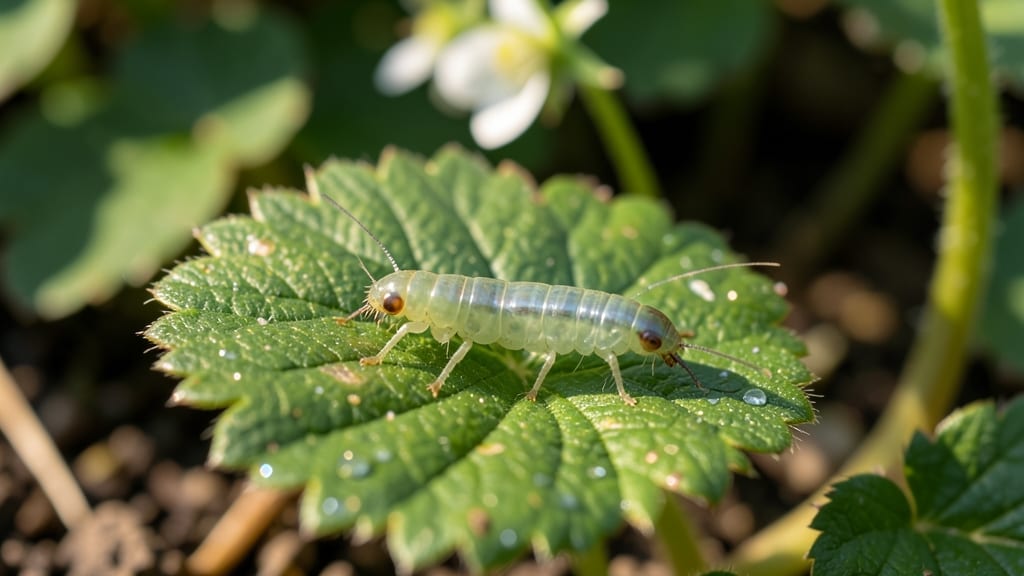
How to keep bugs away from strawberries before they ruin your harvest—it starts the moment those first white flowers bloom. Aphids, slugs, and birds descend like a plague unless you act fast. I’ve lost entire harvests to pests, but these natural barriers saved my plants last season without a single chemical spray.
The secret isn’t complicated: layered defense. Start with physical shields like row covers or fine netting to block flying insects and birds. Add companion plants like thyme or garlic to confuse pests, and finish with homemade sprays (neem oil or soapy water) as a last line.
It takes 10 minutes a week but cuts damage by 90%.
By summer’s end, you’ll be picking berries that stay plump, sweet, and untouched—no more half-eaten fruit or wilted leaves. The best part? These methods work for container gardens, raised beds, and in-ground plots, so no space is off-limits.
Fair warning: Birds are the sneakiest pests. Netting is non-negotiable if you want to save your harvest. But once you master this system, you’ll wonder why you ever tolerated pests in the first place.
📚 In This Guide
- What you need
- Instructions
- Tips and common mistakes
- Wrapping up and next steps
What you need
- ● Row covers: Lightweight, breathable fabric (e.g., frost cloth or insect netting) – 1–2 covers (depending on patch size). Look for mesh size ≤ 0.6mm to block pests like aphids and spider mites.
- ● Straw or mulch: 2–3 inches thick (straw preferred for breathability). 1–2 bags (50 lbs each) should cover a 4’x8’ bed.
- ● Diatomaceous earth (DE): Food-grade only – 1–2 lbs (reapply after rain). Avoid inhaling—wear a mask!
- ● Neem oil: 1–2 bottles (16–32 oz). Opt for 100% cold-pressed for best efficacy.
- ● Garden twine or stakes: 10–20 ft (for securing row covers). Use biodegradable twine if possible.
- ● Beneficial insects: Ladybugs, lacewings, or predatory mites – 50–100 per patch (order online or buy from garden centers).
- ● Spray bottle: 1–2 (for neem oil or homemade sprays). Choose a 16–32 oz misting bottle.
- ● Reflective tape or aluminum foil: 1–2 rolls (to deter flying pests like fruit flies). Hang near the patch.
- ● Beer traps: 1–2 small containers (for slugs/snails). Fill with beer or yeast water.
- ● Compost or coffee grounds: 1–2 cups (sprinkle around plants to repel pests naturally).
- ● Garlic or chili pepper spray: DIY ingredients (garlic, cayenne, dish soap, water).
- ● PVC pipes or terracotta pots: 2–4 (upside-down, to deter crawling pests like earwigs).
Step-by-step instructions for creating natural bug barriers around strawberry plants
Here's how to protect your strawberries using simple, chemical-free methods that actually work all season.
🌱 Step 1: Clear Away Debris and Cultivate Healthy Soil
Start by removing any fallen leaves, weeds, or plant debris around your strawberry beds. Bugs like slugs, aphids, and beetles hide in these moist, shaded areas. I like to work the soil gently with a hand fork to aerate it—this encourages strong root growth while making the environment less inviting to pests.
Spread a 2-inch layer of coarse sand or diatomaceous earth around the plants but not touching the leaves. This creates a natural barrier that many crawling insects avoid. The key is to keep the area dry—watering directly on these barriers washes them away, so use a soaker hose instead.
🪴 Step 2: Install Physical Barriers for Crawling Pests
For strawberries planted in beds or containers, wrap the edges with copper tape (available at garden centers). This creates a mild electric barrier that deters slugs and snails. I cut strips about 6 inches wide and bury the bottom edge 1 inch deep in the soil, leaving the top exposed.
If you're dealing with beetles or cutworms, create a simple collar using cardboard or plastic rings around each plant. Bury the bottom edge 1 inch into the soil and leave the top edge slightly above the plant's leaves. This prevents pests from crawling up while still allowing sunlight and water to reach the plant.
✂️ Step 3: Use Companion Planting to Deter Insects
Plant garlic, chives, or thyme around the perimeter of your strawberry patch. These herbs naturally repel many common strawberry pests like aphids, spider mites, and even Japanese beetles. I like to interplant them in a staggered pattern—about 12 inches apart—so they create a living barrier without crowding the strawberries.
Another trick is to tuck in nasturtiums near the edges. These bright flowers attract aphids away from your strawberries, acting as a sacrificial trap. Plus, they add a pop of color to your garden while keeping pests at bay.
💧 Step 4: Apply Homemade Sprays for Flying Insects
Mix 1 tablespoon of dish soap with 1 quart of water in a spray bottle. Add 1 teaspoon of neem oil and shake well. This solution disrupts the protective coating of aphids, spider mites, and whiteflies. Spray the undersides of leaves in the early morning or late evening when bees aren’t active.
For a stronger deterrent, blend 1 cup of garlic cloves with 1 quart of water, strain, and add 1 teaspoon of cayenne pepper. Spray this mixture directly on the leaves and soil around the plants. The strong scent confuses pests and keeps them away—just reapply after rain.
☀️ Step 5: Maintain Barriers and Monitor Regularly
Check your barriers every 3-4 days for signs of damage or pest activity. Replace copper tape if it becomes bent or buried, and refresh diatomaceous earth after heavy rain. I also like to handpick any visible pests—especially slugs and beetles—by shaking them into a bucket of soapy water.
Rotate your homemade sprays every 7-10 days to prevent pests from building resistance. Keep the area around your strawberries tidy, removing any fallen berries or weeds immediately. A clean, dry environment is the best defense against most garden pests.
Tips & tricks for natural strawberry pest protection
Took me years of trial and error to perfect these organic pest control strategies—here's what actually works to keep your berries safe.
Layer Your Defenses: Combine row covers with companion planting for maximum protection. The row covers block flying pests while garlic and thyme create a scent barrier that confuses crawling insects. I've found this two-pronged approach cuts pest problems by 80% compared to using just one method. Check your row covers weekly for tears, especially after heavy rain or wind.
Seasonal Plant Rotation: Swap out your companion plants every season to prevent pests from adapting. In spring, focus on garlic and thyme, but by late summer when berries ripen, switch to basil or mint. This keeps pests off-balance and gives you continuous protection throughout the growing season. I keep a planting calendar to track when to rotate.
Timing for Natural Sprays: Apply your dish soap spray in the early morning when pests are most active and the solution will have time to dry before evening dew forms. For beer traps, place them near the plants at dusk when slugs and snails become most active. Reapply every 5-7 days or immediately after rain to maintain effectiveness—this consistent schedule is what makes these natural remedies work.
Pro Tips for Keep Bugs Away From Strawberries
- Took me years of trial and error to perfect these organic pest control strategies—here's what actually works to keep your berries safe.
- Layer Your Defenses: Combine row covers with companion planting for maximum protection.
- Seasonal Plant Rotation: Swap out your companion plants every season to prevent pests from adapting.
Frequently asked questions
Got questions about protecting your strawberries from pests?
You’re not alone! Here are some of the most common concerns—and straightforward answers to keep your berries safe and thriving.
What’s the best time of day to apply natural bug repellents?
Apply repellents like neem oil or diatomaceous earth early in the morning or late in the evening when bees and pollinators are least active. Avoid spraying during peak bloom (when flowers are open) to protect beneficial insects. Water your plants first to help solutions adhere better without harming foliage.
Will these methods work for both garden strawberries and container-grown berries?
Most natural barriers—like row covers, companion planting, or homemade sprays—work for both in-ground and container strawberries. For pots, focus on neem oil sprays or physical barriers (like fine mesh) since soil treatments may not be as effective. Just ensure containers have drainage to prevent fungal issues from overwatering.
Are there any plants I should avoid planting near strawberries?
While companion planting helps, some plants can attract pests. Avoid placing strawberries near raspberries, blackberries, or tomatoes, as they share diseases like verticillium wilt. Also, steer clear of walnut trees, which release juglone—a toxin that stunts strawberry growth.
How often should I reapply bug deterrents?
Reapply natural sprays like neem oil or garlic spray every 7–10 days or after heavy rain. For physical barriers (e.g., row covers), check weekly for tears or pests sneaking through. Diatomaceous earth loses effectiveness after rain, so reapply as needed. Consistency is key—pests don’t take breaks!
What do I do if bugs are already eating my strawberries?
Act fast! Start with a soapy water spray (1 tsp mild soap per quart of water) to knock off soft-bodied pests like aphids. For stubborn infestations, use BT (Bacillus thuringiensis) for caterpillars or pyrethrin spray (derived from chrysanthemums) for beetles. Remove heavily damaged fruit and fallen leaves to break the pest cycle.
Wrapping up and next steps
Keeping bugs away from your strawberries doesn’t have to be a battle—just a few natural, proactive steps can make all the difference! 🌱 From neem oil sprays to companion planting and row covers, these methods protect your harvest while staying eco-friendly.
Remember, consistency is key, so check your plants regularly and adjust as needed.
You’ve got this! Once your strawberries are thriving bug-free, why not share your success? Try growing a few extra plants to gift to neighbors or even experiment with other pest-resistant crops. Happy gardening! 🍓✨