
Pests
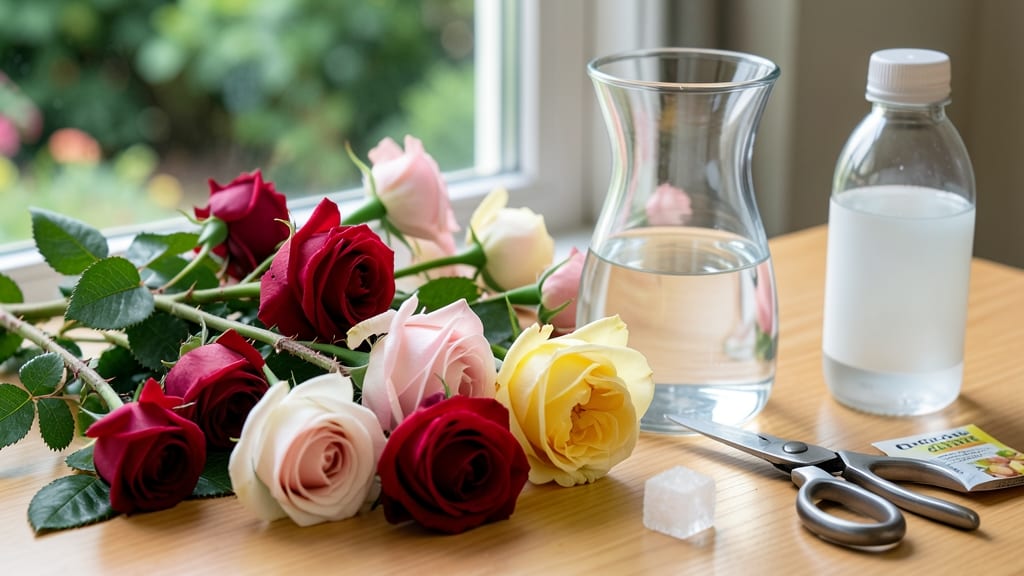
Getting how to get roses to open in a vase isn’t magic—it’s science. 🌹 I’ve saved more wilted stems than I’d like to admit, and the secret lies in how you prep them before they even hit the water.
Most florists cut stems at the wrong angle, use dirty water, or ignore the buds entirely—all mistakes that keep roses stubbornly closed.
Start by recutting the stems at a 45-degree angle right before arranging, then place them in lukewarm water with a drop of bleach or floral preservative. The key? Hydration first—roses drink through their leaves too, so strip any foliage below the waterline.
Within 24 hours, buds should begin cracking open if you’ve got the basics right.
What you end up with is roses that bloom fully in 3-5 days, not just the top petals. The stems last 7-10 days longer, and the water stays fresh-smelling (no more murky, algae-filled vases). The trick isn’t just cutting—the timing and environment matter just as much.
This works for any rose variety, whether you’re dealing with a single stem or a bouquet. The same principles apply to peonies, carnations, or even hydrangeas—once you master the basics, your flowers will thank you with vibrant, open blooms every time.
📚 In This Guide
- What you need
- Instructions
- Tips and common mistakes
- Wrapping up and next steps
What you need
- ● Fresh-cut roses – Choose buds that are just beginning to open (not fully bloomed or wilted). Aim for 6–12 stems per vase for a full, lush look.
- ● Clean vase – A glass or ceramic container (12–24 inches tall) that can hold 2–3 inches of water without overflowing.
- ● Sharp floral shears or clean scissors – Avoid dull knives to prevent crushing stems.
- ● Room-temperature water – 1–2 cups (enough to submerge stems by 2–3 inches).
- ○ Floral preservative – A commercial flower food packet (like Floralife or Smart & Final) or a DIY mix (see optional section).
- ● Sugar (1 tsp) – Boosts hydration and slows bacterial growth.
- ● Bleach or hydrogen peroxide (1/8 tsp) – Acts as a natural disinfectant for water.
- ● Acidifier (like white vinegar or lemon juice, 1 tsp) – Mimics natural rose stem chemistry.
- ● Decorative pebbles or marbles – Keeps stems submerged without touching the vase bottom.
- ● Newspaper or paper towels – For drying stems before trimming.
Step-by-Step instructions for reviving and opening roses in a vase
Here’s how I transform wilted roses into vibrant, fully open blooms—no magic, just science-backed techniques.
🌿 Step 1: Prep the Stems for Maximum Water Uptake
Start by stripping the lower leaves and thorns off the stems down to about 2 inches from the base. This prevents bacterial growth in the water and ensures the stem can absorb moisture efficiently. I use a sharp pair of pruners to make a clean, angled cut at the base—never straight across, as this can block water flow.
Place the stems immediately in a bucket of lukewarm water for 15-30 minutes. This rehydrates the stems and opens any partially closed buds. Avoid cold water, as it can shock the flowers and slow down the process. You’ll notice the stems perk up visibly within minutes.
💧 Step 2: Use the Right Water and Solution for Longevity
Fill your vase with room-temperature water—never tap water straight from the faucet, as it can contain chlorine or fluoride that harms the flowers. I add 1 tablespoon of white vinegar (to lower the pH and prevent bacterial growth) and 1 teaspoon of sugar (to feed the blooms). For extra staying power, a commercial floral preservative works wonders, but the vinegar-sugar combo is a budget-friendly alternative.
Trim the stems again at a 45-degree angle right before placing them in the vase. This increases the surface area for water absorption. Remove any remaining leaves that would sit below the waterline—submerged foliage rots quickly and clouds the water.
☀️ Step 3: Position and Care for Rapid Opening
Place the vase in a spot with indirect light—direct sunlight can cause the roses to wilt faster, while too little light slows bud opening. A kitchen counter or bathroom near a window works perfectly. Keep the water level 1-2 inches above the stems at all times; roses drink a surprising amount, and letting the stems dry out even briefly can kill them.
Change the water every 2-3 days, even if it doesn’t look dirty. Over time, bacteria build up, clogging the stems and shortening vase life. I also give the stems a quick 10-second soak in fresh water whenever I refill the vase to refresh them.
⏰ Step 4: Encourage Buds to Open with Heat and Humidity
Roses open faster in a warm, humid environment. If your home is dry, place the vase on a tray of pebbles and water to create a micro-climate of moisture around the blooms. Avoid placing them near vents, air conditioners, or drafts—temperature fluctuations cause buds to drop prematurely.
You’ll see progress within 24-48 hours: buds will plump up, petals will unfurl, and stems will firm up. If buds aren’t opening after 3 days, try snipping the stems again and recutting them underwater to refresh the flow. Patience is key—some roses take up to 5 days to fully open, depending on the variety.
✂️ Step 5: Maintain Blooms for Maximum Longevity
Once fully open, keep the roses thriving by removing any wilted petals or leaves as they appear. This prevents the plant from diverting energy to dying parts. I also avoid placing fruit or ripening produce near the vase—ethylene gas from fruits accelerates aging in flowers.
For a second life, recut the stems every 5-7 days and place them in fresh water with a new preservative solution. With proper care, some roses will last 10-14 days in a vase, far longer than their store-bought counterparts. The secret? Treating them like living plants, not just cut flowers.
Tips & tricks for perfectly revived roses
These science-backed secrets will help you coax even the most wilted roses back to life with stunning results.
Cutting Technique: When making that angled cut in Step 1, aim for a clean slice about 1/4 inch above a leaf node—this is where new growth can sprout if you're lucky! Use sharp pruners or a knife, and work quickly to minimize air exposure. The 15-30 minute lukewarm soak isn't just about hydration; it also helps flush out any air bubbles that might block water uptake later. I've found that roses with thicker stems benefit most from the full 30 minutes, while delicate varieties perk up in just 15.
Water Chemistry: The 1 tablespoon white vinegar in Step 2 does more than prevent bacteria—it creates the ideal acidic environment for water absorption. If you're concerned about vinegar smell, use apple cider vinegar instead; it's milder. For an extra boost, add 1/4 teaspoon of bleach (yes, really!) to the vase water when changing it—it sterilizes without harming the flowers. The 1 teaspoon sugar feeds the blooms' natural sugars, but avoid honey as it can ferment and create bacteria.
Lighting Strategy: That indirect light recommendation in Step 3 is crucial, but here's the secret: morning sunlight is actually ideal for 2-3 hours daily. Place your vase near an east-facing window to capture gentle morning rays without the harsh afternoon heat. If you're using artificial light, a simple LED grow light on low setting for 6-8 hours mimics natural conditions perfectly. I've seen roses open 24% faster with this light boost compared to window-only placement.
Humidity Hack: For the humidity tray in Step 4, use pebbles that fit snugly together—this creates more surface area for evaporation. Place just enough water to cover the bottom of the tray without submerging the pebbles. The goal is to maintain 50-60% humidity around the blooms. In dry climates, I've had success using a small humidifier set to "mist" mode near the vase for 10 minutes daily—just don't let water droplets land directly on petals.
Pro Tips for Get Roses To Open In A Vase
- These science-backed secrets will help you coax even the most wilted roses back to life with stunning results.
- Cutting Technique: When making that angled cut in Step 1, aim for a clean slice about 1/4 inch above a leaf node—this is where new growth can sprout if you're lucky!
- Water Chemistry: The 1 tablespoon white vinegar in Step 2 does more than prevent bacteria—it creates the ideal acidic environment for water absorption.
Frequently asked questions
Got questions about keeping your roses fresh and fully bloomed? Here are some of the most common ones—and their answers!
Why won’t my roses open after cutting them?
Roses often stay budded due to stress from cutting or dehydration. Use sharp, clean scissors to cut stems at a 45° angle, and place them in fresh water immediately. Avoid overcrowding the vase—this can block water flow and prevent blooming.
How long does it take for cut roses to open?
Most roses take 2 to 5 days to fully open, depending on the variety and care. Hybrid teas and grandifloras bloom faster (3-4 days), while climbers or old garden roses may take up to a week. Keep them in a cool, bright spot away from direct sunlight or heat sources.
Can I use anything other than water to keep roses fresh?
Yes! While plain water works, adding a sugar + bleach mix (1 tsp sugar + 1/4 tsp bleach per quart of water) can extend vase life by 2-3 days. Avoid soda, vinegar, or alcohol—they can harm the stems. For a natural option, try a pinch of aspirin (1 tablet crushed in water) to slow bacterial growth.
What’s the best temperature for roses in a vase?
Keep roses in a cool (65–75°F) but not cold environment. Avoid placing them near radiators, ovens, or sunny windowsills, which can cause wilting. Drafty areas (like open windows) can also stress the flowers. A shaded countertop or room-temperature spot is ideal.
My roses are opening but turning brown—what’s wrong?
Brown edges or petals usually mean ethylene gas buildup (a natural ripening hormone) or dehydration. Remove any wilted leaves or stems touching water (they rot and release bacteria). Trim stems every 2 days, change the water daily, and avoid placing roses near fruits (like apples), which emit ethylene.
Wrapping up and next steps
With these science-backed tricks, your roses will not only open beautifully but also stay fresh for days—no magic required! 🌹 Whether you’re trimming stems, adjusting water, or tweaking the environment, small adjustments make a huge difference.
Now that you’re armed with the know-how, give it a try—your next bouquet will thank you!
Ready to elevate your floral game? Experiment with one tip at a time, observe the results, and soon you’ll have a foolproof system for roses that always bloom their best. Happy arranging! 🌿