
Pests
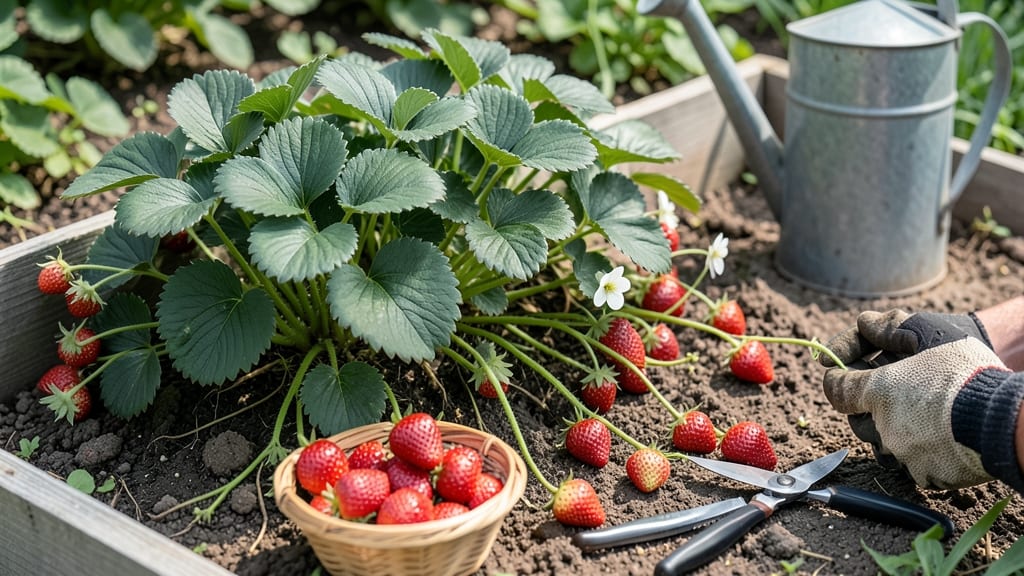
Sweet strawberries taste like summer in every bite. 🌞 The secret isn't just luck—it's sunlight, soil, and a few simple tricks that turn tart berries into dessert-worthy treasures.
I've grown strawberries for years, and the difference between bland and bursting-sweet comes down to how you nurture them from the first transplant. Start with varieties like Chandler or Seascape, bred for sweetness and disease resistance.
They need 6+ hours of full sun daily and soil that drains well but holds moisture—think rich, loamy earth with a pH between 5.5 and 6.5. Too much nitrogen makes leaves grow wild but berries stay bland, so balance your fertilizer with organic compost and a light hand.
By harvest time, you'll be picking berries so sweet they barely need sugar. The key is consistent watering (1-1.5 inches per week) and mulching to keep roots cool and soil moist.
Prune runners to focus energy on fruit, not spreading, and harvest when the berries are fully colored and just starting to soften. This method works in raised beds, containers, or in-ground plots—just adjust spacing for your setup. Soon, you'll be the one neighbors ask for strawberries, not the grocery store.
📚 In This Guide
- What you need
- Instructions
- Tips and common mistakes
- Wrapping up and next steps
What you need
- ● Strawberry plants: Choose June-bearing, everbearing, or day-neutral varieties (6–12 plants, depending on space). Look for organic, disease-resistant options for best results!
- ● High-quality soil: Well-draining, slightly acidic (pH 5.5–6.8), and rich in organic matter (compost or aged manure). Avoid heavy clay!
- ○ Balanced fertilizer: A 10-10-10 or 5-10-10 NPK blend (follow package instructions for application rates). Optional: Slow-release organic fertilizer like fish emulsion or bone meal for extra sweetness.
- ● Mulch: Straw (not hay—it contains seeds!) or pine needles to retain moisture and suppress weeds (2–3 inches thick).
- ● Drip irrigation or soaker hoses: Strawberries hate soggy roots but need consistent moisture. A timed sprinkler (2–3 times/week) works too!
- ● Garden gloves (to protect from thorns and soil-borne pathogens).
- ● Hand trowel or garden fork (for planting and soil prep).
- ● Pruners or sharp scissors (for trimming runners and dead foliage).
- ○ Row covers or shade cloth (30–50% shade for hot climates to prevent sunscald). Optional: Floating row covers to deter pests early on.
- ○ Pest control: Neem oil or insecticidal soap (for aphids, slugs, or spider mites). Optional: Diatomaceous earth (food-grade) for organic slug control.
- ● Sunlight: 6–10 hours of direct sun daily (more sun = sweeter berries!). Partial shade in hot climates (like afternoon shade) helps prevent sunburn.
- ● Spacious planting area: Strawberries need 12–18 inches of space between plants (or rows). Containers? Use 5–6 gallon pots with drainage holes.
- ● Time commitment: Strawberries thrive with weekly checks for pests, watering, and pruning. Plan for a 3–4 month growing season (varies by variety).
How to grow sweet strawberries: mastering sunlight for maximum flavor
Sunlight is the real game-changer when it comes to strawberry sweetness—here's how to harness it properly.
☀️ Step 1: Choose the Perfect Sun Exposure
Strawberries need at least 6-8 hours of direct sunlight daily for peak sweetness, but I always recommend full sun (8+ hours) when possible. The more sunlight your plants receive, the higher the sugar content in those berries. If your garden only gets partial sun, focus on the morning sunlight—it's more intense and helps prevent fungal issues from evening moisture.
I test my garden's sun exposure by placing a white sheet of paper in potential planting spots for a day. If it's completely dry by mid-afternoon, you've got full sun. If it still feels damp, you're in partial shade. For partial-shade spots, opt for everbearing varieties like 'Albion' or 'Seascape'—they tolerate lower light better than June-bearing types.
🌱 Step 2: Position Plants for Optimal Airflow and Sun
When planting, space strawberries 18-24 inches apart in rows 3-4 feet apart to ensure good airflow. This isn't just about preventing disease—it's about maximizing sunlight penetration. Crowded plants cast shade on each other, reducing sugar development. I always plant in north-south rows so plants on the north side don't shade their southern neighbors.
Here's the thing—if your garden has afternoon shade, position taller plants (like tomatoes or peppers) to the north side of the strawberries. This prevents them from blocking the morning sun that strawberries crave. For container growing, use light-colored pots to reflect extra heat and light onto the plants.
🌿 Step 3: Manage Light Through the Seasons
Strawberries need consistent light year-round, but winter brings challenges. If your plants get less than 5 hours of sunlight in winter, supplement with a grow light for 4-6 hours daily. I use a full-spectrum LED on a timer—it's more efficient than incandescent bulbs and won't overheat the plants. Place it 12-18 inches above the plants for best results.
In summer, watch for leaf scorch—a sign of too much intense sunlight. If leaves turn yellow or crispy at the edges, provide light shade (30-50%) during the hottest afternoon hours. A simple floating row cover works perfectly. This protects the plants while still allowing plenty of light for sugar production.
⏰ Step 4: Time Watering for Maximum Sunlight Benefits
Watering strategy directly impacts how well your plants use sunlight. I always water early in the morning (6-8 AM) so the foliage dries completely before evening. Wet leaves at night invite fungal diseases, but dry leaves in the morning mean your plants can photosynthesize efficiently all day. Aim for 1-1.5 inches of water per week, delivered deeply rather than superficially.
Here's a trick I learned: mulch heavily (3-4 inches) with straw or wood chips. This keeps roots cool in summer and retains moisture, so plants don't waste energy seeking water during peak sunlight hours. The result? More energy goes into sugar production instead of survival mode.
🍓 Step 5: Harvest at Peak Ripeness for Maximum Sweetness
The final sunlight secret is harvest timing. Strawberries ripen fastest when they get full sun exposure—so pick them when they're fully red and just slightly soft to the touch. I harvest in the early morning when sugars are at their peak from overnight photosynthesis. Never pick overripe berries—they'll never be as sweet as those caught at the perfect moment.
For continuous harvests, I remove spent flowers from June-bearing varieties after the first fruit sets. This redirects the plant's energy into larger, sweeter berries rather than spreading resources thin. Everbearing varieties can keep producing all season if you deadhead regularly—just leave a few flowers to develop fruit for the next cycle.
Tips & tricks for perfectly sweet strawberries
Sunlight isn't just important—it's the secret weapon for strawberry sweetness. These practical strategies will help you maximize flavor and avoid common growing pitfalls.
Sunlight Intensity Matters: While the instructions recommend 6-8 hours of sunlight, I've found that morning sunlight (before 10 AM) is particularly valuable because it's more intense and helps prevent fungal diseases. If you're in a partial-shade area, focus on positioning your plants to capture these crucial morning rays. You can test your garden's sunlight exposure by placing a white sheet of paper in potential spots for a full day—if it's completely dry by mid-afternoon, you've got full sun. This simple test helps you understand exactly how much light your plants will receive.
Seasonal Light Management: The 4-6 hours of supplemental grow light during winter months is crucial for maintaining sweetness. I recommend using a full-spectrum LED grow light positioned 12-18 inches above the plants. These lights are energy-efficient and won't overheat your plants. During summer, watch for leaf scorch—a sign of too much intense sunlight. If you notice yellow or crispy leaf edges, provide light shade (30-50%) during the hottest afternoon hours using a floating row cover. This protects your plants while still allowing plenty of light for sugar production.
Plant Spacing and Positioning: The 18-24 inch spacing between plants and 3-4 feet between rows isn't just about airflow—it's about maximizing sunlight penetration. Crowded plants create shade on each other, which directly reduces sugar development. I always plant in north-south rows to prevent shading between plants. For container growing, use light-colored pots to reflect extra heat and light onto the plants. If your garden has afternoon shade, position taller plants like tomatoes or peppers to the north side of your strawberries to prevent them from blocking that crucial morning sunlight.
Harvest Timing for Maximum Sweetness: The early morning harvest time mentioned for peak sugars is absolutely critical. Strawberries ripen fastest when they receive full sun exposure, and their sugar content peaks after overnight photosynthesis. I harvest when berries are fully red and just slightly soft to the touch—this ensures maximum sweetness. Never pick overripe berries, as they'll never be as sweet as those caught at the perfect moment. For June-bearing varieties, removing spent flowers after the first fruit sets redirects the plant's energy into larger, sweeter berries.
Pro Tips for Get Sweet Strawberries
- Sunlight isn't just important—it's the secret weapon for strawberry sweetness.
- Sunlight Intensity Matters: While the instructions recommend 6-8 hours of sunlight, I've found that morning sunlight (before 10 AM) is particularly valuable because it's more intense and helps prevent fungal diseases.
- Seasonal Light Management: The 4-6 hours of supplemental grow light during winter months is crucial for maintaining sweetness.
Frequently asked questions
Got questions about growing juicy, sweet strawberries? You’re not alone! Here are answers to the most common queries—from timing to troubleshooting—so you can enjoy that perfect first bite.
How long does it take for strawberries to ripen after flowering?
Most strawberry varieties take about 30–45 days to ripen after flowers appear, depending on the type (June-bearing, everbearing, or day-neutral) and growing conditions. June-bearing varieties often produce one big harvest, while everbearing types yield smaller crops over a longer season. Patience pays off—those red gems are worth the wait!
Why are my strawberries small and not sweet?
Small, bland strawberries usually mean overcrowding, poor pollination, or lack of sunlight. Thin plants to 12–18 inches apart, hand-pollinate flowers with a soft brush if bees are scarce, and ensure they get 6+ hours of direct sun daily. Over-fertilizing with nitrogen (the "leafy green" fertilizer) can also reduce sweetness—balance it with phosphorus for fruiting.
Can I speed up strawberry ripening?
While you can’t rush nature, you can optimize conditions for faster ripening: Water deeply at the base (not overhead) to avoid fungal diseases, mulch with straw to retain moisture, and pick green berries only if they’re fully white (they won’t sweeten after harvest). For extra sugar, let them stay on the vine until fully red—even if it’s past peak season!
What’s the best alternative if my strawberries are pest-ridden?
If pests like slugs, birds, or spider mites are wrecking your crop, try these fixes:
- Physical barriers: Copper tape around beds deters slugs; net over plants keeps birds away.
- Natural sprays: Neem oil (for mites) or a soapy water spray (for aphids) work gently.
- Sacrificial plants: Interplant with basil, thyme, or marigolds to repel pests.
How do I know when strawberries are truly ripe and sweetest?
Look for deep red color all over (not just the top), a slight give when gently squeezed, and a fragrant aroma at the stem. Pro tip: Harvest in the morning when sugar levels peak from overnight photosynthesis. If they’re still firm, leave them—overripe berries lose sweetness fast!
Wrapping up and next steps
Growing your own sweet strawberries is totally doable—just give them the right mix of sunlight, soil, and care! 🌞 With these tips, you’ll be biting into juicy, sugar-packed berries in no time. Start small, stay patient, and don’t forget to celebrate those first harvests—they’re worth it!
Ready to take the next step? Plant your first batch today and watch your garden transform into a berry paradise! 🍓✨