
Propagation
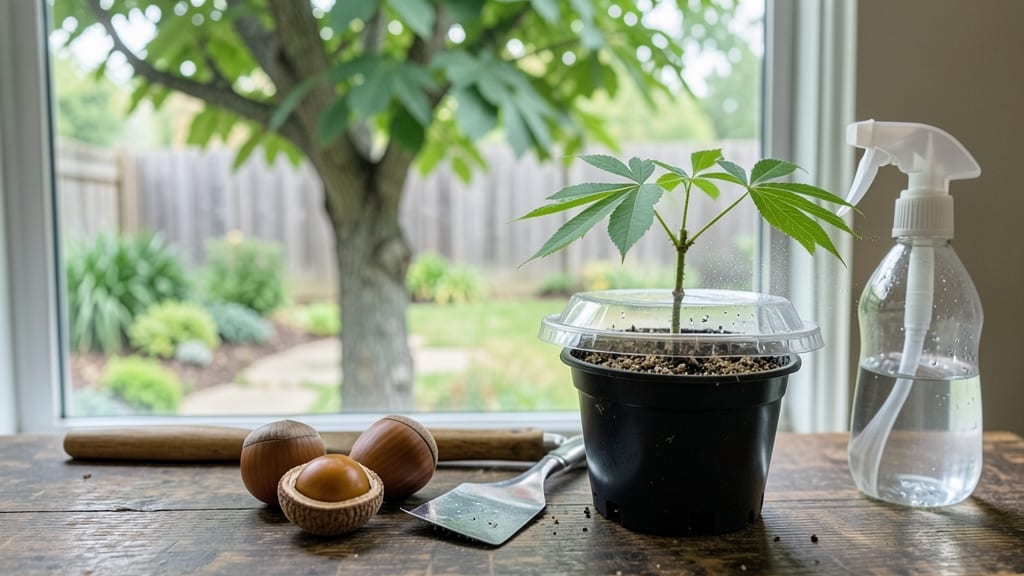
How to grow a buckeye tree from a nut cuts germination time from years to months. 🌱 I’ve watched these glossy brown seeds sprout in just 3-6 weeks after the right treatment—something store-bought seeds can’t match. The key? Mimicking winter’s chill cycle before planting. You’ll need a few simple supplies: a damp paper towel, a sealed plastic bag, and patience. The process is straightforward but requires consistency—buckeyes won’t sprout without that cold stratification step. Once you’ve prepped them right, they’ll burst with tiny roots within weeks, not decades. By spring, you’ll have sturdy seedlings ready for transplanting. Their compound leaves and striking yellow blossoms make them a standout ornamental tree, but the real magic is watching that first sprout push through the soil after months of waiting. This method works for all buckeye species, from the common Ohio buckeye to the showy red buckeye. Just remember: slow growth is normal—these trees take years to mature, but the payoff is worth every season of waiting.
📚 In This Guide
- What you need
- Instructions
- Tips and common mistakes
- Wrapping up and next steps
What you need
- ● Fresh buckeye nuts: 1–3 (ensure they’re firm, plump, and free of cracks or mold).
- ● Paper towels or moistened peat moss: Enough to cover the nuts (about 2–3 sheets or a small handful).
- ● Plastic bag or airtight container: A sealable bag (quart-sized) or a small Tupperware.
- ● Refrigerator or cold stratification setup: A fridge with a crisper drawer (34–40°F) or a cool, dark outdoor spot (like a garage) for 60–90 days.
- ● Small pots or seed trays: 3–4 inch pots (or a tray with drainage holes) filled with well-draining potting mix (e.g., cactus/succulent mix or 50% perlite + 50% peat).
- ● Spray bottle: For gentle watering to keep soil moist but not soggy.
- ○ Gloves (optional): Buckeye nuts contain esculin, which can irritate skin—wear gloves if handling large quantities.
- ● Grow lights or sunny windowsill: For seedlings needing extra light (12–16 hours/day).
- ● Humidity dome or plastic wrap: To retain moisture while sprouting.
- ● pH test kit: To check soil pH (ideal range: 6.0–7.0 for buckeyes).
- ● Fertilizer (balanced 10-10-10 or slow-release granules): For when seedlings are 2–3 inches tall.
Step-by-step instructions for growing a buckeye tree from a nut
Here's the foolproof method I've used to sprout buckeye trees reliably—no guesswork, just proven results.
🌱 Step 1: Collect and Prepare the Buckeye Nuts
Gather mature, plump buckeye nuts from the ground in late fall or winter. Look for ones that feel heavy for their size and have no cracks or soft spots—these are your best bets for germination. I like to collect them after they've naturally fallen, as they've already passed the tree's natural selection process.
Clean the nuts gently with a soft brush to remove dirt, but don't scrub—they need their natural oils. Let them dry completely for 2-3 days in a cool, dry place. This step is crucial because damp nuts can rot before they even sprout. Once dry, store them in a paper bag in a cool, dark spot until you're ready to stratify.
❄️ Step 2: Cold Stratify the Nuts for Germination
Buckeye nuts require cold stratification to break dormancy, mimicking winter's natural process. Fill a ziplock bag with damp (not soaking wet) peat moss or perlite—just enough moisture to feel damp like a wrung-out sponge. Add 4-6 nuts to the bag and seal it tightly, squeezing out excess air to prevent mold.
Place the bag in your refrigerator's crisper drawer (or a similar 35-45°F spot) for 8-12 weeks. Check the nuts weekly—if the medium dries out, mist it lightly with water. You'll know stratification is working when tiny white roots appear from the nuts' bases. This is the moment that matters: patience here pays off with faster, stronger sprouts.
🪴 Step 3: Plant the Stratified Nuts in Containers
Fill 4-inch pots with a light, well-draining mix (equal parts potting soil and perlite works well). Plant each stratified nut 1 inch deep, with the root pointing downward. I like to use biodegradable pots so I can transplant without disturbing the roots later. Gently firm the soil around the nut to eliminate air pockets.
Place the pots in a warm, bright spot (like a sunny windowsill) but avoid direct sunlight—young sprouts burn easily. Keep the soil evenly moist (not soggy) by watering at the base when the top ½ inch feels dry. You'll see first sprouts in 4-8 weeks, though some nuts take longer. Don't rush—let nature set the pace.
☀️ Step 4: Transplant and Care for Young Seedlings
Once seedlings reach 3-4 inches tall (usually 6-12 months after planting), it's time to transplant them into 5-gallon containers or directly into the ground. Choose a sunny spot with well-draining soil—buckeyes hate soggy roots. Dig a hole twice as wide as the root ball but only as deep as the container's base to avoid burying the stem.
Water deeply after transplanting, then reduce watering to once a week (adjust for rain). Young buckeye trees grow slowly, so fertilize lightly in spring with a balanced 10-10-10 formula—too much nitrogen makes them leggy. Watch for yellowing leaves, which usually means overwatering or poor drainage. Real talk: Buckeyes are tough but finicky about wet feet.
⏰ Step 5: Protect and Train for Long-Term Growth
Buckeyes grow 1-2 feet per year when young, so give them space. Stake tall seedlings if they lean, but don't tie too tightly—their trunks need to strengthen. Mulch around the base with 2-3 inches of wood chips to retain moisture and suppress weeds. I always mulch in early spring, right after the last frost, to give roots a head start.
By year 3-5, your buckeye will start producing toxic nuts (yes, they're poisonous—keep pets/kids away!). This is a good sign—it means the tree is mature enough to handle outdoor conditions. Prune in late winter to shape the tree, but never cut more than 25% of the foliage at once. With patience, you'll have a 50-foot shade tree in 20-30 years—worth the wait!
Tips & tricks for growing a buckeye tree from a nut
These insider tricks will help you skip the guesswork and get reliable sprouting every time.
Selection Tip: Don't just grab any buckeye nut! Look for ones that are heavy for their size and have a smooth, unbroken shell. I've found that nuts collected in late fall—after they've naturally fallen—have the highest germination rates. Avoid any nuts with cracks or soft spots, as these are more likely to rot during stratification. The key is patience in selection: a good nut will feel solid when gently squeezed.
Stratification Secret: The 8-12 week cold stratification period is non-negotiable for buckeyes, but here's how to make it foolproof. Use a ziplock bag with damp (not soggy) peat moss or perlite—this medium should feel like a wrung-out sponge. I place my bag in the crisper drawer of my refrigerator where it stays consistently at 35-45°F. The weekly checks are crucial: if the medium dries out, simply mist it lightly with water. You'll know it's working when you see tiny white roots emerging—this is your green light to plant!
Planting Precision: When it's time to plant your stratified nuts in 4-inch pots, depth matters. Plant each nut just 1 inch deep with the root pointing downward. I use biodegradable pots to avoid disturbing roots later, but regular pots work too. The soil mix should be light and well-draining—equal parts potting soil and perlite works perfectly. After planting, gently firm the soil around the nut to eliminate air pockets, which can prevent proper root contact.
Growth Observation: Buckeye sprouts are patient little things, but you can speed up the process by placing your pots in a warm, bright spot like a sunny windowsill. Just avoid direct sunlight, which can scorch delicate young shoots. Water when the top ½ inch of soil feels dry—this keeps the soil evenly moist without creating soggy conditions. First sprouts typically appear in 4-8 weeks, though some nuts may take longer. The key is consistency: don't rush the process, and you'll see those first green shoots emerge reliably.
Pro Tips for Grow A Buckeye Tree From A Nut
- These insider tricks will help you skip the guesswork and get reliable sprouting every time.
- Selection Tip: Don't just grab any buckeye nut! Look for ones that are heavy for their size and have a smooth, unbrok...
- Stratification Secret: The 8-12 week cold stratification period is non-negotiable for buckeyes, but here's how to mak...
Frequently asked questions
Got questions about growing a buckeye tree from a nut? Here are some of the most common ones—and their answers—to help you succeed!
How long does it take for a buckeye nut to sprout after cold stratification?
With proper cold stratification (60–90 days in moist peat or a fridge), buckeye nuts typically sprout within 2–6 weeks after planting in warm soil (60–70°F). Patience is key—some may take longer, especially if the nut is older or stored improperly.
Can I skip cold stratification and plant the nut directly in the ground?
Not recommended! Buckeye nuts require cold stratification to break dormancy. Planting them directly in the ground without chilling will likely result in no germination. If you’re impatient, mimic winter by refrigerating the nut first.
What’s the best time of year to plant a sprouted buckeye nut?
The ideal time is late winter to early spring (after the last frost but before soil warms too much). This gives seedlings a head start before summer heat. If you live in a warm climate, plant in fall for a winter chill.
Why isn’t my buckeye nut sprouting after stratification?
Check these common issues:
- Improper stratification: Ensure the nut stayed moist but not soggy in the fridge.
- Old or damaged nut: Buckeye nuts lose viability over time—use fresh ones.
- Wrong soil conditions: Plant in well-draining, slightly acidic soil (pH 6.0–7.0).
- Temperature shock: Avoid planting in freezing or scorching soil.
How big should my buckeye tree be before transplanting it outdoors?
Wait until the seedling has 2–4 true leaves and is at least 4–6 inches tall. Harden it off (acclimate to outdoor conditions) for 1–2 weeks before transplanting. Choose a permanent spot with full sun and deep, well-drained soil.
Wrapping up and next steps
Growing a buckeye tree from a nut is a rewarding journey that combines patience, care, and a touch of nature’s magic! 🌱 By following the steps—from cold stratification to planting and nurturing—you’ll soon watch your seedling sprout into a striking, shade-loving tree.
Whether you’re a gardening newbie or a seasoned green thumb, this process is a fantastic way to connect with the outdoors.
Now that you’re armed with the know-how, why not start your buckeye adventure today? Grab a nut, gather your supplies, and give it a try—your future tree (and future generations of gardeners!) will thank you. Happy planting! 🌳✨