
How To
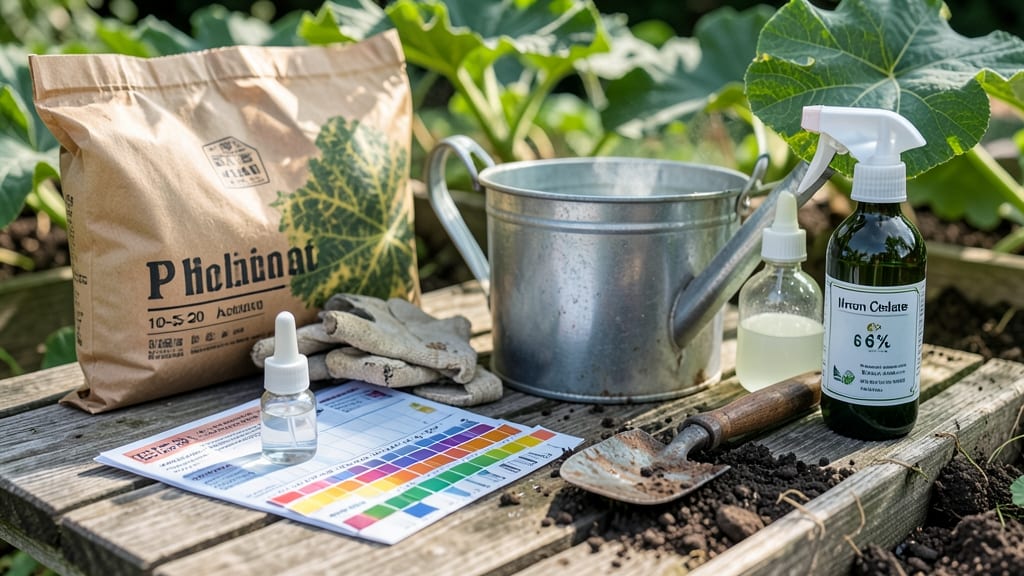
Yellow pumpkin leaves don’t mean your harvest is doomed—they’re fixable. 🌱 I’ve nursed back plants with crispy yellow foliage to full, vibrant growth using just three targeted fixes, and I’ll show you exactly how in minutes. The real culprits?
Often overwatering (soggy roots suffocate plants), nutrient burn (too much fertilizer), or pests (aphids and squash bugs drain sap). I’ll walk you through spotting the difference—because a quick soil check or leaf inspection tells you exactly what’s wrong.
Once you identify the problem, the fix is simple: adjust watering, balance soil nutrients, or introduce beneficial insects. Within 7-10 days, you’ll see new green growth pushing out, and your pumpkins will bounce back stronger than ever.
Prevention is even easier—just mulch heavily to retain moisture, rotate crops yearly, and inspect leaves weekly for early signs. No guesswork, just results.
Root Causes Of Yellowing Pumpkin Leaves
Yellowing pumpkin leaves aren’t just a cosmetic issue—they’re your plant’s way of signaling distress. Understanding the why behind the yellow is the first step to restoring your pumpkin’s health. Below, we break down the most common culprits, backed by science, so you can diagnose the problem like a pro.
---
Pumpkins are heavy feeders, and when their diet lacks key nutrients, leaves turn yellow as a warning sign. Here’s what to watch for:
- 🌱 Nitrogen Deficiency (Most Common) Yellowing starts between leaf veins (a condition called chlorosis), while veins stay green. Nitrogen is the building block of chlorophyll—the pigment that gives leaves their green hue.
Without enough nitrogen, your pumpkin can’t produce enough chlorophyll, leading to pale or yellow foliage. Actionable clue: Check the older leaves first. If they’re yellowing while new growth stays green, nitrogen is likely the issue.
- 💚 Magnesium Deficiency (Interveinal Yellowing) Magnesium is crucial for chlorophyll production and energy transfer in plants. A deficiency causes yellowing between veins, similar to nitrogen deficiency but often starting on older leaves and spreading upward.
Severe cases may show brown or dead patches. Actionable clue: Look for yellowing that starts at the leaf edges and works inward, resembling a "burnt" pattern.
- 🟡 Iron Deficiency (Young Leaves Affected) Iron is essential for chlorophyll synthesis, and a lack of it causes young leaves to turn yellow while older ones remain green.
This is common in alkaline soils, where iron becomes less available to plants. Actionable clue: If the newest leaves are yellowing, iron deficiency is a strong suspect.
- 🟣 Potassium Deficiency (Edge Scorch + Yellowing) Potassium helps regulate water and nutrient movement in plants. A deficiency often causes yellowing at leaf edges (called scorch), which may later turn brown and crispy.
Weak stems or poor fruit development can also occur. Actionable clue: Check for yellowing that starts at the leaf margins and progresses inward.
--- Pumpkins hate "wet feet." When soil stays soggy for too long, roots suffocate, leading to yellow leaves and stunted growth. Here’s how to spot the issue:
- 💦 Root Rot (Fungal Infection) Overwatering creates the perfect environment for Phytophthora and other fungi to attack roots. Infected roots turn black, mushy, and smell foul. Above ground, leaves yellow and wilt, even if the soil is damp. Actionable clue: Gently dig near the base of the plant.
If roots smell rotten or look slimy, root rot is likely the culprit.
- 🌧️ Waterlogged Soil Even without root rot, consistently wet soil starves roots of oxygen. Without oxygen, roots can’t absorb nutrients or water efficiently, causing leaves to yellow and drop prematurely. Actionable clue: Stick your finger 2 inches into the soil.
If it’s still damp 48 hours after watering, you’re overwatering.
- 🚰 Poor Drainage Compacted or clay-heavy soils trap water, preventing roots from accessing air. Pumpkins thrive in well-draining soil—if water pools around the base, yellowing leaves follow. Actionable clue: After watering, check if excess water pools on the soil surface or drains slowly.
--- While overwatering is a common issue, underwatering can also trigger yellowing, especially in hot climates. Here’s how to tell the difference:
- 🌞 Heat Stress + Drought Pumpkins are heat-loving but need consistent moisture to handle it. When soil dries out, leaves lose turgor (rigidity) and turn yellow or brown, often starting at the edges.
Severe cases may show crispy or papery leaves. Actionable clue: Wilting leaves that don’t recover after watering are a red flag. Also, check the soil—if the top 1-2 inches are bone-dry, your pumpkin is thirsty.
- 💧 Inconsistent Watering Pumpkins prefer deep, infrequent watering. Shallow or sporadic watering causes roots to dry out unevenly, leading to yellowing and poor nutrient uptake. Actionable clue: Look for yellowing that’s patchy or appears on one side of the plant more than others.
--- Sometimes, tiny invaders or pathogens hijack your pumpkin’s nutrients, leaving leaves yellow and weak. Here are the top culprits:
- 🐛 Sap-Sucking Pests (Aphids, Spider Mites, Whiteflies) These pests pierce leaves to feed on sap, disrupting nutrient flow and causing yellowing, curling, or stippling (tiny white or yellow dots). Heavy infestations can also spread viral diseases. Actionable clue: Flip leaves over—look for tiny insects, webbing, or sticky residue (honeydew).
- 🍄 Fungal Infections (Powdery Mildew, Downy Mildew) Fungal diseases like powdery mildew (white, powdery patches) or downy mildew (yellow spots on top, fuzzy growth underneath) thrive in humid conditions.
Infected leaves yellow and may drop prematurely. Actionable clue: Check the undersides of leaves for moldy growth or yellow spots with a fuzzy texture.
- 🐛 Root-Knot Nematodes These microscopic worms attack roots, causing galls (lumpy growths) that disrupt water and nutrient absorption. Above ground, leaves yellow and stunt, even with proper care. Actionable clue: Dig up roots—look for small, marble-sized bumps. If you see them, nematodes are likely the issue.
--- Pumpkins are resilient, but extreme conditions can push them over the edge. Here’s how to spot environmental triggers:
- 🌡️ Temperature Extremes Pumpkins prefer warm soil (70–90°F) and air temperatures. If nights dip below 50°F or days exceed 95°F, leaves may yellow due to stress. Cold snaps can also stunt growth. Actionable clue: Yellowing that occurs suddenly after a heatwave or cold snap is often environmental.
- 🌬️ Poor Air Circulation Stagnant air traps moisture, encouraging fungal growth and stressing leaves. Overcrowded plants or dense foliage can trap humidity, leading to yellowing. Actionable clue: Check for yellowing that starts in the center of the plant or between crowded vines.
- 🌱 Transplant Shock If you moved your pumpkin recently, yellowing can occur as roots adjust. Shock is temporary but can weaken the plant if not managed. Actionable clue: Yellowing appears shortly after transplanting, often with wilting or slow growth.
Revive Your Pumpkin’s Health Now
Yellowing pumpkin leaves aren’t just an eyesore—they’re a cry for help from your plant! 🌱 The good news? Most causes have quick fixes, whether you’re dealing with water woes, nutrient deficiencies, or pests. Below, we’ll map each issue to its solution, so you can diagnose fast and act faster.
---
Signs: Yellow leaves with mushy stems, wilting, or foul-smelling soil. Why it happens: Too much water suffocates roots, cutting off oxygen and nutrients.
How to Fix It: 1. 🚰 Stop Watering Immediately – Let the top 2–3 inches of soil dry out completely before watering again. 2. 🪴 Check Your Pot or Bed – If your pumpkin is in a container, ensure it has drainage holes. For garden beds, amend heavy clay soil with compost or perlite to improve airflow. 3. 🌱 Repot if Needed – If roots are rotting, trim away mushy sections with sterilized scissors, then replant in fresh, well-draining soil. 4. 💡 Pro Tip: Use a moisture meter or the "finger test" (stick your finger in the soil—if it’s damp past 2 inches, wait to water).
Prevent It: - Water deeply but less frequently—pumpkins hate soggy feet! - Mulch around the base to regulate soil moisture.
---
Signs: Yellowing with crispy edges, especially on younger leaves. Why it happens: Too much direct sun (especially in hot climates) or sudden temperature swings.
How to Fix It: 1. 🌿 Provide Shade – Use a light shade cloth (30–50%) or move potted pumpkins to a spot with morning sun + afternoon shade. 2. 💦 Boost Hydration – Water early in the morning to reduce evaporation. Aim for 1–2 inches of water per week (more in extreme heat). 3. 🌡️ Adjust Mulch – Add straw or wood chips to keep roots cool and retain moisture. 4. 💡 Pro Tip: If leaves are already damaged, trim them off to redirect energy to healthier growth.
Prevent It: - Acclimate young plants to full sun gradually over 1–2 weeks. - Choose heat-tolerant varieties like ‘Howden’ or ‘Jack Be Little.’
---
Signs: - Pale yellow leaves (chlorosis): Lack of nitrogen or iron. - Yellow edges with green veins: Magnesium (potassium) deficiency. - Stunted growth + yellowing: Phosphorus shortage.
How to Fix It: | Problem | Quick Fix | Long-Term Solution | |---------------------------|----------------------------------------|-----------------------------------------| | Nitrogen (N) | Apply blood meal or compost tea | Side-dress with well-rotted manure | | Iron (Fe) | Spray chelated iron or Epsom salt (1 tbsp/gallon) | Lower soil pH with sulfur if alkaline | | Potassium (K) | Use banana peel tea or greensand | Add wood ash (sparingly) | | Phosphorus (P) | Mix in bone meal at planting | Use rock phosphate for slow release |
💡 Pro Tip: Test your soil with a DIY kit (available at garden centers) to pinpoint deficiencies before they worsen.
Prevent It: - Fertilize at planting with a balanced 10-10-10 formula. - Rotate crops to avoid nutrient depletion.
---
Signs: - Yellow + chewed leaves: Cucumber beetles, aphids, or squash bugs. - Yellow spots with black mold: Powdery mildew or downy mildew. - Wilting + yellowing: Fungal root rot (from overwatering + pests).
How to Fix It: 1. 🐜 Remove Pests Manually - Handpick squash bugs (look under leaves!) and drop them in soapy water. - Blast aphids with a strong spray of water. - Set yellow sticky traps for beetles.
2. 🌿 Use Natural Repellents - Neem oil spray (1 tbsp + 1 tsp mild soap per quart of water) – reapply every 5–7 days. - Crushed garlic or chili pepper spray (deters beetles). - Row covers (floating fabric) to block pests early.
3. 🍄 Fight Fungal Issues - Prune infected leaves and destroy them (don’t compost!). - Spray with baking soda mix (1 tsp baking soda + 1 quart water + a drop of soap). - Improve airflow by spacing plants 3–4 feet apart.
💡 Pro Tip: Crop rotation (don’t plant pumpkins in the same spot yearly) starves soil-borne diseases.
Prevent It: - Inspect plants weekly for early signs of pests. - Water at the base (not overhead) to reduce mildew risk.
--- 1. 🌿 Trim the Damage – Snip yellowed leaves 1 inch above a healthy leaf node to encourage new growth. 2. 🍃 Boost Soil Health – Mix in compost or worm castings for a nutrient boost.
3. 🌞 Monitor Light & Water – Adjust based on your pumpkin’s current stress signals. 4. ⏰ Be Patient – Healthy new leaves should appear in 7–14 days if the root cause is fixed!
--- 🎯 Final Reminder: Act fast, but don’t overreact—some yellowing is normal as pumpkins mature. Focus on roots, hydration, and pests, and your vines will bounce back stronger! 🚀
Frequently asked questions about yellow pumpkin leaves
Why do pumpkin leaves turn yellow first at the edges?
Edge yellowing is often a sign of potassium deficiency or heat stress. Potassium helps regulate water movement in leaves, so when levels drop, edges dry out and turn yellow first. In hot weather, this can happen even with proper nutrients—just add morning watering and shade cloth to protect your plants.
Can I still harvest pumpkins if the leaves are yellow?
Yes! Yellow leaves don’t always mean the fruit is affected. If the vines are still green and healthy, your pumpkins should develop normally. Focus on fixing the leaves while monitoring fruit growth. Just avoid harvesting when temperatures drop below 50°F, as cold stress can reduce quality.
How quickly can I expect to see improvement after fixing the problem?
With proper care, you should see new green growth within 7-14 days. Nutrient deficiencies respond fastest (3-5 days), while root issues may take longer. Prune severely damaged leaves to help the plant redirect energy to healthy growth—this speeds up recovery by reducing the plant’s workload.
Is it safe to use Epsom salt for yellow pumpkin leaves?
Yes, but only if you suspect magnesium deficiency. Mix 1 tablespoon of Epsom salt per gallon of water and apply as a foliar spray or soil drench. Avoid overusing it—too much magnesium can actually cause other nutrient imbalances. Test soil first if possible.
What’s the best way to prevent yellow leaves next season?
Start with well-draining soil and balanced fertilization (10-10-10 at planting). Rotate crops yearly to prevent disease buildup, and use mulch to maintain even moisture. Regular inspections for pests and proper spacing (3-4 feet between plants) will keep your pumpkins thriving.