
Size
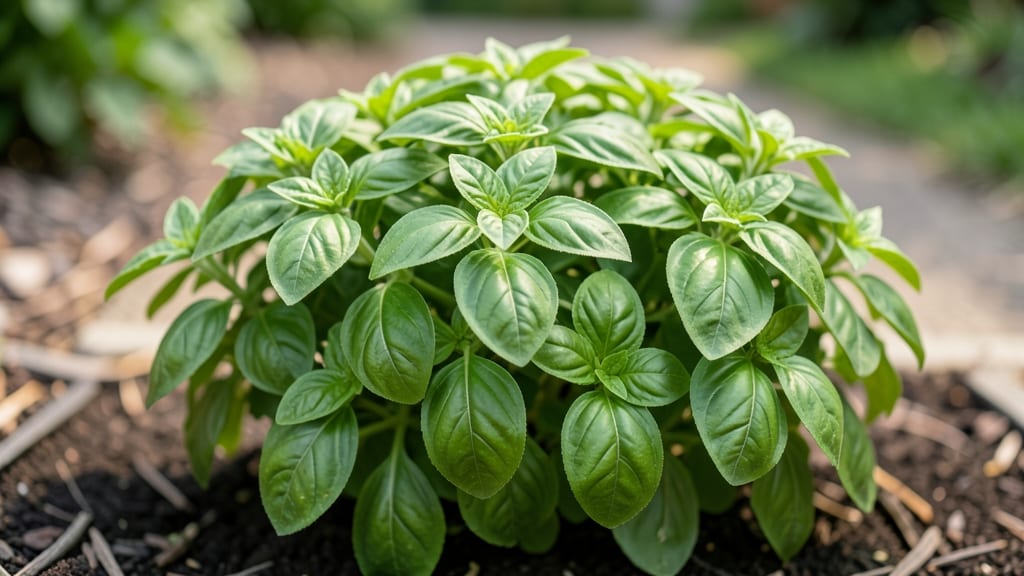
How to grow bushy basil feels like unlocking a secret kitchen garden. 🌿 I’ve watched my lanky, leggy plants transform into dense, leafy bushes—just by mastering two simple techniques: pinching and pruning.
The difference between sad, sparse basil and a thriving, productive plant comes down to timing and a little elbow grease.
You only need sunlight, good soil, and a pair of clean scissors—no fancy tools required. Basil thrives in 6+ hours of sunlight daily, whether in pots or garden beds, and loves well-draining soil.
The real magic happens when you start pinching off the top sets of leaves 2-3 weeks after transplanting. This forces the plant to branch out, creating that thick, bushy structure you crave.
By mid-summer, you’ll be harvesting cups of fresh basil weekly without sacrificing growth. The key is consistency: prune regularly, avoid overwatering, and keep the soil moist but not soggy. Even my black thumb basil plants now look like they belong in a gourmet garden center.
Works for container gardens, windowsills, or raised beds—just adjust watering based on your setup. Here’s how to keep your basil lush all season long, no matter where you grow it.
📚 In This Guide
- What you need
- Instructions
- Tips and common mistakes
- Wrapping up and next steps
What you need
- ● Basil seeds or seedlings: Choose Genovese, Sweet Basil, or Purple Basil for best results. If starting from seed, plant 3-5 seeds per pot (they germinate quickly!). For seedlings, grab 2-3 healthy plants from a nursery.
- ● Containers: Use 6-inch diameter pots (or larger) with drainage holes. Basil thrives in 5-6 inches of soil depth—avoid shallow planters!
- ● High-quality potting mix: Opt for a well-draining, organic mix (avoid garden soil—it compacts and suffocates roots). A 5-gallon bag is perfect for 2-3 plants.
- ● Watering can or spray bottle: Basil hates soggy roots, so a gentle watering tool (like a can with a rose attachment) keeps moisture even.
- ● Fertilizer: A balanced liquid fertilizer (10-10-10) or compost tea boosts growth. Use every 2-3 weeks during the growing season.
- ● Pruning shears or clean scissors: Sharp, sterilized tools prevent disease. Avoid dull blades—they crush stems!
- ● Grow lights or sunny windowsill: Basil needs 6+ hours of sunlight daily. A LED grow light (12-15 watts per plant) works indoors.
- ● Mulch (straw or shredded leaves): Retains moisture and keeps roots cool. Sprinkle a ½-inch layer around plants.
- ● Support stakes or cages: If your basil grows tall (like Genovese), a small trellis or bamboo stake prevents flopping.
- ● Epsom salt (magnesium sulfate): A teaspoon dissolved in water monthly prevents yellowing leaves.
- ● Pest control (neem oil or insecticidal soap): Basil attracts aphids or spider mites—keep these on hand for organic defense.
Step-by-Step instructions for growing bushy basil
Here's how I transform leggy basil into a lush, leafy powerhouse—no fancy tools needed.
🌱 Step 1: Start with Healthy Seedlings or Cuttings
Basil thrives when you begin with strong, disease-free plants. If starting from seed, sow in well-draining potting mix and keep soil consistently moist at 70-75°F until germination (7-14 days). You'll know it's time to transplant when seedlings develop their first true leaves—those are the second set after the initial cotyledons.
For faster results, take 3-4 inch cuttings from existing basil stems. Dip the cut ends in rooting hormone and place in water until roots form (5-7 days). This method gives you instant, genetically identical plants that skip the seedling stage entirely. I always root at least 4 cuttings to ensure I have backups if one fails.
🌿 Step 2: Pinch Early to Encourage Branching
The secret to bushy basil is pinching. When your plant reaches 6 inches tall and has 4-6 leaves, use clean fingers or small scissors to remove the top set of leaves just above a pair of leaves. This forces the plant to send out new shoots from the leaf axils below, creating a fuller shape.
Don't pinch too late—waiting until the plant flowers (which it will do quickly) makes it woody and less productive. You'll see new side shoots emerge within 7-10 days. These are your future harvest points, so pinch again when they reach 4-6 inches to keep the plant compact and leafy.
💧 Step 3: Water and Feed for Maximum Growth
Basil hates soggy soil but needs consistent moisture. Water when the top inch feels dry, aiming for the base of the plant to avoid wetting leaves (which can cause fungal diseases). I use a watering can with a narrow spout to deliver water precisely where it's needed.
Feed every 2-3 weeks with a balanced liquid fertilizer (10-10-10) diluted to half strength. You'll notice faster growth and darker green leaves within a week. Basil is heavy feeder, so don't skimp on nutrients—this is what fuels those bushy leaves you're after.
☀️ Step 4: Provide Optimal Light and Airflow
Basil craves 6-8 hours of direct sunlight daily. Place your plants in a south-facing window or under grow lights if natural light is insufficient. You'll know the light is right when leaves stay deep green and stems remain sturdy. Leggy growth or pale leaves mean it's time to move closer to the light source.
Good airflow prevents mildew and keeps plants healthy. Space plants 12-18 inches apart and avoid overcrowding. A gentle breeze from an oscillating fan (set to low) helps strengthen stems and prevents powdery mildew. I run my fan for 10 minutes daily—just enough to keep leaves moving without stressing the plant.
✂️ Step 5: Harvest and Prune for Continuous Growth
Harvest regularly to encourage bushiness. Pinch off stems just above a leaf pair whenever they reach 6 inches. This keeps the plant compact and stimulates new growth. You'll get a steady supply of fresh leaves without sacrificing the plant's shape.
When flowers appear, remove them immediately. Basil starts to taste bitter and grow woody once it flowers. Prune back any flowering stems to 2-3 inches above the base. With proper care, your basil will keep producing new leaves for months—this is the nonstop harvest you're after.
Tips & tricks for perfect bushy basil growth
Common pitfalls—and how to sidestep every one—when growing basil that stays lush and productive.
Timing Secret: The 7-10 day window for root formation in Step 1 is critical—don't rush it! Change the water every 2-3 days to prevent bacterial growth, which can rot your cuttings before roots develop. I've found that placing cuttings in indirect light during this stage speeds up rooting by about 24 hours while preventing algae buildup in the water.
Pinching Precision: In Step 2, focus on removing just the top set of leaves rather than the entire stem. This preserves the plant's energy while stimulating branching. I've learned the hard way that cutting too aggressively can shock the plant—always leave at least one pair of leaves below your pinch point. The new shoots will emerge from these leaf axils within exactly 7-10 days as mentioned, but only if you maintain this precision.
Light Optimization: The 6-8 hours of direct sunlight in Step 4 is non-negotiable for flavor development, but here's what nobody tells you—morning sun is more valuable than afternoon. Position your basil to catch the cooler morning rays first, which prevents leaf scorch. If using grow lights, place them 6-12 inches above the plants and run them for 12-14 hours daily to compensate for weaker natural light conditions.
Pruning Strategy: When flowers appear in Step 5, don't just snip them off—prune back to a leaf node below the flower cluster. This encourages the plant to send out new growth from that point rather than just the tips. I've seen basil plants double their leaf production after this technique, and the flavor remains sweet rather than turning bitter as it would if left to flower.
Pro Tips for Grow Bushy Basil
- Common pitfalls—and how to sidestep every one—when growing basil that stays lush and productive.
- Timing Secret: The 7-10 day window for root formation in Step 1 is critical—don't rush it!
- Pinching Precision: In Step 2, focus on removing just the top set of leaves rather than the entire stem.
Frequently asked questions
Got questions about growing bushy, thriving basil?
You’re not alone! Here are answers to the most common concerns—from timing to troubleshooting—so you can keep your plants lush and productive all season.
How often should I pinch basil to keep it bushy?
Pinch basil regularly—about every 2–3 weeks once it reaches 6 inches tall. Focus on the top sets of leaves (the growth points) to encourage branching. Stop pinching 4–6 weeks before your first frost to let the plant mature for harvests or overwintering.
What if my basil grows tall and leggy instead of bushy?
Leggy basil usually means it’s not getting enough light or has been overcrowded. Move it to a sunny spot (6+ hours of direct light daily) and prune aggressively to trim leggy stems back by half. Thin out crowded plants too—basil needs airflow to stay compact.
Can I grow bushy basil in containers? If so, what size pot do I need?
Basil thrives in containers—just use a pot at least 6–8 inches wide and deep for one plant (bigger for multiple). Ensure it has drainage holes to prevent root rot. Dwarf varieties like ‘Spicy Globe’ stay bushier in smaller pots (4–6 inches).
Why are my basil leaves turning yellow or curling?
Yellow leaves often signal overwatering or poor drainage, while curling can mean pests (like spider mites) or heat stress. Check soil moisture (it should dry slightly between waterings) and inspect undersides of leaves for pests. Mulch around the base to retain moisture and protect from extreme heat.
Can I grow bushy basil indoors under grow lights?
Yes! Place grow lights 2–4 inches above the plant and keep them on for 12–16 hours daily. Use a full-spectrum LED bulb and rotate the pot weekly for even growth. Pinch regularly (same as outdoor plants) to encourage bushiness—just avoid cold drafts or dry air.
Wrapping up and next steps
Growing lush, bushy basil is all about patience, consistency, and a little love—and now you’ve got the know-how! 🌿 By mastering the art of pinching and pruning, you’ll enjoy a nonstop harvest of fragrant, flavorful leaves for months.
Whether you’re a beginner or a seasoned green thumb, these techniques work wonders in containers, gardens, or even windowsills.
Ready to level up your herb game? Start by experimenting with your first basil plant—then, once you’ve nailed the basics, try growing multiple varieties or even share cuttings with friends. Happy growing! 🌱✨