
Size
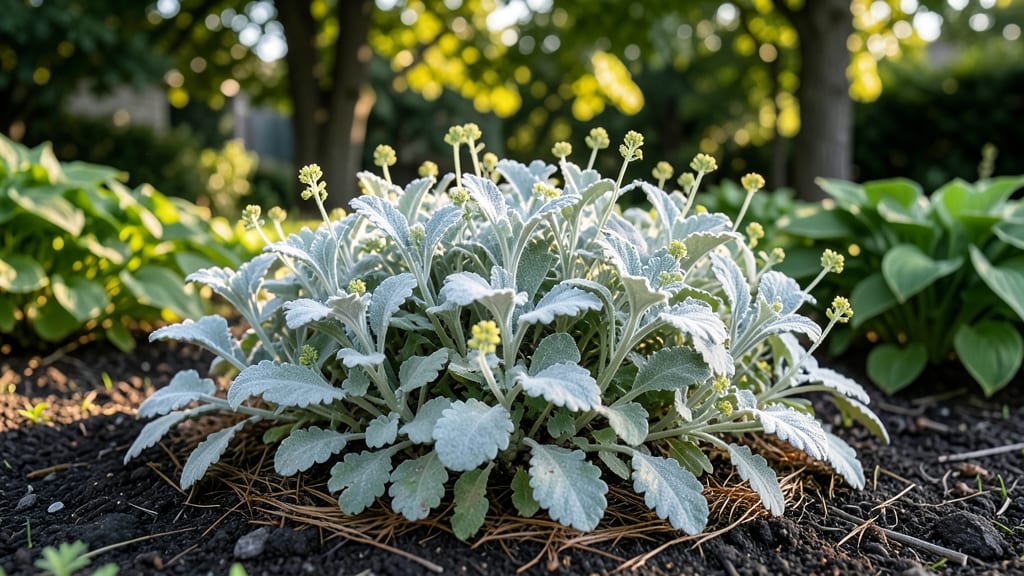
How to grow Dusty Miller plants and transform your garden into a chic Parisian courtyard starts with that first dusty silver foliage. Dusty Miller thrives where most plants struggle—hot, dry spots—because its fuzzy leaves reflect sunlight like built-in sunscreen. The secret to growing it isn't complicated: just match its love for sun, well-draining soil, and hands-off care to your space, and you'll have a plant that looks expensive but costs pennies. Most people overwater it, turning those silvery leaves yellow or mushy. I learned the hard way that Dusty Miller hates soggy roots—it's a desert plant in disguise. Once established, it needs water only when the top inch of soil feels bone-dry, and even then, just a sip. The right soil mix (equal parts garden soil and sand or perlite) makes all the difference between a thriving bush and a sad puddle. You'll end up with a silver-foliage statement plant that blooms with tiny yellow flowers in late summer, attracts pollinators, and stays disease-resistant all season. It's the perfect low-maintenance diva for sunny borders, containers, or even as a striking contrast to dark-leafed plants like heucheras. The best part? It spreads easily from cuttings or self-seeds, so you'll soon have more Dusty Miller than you know what to do with. Pair it with lavender, purple salvia, or deep-red geraniums for a color-blocked garden that pops in every season.
📚 In This Guide
- What you need
- Instructions
- Tips and common mistakes
- Wrapping up and next steps
What you need
- ● Dusty Miller Plants: 1–3 nursery-grown plants (6-inch pots) or seeds (if starting from scratch). Pro tip: 🌱 Tip: Choose healthy, well-established plants for faster growth!
- ● Well-Draining Soil: 1–2 bags of cactus/succulent mix (or amend garden soil with perlite/sand for drainage).
- ● Container or Garden Bed: For Containers: 1–2 5–7 gallon pots with drainage holes (terracotta or ceramic preferred).
- ● For Gardens: A sunny, slightly elevated spot (avoid soggy soil!).
- ● Sunlight: Full sun (6+ hours/day)—no compromises here!
- ● Watering Can or Hose: With a gentle spray nozzle for even moisture.
- ● Pruning Shears: Sharp, sterilized shears (for trimming leggy growth).
- ● Slow-Release Fertilizer: 1–2 granules of balanced 10-10-10 (sprinkle lightly at planting).
- ● Mulch: Gravel or pebbles (to retain moisture and enhance silver foliage contrast).
- ● Support Stakes: 1–2 bamboo stakes (if growing tall varieties like ‘Cotton Ball’).
- ● Plant Food: Diluted fish emulsion (every 4–6 weeks for a nutrient boost).
Step-by-step instructions for growing dusty miller plants
This sun-loving perennial thrives with minimal fuss once you get these basics right.
🌱 Step 1: Choose the Right Location and Prepare the Soil
Dusty miller (Artemisia stelleriana) craves full sun—at least 6-8 hours daily—and tolerates poor, dry soil better than most perennials. I always plant mine in well-draining soil with a slight slope to prevent water pooling around the roots. The silver foliage will fade if shaded too long, so avoid spots where trees or structures block afternoon light.
Before planting, loosen the soil to a depth of 12 inches using a garden fork. Dusty miller hates compacted soil, which restricts root growth. Mix in 1-2 inches of compost to improve drainage and fertility, but don’t overdo it—this plant prefers lean conditions. A handful of sand or perlite helps if your soil is heavy clay.
🌿 Step 2: Plant at the Correct Depth and Spacing
Dig holes twice as wide as the root ball but only as deep as the container’s base—planting too deep suffocates the roots. Gently remove the plant from its pot and tease apart any circling roots to encourage outward growth. Space plants 18-24 inches apart for mature size, as dusty miller spreads slowly but can form dense clumps over time.
Place the plant in the hole so the top of the root ball sits level with the surrounding soil. Press firmly around the edges to eliminate air pockets, then water deeply to settle the soil. Avoid watering the leaves—direct moisture on the fuzzy foliage can cause rot. Instead, water at the base until the soil 1-2 inches down feels moist.
☀️ Step 3: Water Sparingly and Protect from Overhead Moisture
Dusty miller is drought-tolerant once established, but young plants need consistent moisture for the first 2-3 weeks after planting. Water every 2-3 days until the top 1-2 inches of soil feel dry—stick your finger in to check. Overwatering is the fastest way to kill this plant, so err on the side of dryness rather than sogginess.
After the initial settling period, reduce watering to once a week unless your area experiences extreme heat. The fuzzy silver leaves are naturally adapted to retain moisture, so they’ll turn brown at the edges if you water too much. Mulch lightly with 1-2 inches of gravel or coarse sand around the base to deter weeds and reduce evaporation.
✂️ Step 4: Prune for Shape and Encourage Bushier Growth
Cut back one-third of the plant’s height in early spring before new growth begins. This promotes a fuller, more compact shape and prevents the plant from becoming leggy. Use clean, sharp pruners to make cuts just above a set of leaves or a bud. Avoid shearing the foliage—this can strip away the protective silver coating and expose tender stems to disease.
Deadhead spent flowers in late summer to redirect the plant’s energy into foliage rather than seed production. Dusty miller rarely blooms prolifically, but removing any brown or damaged leaves keeps the plant looking tidy. In fall, trim back any leggy growth but leave the basal rosette intact—this helps the plant overwinter better in colder climates.
⏰ Step 5: Overwinter with Protection in Cold Climates
Dusty miller is hardy to USDA zones 5-9, but young plants or those in colder microclimates benefit from winter protection. Once temperatures drop below 20°F, mound 2-3 inches of mulch (straw or shredded leaves) around the base. Avoid heavy mulch that smothers the plant—just enough to insulate the roots.
In zones 5 or colder, consider wrapping the plant in burlap or frost cloth in late fall to shield it from harsh winds. Remove the protection in early spring once new growth appears. Dusty miller often looks ragged after winter, but it bounces back quickly with a spring trim and consistent care.
Tips & tricks for perfect dusty miller growth
Here's what nobody tells you about keeping your dusty miller thriving—these little details make all the difference.
Location is Everything: That 6-8 hours of full sun isn't just a suggestion—it's non-negotiable for maintaining that signature silver foliage. I've seen dusty miller lose its color in just 4 hours of shade per day. If your yard has limited sun, consider growing it in containers where you can move it to sunnier spots as needed. The afternoon sun (when temperatures peak) is especially important for preventing that dull, greenish cast.
Soil Prep Secrets: When loosening soil to 12 inches deep, don't just stab with your fork—work it like you're fluffing a pillow. Compacted soil around the roots is what causes those leggy, weak plants. For heavy clay soils, mix in that handful of sand or perlite right into the hole before planting, not just around it. I've found that adding a few extra handfuls of perlite to the bottom of the planting hole creates a little drainage reservoir that prevents root rot.
Watering Wisdom: The 2-3 week watering schedule can be tricky—especially if you're used to watering daily. Here's my trick: Use a moisture meter or stick your finger 1-2 inches down. If it feels dry, water thoroughly at the base. If it's still damp, wait another day. Overwatering causes the fuzzy leaves to turn brown at the tips, and once that happens, it's permanent. I keep a spray bottle nearby for misting the leaves if they look dull, but I never water directly on them.
Pruning Payoff: When you cut back that one-third of the plant's height in spring, aim for just above a leaf node or bud—not in the middle of growth. This encourages bushier growth from the base. I've seen gardeners accidentally shear the foliage, which removes that protective silver coating and exposes the plant to diseases. For a fuller look, I actually do two light prunings in spring—first when new growth appears, then again after about 6 weeks to shape it up.
Pro Tips for Grow Dusty Miller Plants
- Here's what nobody tells you about keeping your dusty miller thriving—these little details make all the difference.
- Location is Everything: That 6-8 hours of full sun isn't just a suggestion—it's non-negotiable for maintaining that signature silver foliage.
- Soil Prep Secrets: When loosening soil to 12 inches deep, don't just stab with your fork—work it like you're fluffing a pillow.
Frequently asked questions
Got questions about growing Dusty Miller? You’re not alone!
Here are answers to the most common concerns—from planting tips to troubleshooting—so you can keep your silver foliage thriving with ease.
How often should I water Dusty Miller plants?
Dusty Miller is drought-tolerant once established, but young plants need consistent moisture. Water deeply but infrequently—about once a week in dry conditions, or when the top inch of soil feels dry. Overwatering can cause root rot, so ensure well-draining soil. Mulching helps retain moisture and keeps roots cool.
When is the best time to plant Dusty Miller?
Plant in early spring or early fall for optimal results. This gives roots time to establish before extreme heat or cold. If planting in summer, do it in the morning or evening to avoid transplant shock from intense sun. Container-grown plants can be planted year-round in mild climates.
Can Dusty Miller survive winter in cold climates?
Yes! Dusty Miller is hardy in USDA Zones 5-9. In colder regions (Zone 5), mulch heavily around the base with straw or leaves to insulate roots. Evergreen varieties may need extra protection, but most bounce back in spring. Prune back dead foliage in early spring to encourage fresh growth.
What pests or diseases commonly affect Dusty Miller?
Dusty Miller is generally pest-resistant, but watch for aphids or spider mites on young leaves. Treat with insecticidal soap if needed. Fungal issues like powdery mildew can occur in humid conditions—improve airflow and avoid overhead watering. Yellowing leaves often signal overwatering or poor drainage.
Are there any good alternatives if Dusty Miller doesn’t thrive in my garden?
If your climate or soil isn’t ideal, try these silver-foliage stand-ins:
- Lamb’s Ear (Stachys byzantina): Soft, fuzzy leaves; loves full sun and well-drained soil.
- Artemisia (Artemisia ‘Powis Castle’): Drought-resistant with silvery-gray foliage; thrives in poor soil.
- Silver Falls Dichondra (Dichondra argentea): Trailing plant perfect for containers or ground cover.
Wrapping up and next steps
Growing Dusty Miller is a rewarding way to add silvery elegance to your garden with minimal fuss! 🌿 With the right sunlight, well-draining soil, and a little patience, these drought-tolerant perennials will thrive and bring long-lasting beauty. Once established, they’re low-maintenance stars that even beginner gardeners can enjoy.
Ready to level up your garden’s texture and contrast? Grab your shears, pick a sunny spot, and start propagating or planting—your future silver-foliage masterpiece awaits! 🌟