
Size
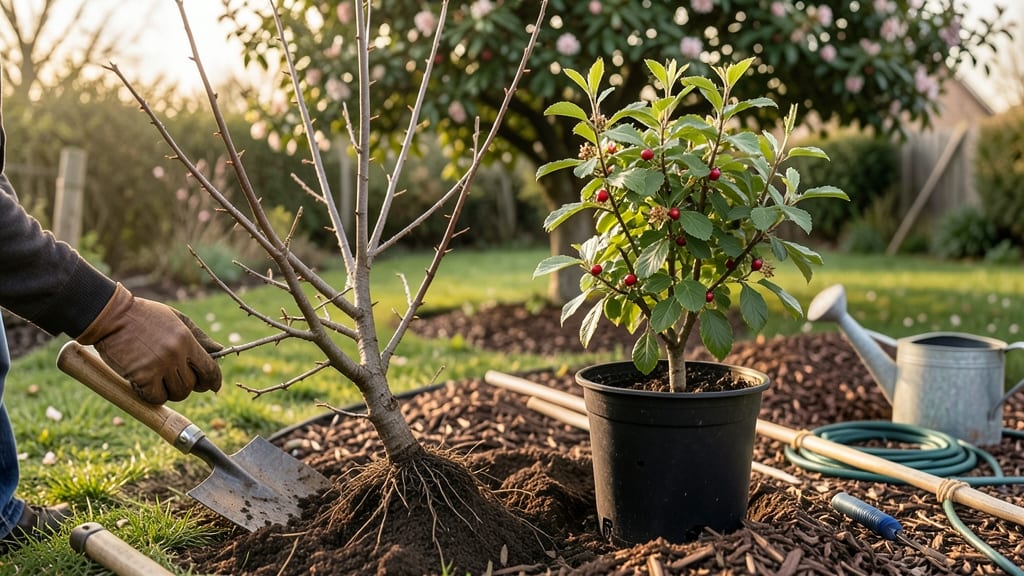
How to grow a hawthorn tree is simpler than you think—even in tricky spots. 🌿 These tough trees thrive in partial shade, urban soil, and even rocky ground where others fail. My first hawthorn survived a drought and still blooms yearly, proving they’re the ultimate low-maintenance choice for any yard. You’ll need bare-root saplings (spring planting works best) and a spot with at least 4-6 hours of sun, though they tolerate less. Amend heavy clay soil with compost—they hate soggy roots but love good drainage. Planting takes just 30 minutes, and the birds will thank you later for the berries. By year three, you’ll have a 10-15 foot tree with white spring blooms and glossy leaves. Prune in late winter to shape it, and watch for aphids (spray with soapy water if needed). The best part? They attract pollinators and provide food for wildlife all season. Perfect for hedges, privacy screens, or as a single statement tree. Let’s get yours planted—your neighborhood birds will be the first to notice!
📚 In This Guide
- What you need
- Instructions
- Tips and common mistakes
- Wrapping up and next steps
What you need
- ● Hawthorn plant: Choose between: 1–3 seeds (collected from ripe berries, best sown fresh or stratified for 3–6 months)
- ● 1 bare-root sapling (1–2 years old, ~18–24" tall, from a nursery)
- ● 1 container-grown nursery tree (3–5 gallons, 3–5 ft tall)
- ● Planting site: Sunlight: Full sun to partial shade (6+ hours of light for best growth)
- ● Soil: Well-draining, slightly acidic to neutral (pH 6.0–7.0)
- ● Space: 15–25 ft apart (for mature trees; dwarf varieties need ~10 ft)
- ○ Soil amendments (optional but helpful): 2–3 cups compost or aged manure (per planting hole)
- ● 1 tbsp bone meal (for phosphorus, if planting seeds)
- ● Tools: 1 shovel or trowel (for digging)
- ● 1 garden fork (to loosen soil)
- ● 1 pruning shears (sterilized, for trimming)
- ● 1 watering can or hose (with adjustable nozzle)
- ● 1 mulch (2–3 inches of wood chips, straw, or pine needles)
- ● 1 tree stake (if planting in windy areas)
- ● 1 tree tie or soft rope (to secure stakes)
- ● 1 pH testing kit (to check soil acidity)
- ● 1 fertilizer (balanced 10-10-10 or slow-release organic)
- ● 1 bird netting (to protect young trees from wildlife)
Step-by-step instructions for growing a resilient hawthorn tree
Here’s my go-to method for growing a sturdy, shade-tolerant hawthorn that thrives in almost any yard.
🌱 Step 1: Choose the Right Location and Prepare the Soil
Hawthorn trees adapt to sun or shade, but they perform best in partial shade—think dappled sunlight or morning sun with afternoon shade. Avoid deep shade, where growth slows dramatically. Test your spot by observing how sunlight moves across it throughout the day.
Dig a hole twice as wide as the root ball but no deeper—hawthorns dislike being buried too deep. Loosen the soil at the bottom of the hole with a shovel or your hands. If your soil is heavy clay or sandy, mix in 2-3 inches of compost into the native soil to improve drainage and fertility.
🪴 Step 2: Plant at the Correct Depth and Water Thoroughly
Remove the hawthorn from its container and gently tease the roots apart if they’re circling. Place it in the hole so the top of the root ball sits level with the surrounding soil—burying the trunk too deep invites rot, while planting too high stresses the tree. Fill the hole with soil, tamping lightly as you go to eliminate air pockets.
Water deeply until the soil is evenly moist 12 inches down. You’ll know it’s right when water pools slightly at the surface but drains within 15-20 minutes. Mulch with 2-3 inches of organic mulch (like wood chips) in a 3-inch-wide ring around the base, keeping it 6 inches away from the trunk to prevent rot.
☀️ Step 3: Provide Consistent Care for the First Two Years
Hawthorns establish slowly, so water weekly during the first year if rainfall is less than 1 inch per week. After that, they’re drought-tolerant, but young trees need steady moisture to develop strong roots. Water at the drip line (where the branches extend) rather than at the trunk to encourage deep root growth.
Fertilize lightly in early spring with a balanced, slow-release fertilizer (10-10-10). Too much nitrogen early on leads to weak wood. Prune only to remove dead or crossing branches—hawthorns handle pruning poorly and may not recover well from aggressive cuts.
✂️ Step 4: Prune for Shape and Health After Establishment
Wait until late winter or early spring before buds swell to prune. Remove dead, diseased, or weak branches first, then shape the tree by cutting back no more than 25% of the foliage at a time. Hawthorns respond best to light, strategic pruning—avoid heavy thinning, which can stress the tree.
Make cuts just outside the branch collar (the swollen area where the branch meets the trunk). Use clean, sharp pruners to prevent tearing. If you’re shaping for hedging, prune twice a year—once after flowering and again in mid-summer—but never cut into old wood, as hawthorns struggle to regrow from severe cuts.
🌿 Step 5: Monitor for Pests and Enjoy the Rewards
Hawthorns are generally pest-resistant, but watch for aphids or spider mites on new growth. Spray with neem oil if you spot clusters of tiny insects. Birds and pollinators will visit the spring blossoms, and by year 3-5, you’ll see clusters of red berries—a favorite for wildlife.
Once established, hawthorns need minimal care. They tolerate urban pollution, salt spray, and poor soil, making them perfect for tough landscapes. In 5-7 years, you’ll have a dense, multi-stemmed shrub or small tree—depending on how you prune—with year-round interest from bark, flowers, and berries.
Tips & tricks for growing a resilient hawthorn tree
These simple, game-changing tips will help your hawthorn thrive from day one—and avoid the common pitfalls that trip up even experienced gardeners.
Location Intelligence: Hawthorns are famously adaptable, but here's the secret: the best spots get morning sun and afternoon shade. If you're planting in full sun, water more frequently during the first year—the roots need time to establish before dealing with intense afternoon heat. I've seen hawthorns planted in deep shade grow, but they'll be leggy and sparse. Test your spot by observing how sunlight moves across it throughout the day before committing.
Planting Depth Secret: The top of the root ball should be level with the surrounding soil—this is non-negotiable. I learned this the hard way when my first hawthorn developed root rot from being planted too deep. Use a level or your eye to check: the soil line on the root ball should match the ground level. If you're unsure, dig a small reference hole nearby to compare.
Watering Wisdom: That 15-20 minute drainage test after watering is your best friend. You want water to pool slightly but drain completely within that window. If it's still standing after 20 minutes, your soil is too compacted—amend with more compost. And remember: water at the drip line, not the trunk. This encourages roots to spread outward rather than staying shallow near the base.
Pruning Precision: Hawthorns hate aggressive pruning, but they love strategic cuts. When shaping, never remove more than 25% of the foliage in one session—this prevents shock. I always prune just outside the branch collar and use clean, sharp tools. For hedging, stick to two light prunings per year: once after flowering and again in mid-summer. Avoid cutting into old wood, as hawthorns rarely regrow from severe cuts.
Pro Tips for Grow Hawthorn Tree
- These simple, game-changing tips will help your hawthorn thrive from day one—and avoid the common pitfalls that trip up even experienced gardeners.
- Location Intelligence: Hawthorns are famously adaptable, but here's the secret: the best spots get morning sun and afternoon shade.
- Planting Depth Secret: The top of the root ball should be level with the surrounding soil—this is non-negotiable.
Frequently asked questions
Got questions about growing a hawthorn tree? You’re not alone! Here are some of the most common queries—and their straightforward answers—to help you cultivate a thriving, resilient tree with confidence.
How long does it take for a hawthorn tree to grow to full size?
A hawthorn tree typically reaches its mature height of 15–30 feet in 10–20 years, depending on the species and growing conditions. Dwarf varieties may mature faster (5–10 years), while standard types take longer. Patience pays off—these trees reward you with stunning blooms and berries for decades!
Can I grow a hawthorn tree in a pot or container?
Yes, but with limitations! Hawthorns thrive in the ground, but dwarf or semi-dwarf varieties (like Crataegus phaenopyrum) can work in large containers (20+ gallons). Use well-draining soil, repot every 2–3 years, and ensure the pot has drainage holes. Expect slower growth compared to in-ground planting.
Do hawthorn trees survive harsh winters?
Hawthorns are hardy to USDA Zones 3–8, meaning they tolerate cold snaps, snow, and even urban pollution. Young trees benefit from a mulch layer (2–3 inches) to protect roots, but mature trees are tough as nails. Just avoid planting in waterlogged soil—they hate soggy feet!
Why aren’t my hawthorn leaves turning red/orange in fall?
Color intensity depends on sunlight, soil nutrients, and variety. Some hawthorns (like Crataegus viridis) naturally have muted fall foliage, while others (e.g., Crataegus coccinea) blaze red. Boost color by:
- Planting in full sun (6+ hours/day).
- Adding iron or potassium to the soil if leaves are pale.
- Watering deeply during droughts.
Are hawthorn berries toxic to pets or wildlife?
Hawthorn berries are non-toxic to humans and most wildlife, but they can cause mild stomach upset if eaten in large quantities. However, the seeds and leaves contain cyanogenic glycosides, which are toxic to dogs, cats, and horses in high doses. Keep pets away from large quantities, and monitor birds—while they love the berries, moderation is key!
What’s the best alternative if I want a low-maintenance, berry-producing tree?
If hawthorns seem tricky, consider these low-maintenance alternatives:
- Serviceberry (Amelanchier): Edible berries, stunning fall color, and adaptable to partial shade.
- Elderberry (Sambucus): Fast-growing, berry-rich, and thrives in wetter soils (but avoid planting near water sources).
- Honeyberry (Lonicera caerulea): Cold-hardy, early spring fruit, and compact size.
Wrapping up and next steps
Growing a hawthorn tree is a rewarding journey that blends resilience with beauty—whether you’re adding a touch of nature to your yard or supporting local wildlife.
By following these 5 simple steps, you’ll nurture a hardy plant that thrives in sun or shade, offers stunning blooms, and even provides fruit for birds and humans alike. 🌿
Now that you’re armed with the know-how, why not take the next step? Start with a single sapling or share your newfound expertise with fellow gardeners. Your hawthorn tree could become a cherished landmark—let’s make it grow! 🌱