
Propagation
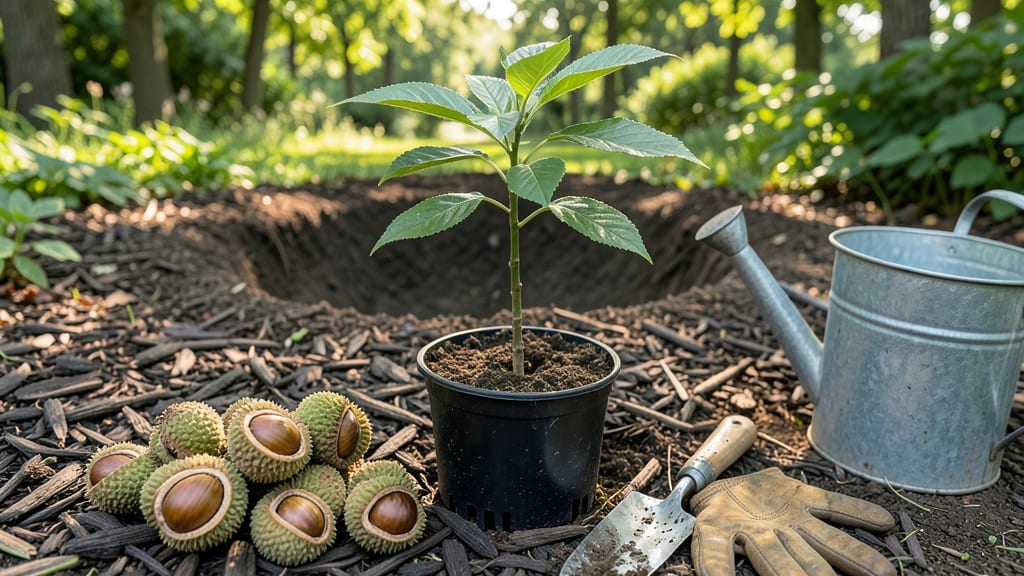
How to grow hickory trees from seed takes two years to germinate—then the real reward begins as they grow into towering giants. 🌱 I’ve waited through frost, drought, and forgotten pots just to watch those first leaves unfurl after a decade of patience. The reward? A tree that outlives most gardeners and feeds wildlife for generations.
You’ll need fresh hickory nuts (not store-bought), a cold stratification setup (or a freezer), and a deep planting spot—these trees despise shallow roots. Most beginners rush the process, but skipping the cold treatment means years of waiting or no germination at all.
My first batch finally sprouted after I moved them outside in a buried pot for winter.
By year 5, you’ll have a sturdy sapling ready to transplant, though full shade tolerance won’t kick in until year 10. The real magic happens decades later when squirrels dig up your nuts and scatter them across the neighborhood. Your backyard becomes a wildlife corridor overnight.
Troubleshooting slow starts? Check your stratification—hickories need 60-90 days of cold moisture. Pests? Tiny seedlings attract slugs, so use coffee grounds as a natural deterrent. This isn’t a quick project, but it’s the most rewarding long-term investment in your landscape.
📚 In This Guide
- What you need
- Instructions
- Tips and common mistakes
- Wrapping up and next steps
What you need
- ● Fresh hickory nuts/seeds: Collect at least 10-20 mature, plump nuts (avoid shriveled or damaged ones). Harvest them in fall when they naturally drop from the tree.
- ● Container for stratification: A ziplock bag or paper towel (for cold-moist stratification), or
- ● A seed tray with drainage holes (for in-soil stratification).
- ● Potting mix: Well-draining mix like a blend of 50% peat moss, 30% perlite, and 20% sand (or a seed-starting mix with added perlite).
- ● Small pots or seedling trays: 3-4 inch diameter pots or a tray with individual cells (for transplanting later).
- ● Grow lights or sunny windowsill: A full-spectrum LED grow light (12-16 hrs/day) or a south-facing window (if natural light is strong).
- ● Spray bottle: For gentle watering (avoid over-saturating seeds).
- ● Refrigerator or cold frame: A cool, dark space (34–40°F / 1–4°C) for stratification (e.g., fridge crisper drawer or unheated garage).
- ● Garden gloves: To protect your hands from hickory husks (which can stain!).
- ● Seed scarifier: A knife or sandpaper to lightly nick hard seed coats (speeds up germination).
- ● pH test kit: To check soil pH (ideal: 6.0–7.0 for hickories).
- ● Humidity dome: Keeps moisture high for seedlings (remove once sprouts appear).
- ● Pruning shears: For transplanting or trimming leggy seedlings.
- ● Outdoor space: A sunny, sheltered spot (after 1–2 years) with well-draining soil.
Step-by-step instructions for growing hickory trees from seed
Here's how to cultivate these majestic giants—starting with the right preparation and patience.
🌱 Step 1: Harvest and Stratify the Seeds Properly
Collect fresh hickory nuts in late fall after they've fallen naturally, as store-bought nuts often won't germinate. Remove the outer shell carefully with pliers or a nutcracker—don't damage the seed inside. The key to breaking dormancy is cold stratification: mix the cleaned seeds with slightly damp peat moss or sand in a sealed container, then refrigerate for 90-120 days at 35-40°F.
Check the mix monthly to ensure it stays evenly moist but not soggy. You'll know stratification worked when tiny white roots appear—this usually happens around 6-8 weeks in. Real talk: if you skip this step, your seeds may never sprout, no matter how well you plant them later.
💧 Step 2: Prepare the Planting Site and Sow Seeds
Hickory trees need full sun and deep, well-draining soil with a pH between 6.0-7.5. Choose a site with at least 8 feet of clearance in all directions—they'll grow to 70-100 feet tall. Till the top 12 inches of soil to loosen it, then mix in compost or aged manure to improve fertility.
Plant the stratified seeds 1 inch deep in early spring, spacing them 10-12 inches apart if sowing multiple trees. Water thoroughly after planting, then maintain 1-2 inches of consistent moisture in the soil until germination. You'll see sprouts in 3-6 weeks, though some may take longer—don't give up if not all seeds germinate.
☀️ Step 3: Provide Consistent Care During Early Growth
Young hickory seedlings need protection from deer and rodents—use wire cages or tree guards if needed. Water deeply once weekly during the first growing season, aiming for 1-1.5 gallons per plant. Mulch around the base with 2-3 inches of wood chips, keeping it 6 inches away from the trunk to prevent rot.
Fertilize lightly in early spring with a balanced 10-10-10 formula, applying ½ pound per 100 square feet. Avoid heavy nitrogen—it encourages leafy growth at the expense of root development. You'll notice strong, upright stems with deep green leaves by mid-summer, signaling healthy progress.
✂️ Step 4: Prune and Support for Strong Structure
When seedlings reach 3-4 feet tall (usually 2-3 years old), prune to remove any crossing branches or weak growth. Use clean, sharp pruners to make cuts just above a bud or lateral branch. Thin the canopy slightly to improve air circulation, which reduces disease risk.
Stake taller seedlings if needed, but only if they lean excessively. Hickory trees develop strong root systems—over-supporting them can weaken natural stability. By year 5, your saplings should be self-sufficient, with trunks thick enough to support their own weight.
🌿 Step 5: Transition to Mature Tree Care
Once trees reach 10-15 feet tall, reduce watering to every 2-3 weeks unless experiencing drought. Hickories are drought-tolerant once established, but deep soakings encourage deep root growth. Apply a slow-release fertilizer in early spring, using 1 pound per 100 square feet.
Monitor for pests like hickory shuckworms or borers—treat only if necessary with neem oil or insecticidal soap. These trees grow slowly but steadily, and with proper care, you'll have a 100-foot giant in 50-70 years. Here's the thing—hickories thrive on neglect once mature, so focus on early years for the best long-term success.
Tips & tricks for growing healthy hickory trees from seed
These practical insights will help you navigate the unique challenges of nurturing hickory trees from seed to majestic oak.
Stratification Success: The 90-120 day cold stratification at 35-40°F is non-negotiable for breaking dormancy. I've found using a sealed plastic container with small air holes works best—place it in your refrigerator's crisper drawer where temperatures stay most consistent. The key is maintaining that even moisture; if the mix feels damp like a wrung-out sponge but not dripping, you're golden. After about 6-8 weeks, you'll notice those tiny white roots—this is your green light to plant. Confession: I skipped this step my first time and waited a full year for germination that never came.
Soil Preparation Strategy: When tilling that top 12 inches of soil, think "fluffy cloud" not "compacted dirt." Work in 2-3 inches of compost or aged manure to improve fertility, but don't overdo it—hickories prefer lean soil. I like to mix in a handful of sand if my native soil is particularly heavy. The goal is creating that perfect well-draining environment they crave. Pro tip: Test your soil pH before planting—if it's outside 6.0-7.5, you'll need to amend with lime (to raise) or sulfur (to lower) before sowing.
Early Growth Protection: Those wire cages or tree guards aren't just decorative—they're essential for protecting young seedlings from deer and rodents. I've seen deer completely denude a hickory planting in a single night. Install guards as soon as you see those first sprouts appear. For watering, aim for that 1-1.5 gallons per plant weekly, but always water deeply rather than frequently. The deep soakings encourage strong root development that'll serve your trees for decades. Here's what nobody tells you: hickory seedlings often develop a taproot quickly, so avoid disturbing the soil around them once planted.
Pruning Timeline: Wait until your seedlings reach that 3-4 foot mark (usually around 2-3 years old) before pruning—this gives them time to establish strong structural integrity. When you do prune, make clean cuts just above a bud or lateral branch using sharp pruners. I've found that thinning the canopy by about 20% improves air circulation dramatically, which reduces disease risk. Remember, hickories grow slowly but steadily, so there's no rush. The trees will thank you for the patience with decades of strong growth.
Pro Tips for Grow Hickory Trees From Seed
- These practical insights will help you navigate the unique challenges of nurturing hickory trees from seed to majestic oak.
- Stratification Success: The 90-120 day cold stratification at 35-40°F is non-negotiable for breaking dormancy.
- Soil Preparation Strategy: When tilling that top 12 inches of soil, think "fluffy cloud" not "compacted dirt."
Frequently asked questions
Got questions about growing hickory trees from seed? You’re not alone—these giants of the forest take time, care, and a little know-how. Here are answers to the most common queries to help you succeed.
How long does it take for hickory seeds to germinate?
Hickory seeds can take anywhere from 3 months to 2 years to germinate, depending on species and conditions. Cold stratification (mimicking winter) speeds this up—plant seeds in fall or soak them for 24 hours before sowing in moist, well-drained soil. Patience is key!
Do I need to cold-stratify hickory seeds?
Yes! Cold stratification breaks seed dormancy. For best results, refrigerate seeds in damp peat moss for 60–90 days before planting. Alternatively, sow them outdoors in fall—they’ll naturally experience winter’s chill. Skipping this step may delay or prevent germination.
Can I grow hickory trees from store-bought nuts?
Store-bought hickory nuts are often roasted or treated, which kills viability. For successful growth, source seeds from fresh, unprocessed hickory nuts (like those from a local tree or wild harvest). Check for a hard, intact shell—if it cracks easily, the seed may be old.
What pests or diseases should I watch for?
Young hickory seedlings may face deer browsing, squirrels, or fungal issues like anthracnose. Protect saplings with tree guards and ensure good airflow. If leaves yellow or spots appear, prune affected areas and avoid overhead watering to prevent mold.
How big should my hickory tree be before transplanting?
Wait until seedlings are 2–3 feet tall with a sturdy root system (usually 1–2 years old) before transplanting. Use a wide hole and backfill with native soil mixed with compost. Water deeply after planting to reduce shock—these trees hate being moved too soon!
Pro Tip:
Label your seedlings! Hickory species vary (e.g., shagbark vs. mockernut), and their growth rates and nut flavors differ. Keep track to ensure you’re growing the right type for your goals—whether it’s timber, shade, or that perfect smoking wood!
Wrapping up and next steps
Growing hickory trees from seed is a rewarding journey that demands patience—but the payoff is unmatched! With the right soil, timing, and care, you’ll nurture a future giant that provides shade, wildlife support, and even delicious nuts.
Start small, stay consistent, and soon you’ll watch your seedlings transform into towering oaks.
Ready to take the next step? Plant your first seeds this fall—just remember, the best hickory trees begin with a single seed and a dream. Happy growing! 🌱🌳