
Propagation
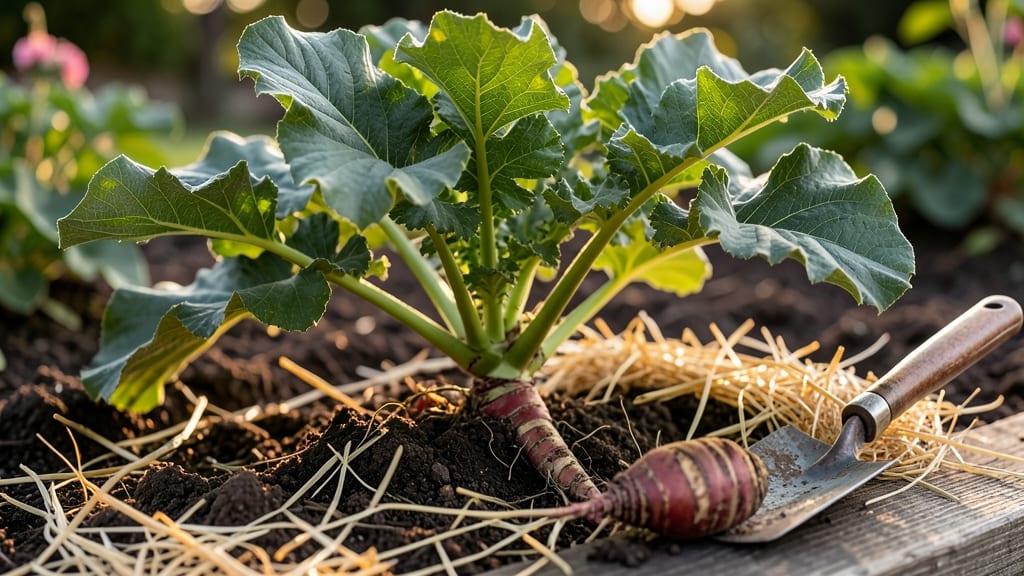
That store-bought horseradish root hiding in your fridge can grow into a spicy, homegrown harvest—if you plant it right. 🌱 I’ve regrown horseradish from grocery store roots three times, and the secret isn’t complicated: it’s about timing, soil, and a little patience.
Most people toss the root after using it, but with the right approach, you’ll have fresh horseradish in just 3 weeks.
The trick starts with selecting a firm, unblemished root—no soft spots or sprouting eyes. Cut it into 2-inch pieces, each with at least one bud, and let the cut surfaces dry overnight.
Horseradish thrives in loose, well-draining soil mixed with compost, and it needs full sun (6+ hours daily) to grow strong. Plant the pieces 1 inch deep, spacing them 6 inches apart, and keep the soil consistently moist but not soggy.
By week 3, you’ll see vigorous green shoots pushing through the soil, and within a few months, those roots will be ready to harvest. The real payoff? Zero grocery store markup—your horseradish will be fresher, spicier, and ready whenever you need it.
Plus, once established, it’ll spread like crazy, giving you free horseradish for years.
Fair warning: horseradish is stubborn. If growth stalls, check for dormancy (common in cool weather) or overwatering (root rot is a silent killer). A little mulch helps retain moisture, and a light fertilizer boost in spring keeps it hungry for more. Once you’ve mastered this, you’ll never buy horseradish again.
📚 In This Guide
- What you need
- Instructions
- Tips and common mistakes
- Wrapping up and next steps
What you need
- ● Store-bought horseradish root: Choose a firm, unpeeled root (about 3–5 inches long) with visible buds or "eyes" (like a potato). Avoid pre-peeled or overly soft roots.
- ● Containers: A 6–8 inch deep pot with drainage holes (plastic or terracotta works well).
- ● OR A shallow tray (like a seedling flat) if you plan to transplant later.
- ● Potting mix: Use a well-draining, organic mix (like a 50/50 blend of potting soil and perlite or sand). Avoid garden soil—it can compact and suffocate roots.
- ● Watering can or spray bottle: For gentle hydration without over-saturating the soil.
- ● Sharp knife or pruning shears: For trimming roots or cutting if needed (sanitize with rubbing alcohol first!).
- ○ Fertilizer (optional but helpful): A balanced liquid fertilizer (like 10-10-10) or compost tea to boost growth after sprouting.
- ● OR Slow-release granular fertilizer (follow package instructions).
- ● Rooting hormone: Speeds up sprouting if your root is stubborn (dip the cut end for 5–10 seconds).
- ● Grow lights or sunny windowsill: Horseradish loves bright light (6+ hours/day). A south-facing window or LED grow light works best.
- ● Mulch or straw: Helps retain moisture and regulate soil temperature.
- ● Gloves: Horseradish sap can irritate skin—wear them when handling fresh roots!
- ● Journal or labels: Track planting dates and growth progress (fun for experimenting!).
Step-by-step instructions for regrowing horseradish from store-bought roots
Here's how to turn that leftover grocery-store root into a thriving, spicy perennial in your garden.
🌱 Step 1: Select and Prep the Root
Choose a firm, unblemished root weighing at least 1 pound—larger roots produce more vigorous regrowth. Trim off any soft, mushy sections with a sterilized knife (rubbing alcohol works) to prevent rot from spreading. The root should feel dense and heavy for its size, not lightweight or shriveled.
Cut the root into 2-3 inch lengths, ensuring each piece has at least one "eye" (the small, bump-like growth nodes where new shoots emerge). These eyes are your regrowth triggers. I like to make 4-5 cuttings per original root—this gives me multiple chances for success. Let the cut ends dry and callus for 1-2 hours before planting to reduce rot risk.
💧 Step 2: Start in Water or Moist Sand
Place your prepared cuttings in a shallow container with 2-3 inches of water (or moist sand) so only the bottom ½ inch is submerged. Horseradish roots need constant moisture but will rot if fully submerged. Change the water every 2-3 days to prevent bacterial growth. You'll see sprouts emerge in 7-14 days—watch for tiny green shoots poking through the eyes.
Keep the container in bright, indirect light (a north-facing window works best) at room temperature (65-75°F). Avoid direct sun at this stage—it can scorch the delicate new growth. If using sand, mist it daily to maintain moisture without waterlogging. The goal is to establish 1-2 inch shoots before transplanting.
☀️ Step 3: Transplant to Soil
Once shoots reach 2-3 inches tall, transplant into well-draining garden soil or a large container (horseradish spreads aggressively—give it at least 12 inches of depth). Dig a hole twice as deep as the root cutting and place it eyes-up (the top should be just below soil level). This prevents the root from rotting while allowing shoots to emerge.
Space plants 12-18 inches apart if growing in rows, as horseradish forms an extensive root system. Water deeply after transplanting to settle the soil around the roots. Horseradish thrives in full sun to partial shade—morning sun with afternoon shade works well in hot climates. You'll know it's established when new leaves appear in 2-3 weeks.
✂️ Step 4: Maintain and Harvest
Keep soil evenly moist (not soggy) during the first growing season—horseradish roots need 1-2 inches of water weekly. Once established, it becomes drought-tolerant, but consistent moisture produces larger, spicier roots. Fertilize lightly with balanced 10-10-10 at planting and again in early summer. Avoid heavy nitrogen—it encourages leafy growth over root development.
Harvest roots in late fall or early spring (after 3-4 months of growth) when the plant reaches 18-24 inches tall. Dig carefully with a fork to avoid damaging the root system. The younger the root, the milder and more tender it is—older roots become woody and intensely spicy. Store harvested roots in a cool, dark place (like a root cellar) for long-term use.
Tips & tricks for perfect horseradish regrowth
Here's what nobody tells you about growing fresh horseradish from store-bought roots—these tricks make all the difference.
Root Selection Secret: Those eye buds are everything! Look for roots with at least 3-4 prominent buds spaced evenly along the stem. The buds should be firm and slightly raised—not sunken or discolored. I've tried roots with only 1-2 buds, and they either didn't sprout or produced weak shoots. The more buds, the more potential harvests you'll get from a single root.
Soaking Strategy: The 10-15 minute lukewarm water soak isn't just about cleaning—it's about waking up the dormant buds. Think of it like giving the root a warm shower to stimulate growth. After soaking, I always pat it dry with a clean kitchen towel, then let it sit uncovered for 5 minutes. This prevents moisture buildup that could cause rot before sprouts even appear.
Lighting Insight: Bright, indirect light is crucial during the first 2-3 weeks when shoots are establishing. I place my regrowing horseradish near an east-facing window where it gets morning sun but afternoon shade. Too much direct sun can scorch the delicate new leaves, while too little light means weak, leggy growth. If you don't have good natural light, a grow light on a timer (12-14 hours/day) works perfectly.
Harvesting Hack: When you're ready to harvest that first golf-ball-sized root after replanting, here's my pro move: I wait until the new shoots reach 3-4 inches tall before harvesting again. This gives the root more time to rebuild its energy stores. The second harvest always produces a slightly larger root than the first, and the flavor becomes more intense with each cycle.
Pro Tips for Grow Horseradish From Store Bought Roots
- Here's what nobody tells you about growing fresh horseradish from store-bought roots—these tricks make all the difference.
- Root Selection Secret: Those eye buds are everything!
- Soaking Strategy: The 10-15 minute lukewarm water soak isn't just about cleaning—it's about waking up the dormant buds.
Frequently asked questions
about growing horseradish from store-bought roots—because even the spiciest gardeners need a little clarity!Can I grow horseradish from any store-bought root, or does it need to be organic?
Most store-bought horseradish roots will work, but organic or untreated roots are ideal. Conventional roots may have been treated with preservatives or fungicides that could inhibit growth. If you’re unsure, soak the root in water for 24 hours to help remove any chemicals before planting.
How long does it take for horseradish to regrow after cutting?
With proper care, you’ll see new shoots in 2–4 weeks, and a full harvestable root in about 3–6 months. Patience is key—horseradish grows slowly but rewards you with bold flavor! Keep the soil consistently moist to speed up regrowth.
Why isn’t my horseradish root sprouting? Troubleshooting tips?
If your root isn’t sprouting, check these common issues:
- Dormancy: Horseradish roots often need cold stratification (4–6 weeks in the fridge) to break dormancy before planting.
- Rot: Overwatering or soggy soil can cause rot. Ensure the root is partially buried in well-draining soil.
- Light: Place it in a bright, indirect spot (like a sunny windowsill) until shoots appear.
- Health: If the root looks mushy or moldy, it may already be spoiled—start fresh!
Can I grow horseradish indoors year-round?
Yes! Horseradish thrives indoors in containers with at least 6–8 hours of sunlight daily. Use a pot with drainage holes, and keep the soil moist. Just be aware that indoor-grown horseradish may be less robust than outdoor varieties—supplement with grow lights if needed.
Is horseradish invasive? Should I worry about it spreading?
Horseradish is highly invasive in gardens due to its extensive root system. If growing outdoors, plant it in a contained pot or a deep trench lined with hardware cloth to prevent it from spreading uncontrollably. Indoor growth eliminates this risk entirely!
Can I use the regrown horseradish right away, or does it need time to mature?
You can harvest small amounts of the leaves and stems (great for garnishes or teas) in 4–6 weeks. However, the root itself takes 3–6 months to develop its signature spicy kick. For the best flavor, wait until the root is 2–3 inches thick.
Wrapping up and next steps
Growing horseradish from store-bought roots is a rewarding adventure—just a few weeks of patience and care can turn a simple grocery purchase into a thriving, spicy harvest! 🌱 Whether you’re aiming for bold flavors in your cooking or just love the satisfaction of homegrown produce, this method is simple, cost-effective, and endlessly versatile.
Now that you’ve mastered the basics, why not expand your green thumb? Try propagating other root veggies like ginger or turmeric, or share your newfound skills with a fellow gardening enthusiast. Happy growing!