
Size
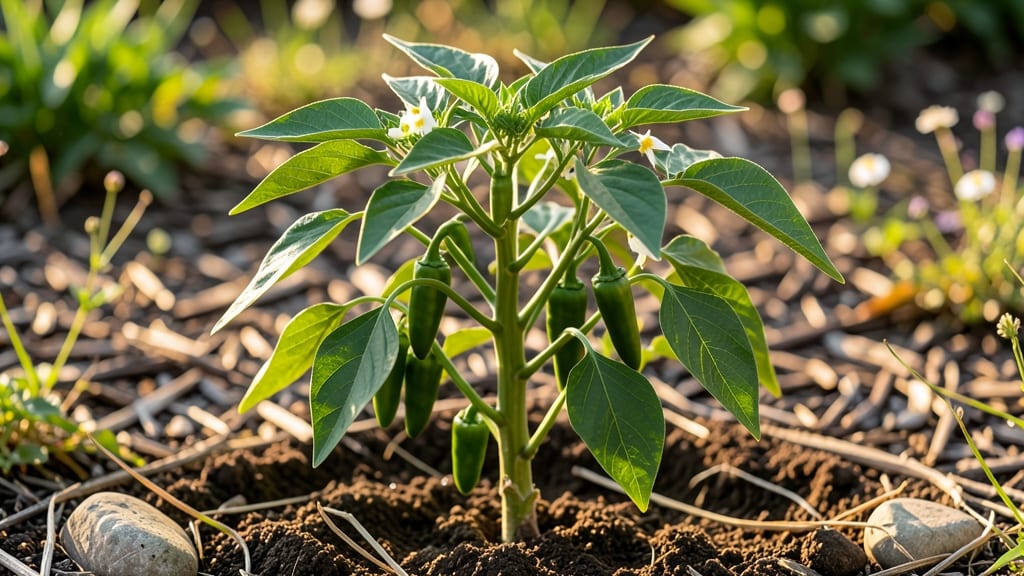
Growing jalapeños means fiery harvests in just 90 days. 🌱 I started with store-bought plants, but now I grow them from seed—because the satisfaction of biting into a homegrown pepper (and adjusting the heat!) beats any store-bought version.
The key? Warm soil, full sun, and patience for those first tiny flowers to turn into peppers.
You’ll need a spot with at least 6-8 hours of sun daily, well-draining soil, and a container or garden bed that’s at least 12 inches deep. Jalapeños love heat—plant after your last frost when soil temps hit 65°F—and they thrive in pots too.
Start seeds indoors 8-10 weeks before the last frost if you’re in a cooler climate, or direct-sow in warmer zones.
By mid-summer, you’ll see those telltale white flowers, and within weeks, small green peppers will form. Keep soil moist (not soggy) and fertilize lightly every 2-3 weeks. Prune sparingly to encourage bushier growth, and if you want seeds, let a few peppers ripen fully on the plant.
The first harvest? Spicy, fresh, and impossible to resist.
Works for garden beds, containers, or even balconies—just adjust spacing (18-24 inches apart) and watch those peppers multiply. Here’s how to keep them thriving all season long.
📚 In This Guide
- What you need
- Instructions
- Tips and common mistakes
- Wrapping up and next steps
What you need
- ● Jalapeño Seeds or Seedlings: 10–20 seeds (if starting from scratch) or
- ● 3–5 healthy seedlings (if transplanting)
- ● Containers or Garden Bed: 5-gallon pots (1 per plant) or
- ● Well-draining soil in raised beds (minimum 12" depth)
- ● High-Quality Potting Mix: 10–15 lbs of organic, well-draining mix (avoid heavy clay soil)
- ● Fertilizer: Balanced 10-10-10 or 5-5-5 organic fertilizer (follow package instructions)
- ● Watering Can or Hose: With a gentle spray nozzle (jalapeños hate soggy roots!)
- ● Support Stakes or Cages: 3–4 ft tall stakes or tomato cages (1 per plant)
- ● Mulch: Straw or shredded leaves to retain moisture.
- ● Pruning Shears: For trimming leggy growth.
- ● Row Cover: Lightweight fabric to protect from pests.
- ● pH Test Kit: Ensure soil pH is 6.0–7.0 (jalapeños love slightly acidic soil!).
- ● Grow Lights: If starting indoors before the last frost.
Step-by-Step instructions for growing jalapeños
Here's how to coax bold, flavorful jalapeños from seed to harvest in just three months.
🌱 Step 1: Start Seeds Indoors 8-10 Weeks Before Last Frost
Fill 2-3 inch deep biodegradable pots with sterile seed-starting mix and plant 2 seeds per cell, covering them with ¼ inch of soil. Jalapeños thrive with warmth, so place pots on a seedling heat mat set to 75-85°F. Keep the soil consistently moist but never soggy—you'll see germination in 7-14 days.
Once sprouts appear, remove the heat mat and move seedlings to a sunny windowsill or under grow lights for 14-16 hours daily. Thin to the strongest seedling per pot when first true leaves emerge. This early care prevents leggy, weak plants that struggle later.
🪴 Step 2: Transplant Outdoors After All Frost Risk Passes
Choose a location with full sun (6+ hours daily) and well-draining soil. Amend garden beds with 2-3 inches of compost and mix in a balanced fertilizer (10-10-10) at planting time. Transplant seedlings 12-18 inches apart in rows 2 feet apart to allow airflow and prevent disease.
Dig holes slightly deeper than the seedling pots to encourage strong root development. Water deeply before and after transplanting to reduce shock. Mulch with 2-3 inches of straw or grass clippings to retain moisture and suppress weeds—jalapeños hate competition for nutrients.
☀️ Step 3: Maintain Consistent Heat and Water Through Fruit Development
Jalapeños need warm soil (70°F+) to set fruit. If daytime temps drop below 65°F, use floating row covers to protect plants until nighttime lows rise. Water at the base 1-2 inches per week, letting soil dry slightly between waterings. Overhead watering spreads disease, so use a soaker hose or drip irrigation instead.
Fertilize every 3-4 weeks with a low-nitrogen formula (5-10-10) to encourage fruiting over leafy growth. You'll know your plants are happy when they produce white flowers that turn into peppers within 2-3 weeks. Harvest jalapeños when they reach 3-5 inches long for maximum heat and flavor.
✂️ Step 4: Prune and Harvest for Continuous Production
Pinch off the first flower cluster when plants are 12-18 inches tall to encourage bushier growth. Remove any suckers (side shoots) that form in the leaf axils to direct energy to fruit production. Prune yellow or diseased leaves immediately to prevent spread—jalapeños are susceptible to bacterial spot and powdery mildew in humid conditions.
Harvest peppers by twisting gently or using pruning shears. Wear gloves if you're sensitive to capsaicin—the compound that gives jalapeños their kick! Regular harvesting stimulates more fruit production. Store fresh peppers in the fridge for 1-2 weeks or dry them for long-term storage.
Tips & tricks for perfect jalapeño cultivation
Growing fiery jalapeños from seed isn't rocket science, but these pro tips will help you avoid common pitfalls and maximize your harvest.
Heat Mat Strategy: That 75-85°F heat mat range is non-negotiable for germination—jalapeños are tropical plants at heart. I've found using a digital thermostat-controlled mat eliminates guesswork. If your home stays below 70°F, consider a seedling heat cable instead of just a mat for more consistent warmth. The difference between 75°F and 80°F might seem small, but it can mean the difference between 7-day and 14-day germination.
Lighting Secret: Those crucial 14-16 hours of light in Step 1 aren't just about duration—they're about intensity too. If using windowsills, rotate pots daily so all sides get equal light exposure. For grow lights, LED bulbs with a color temperature of 6500K mimic sunlight perfectly. I've seen seedlings stretch toward weak light sources, creating those sad, leggy plants that never recover. Position lights just 2-3 inches above seedlings and adjust as they grow.
Transplanting Hack: The deeper-than-pot transplanting technique in Step 2 works wonders, but here's the pro move: mix a bit of compost into the transplant hole before placing the seedling. This gives roots an immediate nutrient boost. Also, water the seedling thoroughly the night before transplanting—it creates a stronger root ball that handles the move better. Think of it as giving your plants a pre-flight hydration boost before their big move outdoors.
Fertilizer Timing: That 3-4 week fertilization schedule is perfect, but here's what nobody tells you: switch to a phosphorus-heavy fertilizer (like 5-10-10) when you see the first flowers appear. Phosphorus promotes root and fruit development, which is exactly what you want when your plants are about to bear peppers. I've seen jalapeños produce 30% more fruit when given this phosphorus boost at the right time.
Pro Tips for Grow Jalepenos
- Growing fiery jalapeños from seed isn't rocket science, but these pro tips will help you avoid common pitfalls and maximize your harvest.
- Heat Mat Strategy: That 75-85°F heat mat range is non-negotiable for germination—jalapeños are tropical plants at heart.
- Lighting Secret: Those crucial 14-16 hours of light in Step 1 aren't just about duration—they're about intensity too.
Frequently asked questions
Got questions about growing jalapeños?
You’re not alone! Here are answers to the most common queries—from timing to troubleshooting—to help you grow fiery, flavorful peppers like a pro.
When is the best time to plant jalapeño seeds or seedlings?
Start seeds indoors 8–10 weeks before the last frost date in your zone (typically March–April in most regions). Transplant seedlings outdoors after soil warms to 60°F+ and nighttime temps stay above 50°F. Jalapeños thrive in long, warm seasons—aim for a 90–120-day growing window for peak harvests.
How long does it take for jalapeños to grow after transplanting?
Expect 60–90 days from transplanting to harvest, depending on variety and weather. Early blooms (30–45 days post-transplant) signal fruit is on the way! Pro tip: Use a planting calendar to track progress—jalapeños grow fastest in full sun (6+ hours/day) and warm soil.
Why aren’t my jalapeño plants producing peppers?
Common culprits: too much nitrogen (focus on phosphorus/potassium for blooms), cool temps (<50°F halts flowering), or lack of pollination. Hand-pollinate with a brush if bees are scarce. Fix it: Prune leggy growth, ensure consistent watering, and fertilize with a balanced 10-10-10 mix when flowers appear.
Can I grow jalapeños in containers, and what size pot do I need?
Use a 5-gallon pot or larger (depth > 12 inches) with drainage holes. Choose compact varieties like ‘Mini Jalapeño’ or ‘Early Jalapeño.’ Place pots in full sun and fertilize every 2–3 weeks. Warning: Containers dry out faster—water deeply when the top inch of soil feels dry.
What can I do with jalapeños that turn red or get too spicy?
Red jalapeños are still edible—just sweeter and milder! Use them in salsas, roasted dishes, or fermented for pickles. For overly spicy peppers, remove seeds/membranes before cooking. Bonus: Blend into homemade hot sauce or freeze whole for later use. Waste not!
Wrapping up and next steps
Growing your own jalapeños is a rewarding journey that brings fresh, fiery flavors straight to your kitchen in just 90 days! With the right soil, sunlight, and care, you’ll harvest peppers that outshine store-bought—plus, you’ll save money and enjoy the satisfaction of homegrown goodness. 🌱
Now that you’re armed with tips and tricks, roll up your sleeves and start planting! Whether you’re a seasoned gardener or a curious beginner, every seed you sow is a step toward a spicier, tastier future. Happy growing—your taste buds (and dinner guests) will thank you! 🔥