
Size
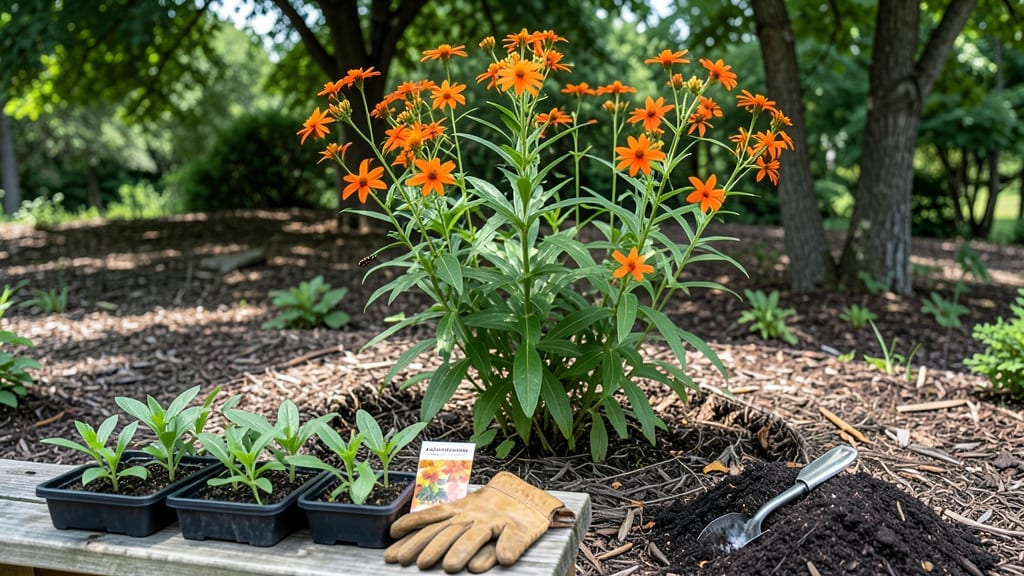
How to grow milkweed for monarch butterflies could transform your garden into a lifeline for these iconic orange-winged beauties. 🌱 These butterflies need milkweed to survive—and planting it is easier than you think. Just a few plants can turn your yard into a butterfly nursery, helping reverse their alarming population decline.
Start with seeds or young plants of native milkweed species like Asclepias tuberosa (butterfly weed) or Asclepias syriaca (common milkweed). They thrive in full sun and average soil, making them perfect for most gardens. Just avoid heavy clay or soggy spots—they prefer well-draining conditions.
By late summer, you’ll see monarchs laying eggs on your milkweed, and within weeks, tiny caterpillars will munch away. The plants handle pests well, but watch for aphids or mildew—simply spray with water or remove affected leaves to keep them healthy.
This isn’t just gardening; it’s conservation. Even a small patch makes a difference. Let’s get those seeds in the ground and bring back the monarchs, one wing at a time.
📚 In This Guide
- What you need
- Instructions
- Tips and common mistakes
- Wrapping up and next steps
What you need
- ● Milkweed seeds: Choose native species like Asclepias tuberosa (butterfly weed) or Asclepias syriaca (common milkweed). Buy from reputable suppliers (e.g., blank">Native American Seed or blank">Swallowtail Garden). Quantity: 50–100 seeds for small gardens, 200+ for larger spaces.
- ● Seed-starting mix: Lightweight, sterile potting soil (e.g., blank">ProMix or blank">FoxFarm Seedling Mix). Quantity: 1–2 gallons for indoor starts.
- ● Containers: Biodegradable seedling pots (2–3" diameter) or peat pellets. Quantity: 1 pot per seed.
- ● Grow lights or sunny windowsill: Seeds need 12–16 hours of light daily. A blank">full-spectrum LED grow light works best.
- ● Watering can or spray bottle: Gentle watering prevents seed displacement.
- ● Outdoor planting site: Full sun (6+ hours/day) and well-draining soil. pH preference: 6.0–7.5.
- ● Garden trowel or transplanting spade: For moving seedlings outdoors.
- ● Mulch (straw or wood chips): Retains moisture and suppresses weeds. Quantity: 1–2 inches.
- ○ Fertilizer (low-nitrogen): Optional for poor soil (e.g., blank">compost or fish emulsion).
- ● Monarch egg or caterpillar: If you’re lucky enough to find one on your plants! (No tools needed—just patience!)
- ● Pollinator-friendly companions: Native grasses (e.g., Schizachyrium scoparium) or wildflowers (e.g., Liatris) to attract other beneficial insects.
- ● 🌡️ Cold stratification: Milkweed seeds need a cold, moist period (4–6 weeks in the fridge) to germinate. Skip this step if using pre-stratified seeds!
- ● ✨ Direct sowing: For warm climates, plant seeds outdoors in early spring—no indoor start needed!
- ● 🎯 Patience: Germination can take 2–4 weeks. Keep soil moist but not soggy!
Step-by-step instructions for growing milkweed for monarch butterflies
Here's how I grow thriving milkweed patches that transform my garden into a monarch magnet.
🌱 Step 1: Select the Right Milkweed Species for Your Region
Monarchs rely on native milkweed species—non-native varieties won't support their lifecycle. For the South, choose tropical milkweed (Asclepias curassavica), which stays green year-round. In the Midwest and Northeast, common milkweed (Asclepias syriaca) or swamp milkweed (Asclepias incarnata) thrive best. Check your local native plant database to confirm the best match for your hardiness zone.
I always buy seeds from reputable native plant suppliers to ensure genetic purity. Avoid hybrid varieties—they often don't support monarch caterpillars. Planting native species also prevents the spread of Ophryocystis elektroscirrha (OE), a parasite that thrives in tropical milkweed but can harm monarchs in northern climates.
🌿 Step 2: Prepare the Planting Site for Maximum Growth
Milkweed thrives in full sun (at least 6-8 hours daily) and tolerates poor, dry soils—ideal for sunny, neglected corners. Clear the area of weeds and loosen the top 6 inches of soil with a garden fork. Milkweed roots are deep and taprooted, so avoid disturbing the soil more than necessary.
For swamp milkweed, choose a slightly moist area near a pond or rain garden. Amend heavy clay soil with 1-2 inches of compost to improve drainage, but avoid rich garden soil—it encourages leafy growth over flower production. The goal is to mimic the plant's natural, nutrient-poor habitat.
💧 Step 3: Plant Seeds at the Right Time and Depth
Sow seeds in early spring (after the last frost) or late summer for fall germination. Milkweed seeds have a hard outer coating, so I scarify them by nicking the seed coat with a knife or rubbing them between sandpaper before planting. This mimics natural weathering and triggers germination.
Plant seeds ½ inch deep in moist soil, spacing them 12-18 inches apart for common milkweed or 6-12 inches apart for tropical milkweed. Water gently but thoroughly to settle the soil around the seeds. Keep the planting area consistently moist (not soggy) until germination, which typically occurs in 10-20 days.
☀️ Step 4: Care for Milkweed Through the Growing Season
Once established, milkweed is drought-tolerant, but young plants need regular watering (about 1 inch per week) until they reach 12 inches tall. Mulch with 2-3 inches of straw or wood chips to retain moisture and suppress weeds. Avoid synthetic mulches—they can smother the plant's shallow roots.
Fertilizer isn't necessary, but if your soil is extremely poor, apply a light layer of compost in early spring. Over-fertilizing leads to weak stems and fewer flowers, which are critical for monarchs. Watch for milkweed beetles (harmless black-and-yellow insects) and aphids—spray with soapy water if infestations appear.
✂️ Step 5: Encourage Flowering and Support Monarchs Year-Round
Milkweed flowers attract monarchs, so I avoid pruning unless necessary. If plants become leggy, trim back one-third of the stem in early summer to encourage bushier growth. Deadhead spent flowers to redirect energy into new blooms, but leave some seed pods for monarch caterpillars to feed on.
In northern climates, cut back dead foliage in late winter to make room for new growth. In southern climates, tropical milkweed stays green year-round, but I replace old growth annually to prevent OE buildup. Plant in clusters of 3-5 plants—monarchs are more likely to lay eggs in dense patches.
Tips & tricks for thriving monarch habitats
Here's what I've learned after transforming my own yard into a monarch haven—small details make all the difference.
Sunlight Strategy: Those critical 6 hours of daily sun are non-negotiable, but here's the trick: south-facing locations get consistent light, but east-facing spots can work too if you're in a cooler climate. I've seen monarchs using morning sun to warm up before flying to nearby milkweed patches. The key is avoiding afternoon shade that cuts sunlight short—monarchs need that full energy boost.
Soil Test Hack: When testing drainage with that 6-inch hole, I add a visual check: if water disappears completely within 4 hours, your soil drains perfectly. But if it leaves a damp spot, you'll need to amend with coarse sand or create raised beds. I've had to adjust my own site twice—once for clay soil that held too much water, and again for sandy soil that drained too fast.
Plant Selection Wisdom: That 2-year wait for seed-grown milkweed to flower is brutal for monarchs migrating through your area. I now buy container-grown plants specifically labeled "native" from local nurseries—it's worth the extra cost. Pro tip: ask for plants that are already flowering if you're planting in late spring, as they'll attract monarchs immediately.
Watering Technique: Those first 2-3 weekly waterings are crucial, but here's how I do it: I water deeply in the morning so the soil has all day to dry slightly before nightfall. This prevents fungal issues while keeping roots hydrated. I also use a rain gauge to track moisture—monarch caterpillars need consistently moist soil, but not soggy conditions that invite rot.
Pro Tips for Grow Milkweed For Monarch Butterflies
- Here's what I've learned after transforming my own yard into a monarch haven—small details make all the difference.
- Sunlight Strategy: Those critical 6 hours of daily sun are non-negotiable, but here's the trick: south-facing locations get consistent light, but east-facing spots can work too if you're in a cooler climate.
- Soil Test Hack: When testing drainage with that 6-inch hole, I add a visual check: if water disappears completely within 4 hours, your soil drains perfectly.
Frequently asked questions
When is the best time to plant milkweed?
The ideal time to plant milkweed depends on your region. In most areas, sow seeds in early spring (after the last frost) or late summer for fall blooms. Native milkweed thrives when planted in full sun (6+ hours/day) and well-draining soil. If starting from seed, consider cold stratification (4–6 weeks in the fridge) to mimic winter conditions and improve germination rates.
Will milkweed attract pests or invasive species?
Milkweed is a monarch magnet, but it can also draw aphids, spider mites, or even deer. To minimize issues:
- Handpick large pests (like aphids) if populations explode.
- Use neem oil sparingly for severe infestations (test on a small area first).
- Plant in groups to deter deer—they’re less likely to graze dense patches.
Can I grow milkweed in containers or small spaces?
Dwarf varieties like Asclepias tuberosa (butterfly weed) or Asclepias curassavica (tropical milkweed) thrive in 5-gallon pots or raised beds. Ensure pots have drainage holes and use a native potting mix. Containers are great for:
- Balconies or patios.
- Urban gardens with limited soil.
- Controlling spread in small yards.
How do I overwinter milkweed in cold climates?
Most native milkweed (e.g., Asclepias syriaca) is perennial and hardy to Zone 3. In colder areas:
- Leave dead stalks standing for winter—monarchs may lay eggs on dried leaves!
- Mulch heavily (3–4 inches) with straw or leaves to insulate roots.
- Avoid cutting back until early spring (March/April).
What if my milkweed doesn’t produce flowers or eggs?
No flowers? Check these fixes:
- Age: Young plants (1–2 years) may not bloom—be patient!
- Light: Ensure 6+ hours of sun daily.
- Water: Drought stress can delay blooms—water deeply 1–2x/week.
- Fertilizer: Skip high-nitrogen feeds; milkweed prefers low-phosphorus soil.
Wrapping up and next steps
Growing milkweed for monarch butterflies is a simple yet powerful way to support these stunning pollinators and help restore their declining populations.
By choosing the right species, providing the ideal growing conditions, and maintaining your plants with care, you’ll create a thriving habitat that monarchs will thank you for with their vibrant presence. 🦋
Now that you’re equipped with the knowledge, take action—plant a patch of milkweed this season! Whether you’re a gardening beginner or a seasoned pro, every milkweed plant makes a difference.
Share your progress with fellow conservationists and inspire others to join the movement. Together, we can ensure these majestic butterflies continue to grace our landscapes for generations to come.