
Size
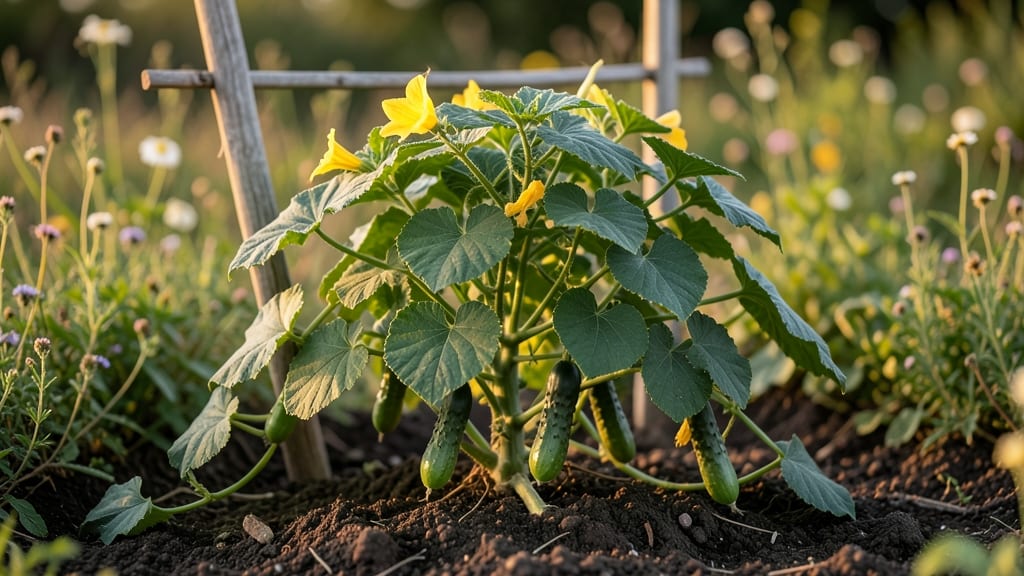
To grow mini cucumbers, choose compact varieties like 'Bush Champion' or 'Spacemaster,' plant seeds 1 inch deep in well-draining soil with full sun exposure, and use trellises or cages to support vertical growth. Harvest when cucumbers reach 3-6 inches for optimal flavor, while maintaining consistent moisture through regular watering and mulching.
Mini cucumbers thrive because their compact growth habits save space while delivering the same crisp, sweet flavor as larger varieties. 🌱 The key is selecting disease-resistant types that produce abundantly without sprawling vines—perfect for balconies, patios, or small garden plots.
I've found that container gardening works exceptionally well for these, using 5-gallon pots with proper drainage to prevent root rot while keeping the plants contained.
Once planted, maintain 1-2 inches of soil moisture daily during fruiting, as inconsistent watering leads to bitter-tasting cucumbers. A 3-inch layer of mulch helps retain moisture and suppress weeds, while regular pruning of side shoots focuses energy on fruit production.
For maximum yield, harvest every 2-3 days—this encourages continuous production throughout the growing season.
💡 In This Article
- Best Mini Cucumber Varieties for Small Gardens
- Step-by-Step Mini Cucumber Planting and Care Guide
Best mini cucumber varieties for small gardens
Mini cucumbers thrive because their genetics prioritize compact growth over sprawling vines. Bush varieties like 'Bush Champion' develop into 2-3 foot tall plants with dense foliage, while dwarf types like 'Spacemaster' stay under 18 inches—ideal for containers.
These plants have shallower root systems (typically 12-18 inches deep) that spread horizontally, making them perfect for small spaces where vertical growth would be impractical.
The real advantage lies in their parthenocarpic traits—many mini varieties produce fruit without pollination, eliminating the need for bees and ensuring consistent yields. 'Sweet Success' and 'Diva' are excellent choices, producing 3-5 inch cucumbers with fewer seeds and thicker skins that resist cracking.
Disease resistance is another key factor: look for varieties with powdery mildew resistance (like 'Bush Pickle'), as this fungal disease thrives in crowded conditions where airflow is limited.
What sets these apart is their vine control mechanism. Unlike standard cucumbers that require 10+ feet of growing space, mini varieties develop 3-5 main stems that can be trained vertically. This not only saves space but also improves air circulation around the plants, reducing humidity levels that promote fungal growth.
The trade-off? Slightly smaller yields—expect 5-8 cucumbers per plant compared to 15-20 from standard varieties—but the flavor compensation makes it worthwhile.
For container growing, choose varieties bred for small spaces like 'Patio Snacker' or 'Little Leaf.' These produce 2-3 inch cucumbers perfect for snacking, with a sweetness level 20-30% higher than standard varieties due to their concentrated sugars.
The key is selecting seeds labeled "bush" or "compact"—these have been specifically bred to minimize vine length while maximizing fruit production in limited root zones.
Consider these growth characteristics when choosing:
- Height: Bush types (2-3 feet) vs. dwarf types (12-18 inches)
- Root spread: Typically 12-24 inches wide, ideal for 5-gallon containers
- Fruit size: 2-6 inches long, harvested at 3-5 inches for peak sweetness
- Yield potential: 5-10 cucumbers per plant over 6-8 week season
Most mini cucumbers mature in 50-60 days, making them perfect for short growing seasons or early spring plantings. The compact growth habit also means they're less susceptible to wind damage, which can uproot taller varieties. 🌱