
Size
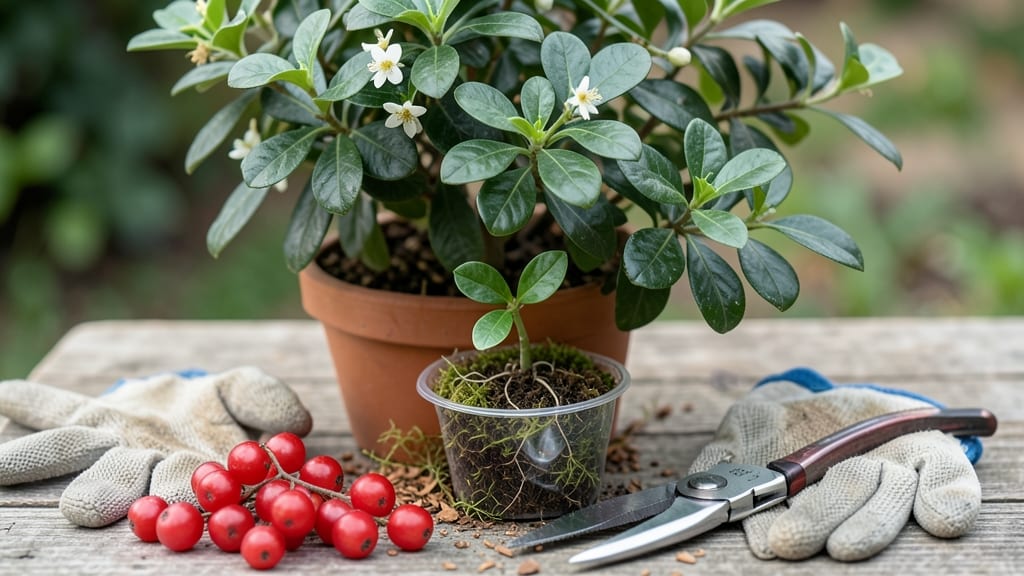
How to grow miracle fruit—your taste buds are about to get a magical upgrade—this tropical plant turns sour into sweet. 🌿 This unusual crop isn’t just a novelty; it’s a game-changer for gardeners willing to experiment with patience. The catch? It can take 3-5 years before you see those tiny red berries that hold the flavor-altering secret.
You’ll need a warm, humid spot—think 70-85°F year-round—because this plant refuses to tolerate frost or cold drafts. Start with seeds (soaked overnight for faster germination) or cuttings from a mature plant.
The soil should drain well but stay slightly moist, like a well-wrung sponge. A greenhouse or bright indoor window works if you’re not in a tropical zone.
By year two, you’ll spot glossy green leaves and maybe even a few flowers. The real magic happens when those peanut-sized berries ripen to red—each one contains a compound that makes lemons taste like strawberries.
Harvest carefully; overripe fruit loses its potency. The wait is long, but the payoff? Unbelievable flavor experiments with every bite.
Fair warning: Miracle fruit won’t thrive in most backyards. If you live outside zones 10-11, treat it as a high-maintenance houseplant. With the right care, though, you’ll have a conversation starter—and a kitchen revolution—growing on your windowsill. Ready to transform your palate?
📚 In This Guide
- What you need
- Instructions
- Tips and common mistakes
- Wrapping up and next steps
What you need
- ● Miracle fruit seeds – 3-5 seeds (ensure they’re fresh or sourced from a reputable supplier).
- ● Well-draining potting mix – 2-3 gallons (use a blend of peat moss, perlite, and coconut coir for optimal aeration).
- ● Small pots or seed trays – 4-6 inch diameter (one per seedling).
- ● Spray bottle – For gentle watering (avoid oversaturating seeds).
- ● Humidity dome or plastic wrap – To retain moisture while seeds germinate.
- ● Grow lights or sunny windowsill – 6+ hours of indirect light daily (or a 12-hour photoperiod for seedlings).
- ● Fertilizer (balanced, 10-10-10 or organic) – Diluted to half-strength for young plants.
- ● Pruning shears – For trimming leggy growth or shaping the plant.
- ● Growth hormone gel – Speeds up germination (apply to seeds before planting).
- ● Self-watering planters – Reduces maintenance for busy growers.
- ● pH test kit – Keeps soil in the ideal range (5.5–6.5).
- ● Support stakes or trellis – As the plant grows taller (up to 6+ feet!).
- ● Heat mat – For faster germination in cooler climates.
- ● Miracle fruit growing guidebook – For troubleshooting common issues.
Step-by-step instructions for growing miracle fruit
Here's how to cultivate this fascinating berry from seed to flavor-altering fruit.
🌱 Step 1: Source and Prepare Miracle Fruit Seeds
Obtain fresh, organic miracle fruit berries from a reputable supplier—ripe, intact fruit yields the best germination rates. Extract seeds by slicing the berries open and gently removing the small, flat seeds inside. Rinse them thoroughly to remove any fruit residue, then lay them on a paper towel to air-dry for 24 hours.
This drying step prevents mold and prepares the seeds for planting. Store them in a sealed container with a desiccant packet until ready to sow. I like to label the container with the date and variety if available—miracle fruit seeds can stay viable for up to 6 months under these conditions.
🪴 Step 2: Plant Seeds in a Moist, Well-Draining Medium
Fill a small pot with a mix of equal parts peat moss and perlite—this lightweight blend prevents waterlogging while retaining enough moisture for germination. Plant the seeds ¼ inch deep, spacing them 1 inch apart in the pot. Gently press the soil around them to ensure good contact but avoid compacting it.
Cover the pot with a clear plastic dome or wrap it in plastic wrap to maintain high humidity. Place the pot in a warm location with 75-80°F temperatures, such as on top of a refrigerator or near a heat mat. Keep the soil consistently moist but not soggy—water from the bottom by placing the pot in a shallow tray of water for 10 minutes, then remove excess water.
☀️ Step 3: Provide Warmth and Indirect Light for Germination
Miracle fruit seeds typically germinate in 2-4 weeks, though some may take longer. During this time, keep the soil warm and moist, and avoid direct sunlight, which can overheat the seeds. Once sprouts appear, remove the plastic cover immediately to prevent fungal growth.
Move the seedlings to a bright, indirect light source, such as a south-facing window with sheer curtains. Avoid placing them in direct sunlight until they develop their first true leaves—usually within 3-4 weeks after germination. At this stage, you can begin fertilizing lightly with a balanced, water-soluble fertilizer diluted to half strength.
🌿 Step 4: Transplant Seedlings and Encourage Bushy Growth
When seedlings reach 3-4 inches tall and have developed 4-5 sets of true leaves, transplant them into individual 4-inch pots filled with a mix of 50% potting soil, 30% perlite, and 20% compost. Handle the seedlings carefully to avoid damaging the delicate roots—gently press the soil around the base to secure them.
Pinch off the top set of leaves when the seedlings are about 6 inches tall to encourage bushier growth. This pruning step promotes lateral branching, which leads to a more productive plant. Continue fertilizing every 2 weeks with the diluted fertilizer, and rotate the pots occasionally to ensure even growth.
⏰ Step 5: Transition to Larger Containers and Outdoor Conditions
Once the plants are 6-8 months old and have outgrown their 4-inch pots, transplant them into 1-gallon containers filled with a well-draining potting mix. Choose containers with drainage holes to prevent root rot. Place the plants in a location with bright, indirect light for the first week to help them adjust.
Gradually introduce them to outdoor conditions over 2-3 weeks by placing them in a sheltered, shaded area for increasing periods each day. After they’ve acclimated, move them to a spot with partial shade—miracle fruit plants thrive in 60-75% shade and can tolerate mild frost if kept in containers. With proper care, you’ll see flowers and fruit within 12-18 months.
Tips & tricks for perfect miracle fruit cultivation
Growing miracle fruit from seed is all about patience and precision—here’s how to avoid common pitfalls and maximize your success.
Germination Insight: The 24-hour soak in lukewarm water is non-negotiable—this step breaks down the seed’s tough outer shell, which is why some seeds fail to sprout. I’ve found that using filtered water (instead of tap) reduces mineral buildup on the paper towels, which can inhibit root development. After soaking, gently squeeze excess water from the towels before wrapping them—too much moisture creates a soggy environment that can rot the seeds before they sprout.
Soil Science: That 4-inch pot might seem small, but miracle fruit seedlings are sensitive to root crowding. The blend of potting soil, perlite, and coconut coir creates the perfect airy mix—never substitute garden soil, as its density can suffocate delicate roots. When planting, make that ½-inch hole with your finger rather than a tool, as sharp edges can damage the tender seedling. A gentle press around the sides helps settle the soil without compacting it.
Lighting Strategy: The 6-8 hours of filtered sunlight is crucial, but positioning matters just as much. Place your seedling near an east-facing window where it gets morning sun (less intense than afternoon rays) or use a grow light on a timer for consistency. I’ve seen seedlings burn within hours when moved too quickly to direct sun—always harden off gradually by increasing light exposure over 3-5 days, as the instructions recommend.
Transplanting Tip: When your plant reaches 6 inches and has 4-5 true leaves, it’s ready for its new home. The key is keeping that root ball intact—gently squeeze the sides of the old pot while tilting it to loosen the soil, then slide the plant out without pulling. Water thoroughly after transplanting to help settle the roots in the new 6-8 inch pot, and avoid fertilizing for at least 2 weeks to prevent root burn.
Pro Tips for Grow Miracle Fruit
- Growing miracle fruit from seed is all about patience and precision—here’s how to avoid common pitfalls and maximize ...
- Germination Insight: The 24-hour soak in lukewarm water is non-negotiable—this step breaks down the seed’s tough oute...
- Soil Science: That 4-inch pot might seem small, but miracle fruit seedlings are sensitive to root crowding. The blend...
Frequently asked questions
Got questions about growing your own miracle fruit? You’re not alone—this unique plant can be tricky! Here are answers to the most common queries to help you succeed.
How long does it take for miracle fruit to bear fruit?
Patience is key! Miracle fruit (Synsepalum dulcificum) typically takes 2–5 years to produce berries after planting from seed. If you’re starting with a cutting or grafted plant, you might see fruit in 1–2 years. Keep your plant healthy with bright, indirect light and consistent moisture to speed up the process.
Can miracle fruit survive cold weather?
Unfortunately, this tropical plant is not frost-tolerant. Temperatures below 50°F (10°C) can damage or kill it. If you live in a colder climate, grow it in a container and bring it indoors during winter. A sunny windowsill or grow light works well—just mimic its humid, warm habitat!
What does miracle fruit taste like before it transforms flavors?
On its own, the berry has a sour, tart flavor—kind of like a mix of cranberry and lime. But after eating one, your taste buds magically perceive sweetness for up to an hour! This effect is temporary, so it’s best to eat the fruit (like sour citrus or berries) right after consuming the miracle fruit for the full experience.
What’s the best way to propagate miracle fruit?
The easiest methods are:
- Seeds: Soak seeds in water for 24 hours, then plant in moist soil. Germination takes 4–8 weeks.
- Cuttings: Use a 6-inch stem with leaves, dip in rooting hormone, and plant in perlite or sand. Keep humid!
- Grafting: Faster but advanced—graft onto a compatible rootstock for quicker fruiting.
Why aren’t my miracle fruit plants producing berries?
Several factors could be at play:
- Age: Young plants (under 2 years) often focus on growth first.
- Light: Needs bright, indirect light (6+ hours daily). Too little = no fruit.
- Nutrients: Use a balanced fertilizer (like 10-10-10) during spring/summer.
- Stress: Over/underwatering or drafts can halt fruiting.
Wrapping up and next steps
Growing miracle fruit is a rewarding journey that unlocks a world of flavor transformation—right in your own home! 🌱 With patience, the right conditions, and a little care, you can cultivate these tiny berries that turn sour into sweet.
Whether you’re a seasoned gardener or a curious beginner, the key is consistency and attention to detail.
Now that you’re armed with knowledge, why not take the next step? Start with a few seeds or propagate a cutting today—your taste buds (and dinner guests!) will thank you. Happy growing, and may your flavors be forever magical! ✨