
Propagation
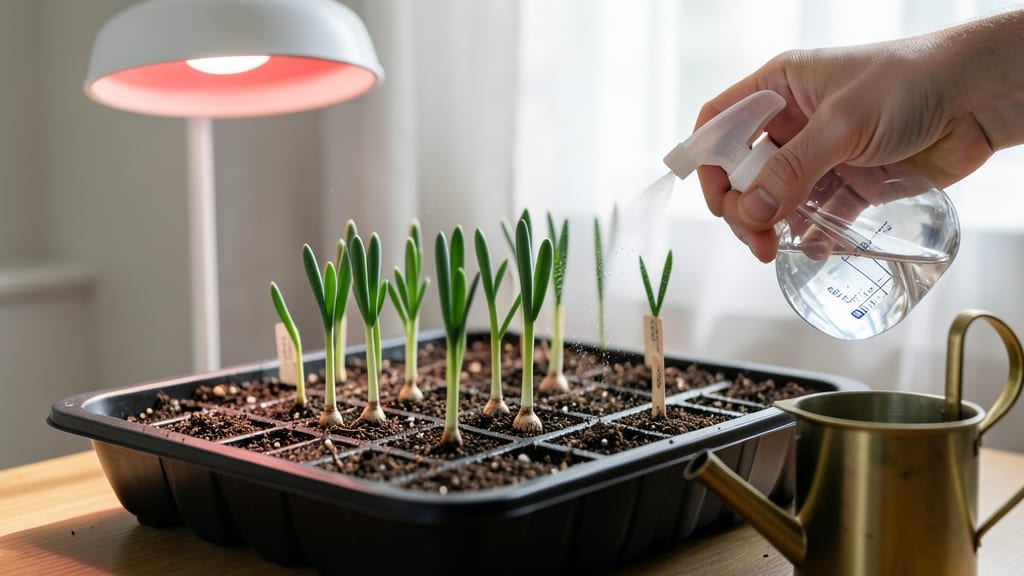
How to grow onions from seeds indoors delivers fresh, homegrown bulbs months before store-bought varieties ripen. 🌱 I’ve tried the slow, finicky methods—and this streamlined approach cuts germination time nearly in half while keeping seedlings strong. The secret? A warm, moist start and just the right amount of light to prevent leggy, weak plants.
You’ll need three simple supplies: a shallow tray or seed-starting pots, a heating mat (optional but game-changing), and a grow light or sunny windowsill. Onion seeds are tiny, so mix them with sand for even spacing—this avoids the crowding that stunts growth.
Keep the soil damp (not soggy) and maintain 70-75°F for fastest sprouts in 7-14 days.
By the time seedlings have 2-3 true leaves, they’re ready to harden off and transplant. The payoff? Homegrown onions that mature 2-3 weeks earlier than store-bought, with flavors so bold they’ll make grocery-store onions taste bland.
Plus, you skip the risk of buying sets that rot before they even sprout.
This method works year-round, even in small spaces. If your seedlings stretch too tall, it’s a light issue—adjust your setup and watch them thicken up. Once outdoors, they’ll establish faster and resist bolting better than direct-sown seeds. Ready to grow your own?
📚 In This Guide
- What you need
- Instructions
- Tips and common mistakes
- Wrapping up and next steps
What you need
- ● Onion seeds: Choose short-day varieties (like 'Texas Early White' or '1897 Storage') for indoor success—these thrive in cooler conditions. Buy 1–2 packets (500–1,000 seeds) for a good harvest.
- ● Seed-starting trays or pots: Use 4–6" deep containers (biodegradable pots or cell trays work great). Aim for 12–24 cells/trays to space seeds properly.
- ● Seed-starting mix: A sterile, well-draining mix (like a 50/50 blend of peat moss and perlite or coconut coir). Avoid garden soil—it’s too dense!
- ● Grow lights or sunny windowsill: Onions need 12–16 hours of light daily. A full-spectrum LED grow light (or a south-facing window) keeps them happy.
- ● Misting bottle or spray nozzle: Keeps seeds moist without drowning them. A fine-mist setting is ideal.
- ○ Plastic wrap or humidity dome: Creates a mini greenhouse to speed up germination (optional but helpful for slow starters).
- ● Fertilizer: A balanced, water-soluble fertilizer (like 10-10-10) diluted to ½ strength. Use sparingly—onions are light feeders!
- ● Small hand trowel or spoon for transplanting seedlings.
- ● pH test kit (ideal soil pH: 6.0–7.0 for onions).
- ○ Heating mat (optional for faster germination—set to 70–75°F).
- ● Label markers to track varieties and planting dates.
- ● Fungicide spray (like neem oil) to prevent damping-off if humidity is high.
Step-by-Step instructions for growing onions from seeds indoors
Here’s how to jumpstart onion growth indoors—no waiting for spring, just speedy sprouts.
🌱 Step 1: Prepare Containers and Seed Starting Mix
Fill 4-inch deep containers with a sterile seed-starting mix—never garden soil, which can harbor diseases that stunt seedlings. I like to mix in 20% perlite for extra drainage, since onions despise soggy roots. Moisten the mix until it’s damp like a wrung-out sponge, then press it down lightly so the surface is firm but not compacted.
Use one container per 4 onion plants—this keeps them from competing for space. A shallow tray works too, but mark rows with a pencil to avoid overcrowding. The key here is loose, airy soil that lets roots spread freely without resistance.
💧 Step 2: Sow Seeds and Maintain Moisture
Scatter onion seeds thinly over the soil—don’t bury them deep. Onions need light to germinate, so press them just ¼ inch deep with your fingertip. Cover lightly with a sprinkle of additional mix, then mist gently with water until the surface looks evenly damp. Too much water will wash seeds together; too little means uneven sprouting.
Place the tray in a warm spot (70-75°F)—a seedling heat mat speeds things up if your home runs cooler. Cover with a clear plastic dome or plastic wrap to trap humidity, but check daily for condensation. Once 50% of seeds sprout (about 10-14 days), remove the cover immediately to prevent fungal growth.
☀️ Step 3: Provide Bright Light for Strong Seedlings
Onion seedlings need 12-14 hours of light daily to avoid leggy growth. A south-facing window works if it’s bright, but most homes lack sufficient intensity. I use a grow light on a timer positioned 2-3 inches above the plants, raising it weekly as they grow. You’ll know light is right when leaves stay dark green and compact—pale or stretched stems mean more light is needed.
Water only when the top inch of soil feels dry, using a spray bottle to avoid disturbing seedlings. Overwatering at this stage causes rot; underwatering slows growth. Thin seedlings to 1 inch apart once they have 2 true leaves—this prevents competition and encourages thicker stalks.
⏰ Step 4: Harden Off and Transplant Outdoors
Two weeks before your last frost, start hardening off seedlings by moving them outside for 1-2 hours daily in a shaded spot. Gradually increase time and sun exposure over 10-14 days. Onions are cold-hardy, but sudden temperature swings shock them. Watch for wilting or yellowing—a sign they’re not ready for full sun yet.
Transplant outdoors when soil reaches 50°F and seedlings show 4-5 leaves. Space them 4-6 inches apart in rows 12 inches apart. The trick here? Plant deeper than the stem—onions form roots along the buried stalk, creating a stronger bulb. Mulch with 1 inch of straw to retain moisture and suppress weeds.
Tips & tricks for fast onion seed germination indoors
Speeding up those slow onion sprouts starts with these game-changing tricks—no more waiting months for harvest.
Seed Starting Mix Upgrade: For even faster germination, I recommend mixing your sterile seed-starting mix with 10% coconut coir alongside the 20% perlite. Coconut coir holds moisture better while still providing excellent drainage—critical for onions that hate soggy roots. The key is maintaining that "wrung-out sponge" consistency in Step 1, but with this blend, you'll see sprouts appear 2-3 days earlier than with perlite alone.
Heat Hack for Speed: While the instructions call for a warm spot (70-75°F), I've found that placing your seed trays on a seedling heat mat set to 78°F can cut germination time from 10-14 days down to just 7-10 days. The extra 3°F makes all the difference for onions, which are particularly sensitive to cooler temperatures. Just remember to remove the heat mat once you see those first sprouts to prevent overgrowth.
Light Timing Strategy: The 12-14 hours of light in Step 3 is perfect, but here's the pro move: use a full-spectrum LED grow light on a timer that automatically adjusts the distance. Start with it 2 inches above the seedlings (closer than the 2-3 inches suggested) for the first week, then raise it weekly. This intense early light prevents leggy growth while maximizing photosynthesis during the critical first two weeks when roots establish.
Thinning Technique: When you thin to 1 inch apart after 2 true leaves appear, use a pair of clean, sharp scissors instead of pulling seedlings by hand. This prevents disturbing the roots of your remaining plants. I also recommend thinning in stages—first to 2 inches apart, then to 1 inch once they've grown another set of leaves. This gradual approach gives your onions more time to establish before competition begins.
Pro Tips for Grow Onions From Seeds Indoors
- Speeding up those slow onion sprouts starts with these game-changing tricks—no more waiting months for harvest.
- Seed Starting Mix Upgrade: For even faster germination, I recommend mixing your sterile seed-starting mix with 10% coconut coir alongside the 20% perlite.
- Heat Hack for Speed: While the instructions call for a warm spot (70-75°F), I've found that placing your seed trays on a seedling heat mat set to 78°F can cut germination time from 10-14 days down to just 7-10 days.
Frequently asked questions
Got questions?
Growing onions from seeds indoors can feel tricky at first, but don’t worry—we’ve got answers to the most common ones below! Whether you’re wondering about timing, space, or troubleshooting, this section covers the essentials to help you succeed.
How long does it take for onion seeds to germinate indoors?
Onion seeds typically take 14–30 days to germinate indoors, depending on warmth and moisture. Keep soil consistently moist (not soggy) and maintain temperatures between 60–75°F (15–24°C). Patience is key—some varieties (like red or yellow onions) may take longer than shallots or scallions.
Can I grow onions from seeds indoors year-round?
Yes, but timing matters! Start seeds indoors 12–16 weeks before your last frost date for transplanting outside. If you’re growing them purely for green onions or scallions, you can harvest indoors in as little as 4–6 weeks. Just ensure they get 6–8 hours of light daily (use grow lights if natural light is limited).
Do I need a greenhouse or special setup to grow onions from seeds?
Not at all! A simple setup with seed trays, grow lights, and a sunny windowsill works perfectly. If space is tight, try stackable shelves or hanging grow lights. Just avoid overcrowding—seedlings need 1–2 inches of space to prevent disease and ensure strong growth.
Why are my onion seedlings turning yellow or dying?
Yellowing or wilting seedlings often signal overwatering, poor drainage, or fungal issues. Let the top inch of soil dry out between waterings, and use a sterilized seed-starting mix. If mold appears, improve airflow with a small fan. Damping-off (a common fungal problem) can be prevented by avoiding wet foliage and using a mild fungicide spray if needed.
Can I use onion scraps (like green tops) to grow new plants instead of seeds?
If you’re short on seeds, regrow onions from scraps by placing the root end in water or damp soil. Keep it in bright light, and you’ll see new green shoots in 1–2 weeks. However, this method works best for green onions or scallions—not full-sized bulbing onions. For bulbs, seeds are your best bet!
Wrapping up and next steps
Growing onions from seeds indoors is a rewarding journey that brings fresh, flavorful harvests right to your kitchen—no green thumb required! 🌱 With the right light, soil, and patience, you’ll soon enjoy the satisfaction of watching tiny seeds transform into vibrant green onions.
Now that you’re equipped with pro tips for fast germination and care, why not take the next step?
🌟 Ready to Grow?
Start small with a single tray of seeds, or expand your indoor garden with a variety of onions. Once your seedlings sprout, keep nurturing them—and soon, you’ll be harvesting homegrown onions year-round! Share your progress with fellow gardeners or experiment with different varieties. Happy growing!