
How To
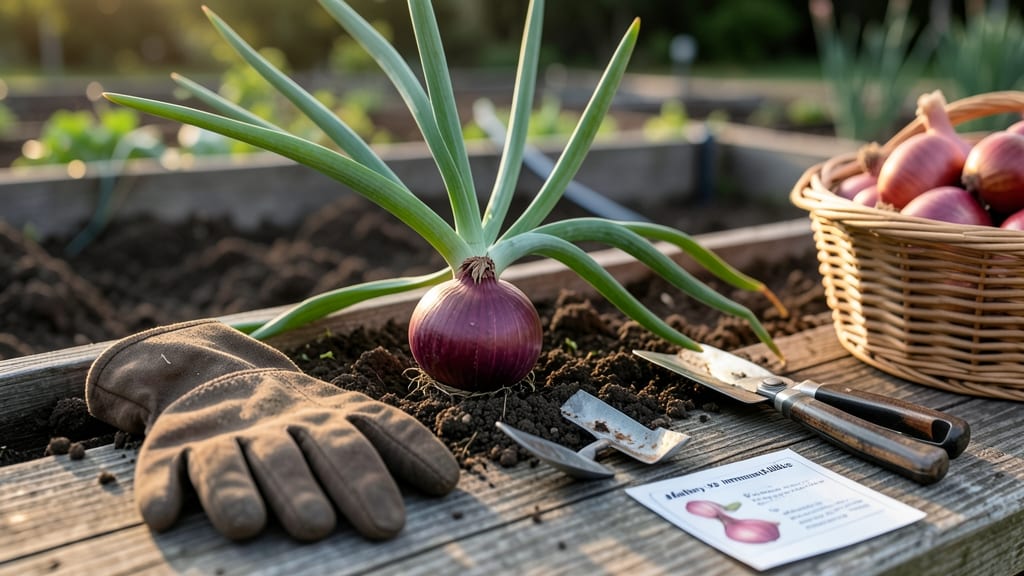
How to know when to harvest red onions can mean the difference between a crisp, flavorful bulb and a bitter, underdeveloped one. If you've ever pulled an onion only to find it too small or still tough, you're not alone—timing is everything for that perfect harvest.
Most gardeners wait too long, assuming bigger is better, but the ideal harvest window is actually when your onions reach 1-2 inches in diameter and the tops start yellowing. This is where the magic happens—before they get hollow or overmature.
In this guide, I'll walk you through the foolproof size, color, and root tests to nail the perfect harvest moment. Whether you're in USDA Zone 6a or another region, these tips will help you avoid common mistakes and maximize your yield.
From early spring plantings to fall harvests, you'll learn exactly when to pull your onions for the best flavor—and how to store them properly afterward. Let's get started!


3 Key signs red onions are ready for harvest (size, color, and root tests)
Harvesting red onions at the perfect moment transforms your garden into a flavor powerhouse. The difference between a mild, sweet onion and a bitter, pungent one often comes down to timing. Unlike many vegetables, onions don’t ripen after picking—they need to be harvested at just the right stage.
I’ve learned the hard way that waiting too long means hollow centers, while harvesting too early gives you tiny bulbs. The good news? There are three foolproof signs to watch for: bulb size, leaf color, and root development. Master these, and you’ll never second-guess harvest time again.
📌 How to Know Your Red Onions Are Perfectly Ready
- 1. Bulb Size: Aim for 1-2 inches in diameter (about the size of a golf ball). Use your thumb and index finger to gently measure the bulb’s girth at the widest point.
- 2. Leaf Color: The top leaves should yellow and flop over like a bow. This signals the bulb has stopped growing upward and is maturing below ground.
- 3. Root Test: Gently dig around the base. If the roots are dry and papery (not green or moist), it’s harvest time. A firm squeeze should reveal a solid, not hollow, center.
- 4. Skin Texture: The outer layers should feel dry and papery, not slick or moist. Run your fingers over the bulb—ready onions won’t leave residue.
- 5. Neck Thickness: The stem connecting bulb and leaves should shrink to about ½-inch thick. If it’s thick, wait a few days.
Pro tip: Harvest on a dry, sunny morning after the dew has evaporated. This prevents soil from sticking to the bulbs and reduces disease risk. I always use a garden fork to loosen the soil first—it’s gentler than pulling.
One mistake I made early on was harvesting based solely on days after planting. While red onions typically take 100-120 days to mature, weather and soil conditions can shift that window by weeks. Always prioritize the visual cues over the calendar.
For green onions (scallions), the rules change—harvest when the stems reach 6-8 inches tall and the bulb is pencil-sized. But for full-sized red onions, stick to the bulb, leaf, and root tests above.
If you’re in a hot climate, onions may mature faster. Watch for yellowing leaves in early summer as your first signal. In cooler zones, they might need the full 120 days—so mark your planting date!
Remember: Over-mature onions lose flavor and develop hollow centers. But under-mature ones? They’ll shrivel during storage. The papery skin is your best friend—it’s nature’s way of saying, “I’m ready!”
🌱
3 Key signs red onions are ready for harvest (size, color, and root tests)
Red onions reach peak flavor and storage potential when harvested at the right moment—but missing these 3 key signs can mean wasted effort. First, check the top leaves: they should turn straw-colored and flop over naturally, signaling the bulb has matured below ground.
This usually happens 100-120 days after planting, depending on your climate zone.
Next, examine the bulb size. Ready red onions should measure 1-2 inches in diameter at the widest point. If they’re smaller, they’ll lack flavor and storage life. Gently squeeze the bulb—it should feel firm but not rock-hard, with a dry, papery skin that resists tearing.
Overly soft bulbs haven’t matured enough, while bulbs that feel hollow are past their prime.
Straw-colored and flopping over (🟡)
1-2 inches in diameter (📏)
Pull gently—roots should slip free (🪴)
For the ultimate test, perform a root check. Grasp the onion’s green tops and give a firm but gentle tug. If the bulb slips free easily with minimal resistance, it’s ready. Resistant roots mean you’ll damage the bulb—or worse, leave it to rot in the soil.
This test works best in loose, well-drained soil, so avoid harvesting after heavy rain when the ground is compacted.
Pro tip: Harvest on a dry, sunny morning to let bulbs cure naturally in the field. Lay harvested onions in a shady, well-ventilated area for 1-2 weeks to toughen their skins.
Avoid cutting tops—leave 1 inch of green to prevent moisture loss during storage. If you notice mold or soft spots during curing, spread bulbs out immediately to dry.
Regional variations matter! In hot climates (Zones 8-10), onions may mature faster (as early as 90 days), while cooler zones (like Zones 3-5) might need up to 150 days.
Always adjust your harvest timing based on local weather patterns. For example, a late spring frost can stall growth, so monitor your plants closely in unpredictable seasons.
One common mistake is harvesting based on leaf color alone. While yellowing tops are a key sign, they don’t guarantee bulb maturity. Always combine the size, root, and skin tests for accuracy.
If you’re unsure, dig up one onion for inspection—this prevents over- or under-harvesting your entire crop. Remember, perfect timing turns good onions into gourmet-quality! 🧅