
Size
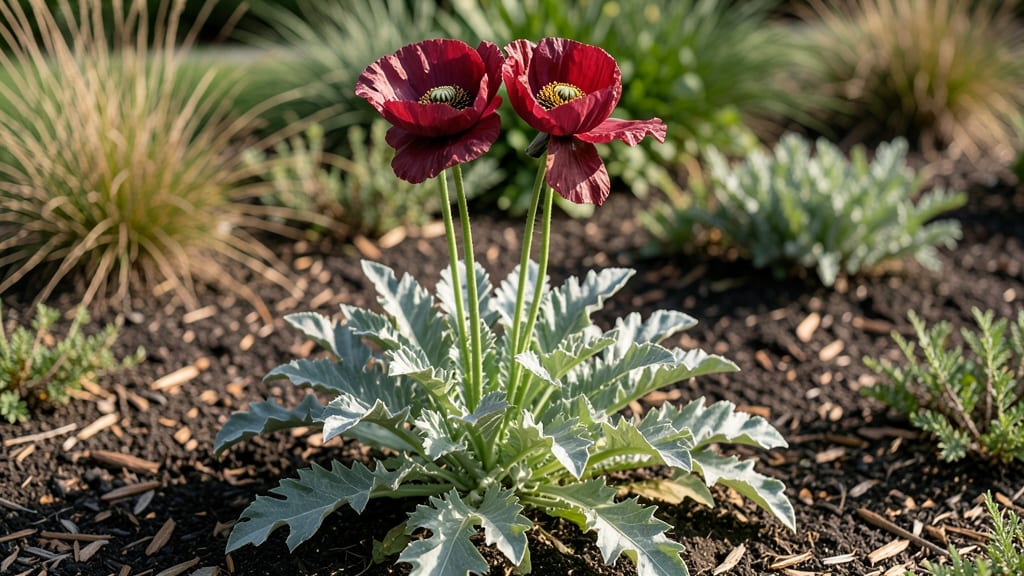
How to grow oriental poppies turns gardens into dramatic canvases with their velvety petals and fiery colors. 🌸 I planted mine last spring, and within weeks, they stole the show—taller than most perennials, with blooms that last 2-3 weeks each. The secret? They’re finicky but forgiving once you understand their quirks.
Start with well-draining soil and full sun—these poppies despise soggy roots and weak light. Amend heavy clay with compost, and avoid rich fertilizer (it causes floppy stems). Plant seeds or bare roots in early spring or fall, spacing them 18-24 inches apart to prevent crowding.
They self-seed, but deadhead spent blooms to keep energy in current growth.
Water deeply once a week after establishment—drought stress makes them bolt. Mulch lightly to retain moisture, but keep it away from stems to prevent rot. By summer, you’ll have 3-4 foot stems topped with 4-inch blooms that hummingbirds adore.
The trade-off? They’re short-lived perennials, but their bold presence makes it worth it.
Here’s the plot twist: they go dormant in summer heat. Don’t panic—just stop watering and let them rest. Divide clumps every 3-4 years to keep them vigorous. Perfect for cottage gardens, sunny borders, or cutting gardens where you want drama with minimal upkeep.
📚 In This Guide
- What you need
- Instructions
- Tips and common mistakes
- Wrapping up and next steps
What you need
- ● Seeds or nursery plants: Oriental poppy seeds (or young plants if you prefer a head start). Pro tip: 💡 Choose heirloom varieties like ‘Black Cow’ or ‘Beauty of Livermore’ for stunning blooms!
- ● Well-draining soil: A mix of 60% garden soil, 30% compost, and 10% perlite or coarse sand (to prevent rot). Test your soil’s pH: 🌡️ Aim for 6.0–7.5.
- ● Sunlight access: A full-sun spot (6+ hours of direct light daily). Partial shade (4–6 hours) works for cooler climates.
- ● Watering can or hose: With a gentle spray nozzle (oriental poppies hate soggy roots!).
- ● Garden gloves: To protect your hands from thorny seed pods (if saving seeds later).
- ○ Stakes or cages (optional but helpful): Tall varieties (like ‘Peach Blush’) may need support to avoid flopping.
- ● Mulch: 2–3 inches of straw or shredded leaves to retain moisture and suppress weeds.
- ● Slow-release fertilizer: A balanced 10-10-10 or organic compost tea at planting time.
- ● Deadheading shears: For pruning spent blooms (encourages more flowers!).
- ● Row covers: Lightweight fabric to protect seedlings from pests like slugs.
Step-by-Step instructions for growing oriental poppies
Here's my go-to method for cultivating these dramatic bloomers—where timing and soil prep make all the difference.
🌱 Step 1: Choose the Right Location and Prepare the Soil
Oriental poppies thrive in full sun with at least 6-8 hours of direct light daily. I always pick the sunniest spot in my garden because they reward you with bold blooms when happy. Avoid areas with afternoon shade—those plants grow leggy and produce fewer flowers.
Test your soil's drainage first. Oriental poppies despise soggy roots. Dig a hole, fill it with water, and time how long it takes to drain. If it takes more than 2 hours, amend with sand or grit to improve drainage. The ideal soil is loose, well-draining, and slightly alkaline (pH 7.0-8.0). I mix in a handful of lime if my soil tests acidic.
🌱 Step 2: Plant Seeds or Transplants at the Right Time
For best results, sow seeds in early fall (6-8 weeks before your first frost) or early spring (as soon as the soil is workable). Fall-sown seeds develop strong roots before winter and bloom earlier the next season. Plant seeds ½ inch deep and 12 inches apart—they won’t tolerate crowding.
If using transplants, wait until the soil warms to at least 50°F. Handle seedlings gently—they have delicate roots. Dig a hole twice as wide as the root ball and mix in a handful of bone meal for phosphorus (this encourages strong root growth). Water deeply after planting to settle the soil around the roots.
☀️ Step 3: Provide Consistent Care Through the Growing Season
Water deeply but infrequently—1-2 times per week once established. Oriental poppies are drought-tolerant once rooted, but they need moisture to establish. You’ll know they’re thirsty when the leaves start to wilt slightly in the afternoon. Water at the base in the morning to prevent fungal issues.
Fertilize lightly in early spring with a balanced 10-10-10 fertilizer (follow package rates). Too much nitrogen produces lush foliage but fewer blooms. I skip fertilizer after midsummer—it encourages late-season growth that won’t harden off before frost.
✂️ Step 4: Deadhead and Prepare for Winter
Deadhead spent blooms by cutting the stem back to the first set of leaves. This redirects energy to next year’s flowers instead of seed production. I use clean, sharp shears to avoid damaging the plant. Stop deadheading by late summer to allow seed pods to form—these attract beneficial insects and birds.
In fall, cut back foliage to 2-3 inches tall after the first frost. Mulch lightly with 2-3 inches of straw to protect the crown from extreme cold. Oriental poppies are hardy to USDA Zone 3, but they appreciate winter protection in colder climates. Remove mulch in early spring to prevent rot.
⏰ Step 5: Watch for Pests and Diseases
Keep an eye out for aphids, which love new growth. I spray affected plants with a strong stream of water to dislodge them or use insecticidal soap if infestations persist. Slugs and snails can be a problem in damp conditions—set out beer traps or use organic slug bait around the base of plants.
Oriental poppies are generally disease-resistant, but gray mold (Botrytis) can occur in humid conditions. Improve airflow by spacing plants properly and avoid overhead watering. If you see fuzzy gray spots on petals, remove affected blooms immediately and treat with a fungicide if needed.
Tips & tricks for growing oriental poppies
Real talk: These showstopping blooms don't demand much, but they do need a few key conditions to thrive. Here's how I've learned to avoid the most common pitfalls—and why they matter.
Sunlight Strategy: Those bold blooms need their full 6-8 hours of sun daily, but here's the thing: morning sun with afternoon shade works too—just don't skimp on the morning light. I've seen plants in full afternoon sun grow tall and spindly with fewer blooms. If your garden has limited sun, consider container growing where you can move pots to follow the sun's arc.
Drainage is Non-Negotiable: The 2-hour drainage test in Step 1 is critical—don't skip it. I once planted in heavy clay soil that took 5 hours to drain, and my poppies struggled for years. If your soil fails the test, mix in coarse sand or perlite to create air pockets. For containers, use a mix with at least 30% perlite or pumice to ensure proper drainage.
Timing is Everything: Those 6-8 weeks before frost for fall planting aren't arbitrary—they give seeds time to germinate and develop roots before winter. If you're in a warm climate, you can push it to 4-6 weeks before frost. For spring planting, wait until soil reaches that 50°F minimum—cold soil can stunt root development and delay blooming.
Deadheading Discipline: Cutting back to the first set of leaves (not just the flower) is key—it prevents leggy growth and encourages bushier plants. I use small pruning shears for precision, but clean scissors work too. The late-summer stop to deadheading creates those beautiful seed pods that attract pollinators and birds to your garden.
Pro Tips for Grow Oriental Poppies
- Real talk: These showstopping blooms don't demand much, but they do need a few key conditions to thrive.
- Sunlight Strategy: Those bold blooms need their full 6-8 hours of sun daily, but here's the thing: morning sun with afternoon shade works too—just don't skimp on the morning light.
- Drainage is Non-Negotiable: The 2-hour drainage test in Step 1 is critical—don't skip it.
Frequently asked questions
Got questions about growing oriental poppies? You’re not alone—these stunning blooms are as curious as they are beautiful! Here are the answers to the most common queries, from planting to troubleshooting.
When is the best time to plant oriental poppies?
Plant Papaver orientale seeds in early spring (as soon as the soil is workable) or late summer (6–8 weeks before your first frost). Avoid planting in fall—they need a cold stratification period to germinate properly. If starting indoors, sow seeds 8–10 weeks before transplanting.
Why aren’t my oriental poppy seeds germinating?
Oriental poppies are slow to germinate—sometimes taking 2–4 weeks (or longer!). Ensure seeds are fresh, planted shallowly (¼ inch deep), and kept consistently moist (not soggy). They also need cool temperatures (60–70°F). If using saved seeds, viability drops after 1–2 years.
Can oriental poppies grow in containers or small gardens?
Yes! They thrive in containers at least 12–18 inches deep with well-draining soil. Choose one plant per 12-inch pot to prevent overcrowding. Just ensure the container has drainage holes—these poppies hate wet feet. Dwarf varieties like ‘Peach Blush’ are ideal for small spaces.
How do I protect oriental poppies from pests and diseases?
Watch for aphids, slugs, and spider mites—handpick pests early or use neem oil. Avoid overhead watering to prevent powdery mildew. If leaves yellow or stems rot, improve drainage and reduce watering. Deadhead spent blooms to encourage more flowers and deter pests.
Will oriental poppies come back every year?
Yes! Once established, they’re perennial in USDA zones 3–8. However, they self-seed aggressively, so thin seedlings or deadhead before seed pods form if you prefer fewer volunteers. Divide clumps every 3–4 years to maintain vigor.
Wrapping up and next steps
Growing oriental poppies is a rewarding journey that brings bold, vibrant blooms to your garden with surprisingly little effort! 🌸 With the right soil, sunlight, and a touch of patience, these stunning flowers will thrive and reward you with their unique, ruffled beauty.
Whether you’re a seasoned gardener or just starting out, these hardy plants are perfect for adding drama and color to your outdoor space.
Now that you’re equipped with all the tips and tricks, why not take the next step? Grab your gardening gloves, pick a sunny spot, and plant your oriental poppies this season—your garden will thank you! 🌱