
How To
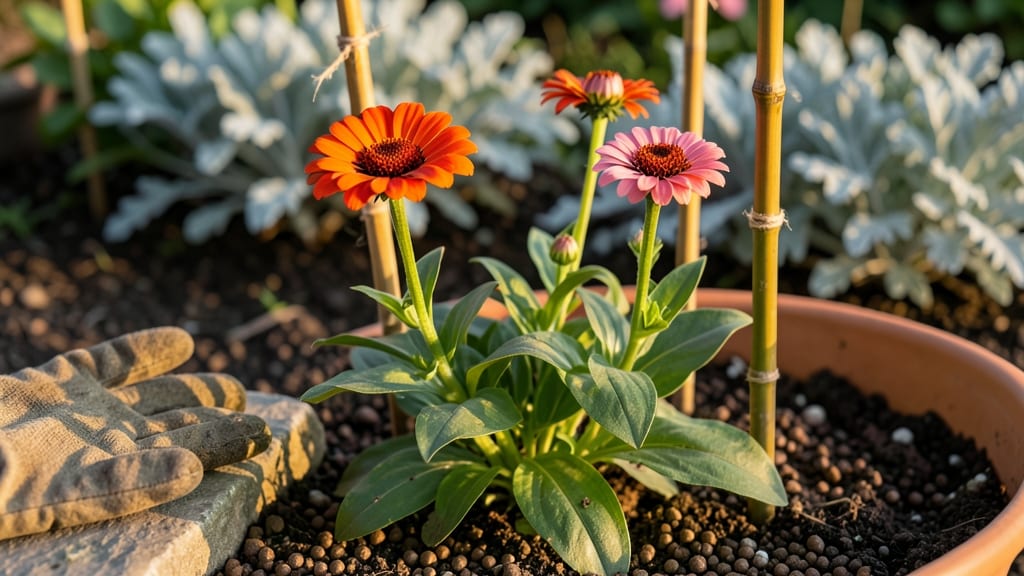
How to get zinnias to grow tall—it’s all about unlocking their dramatic potential. 🌻 I’ve grown zinnias that reach 5 feet by mastering just three key factors: sunlight, soil, and pruning. Most gardeners miss the pruning part, which is where the real height magic happens.
Start with 6-8 hours of direct sun daily and well-draining soil mixed with compost. Water at the base (not overhead) to avoid fungal issues that stunt growth. The pruning trick? Pinch back the first blooms to encourage stronger stems—this is how zinnias go from bushy to towering.
📚 In This Guide
- What you need
- Instructions
- Tips and common mistakes
- Wrapping up and next steps
What you need
- ● Zinnia seeds: Choose tall varieties like Benary’s Giant or State Fair (1–2 seed packets, ~50–100 seeds).
- ● Well-draining potting mix: 10–20 lbs (4.5–9 kg) of high-quality, organic soil blend (e.g., Miracle-Gro Potting Mix or homemade compost + perlite).
- ● Containers or garden bed: Containers: 5–7" deep pots (1–2 per plant) with drainage holes.
- ● Garden bed: Full sun (6+ hours/day) and loose, fertile soil.
- ● Watering can or hose: With a gentle spray nozzle for seedlings.
- ● Fertilizer: Balanced, water-soluble fertilizer (10-10-10 or 5-5-5), or organic options like fish emulsion or compost tea.
- ● Pruning shears: Sharp, clean scissors (sterilize with rubbing alcohol).
- ● Garden gloves: To protect hands from thorns and soil.
- ● Stakes or cages: 3–4 ft bamboo stakes or tomato cages (1 per plant for support).
- ● Mulch: Straw or shredded leaves (1–2 inches) to retain moisture.
- ○ pH testing kit (optional): To ensure soil pH is 6.0–7.0 (zinnias thrive in slightly acidic to neutral soil).
- ● Patience: Zinnias grow fast but need consistent care (6–8 weeks to bloom).
- ● Sunlight commitment: Dedicate a spot with full sun—no shade allowed!
- ● Deadheading supplies: A small bucket or tray to collect spent blooms.
Instructions for growing towering zinnias: the right approach
Here’s how I’ve learned to coax zinnias into reaching their full potential—no floppy stems or weak growth.
☀️ Step 1: Position for Maximum Sunlight
Zinnias need full sun—at least 6-8 hours daily—to grow tall and sturdy. I plant mine in the southernmost part of the garden where they get unobstructed morning light and afternoon sun. If you’re growing in containers, place them where they won’t be shaded by walls or taller plants.
Watch for leggy growth—thin, stretched stems with sparse leaves. This is your sign the light isn’t strong enough. If this happens, move the plants to a sunnier spot immediately. Zinnias will lean toward the light, but they’ll never recover proper height if they’re struggling to reach it.
🌱 Step 2: Amend Soil for Strong Root Development
Zinnias thrive in well-draining, nutrient-rich soil with a pH between 6.0 and 7.0. I mix compost into the top 6 inches of soil before planting to improve drainage and provide slow-release nutrients. Avoid heavy clay or soggy soil—zinnias hate wet feet and will grow weak if their roots suffocate.
Dig a hole twice as wide as the root ball but only as deep as the container the plant came in. This prevents burying the stem too deep, which can rot and stunt growth. Gently firm the soil around the roots to eliminate air pockets, then water deeply to settle everything.
💧 Step 3: Water Deeply but Infrequently
Zinnias are drought-tolerant once established, but inconsistent watering leads to weak stems. I water once a week (or when the top 2 inches of soil feel dry) with 1-2 gallons per plant, soaking the roots deeply. Shallow watering encourages shallow roots, which can’t support tall growth.
Water at the base of the plant in the morning to reduce evaporation and fungal risks. Avoid wetting the foliage—this can promote powdery mildew, which weakens stems and reduces flowering. If you notice leaves curling or wilting, it’s a sign of uneven moisture.
✂️ Step 4: Prune Strategically for Height and Blooms
Pruning isn’t just about shaping—it’s how you encourage zinnias to grow taller. I pinch back the tips of young plants when they reach 6-8 inches tall, removing the top set of leaves. This redirects energy from leaf production to stem elongation, resulting in stronger, taller growth.
Once flowering begins, deadhead spent blooms by snipping the stem just above the next set of leaves. This prevents the plant from wasting energy on seed production and encourages more flowers—and taller stems—along the way. Avoid cutting into woody stems; always prune just above a leaf node.
🌿 Step 5: Support Tall Varieties Early
For varieties like ‘Benary’s Giant’ or ‘State Fair’, I install stakes or cages at planting time—not after the stems grow weak. Drive a 5-6 foot stake into the soil 3-4 inches from the plant and loosely tie the main stem to it with soft plant ties or old pantyhose.
As the plant grows, weave the stems through the cage or stake to distribute weight evenly. This prevents snapping in wind or rain. If you wait until the plant is already leaning, it’s too late—weak stems won’t recover their strength.
Tips & tricks for growing towering zinnias
Here’s what nobody tells you about pushing zinnias to their full height potential—lessons learned from years of trial and error in my own garden.
Light Optimization: The 6-8 hours of sunlight mentioned in Step 1 isn’t just a minimum—it’s a non-negotiable foundation. I’ve found that positioning zinnias on the southern side of structures (like fences or sheds) actually extends their sunlight exposure by 30-45 minutes during summer months. For containers, use reflective surfaces like white paint on the north side to bounce extra light onto your plants. This subtle boost can make the difference between 3-foot stems and 5-foot giants.
Soil Science Secret: While the instructions mention compost, I’ve discovered that adding a handful of perlite or coarse sand to the soil mix creates the perfect drainage texture zinnias crave. This prevents that dreaded "wet feet" condition while maintaining moisture retention. Think of it as creating a sponge-like environment where roots can breathe and expand freely—critical for supporting those towering stems.
Pruning Precision: When pinching back those tips at 6-8 inches (Step 4), I always look for the first set of true leaves below the growing tip. This is where new side shoots will emerge, creating that bushy base that supports height. And here’s the pro move: use your thumbnail to gently pinch rather than cutting with scissors—this prevents damaging the growing point while still encouraging branching.
Support System Strategy: For those 5-6 foot stakes (Step 5), I’ve learned that installing them at a slight angle—about 15 degrees from vertical—actually helps distribute weight more evenly as the plant grows. This prevents the classic "top-heavy" look that often leads to snapping. Plus, I use soft plant ties that can stretch as the stem thickens, rather than rigid ones that can cut into the bark as it grows.
Pro Tips for Get Zinnias To Grow Tall
- Here’s what nobody tells you about pushing zinnias to their full height potential—lessons learned from years of trial and error in my own garden.
- Light Optimization: The 6-8 hours of sunlight mentioned in Step 1 isn’t just a minimum—it’s a non-negotiable foundation.
- Soil Science Secret: While the instructions mention compost, I’ve discovered that adding a handful of perlite or coarse sand to the soil mix creates the perfect drainage texture zinnias crave.
Frequently asked questions
Got questions about growing tall zinnias? Here are some common ones—and their answers—to help you cultivate those dreamy, towering blooms!
Why are my zinnias growing short and leggy instead of tall?
Leggy zinnias usually mean they’re stretching for more sunlight. If planted too closely together or in shady spots, they’ll grow tall but weak. Thin out seedlings to 12–18 inches apart and ensure they get 6+ hours of direct sun daily. Adding a balanced fertilizer (like 10-10-10) can also encourage sturdy growth.
How long does it take for zinnias to reach their full height?
Most zinnia varieties take 60–90 days from seed to reach full height, depending on the type. Dwarf zinnias (12–18 inches) mature faster (4–6 weeks), while giant varieties (up to 4 feet) may take 3–4 months. Patience pays off—consistent watering and proper spacing speed up the process!
Can I grow zinnias tall in containers or small pots?
Yes! Choose compact or dwarf varieties (like ‘Thumbelina’ or ‘Crystal’) for containers. Use pots at least 12 inches deep with well-draining soil and stake them early. Larger varieties (like ‘Benary’s Giant’) need 18+ inch pots and may require extra support like cages or trellises.
What’s the best way to prune zinnias for height and bushiness?
Pinch back the top set of leaves when seedlings are 6–8 inches tall to encourage branching. Deadhead spent blooms regularly to redirect energy to new growth. Avoid over-pruning—remove no more than 1/3 of the plant at once to prevent stress. Use clean, sharp scissors to avoid disease.
Why are my zinnias wilting or drooping even with enough water?
Wilting can signal overwatering, root rot, or pests (like aphids or spider mites). Check soil moisture—zinnias prefer 1 inch of water per week but hate soggy roots. Inspect leaves for holes or sticky residue. If roots look mushy, repot in fresh, dry soil. A neem oil spray can help deter pests.
Wrapping up and next steps
Growing tall zinnias is all about giving them the right conditions—plenty of sunlight, nutrient-rich soil, and a little extra care like deadheading and proper spacing. With these tips, your zinnias will reach new heights and bloom beautifully! 🌻
Now that you’re armed with the know-how, it’s time to roll up your sleeves and get planting. Watch those stems stretch toward the sky—you’ll be rewarded with stunning, towering flowers in no time! For even more gardening inspiration, check out our guide to extending your blooming season.