
Size
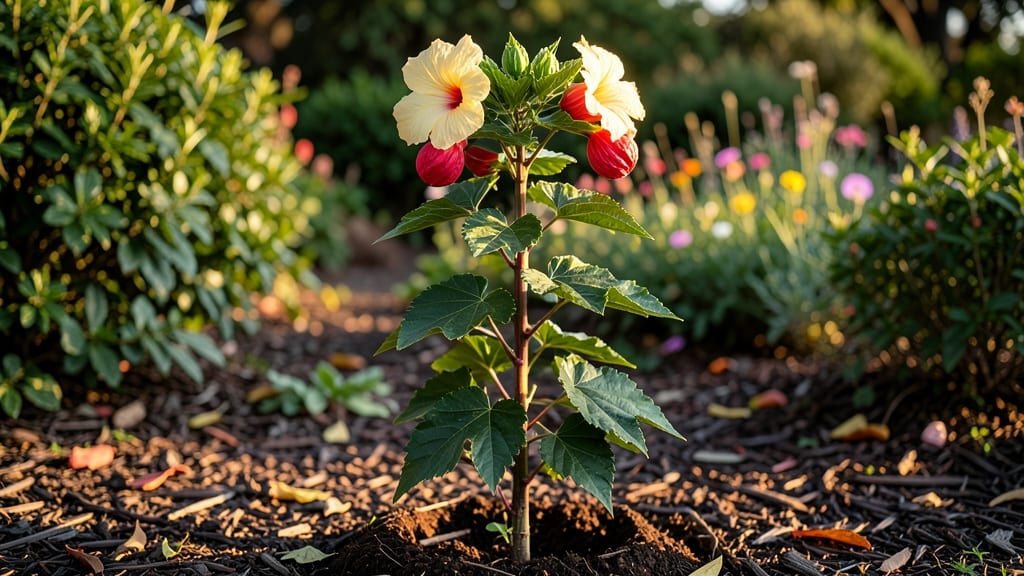
How to grow roselle (Hibiscus sabdariffa) means vibrant red blooms and a pantry staple—all in 12 weeks. 🌿 I’ve grown this tropical beauty in containers and garden beds, and once you taste the tart, cranberry-like calyces steeped in tea, you’ll never buy store-bought again. The key? Mimicking its native heat and humidity, whether you’re in Zone 9-11 or a warm microclimate elsewhere.
Start with seeds (soak overnight for faster germination) or cuttings in well-draining soil mixed with compost. Roselle thrives in full sun (6+ hours daily) and consistent moisture—think tropical downpours, not desert dryness.
A mulch layer keeps roots cool and hydrated, which is especially critical in summer heat. Most gardeners overlook pruning, but pinching back leggy growth encourages bushier plants with more calyces.
By week 8, you’ll harvest those iconic red calyces (the edible part!) for tea, jams, or stews. The flowers themselves are a hummingbird magnet, adding bold ornamental value to your garden.
One plant yields enough for dozens of cups of tea—imagine the savings and the flavor upgrade over store-bought hibiscus blends.
Even in cooler climates, roselle can be grown as an annual or overwintered in pots. Just protect it from frost, and you’ll get a second harvest in spring. The trade-off?
It’s finicky about cold—so if you’re north of Zone 8, treat it like a summer fling: plant after last frost, harvest until first chill, then enjoy the memories (and tea) all winter.
📚 In This Guide
- What you need
- Instructions
- Tips and common mistakes
- Wrapping up and next steps
What you need
- ● Roselle seeds: 1–2 packets (50–100 seeds per packet). Choose organic or heirloom varieties for best results.
- ● Well-draining soil: 5–10 gallons of a mix of 60% potting soil and 40% compost (or coconut coir for tropical climates). pH should be 6.0–6.5.
- ● Containers or garden bed: Containers: 5–10 gallon pots (1–2 per plant) with drainage holes.
- ● Garden bed: Full sun (6+ hours/day) with loose, fertile soil.
- ● Watering can or hose: With a gentle spray nozzle for even moisture.
- ● Fertilizer: Balanced organic fertilizer (e.g., 10-10-10) or compost tea. Apply every 4–6 weeks.
- ○ Stakes or trellis (optional but recommended): 4–6 ft tall for climbing varieties (e.g., bamboo stakes or wire mesh).
- ● Pruning shears: Sharp, clean pair for trimming.
- ● Mulch: Straw or wood chips to retain moisture and suppress weeds.
- ● pH test kit: To monitor soil acidity (roselle prefers slightly acidic soil).
- ● Shade cloth: 30–50% coverage for seedlings in hot climates.
- ● Epsom salt: 1 tbsp per plant monthly for magnesium boosts (especially in sandy soil).
- ● Pest control: Neem oil or insecticidal soap (for aphids or whiteflies).
Step-by-Step instructions for growing roselle (Hibiscus sabdariffa)
Here's how I grow this vibrant tropical plant—ready for harvest in just 12 weeks.
🌱 Step 1: Start Seeds Indoors 8-10 Weeks Before Last Frost
Roselle thrives in warmth, so begin seeds indoors where nighttime temperatures stay above 60°F. Fill 2-3 inch deep seed-starting trays with sterile seed mix (never garden soil—it's too dense). Press the mix down lightly, then plant 2-3 seeds per cell at a depth of ¼ inch, covering them with a thin layer of additional mix. Mist gently with water until the surface looks uniformly damp but not soggy.
Place the trays under grow lights (14-16 hours daily) or in a south-facing window where temperatures hover around 75-80°F during the day. A seedling heat mat helps maintain consistent warmth. You'll see first true leaves appear in 7-10 days—this is your cue to remove any weak seedlings, leaving only the strongest one per cell.
☀️ Step 2: Harden Off and Transplant After All Frost Risk Passes
Two weeks before your last frost date, begin hardening off seedlings by placing them outside in a sheltered, shaded spot for 1-2 hours the first day. Gradually increase exposure by 1 hour daily, moving to full sun by day 10. Watch for leggy growth (thin, stretched stems)—this means your seedlings need more light. If you see this, move them closer to the light source or supplement with a grow lamp.
Once nighttime temperatures stay above 55°F consistently, transplant seedlings into the garden. Space them 18-24 inches apart in rows 2-3 feet apart—roselle needs room to grow. Dig holes slightly deeper than the root ball to encourage strong root development. Water deeply after planting to settle the soil around the roots.
💧 Step 3: Maintain Consistent Moisture and Fertility
Roselle loves well-draining, slightly acidic soil (pH 6.0-6.5). Water deeply 2-3 times per week, ensuring the top 2 inches of soil remain moist but never waterlogged. Mulch around plants with 2-3 inches of organic mulch to retain moisture and suppress weeds. You'll know your watering is right when the soil feels damp to the touch but doesn't feel saturated.
Fertilize every 4-6 weeks with a balanced organic fertilizer (10-10-10 or similar). Avoid high-nitrogen fertilizers—they promote leafy growth at the expense of flower and calyx production. You'll see bright pink or red flower buds form after 8-10 weeks—this is when the plant is ready for its peak growing phase.
✂️ Step 4: Harvest Calyces for Peak Flavor and Encourage Continuous Production
Harvest begins when flower buds are fully formed but before they open—this is when the calyces (the edible parts) are most tender and flavorful. Use clean pruning shears to snip the entire flower head just above a leaf node. Harvest every 2-3 days during peak production to encourage more blooms. You'll know you're harvesting at the right time when the calyces are bright red or pink and firm to the touch.
After the first harvest wave, pinch back the tips of new growth to encourage bushier plants. This also redirects energy toward producing more calyces instead of tall, leggy stems. If temperatures drop below 50°F, protect plants with a lightweight frost cloth—roselle is tropical and won't tolerate cold snaps.
🌿 Step 5: Extend the Season with Proper Care
To keep roselle producing through the growing season, prune back one-third of the plant after the first harvest. This rejuvenates growth and often triggers a second flush of calyces. If your climate allows, roselle can grow as a perennial in USDA zones 9-11. In cooler zones, dig up tubers after the first frost and store them in a cool, dry place until spring.
Watch for aphids or whiteflies—common pests that thrive on roselle's lush foliage. Spray affected plants with neem oil or insecticidal soap at the first sign of infestation. A healthy roselle plant will reward you with vibrant calyces for 3-4 months if cared for properly.
Tips & tricks for growing roselle (Hibiscus sabdariffa)
Took me years to perfect these tropical growing strategies—here's how to avoid the common pitfalls and maximize your roselle harvest.
The Light Factor: In Step 1, those 14-16 hours of daily light are non-negotiable for strong seedlings. If your south-facing window doesn't provide enough light, invest in a basic grow light—roselle seedlings will stretch and become leggy without proper illumination. I've seen seedlings grow 6 inches tall in just 5 days when light-starved, but they're weak and prone to falling over. Place lights 2-3 inches above the seedlings and adjust as they grow to maintain this distance.
Hardening Off Strategy: The 1-2 hour daily increments during hardening off might seem slow, but rushing this process shocks the plants. I learned this the hard way when my seedlings wilted dramatically after being moved too quickly to full sun. Start with partial shade and gradually increase sun exposure—watch for slight wilting as your cue to reduce time outside that day. By day 10, your seedlings should be ready for full sun, but always monitor for stress signs like curled leaves.
Soil pH Secret: While the instructions mention slightly acidic soil (pH 6.0-6.5), I've found roselle actually thrives at the upper end of this range—closer to 6.5. Test your soil before planting and amend with lime if needed. The right pH prevents nutrient deficiencies that show up as yellowing leaves, even when you're following the 2-3 times weekly watering schedule. A simple soil test kit costs less than $10 and can save you from wasted effort.
Harvest Timing: Those 2-3 day harvest intervals during peak production might seem frequent, but consistency is key. I've noticed that waiting even a day beyond the bright red or pink stage results in tougher calyces with less vibrant flavor. Harvest in the morning when dew is off the plants—this gives you the freshest calyces for your recipes. And always use clean pruning shears to avoid spreading disease between plants.
Pro Tips for Grow Roselle Hibiscus Sabdariffa
- Took me years to perfect these tropical growing strategies—here's how to avoid the common pitfalls and maximize your roselle harvest.
- The Light Factor: In Step 1, those 14-16 hours of daily light are non-negotiable for strong seedlings.
- Hardening Off Strategy: The 1-2 hour daily increments during hardening off might seem slow, but rushing this process shocks the plants.
Frequently asked questions
about growing roselle (Hibiscus sabdariffa) can save you time and frustration. Here are answers to the most common queries—from beginners to seasoned gardeners!Can I grow roselle in containers or only in the ground?
Roselle thrives in containers if they’re at least 12–18 inches deep and wide enough to accommodate its sprawling roots. Use well-draining soil and a pot with drainage holes. Just ensure it gets full sun (6+ hours/day) and regular watering. Containers work well for balconies or patios!
How long does it take for roselle to produce flowers and calyces?
With ideal conditions (warmth, sun, and consistent moisture), roselle typically starts flowering 8–12 weeks after planting. The vibrant red calyces (the edible part) form shortly after, usually within 2–4 weeks post-flowering. Patience pays off—harvest when they’re fully open but still firm!
What if my roselle plants aren’t flowering? Troubleshooting tips?
No flowers? Check these fixes:
- Light: Ensure 6+ hours of direct sunlight daily—roselle is sun-hungry!
- Temperature: Keep soil above 65°F (18°C); cold snaps stunt growth.
- Fertilizer: Use a balanced fertilizer (10-10-10) every 4–6 weeks for blooms.
- Pruning: Trim leggy stems to encourage bushier growth and more flowers.
Can I regrow roselle from store-bought calyces?
Yes! Save seeds from dried calyces (they’re the hard, brown centers inside). Clean, dry, and plant them ½ inch deep in warm soil. Germination takes 10–20 days—patience is key! Store-bought calyces are often seedless, so check for viable seeds first.
What pests should I watch for when growing roselle?
Roselle attracts aphids, spider mites, and whiteflies. Combat them naturally with:
- Neem oil spray (weekly preventative treatment).
- Ladybugs (release beneficial insects).
- Prune infested leaves and dispose of them.
Wrapping up and next steps
Growing roselle (Hibiscus sabdariffa) is a rewarding journey—packed with vibrant blooms, health benefits, and a bountiful harvest in just 12 weeks! With the right soil, sunlight, and care, you’ll enjoy fresh tea, jams, or even culinary delights straight from your garden. 🌱✨
Now that you’re equipped with the know-how, roll up your sleeves and start planting!
Whether you’re a beginner or a seasoned gardener, every step brings you closer to a tropical harvest bursting with flavor and wellness. Ready to begin? Grab your seeds, pick a sunny spot, and watch your garden transform!