
Size
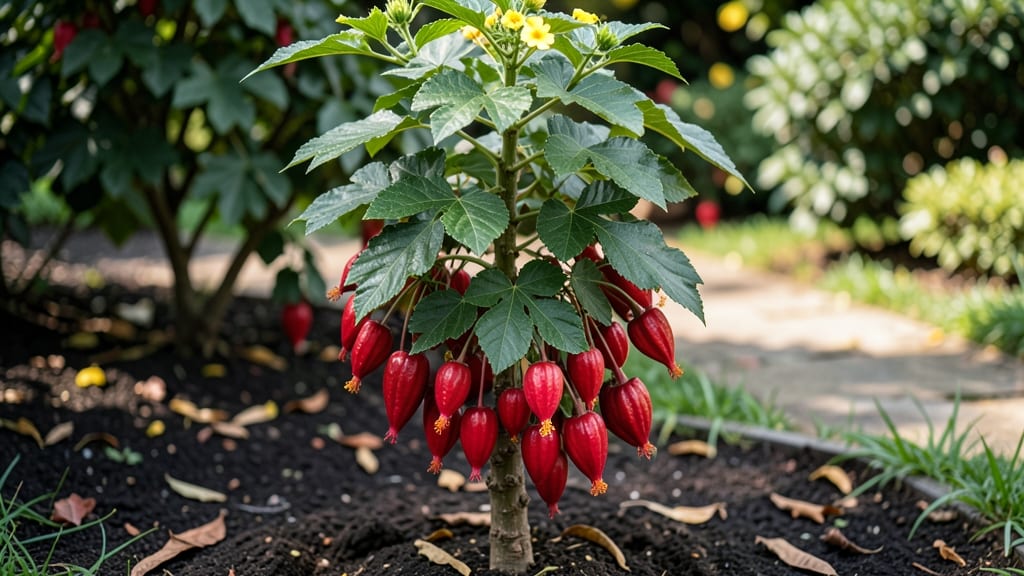
How to grow roselle hibiscus transforms your garden into a tropical oasis in just six months. 🌿 I planted mine last spring, and by summer, the deep red calyces were ready for tea—plus, the flowers are stunning. This isn’t just a pretty plant; it’s a dual-purpose powerhouse that thrives where most hibiscus struggle.
The secret starts with soil: roselle loves rich, well-draining earth with a pH between 6.0 and 6.8. In warmer climates (zones 9-11), direct-sow seeds after the last frost, spacing them 18 inches apart.
If you’re in cooler areas, start indoors 8-10 weeks before transplanting. Water deeply once a week, keeping the soil moist but not soggy.
By mid-summer, you’ll see those signature red calyces forming—harvest them before they fully open for the best flavor. Prune regularly to encourage bushier growth, and watch as your plant reaches 5-6 feet tall with vibrant blooms.
The dual harvest (tea + beauty) makes it one of the most rewarding plants to grow.
Common challenges? Watch for aphids and whiteflies—neem oil works wonders. In colder climates, treat it as an annual unless you can overwinter it indoors. With the right care, you’ll have a plant that’s as productive as it is pretty—plus, fresh roselle tea straight from your garden.
📚 In This Guide
- What you need
- Instructions
- Tips and common mistakes
- Wrapping up and next steps
What you need
- ● Roselle hibiscus seeds or cuttings: 5–10 seeds (or 2–3 healthy cuttings if propagating from a mature plant). Choose organic seeds if possible!
- ● Well-draining potting mix: 5–10 gallons (for containers) or enriched garden soil (for in-ground planting). A blend of peat moss, perlite, and compost works best.
- ○ Containers (optional but recommended for beginners): 5–10 gallon pots with drainage holes (if growing in pots). Ensure they’re at least 12 inches deep.
- ● Fertilizer: A balanced 10-10-10 NPK fertilizer or organic options like compost tea or fish emulsion.
- ● Watering can or hose with a gentle spray nozzle: Roselle loves moisture but hates soggy roots!
- ● Mulch: Straw or wood chips to retain soil moisture and regulate temperature.
- ● Hand trowel or small shovel: For planting seeds or transplanting seedlings.
- ● Pruning shears: To trim dead leaves or shape the plant as it grows.
- ○ pH testing kit (optional but helpful): Roselle thrives in slightly acidic soil (pH 6.0–6.5).
- ● Garden gloves: Protect your hands while handling soil or thorny stems.
- ● Sunlight: Full sun (6–8 hours daily) or partial shade in hot climates.
- ● Warmth: Roselle hibiscus loves heat! Ideal temperatures: 70–90°F (21–32°C).
- ● Patience: From seed to harvest, it takes about 6–8 months—but the wait is worth it!
Step-by-step instructions for growing roselle hibiscus
Start with these simple steps and you'll have vibrant roselle plants ready for harvest in just a few months.
🌱 Step 1: Choose the Right Location and Prepare the Soil
Roselle thrives in full sun, so pick a spot that gets at least 6-8 hours of direct sunlight daily. If you're growing in containers, place them where they'll receive the most light—south-facing windows or balconies work best. The soil should be well-draining but rich in organic matter. Amend your garden soil with compost to improve fertility, especially if your soil is heavy or clay-like.
Roselle prefers slightly acidic to neutral soil with a pH between 5.5 and 7.0. If your soil is too alkaline, mix in some peat moss or sulfur to adjust the pH. Dig the soil to a depth of 12 inches to loosen it and help roots establish easily. Avoid compacted soil, as roselle roots need room to spread and access nutrients.
🌱 Step 2: Plant Seeds or Transplants at the Right Time
Roselle is sensitive to cold, so wait until after the last frost date in your area—typically late spring or early summer—to plant seeds or transplants. If you're starting from seeds, sow them ½ inch deep in warm soil, spacing them 12-18 inches apart. You can also plant seeds indoors 8-10 weeks before the last frost and transplant them outside once the weather warms up.
If you're using transplants, choose healthy seedlings with sturdy stems and vibrant green leaves. Plant them in the ground or containers, ensuring the soil line on the transplant matches the soil level outside. Water the plants thoroughly after transplanting to help them settle in. Mulch around the base with 2-3 inches of organic mulch to retain moisture and suppress weeds.
☀️ Step 3: Water Consistently and Monitor Growth
Roselle needs consistent moisture, especially during the first few weeks after planting. Water deeply 1-2 times per week, ensuring the soil stays evenly moist but not waterlogged. You'll know it's time to water again when the top inch of soil feels dry to the touch. Avoid overhead watering, as wet foliage can encourage fungal diseases like powdery mildew.
Watch for new growth—roselle seedlings will start to develop true leaves within 2-3 weeks of planting. Once the plants are established, they’ll grow quickly, reaching heights of 4-6 feet or more. Pinch back the tips of young plants to encourage bushier growth. This is also the time to fertilize lightly with a balanced, water-soluble fertilizer every 4-6 weeks to support vigorous growth.
✂️ Step 4: Prune and Harvest for Continuous Production
Pruning is key to keeping roselle productive. Once the plants reach 3-4 feet tall, start trimming back the top growth to encourage branching. Remove any yellow or diseased leaves immediately to keep the plant healthy. You can also prune to shape the plant and improve air circulation, which reduces the risk of pests and diseases.
Harvest begins when the calyces (the flower buds) turn a vibrant red or green, depending on the variety. Use clean pruning shears to snip the calyces just above a leaf node. Harvest regularly—every 2-3 weeks—to encourage more blooms. Avoid harvesting more than ⅓ of the plant at once, as this can stress the plant and reduce future yields. Store harvested calyces in a cool, dry place or process them for tea, jams, or soups.
🪴 Step 5: Overwintering and Long-Term Care
Roselle is a tender perennial in warm climates but often treated as an annual in cooler regions. If you're in a zone with frost, protect your plants by mulching heavily or bringing container-grown plants indoors before temperatures drop below 50°F. In warmer climates, roselle can continue growing year-round with consistent care.
In the off-season, you can save seeds from dried calyces or take cuttings from healthy stems to propagate new plants. Keep an eye out for pests like aphids or spider mites, and treat them promptly with insecticidal soap or neem oil. With proper care, your roselle plants will reward you with bountiful harvests for years to come.
Tips & tricks for growing roselle hibiscus
Here's what nobody tells you about growing roselle that'll make all the difference between a struggling plant and a thriving harvest.
Sunlight Secret: Those 6-8 hours of direct sunlight are non-negotiable, but here's the thing—roselle actually loves more than that if you can provide it. In hot climates, partial afternoon shade helps prevent stress during peak heat, especially when plants reach 3-4 feet tall. I've seen plants in full sun all day thrive, but they'll reward you with bigger calyces if you give them that extra light.
Soil Prep Pro Tip: When amending your soil with compost and adjusting pH, don't just mix it in—create a dedicated planting hole that's twice as wide and deep as your plant's root ball. Fill it with a mix of your amended soil and 2-3 inches of compost at the bottom. This creates an ideal nutrient-rich zone right where the roots will establish most actively. Think of it as giving your roselle a "root spa."
Watering Wisdom: The 1-2 times per week watering guideline works for established plants, but here's the catch—new seedlings need moisture every 2-3 days until they develop their first true leaves. I learned this the hard way after losing my first batch to dehydration. Use your finger to check that top inch—if it's dry, water deeply until you see moisture seeping from the bottom of the pot or soil.
Harvest Hack: When harvesting those vibrant calyces every 2-3 weeks, here's a pro move: Always harvest in the morning when the calyces are fully hydrated. This makes them easier to handle and preserves their bright color. Plus, morning harvests give the plant the whole day to recover and produce more blooms before nightfall. And remember—never harvest more than ⅓ of the plant at once, or you'll shock the plant's growth cycle.
Pro Tips for Grow Roselle Hibiscus
- Here's what nobody tells you about growing roselle that'll make all the difference between a struggling plant and a thriving harvest.
- Sunlight Secret: Those 6-8 hours of direct sunlight are non-negotiable, but here's the thing—roselle actually loves more than that if you can provide it.
- Soil Prep Pro Tip: When amending your soil with compost and adjusting pH, don't just mix it in—create a dedicated planting hole that's twice as wide and deep as your plant's root ball.
Frequently asked questions
Got questions about growing roselle hibiscus?
Here are answers to the most common ones—from soil to harvest—so you can grow this tropical superstar with confidence!
Can roselle hibiscus grow in pots or do I need a garden bed?
Roselle thrives in pots if they’re at least 12–18 inches deep with good drainage. Use a lightweight potting mix and place the pot in full sun. Just ensure the container stays moist and fertilize monthly during growing season. Pro tip: Add a trellis to support climbing varieties!
How long does it take for roselle to produce flowers and pods?
With ideal conditions (warmth, sun, and consistent water), roselle can bloom in 3–4 months and produce pods in 4–6 months. Early blooms may not yield edible pods, so wait for the second flush (usually 6+ months in) for the best harvest. Patience pays off!
Why are my roselle leaves turning yellow or wilting?
Yellow leaves often signal overwatering or poor drainage, while wilting can mean underwatering or heat stress. Check soil moisture (top 1–2 inches should be dry) and ensure pots/containers have drainage holes. Fix it: Reduce watering slightly and mulch to retain moisture.
Does roselle hibiscus tolerate cold weather?
Roselle is tropical and struggles below 50°F (10°C). If frost is forecast, move potted plants indoors or cover them with frost cloth. In colder climates, grow roselle as an annual or start seeds indoors in spring. Hot tip: Use row covers for early-season protection!
Can I grow roselle from seed or should I buy seedlings?
Both work! Seeds are cheaper and rewarding (germinate in 7–14 days with warmth), but seedlings give you a head start. For seeds, soak them overnight to soften the hard shell. Bonus: Save seeds from your harvest for next year!
Wrapping up and next steps
Growing roselle hibiscus is a rewarding journey that brings vibrant blooms and a bountiful harvest of tart, tangy pods—perfect for teas, soups, and jams! 🌱 With the right soil, sunlight, and care, you can enjoy a tropical harvest in just 6 months.
Whether you're a beginner or seasoned gardener, the key is patience, consistency, and a little love for your green friends.
Ready to dive in? Start by gathering your supplies, pick a sunny spot, and plant those seeds—your future roselle harvest is waiting! Review the materials