
Size
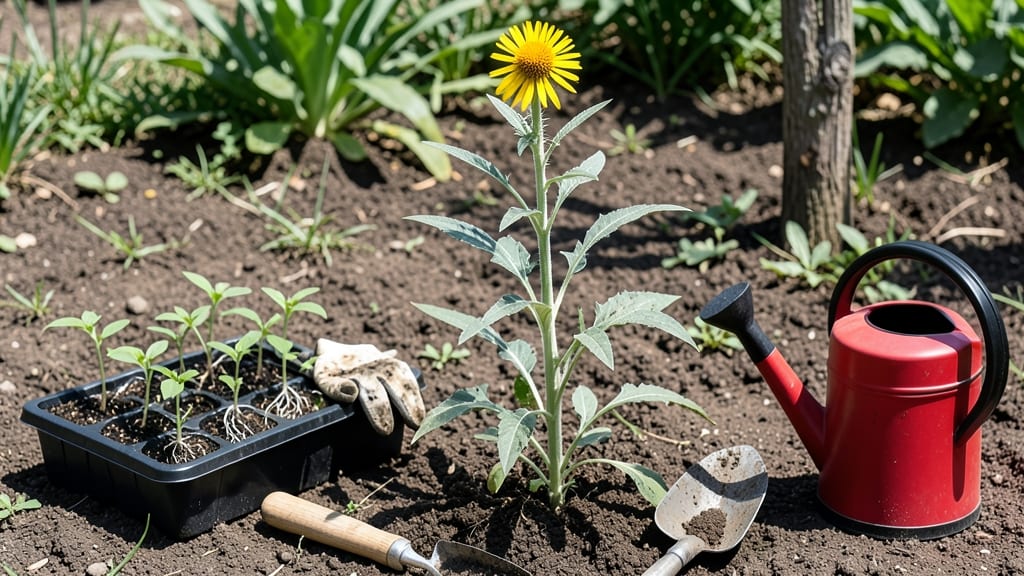
Growing safflower from seed to harvest starts with timing that matches your USDA zone—because these drought-tolerant annuals thrive when planted just after your last frost date. 🌱 I’ve grown them in zones 4 through 9, and the key is getting seeds in the ground when soil temperatures hit 60°F—that’s when they pop up reliably within 7-10 days.
The right timing means fewer leggy seedlings and more vibrant blooms for cutting or seed production.
Safflowers love full sun and poor soil—yes, really. They’re the low-maintenance stars of the garden, happy in well-draining soil with a pH between 6.0 and 7.5. A light scratch of compost at planting is enough; over-fertilizing leads to floppy stems.
Space seeds 12-18 inches apart in rows 18-24 inches wide for easy access, and watch them grow into 3-5 foot towers of cheerful yellow, orange, or red blooms that attract pollinators all summer.
Watering is where safflowers earn their reputation—once established, they’re nearly drought-proof. Give them 1 inch of water per week (more in extreme heat), and you’ll avoid the one mistake that kills them: soggy soil.
Deadhead spent blooms to encourage more flowers, and let some seed heads mature for golden safflower seeds—great for oil, bird feeders, or even homemade dyes. By late summer, you’ll have a zero-fuss plant that rewards patience with beauty and utility.
Harvest time varies by variety, but most safflowers are ready for cutting 8-12 weeks after planting, while blooms are fresh but before petals fall. For seeds, wait until heads turn brown and dry—then rub them to release the seeds.
Store in a cool, dark place for up to a year. Whether you’re growing them for ornamental displays, culinary oil, or natural dyes, safflowers deliver effortless impact with almost no fuss.
📚 In This Guide
- What you need
- Instructions
- Tips and common mistakes
- Wrapping up and next steps
What you need
- ● Safflower Seeds: Choose certified organic or non-GMO seeds (e.g., Carthamus tinctorius varieties like 'S-100' or 'Gila'). Aim for 1-2 lbs (0.5-1 kg) per 100 sq ft.
- ● Well-Draining Soil: Safflowers thrive in loamy, slightly alkaline soil (pH 6.0–7.5). Amend clay-heavy soil with compost or perlite (1–2 inches mixed into the top 6 inches).
- ● Sunlight: A full-sun spot (6+ hours of direct sunlight daily) is a must—no shade allowed!
- ● Watering Supplies: Drip irrigation or soaker hose (to avoid wetting foliage).
- ● Watering can (for seedlings).
- ○ Fertilizer: Optional but helpful: Low-nitrogen fertilizer (e.g., 5-10-10) at planting (1 tbsp per plant) and again at flowering (½ tbsp).
- ● Avoid over-fertilizing—safflowers are drought-tolerant once established!
- ● Row Covers: Protect young seedlings from pests like birds or cutworms with lightweight fabric.
- ● Trellis or Stakes: If growing tall varieties (e.g., 'Benihikar'), use stakes (3–4 ft tall) for support.
- ● Pruning Shears: For harvesting—clean cuts ensure easy flower head removal.
- ● Disease Prevention: Copper fungicide (spray 2–3 times if rust or powdery mildew risks arise in humid zones).
- ● Journal/Notebook: Track planting dates, watering schedules, and blooming times for future success!
Step-by-step guide to planting safflower by USDA zone
Here's how to align your safflower planting with your local climate for maximum bloom success.
🌱 Step 1: Determine Your Planting Window by USDA Zone
Safflowers thrive in USDA Zones 4-10 but require precise timing. For Zones 4-6, plant seeds 4-6 weeks before your last frost date—typically mid-April to early May. In Zones 7-10, wait until soil reaches 55-60°F, usually late March to early April. Check your local frost dates and count backward: safflowers need 100-120 days to mature.
I like to use a soil thermometer to verify warmth—cold soil delays germination. If you're in a cooler zone, consider starting seeds indoors 6-8 weeks before transplanting. Watch for first true leaves to appear within 7-14 days of planting; if they don't emerge, the soil may still be too cold.
☀️ Step 2: Select and Prepare Your Planting Site
Choose a location with full sun exposure (6+ hours daily) and well-draining soil. Safflowers hate soggy roots, so avoid low spots where water pools. Amend heavy clay soil with 2-3 inches of compost to improve drainage. A pH between 6.0-7.0 is ideal—test your soil if unsure, as alkaline conditions can stunt growth.
Loosen the soil to a depth of 12 inches with a garden fork or tiller. Break up any compacted layers to encourage deep root development. Real talk: safflowers grow tall (up to 5 feet), so ensure your site has space and isn't shaded by nearby structures or trees as they mature.
🌱 Step 3: Plant Seeds at the Correct Depth and Spacing
Sow seeds ½ inch deep and 12-18 inches apart in rows spaced 2-3 feet apart. Planting too shallow can expose seeds to drying out, while burying them too deep delays germination. I like to use a small hand trowel to make individual holes—this ensures consistent depth and prevents overcrowding.
Water gently after planting to settle the soil around the seeds. Avoid heavy watering, which can displace them. Once seedlings emerge, thin them to 12 inches apart if necessary. You'll know it's time to thin when seedlings develop 2-3 true leaves—this gives roots room to establish before competing for nutrients.
💧 Step 4: Water and Maintain Through the Growing Season
Water deeply 1-2 times per week, providing 1-1.5 inches of water each time. Safflowers are drought-tolerant once established, but consistent moisture during the first 4-6 weeks encourages strong root development. Water at the base of the plant in the morning to reduce fungal risks and evaporation.
Fertilize lightly with a balanced 10-10-10 fertilizer at planting and again when plants reach 12 inches tall. Too much nitrogen promotes leafy growth at the expense of blooms. Watch for yellowing leaves or stunted growth—these are signs of over-fertilization or poor drainage.
⏰ Step 5: Harvest and Prepare for Next Season
Safflower blooms typically appear 8-10 weeks after planting, followed by seed heads in 100-120 days. Harvest seeds when the flower heads turn brown and dry, usually late summer to early fall. Cut the entire head with a sharp knife or pruners, leaving 2 inches of stem attached. Hang heads upside down in a dry, well-ventilated area to fully dry.
Once completely dry, rub the seed heads to release the seeds. Store them in a cool, dark place for up to 2 years. Here's the thing—safflowers self-seed easily, so you can let some heads dry on the plant and collect seeds naturally next season. Just be mindful of where they pop up, as they can become weedy if left unchecked.
Tips & tricks for perfect safflower cultivation
These precision-focused tips will help you navigate the nuances of growing safflowers from seed to harvest.
Zone-Specific Timing: The 4-6 week window before last frost for Zones 4-6 is non-negotiable, but here's the thing: your local microclimate matters more than the general zone guidelines. If your area experiences late spring frosts, err on the earlier side of that window. For Zones 7-10, that 55-60°F soil temperature is your real deadline—don't plant until you confirm it with a soil thermometer. I've seen gardeners rush planting in cooler zones only to have seeds rot in cold soil.
Soil Preparation Secret: When amending heavy clay with 2-3 inches of compost, mix it into the top 6 inches of soil, not just the surface. This creates a root-friendly zone where safflowers can establish their deep taproots. I like to add a handful of perlite to improve drainage in clay-heavy soils—it's worth the small investment for these drought-sensitive plants. The goal is to mimic the well-draining conditions they thrive in naturally.
Seedling Care: Those first true leaves appearing within 7-14 days are your green light to relax about germination. But here's what nobody tells you—if you're starting seeds indoors, use small pots (2-3 inches deep) to prevent root circling. Transplant seedlings when they're about 3 inches tall, being careful not to disturb the roots. I've found that hardening off seedlings for 5-7 days before transplanting reduces shock, especially in cooler climates.
Watering Strategy: While 1-2 times per week is the general rule, the real key is deep watering. Use a moisture meter to ensure water penetrates 6 inches deep each time. Shallow watering encourages shallow roots, which makes safflowers more susceptible to drought stress. For the first 4-6 weeks, I water in the late afternoon rather than morning to help young plants establish before evening evaporation sets in.
Pro Tips for Grow Safflower
- These precision-focused tips will help you navigate the nuances of growing safflowers from seed to harvest.
- Zone-Specific Timing: The 4-6 week window before last frost for Zones 4-6 is non-negotiable, but here's the thing: your local microclimate matters more than the general zone guidelines.
- Soil Preparation Secret: When amending heavy clay with 2-3 inches of compost, mix it into the top 6 inches of soil, not just the surface.
Frequently asked questions
Got questions about growing safflower?
Here are answers to the most common ones—whether you're a first-timer or a seasoned gardener tweaking your approach.
Can safflower grow in containers?
Yes! Safflower thrives in containers as long as the pot is at least 12 inches deep and has drainage holes. Use well-draining soil and place it in full sun. Just ensure the container is wide enough to support the plant’s sprawling habit (up to 3 feet tall).
How long does it take for safflower to flower?
From seed to bloom, safflower typically takes 80–120 days, depending on your USDA zone and variety. In warmer zones (7–10), expect flowers in 90–100 days. Cool zones (3–6) may see a slightly longer timeline—110–120 days—especially if planted early.
Are safflower plants prone to pests or diseases?
Safflower is generally low-maintenance, but watch for aphids, spider mites, or root rot in damp conditions. Use neem oil for pests and ensure good drainage to prevent fungal issues. Healthy soil and spacing (12–18 inches apart) minimize most problems.
What’s the best temperature range for growing safflower?
Safflower loves warmth—ideal temps are 70–85°F (21–29°C). It’s frost-sensitive, so wait until soil temps reach 60°F (15°C) before planting. In cooler zones, start seeds indoors 6–8 weeks before last frost for a head start.
Can I harvest safflower flowers for dye or cooking?
The bright orange-red flowers are edible (used in teas or oils) and yield a golden-yellow dye for fabrics. Harvest fully open blooms in the morning, then dry them in a dark, airy space. Store petals in an airtight container for up to 6 months.
Wrapping up and next steps
Growing safflower is a rewarding journey that blends ease with versatility—whether you’re harvesting seeds, flowers, or oil-rich blooms! By following this zero-frost timeline tailored to your USDA zone, you’ll enjoy thriving plants with minimal fuss.
Start small, experiment with varieties, and watch your garden flourish into a multi-purpose powerhouse.
Ready to take the next step? Plant your first batch this season! Or, share your progress with fellow gardeners—your safflower success story might inspire others to dive in. 🌱✨