
Size
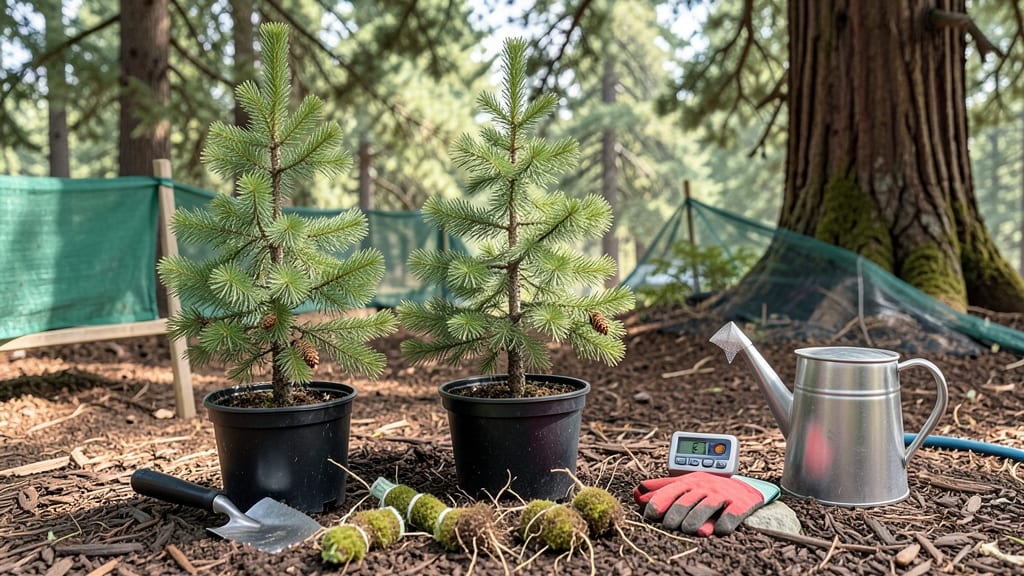
How to grow sequoia trees starts with a seed smaller than a pinhead. 🌲 I planted mine in a cold frame last spring, and after two years, they’re still only a few inches tall—but they’re already teaching me patience. These trees aren’t for impatient gardeners or small yards, but if you have space and decades to spare, they’re worth every effort.
The key is mimicking their natural habitat: cool, moist climates with well-draining soil. Giant sequoias thrive in USDA zones 5-7, while coastal redwoods prefer zones 7-10. Both need 6+ hours of sunlight daily, but they’ll tolerate partial shade if given time to adjust.
The soil should be slightly acidic (pH 5.0-6.5) and rich in organic matter—think forest floor, not desert sand.
Your first challenge will be slow growth. These trees take 10-20 years just to reach 10 feet tall, but once established, they’re remarkably resilient. Water deeply but infrequently—once a week in summer—and protect young seedlings from deer and wind. The payoff? A living monument that could outlive you.
Not for container growing or city patios, but if you have 50+ feet of space and a long-term vision, sequoias are the ultimate gardening legacy. They’ll reward you with 100-foot-tall giants that make every other tree in your yard look like a shrub.
Here’s how to give them the best start.
📚 In This Guide
- What you need
- Instructions
- Tips and common mistakes
- Wrapping up and next steps
What you need
- ● Sequoia seeds: Fresh, viable seeds (or seedlings from a reputable nursery). Pro tip: 💡 Coast redwood seeds germinate best when cold-stratified (chilled) for 30–90 days.
- ● Seed-starting mix: 1–2 gallons of sterile, well-draining potting soil (e.g., 50% peat moss, 30% perlite, 20% sand).
- ● Growing containers: Small pots (4–6 inches deep) for seedlings.
- ● Larger pots (1–2 gallons) for 1-year-old saplings.
- ● Grow lights or sunny windowsill: A full-spectrum LED grow light (12–16 hours/day) or a south-facing window.
- ● Misting spray bottle: For consistent moisture (sequoias love humidity!).
- ● Humidity dome or plastic wrap: Keeps seeds cozy while germinating.
- ● Fertilizer: Balanced, slow-release fertilizer (e.g., 10-10-10) or organic options like worm castings.
- ● Transplanting tools: Trowel or small shovel.
- ● Garden gloves (to protect your hands!).
- ● Climate: Mild, coastal regions (USDA Zones 5–9). ✨ Sequoias hate extreme heat or frost.
- ● Sunlight: Full sun (6+ hours daily).
- ● Soil: Well-draining, slightly acidic (pH 5.0–7.0), and rich in organic matter.
- ● Space: Minimum 20 feet between trees (they grow wide!).
- ● Water source: Drip irrigation or hose for consistent moisture (but avoid waterlogging!).
- ● Soil moisture meter (to track hydration).
- ● Mulch (wood chips or straw) to retain moisture and regulate temperature.
- ● Tree stakes (for young saplings in windy areas).
- ● Pest control (neem oil or insecticidal soap for aphids/spider mites).
- ● Patience and a big dream—these trees take decades to reach their full glory! 🌲
Step-by-step instructions for growing sequoia trees from seed
Here's how I've successfully coaxed these ancient giants from tiny seeds—patience and precision are key.
🌱 Step 1: Collect and Prepare Fresh Sequoia Seeds
Sequoia seeds must be fresh—store-bought seeds rarely germinate. Collect cones from mature trees in fall when they open naturally. Wear gloves; the cones are resinous and sticky. Place cones in a paper bag and let them dry indoors for 2-3 weeks until they open on their own. The seeds will fall out easily.
Sequoia seeds have a hard outer shell that needs scarification to break dormancy. I soak them in warm water for 24 hoursg, then gently rub them between two sheets of sandpaper to scratch the surface. This mimics natural weathering and signals the seed it's time to grow. After scarifying, rinse the seeds thoroughly to remove resin residue.
💧 Step 2: Sow Seeds in a Controlled Germination Environment
Fill a shallow container with a mix of 50% peat moss and 50% perlite—this lightweight blend prevents rot while allowing airflow. Sequoia seeds need warmth to germinate, so place the container on a seedling heat mat set to 70-75°F. Moisten the mix until damp but not soggy, then sow seeds ¼ inch deep, spacing them 1 inch apart.
Cover the container with clear plastic wrap to maintain humidity, but prop it open slightly to prevent mold. Check daily for condensation—mist lightly if the surface dries out. Germination can take 4-8 weeks, so don't disturb the soil. You'll see tiny sprouts when the seed leaves (cotyledons) push through the soil.
☀️ Step 3: Provide Ideal Light and Care for Young Seedlings
Once sprouts appear, remove the plastic wrap immediately to prevent damping-off. Place seedlings under grow lights 12-14 hours daily—natural light alone won't suffice. Sequoia seedlings grow slowly; avoid overwatering. Let the top inch of soil dry between waterings. Use a spray bottle to mist leaves on hot days to mimic forest humidity.
When seedlings reach 2-3 inches tall (usually after 6-12 months), transplant them into individual 4-inch pots with fresh potting mix. Sequoias hate root disturbance, so tease the roots gently and plant at the same depth they grew before. Keep them in the same warm, bright conditions for another year before considering outdoor planting.
🪴 Step 4: Prepare for Outdoor Planting in a Protected Site
Sequoias need full sun and shelter from wind. Choose a spot with well-draining soil and space for their eventual 200+ foot height. Dig a hole twice as wide as the root ball but only as deep. Amend the native soil with compost to improve fertility. Sequoias thrive in USDA zones 5-7, but young trees need protection from late frosts.
Plant in early spring after the last frost date. Water deeply to settle the soil, then mulch with 3 inches of wood chips to retain moisture. Sequoias grow slowly—don't expect rapid height gains. Monitor for pests like aphids; a strong spray of water usually removes them. After 3-5 years, you can transplant to a permanent location if needed.
Tips & tricks for growing sequoia trees from seed
Here's what nobody tells you about nurturing these majestic giants from the ground up.
The Heat Factor: That 70-75°F heat mat is non-negotiable for germination. I learned this the hard way after watching seeds rot in cooler conditions. If you don't have a heat mat, try placing your container on top of your refrigerator (not inside) where it stays consistently warm. The key is maintaining that steady warmth—fluctuations can delay or prevent germination entirely.
Scarification Secret: When scarifying those tough sequoia seed shells, don't rush the sandpaper step. Gently rub each seed in one direction for about 10 seconds per side—just enough to create a faint scratch pattern. Over-scratching can damage the seed's delicate interior. After scarifying, I rinse them with cool water to remove resin, which can inhibit germination if left behind.
Germination Patience: Those 4-8 weeks of waiting can feel endless, but resist the urge to check daily. Sequoia seeds need complete darkness and undisturbed conditions to sprout. I mark my calendar and only peek every 3-4 days to monitor moisture levels. The moment you see those first seed leaves (cotyledons) pushing through, remove the plastic wrap immediately to prevent damping-off disease.
Lighting Strategy: For the 12-14 hours of grow light daily, I position my lights about 6 inches above the seedlings. Too close causes leggy growth, too far means weak seedlings. Use full-spectrum LED grow lights—they're more energy-efficient than fluorescent tubes and provide the right light spectrum for photosynthesis. Rotate the container weekly so all seedlings get even light exposure.
Pro Tips for Grow Sequoia Trees
- Here's what nobody tells you about nurturing these majestic giants from the ground up.
- The Heat Factor: That 70-75°F heat mat is non-negotiable for germination.
- Scarification Secret: When scarifying those tough sequoia seed shells, don't rush the sandpaper step.
Frequently asked questions
Got questions about growing sequoia trees?
Here are some of the most common ones—plus answers to help you cultivate these giants with confidence!
How long does it take for a sequoia tree to grow to full size?
A sequoia’s growth is slow but steady—expect it to take 500–1,000 years to reach its full height (up to 300 feet!). In its first decade, it grows just 1–3 feet per year, but patience pays off with a majestic, long-lived tree.
Can I grow a sequoia tree in a container or small yard?
Sequoias need space and deep roots, so containers are tricky. A minimum 10-foot diameter planting area is ideal. If space is tight, consider dwarf cultivars like Sequoiadendron giganteum ‘Pendulum’, which stay smaller but still thrive.
Do sequoias survive in cold climates, or do they need heat?
Sequoias are hardy to USDA Zones 5–8 and tolerate cold snaps down to -15°F. However, they love warmth—plant them in full sun with well-draining soil. Mulch heavily in winter to protect young roots from freezing.
What pests or diseases should I watch for?
Sequoias are resistant to most pests, but watch for:
- Western pine beetles (bore into bark—treat with insecticides if infested).
- Root rot (from overwatering—ensure fast-draining soil).
- Cankers (fungal infections—prune affected branches immediately).
Can I grow a sequoia from a cutting instead of a seed?
Sequoias rarely root from cuttings—their seeds are the best bet! If you try, use semi-hardwood cuttings in a rooting hormone, but success rates are low. For guaranteed growth, plant seeds (stratify them first for best results!).
Wrapping up and next steps
Growing a majestic sequoia tree is a rewarding journey that blends patience, care, and a touch of magic—because who wouldn’t want their own living giant in the backyard? 🌲✨ Remember, these giants thrive with well-draining soil, plenty of sunlight, and consistent moisture (especially in their early years).
Whether you’re starting from seeds or nurturing a sapling, the key is consistency and love—just like any great adventure.
Now that you’re armed with the know-how, why not take the next step? Plant your first seed or sapling this season and watch as your tiny green friend grows into a towering symbol of nature’s grandeur. Happy growing!