
Size
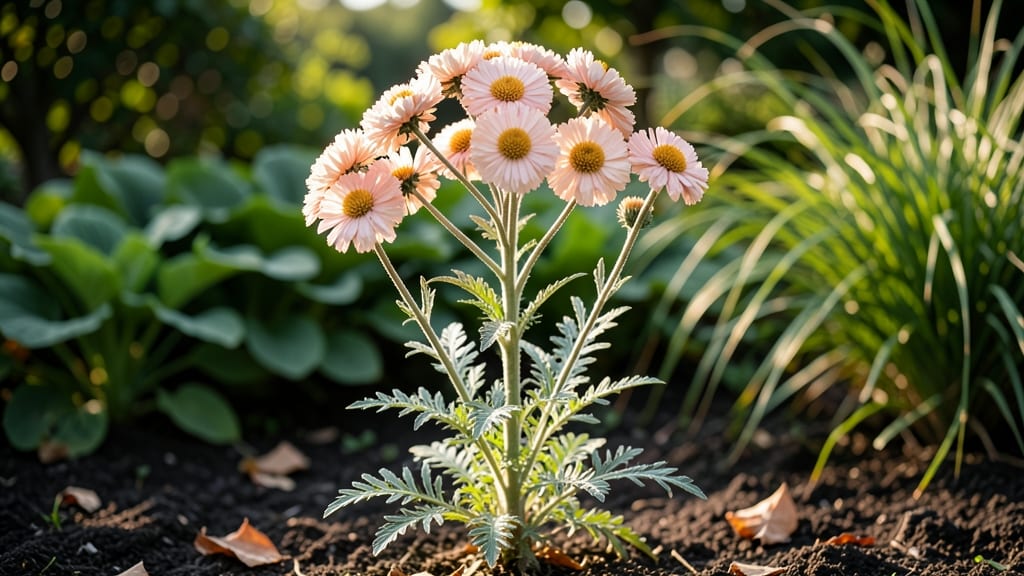
How to grow straw flowers brings sunlit joy to any garden. 🌻 Their papery blooms last for months—even after cutting—and they thrive with shockingly little effort. I’ve grown them for years, and the secret isn’t complicated: they love heat, hate soggy soil, and bloom best when treated like the tough survivors they are.
Start with seeds or seedlings in spring after your last frost, when soil warms to at least 60°F. Plant them in well-draining soil with full sun—at least 6-8 hours daily—and space them 12-18 inches apart.
Water deeply once a week, letting the soil dry between waterings. Overwatering is their biggest enemy, and these plants will tell you when they’re thirsty by wilting dramatically (then bouncing back fast).
By midsummer, you’ll see those signature golden, peach, or burgundy blooms opening like tiny sun-catchers. The flowers stay vibrant for weeks, and the plants keep producing until frost. Snip stems for long-lasting bouquets, and watch neighbors ask where you bought them—because these aren’t store-bought wonders, they’re your own homegrown magic.
Perfect for borders, containers, or cutting gardens, straw flowers adapt to most climates (zones 7-11) and even tolerate drought once established. They’re the kind of plant that makes gardening feel effortless—just plant, water occasionally, and enjoy the results. Here’s how to keep them thriving all season.
📚 In This Guide
- What you need
- Instructions
- Tips and common mistakes
- Wrapping up and next steps
What you need
- ● Straw flower seeds – Choose Helichrysum or Xerochrysum varieties (e.g., "Limelight," "Golden Crown"). Start with 50–100 seeds for a small patch or 200+ seeds for a full border.
- ● Well-draining potting mix – A blend of 50% peat-free compost, 30% perlite or vermiculite, and 20% coarse sand (or cactus/succulent mix). Avoid heavy clay soil!
- ● Seed trays or small pots – 2–3 inch deep with drainage holes (biodegradable pots are eco-friendly!). Aim for 1–2 seeds per pot or sow 10–15 seeds per tray.
- ● Grow lights or sunny windowsill – Straw flowers thrive in 6–8 hours of sunlight daily. A LED grow light (10,000–20,000 lux) works if natural light is limited.
- ● Spray bottle – For gentle watering (avoid soaking seeds!).
- ● Fertilizer – A balanced liquid fertilizer (10-10-10 or 20-20-20) diluted to half-strength for seedlings. Organic options like fish emulsion or seaweed extract work too!
- ● Sunlight – Full sun (6+ hours/day) for best blooms. Partial shade (4–6 hours) is tolerable but may reduce vibrancy.
- ● Temperature – Ideal germination: 65–75°F (18–24°C). Mature plants handle heat up to 90°F (32°C) but avoid frost (below 40°F/4°C).
- ● Watering – Keep soil lightly moist (not soggy!) during germination. Once established, water deeply 1–2 times per week (drought-tolerant once mature!).
- ● Spacing – 12–18 inches apart in garden beds or 6–8 inches apart in containers.
- ● Heat mat – Speeds up germination in cooler climates (70–80°F/21–27°C).
- ● Humidity dome – Retains moisture for seeds (remove once sprouted!).
- ● Pruning shears – For deadheading spent blooms to encourage more flowers.
- ● Dried flower preservative – If you’re growing for arrangements (e.g., silicone gel or borax solution).
- ● Companion plants – Pair with lavender, rosemary, or marigolds for pest control and pollinator appeal.
Step-by-step instructions for growing straw flowers
Here’s my foolproof method for cultivating these drought-tolerant beauties—from delicate seedlings to long-lasting bouquets.
🌱 Step 1: Start Seeds Indoors for Early Blooms
Straw flowers (Helichrysum) thrive when started indoors 8-10 weeks before your last frost date. Fill 2-inch deep seed trays with a sterile seed-starting mix—never garden soil, as it compacts too easily. Sprinkle seeds ¼ inch deep, spacing them ½ inch apart to avoid overcrowding. I like to use a fine mist spray bottle to dampen the soil gently; heavy watering can bury seeds too deeply.
Cover the tray with a clear plastic dome or plastic wrap to retain moisture and warmth. Place it in a warm spot (70-75°F)—a seedling heat mat speeds germination to 10-14 days. Watch for tiny green sprouts breaking through the soil; this is your cue to remove the cover immediately to prevent fungal issues.
☀️ Step 2: Provide Bright Light and Prevent Leggy Growth
Once seedlings emerge, move them under grow lights (14-16 hours daily) or to a south-facing window. Straw flowers hate leggy growth—those stretched, pale stems signal insufficient light. Keep the lights 2-3 inches above the seedlings and raise them gradually as plants grow. You’ll know you’ve got it right when seedlings develop compact stems and deep green leaves within 3-4 weeks.
Rotate the trays quarter-turn daily to ensure even growth. If you notice seedlings leaning toward the light, they’re begging for more intensity. A reflective surface (like aluminum foil) behind the tray can boost light efficiency without extra cost.
🪴 Step 3: Harden Off and Transplant After Frost
Two weeks before your last frost, begin hardening off seedlings by placing them outside in partial shade for 1-2 hours the first day. Gradually increase exposure over 7-10 days, ending with full sun by day 7. Straw flowers tolerate cold well, but sudden temperature swings can stress them—so avoid transplanting if a frost is forecast.
Choose a sunny, well-draining spot in your garden. Straw flowers despise soggy roots, so amend heavy soil with compost to improve drainage. Space plants 12-18 inches apart in rows 18 inches apart for airflow. Transplant after soil warms to at least 55°F—cold soil slows root establishment.
✂️ Step 4: Prune and Maintain for Long-Lasting Blooms
Deadhead spent blooms weekly to encourage more flowers. Straw flowers reward consistent care with prolonged blooming—some varieties last months if pruned correctly. Use clean, sharp scissors to snip stems ½ inch above a leaf node. Avoid tearing stems, which can introduce disease.
Water deeply once a week, aiming for 1 inch of water per week. Straw flowers are drought-tolerant once established, but young plants need consistent moisture. Let the top 1-2 inches of soil dry between waterings to prevent root rot. Mulch with straw or gravel to retain moisture and suppress weeds.
🌿 Step 5: Harvest and Preserve for Lasting Beauty
Harvest flowers when fully open but before petals begin to brown. Cut stems early morning when moisture levels are highest—this extends vase life. Strip lower leaves and recut stems under water to encourage hydration. Straw flowers dry beautifully; hang bundles upside down in a dark, dry, well-ventilated space for 1-2 weeks. Once dry, they’ll retain their shape and color for years—perfect for dried arrangements.
For fresh bouquets, store stems in cool water and change it daily. These blooms last 2-3 weeks in arrangements, making them a low-maintenance, high-impact addition to any garden or home décor.
Tips & tricks for perfect straw flower cultivation
Between us, these delicate blooms reward patience with months of vibrant color—but only if you nail the early stages. Here's what nobody tells you about growing straw flowers like a pro.
Germination Environment: The 70-75°F warmth you provide during germination isn't just about speed—it's about preventing mold. If your home runs cooler, consider a seedling heat mat ($15 at garden centers) to maintain consistent warmth. I've seen germination times stretch to 21 days when temperatures dip below 65°F, and that's when fungal issues start creeping in. Keep that plastic dome off once sprouts appear, even if it means checking moisture levels twice daily.
Light Intensity Secret: Those 14-16 hours of daily light aren't just about duration—they're about intensity. If your seedlings stretch toward the light after just 3-4 weeks, you're not providing enough brightness. Supplement with a LED grow light (I use a 24W bulb) positioned 2-3 inches above the plants. The key is keeping the light just bright enough to prevent that classic "reaching" posture—think "compact" not "stretched."
Hardening Off Strategy: The 7-10 day hardening off process is where most beginners fail. Start with just 1-2 hours in partial shade on day one, then increase exposure gradually. I've seen gardeners rush this step and end up with wilted seedlings when they're suddenly exposed to full sun. Watch for wilting—if leaves droop, they're not ready for more sun that day. This gradual approach builds resilience that pays off when you transplant.
Transplanting Timing: Waiting for soil to warm to at least 55°F isn't just about temperature—it's about moisture control. Cold soil holds moisture too long, creating soggy conditions that straw flowers despise. I test soil temperature with a simple thermometer (available at hardware stores) inserted 2 inches deep. If it's below 55°F, wait another week. The roots will establish 30% faster in warmer soil, giving you stronger plants that bloom sooner.
Pro Tips for Grow Straw Flowers
- Between us, these delicate blooms reward patience with months of vibrant color—but only if you nail the early stages.
- Germination Environment: The 70-75°F warmth you provide during germination isn't just about speed—it's about preventing mold.
- Light Intensity Secret: Those 14-16 hours of daily light aren't just about duration—they're about intensity.
Frequently asked questions
How long does it take for straw flowers to grow from seed?
Straw flowers typically take 12–16 weeks from seed to full bloom, depending on your climate and growing conditions. In warm regions, they may flower faster (as early as 3 months), while cooler areas could extend this to up to 6 months. Patience pays off—these drought-resistant beauties are worth the wait!
Do straw flowers need a lot of water?
Not at all! Straw flowers are drought-tolerant once established. Water them lightly but consistently during germination and early growth, then reduce watering once they’re mature. Overwatering can lead to root rot, so let the soil dry out between waterings. Think of them as the low-maintenance superstars of the garden!
Can I grow straw flowers in containers or just in the ground?
Straw flowers thrive in containers as long as the pot has drainage holes and is at least 12 inches deep. Use well-draining soil (like a mix of potting soil and sand) and place them in a sunny spot. Containers are great for small spaces or if you want to move them for seasonal displays. Just ensure they get enough sunlight—6+ hours daily!
Will straw flowers survive winter?
Straw flowers are annuals in most climates, meaning they won’t survive frost. However, if you live in a mild winter zone (USDA zones 8–11), they may persist through cooler months. In colder areas, save seeds or treat them as seasonal plants. For year-round blooms, replant seeds each spring—easy peasy!
Are straw flowers good for pollinators?
Yes! While straw flowers aren’t a primary pollinator magnet like lavender or sunflowers, they still attract butterflies and bees, especially when planted alongside other pollinator-friendly flowers. Their papery blooms add texture to gardens, making them a great supporting actor in your eco-friendly landscape. Plus, their dried flowers are a hit with pollinators too!
Wrapping up and next steps
Growing straw flowers is a rewarding journey that brings vibrant color and texture to your garden with minimal effort! By following these simple steps—from selecting the right seeds to mastering care techniques—you’ll soon enjoy showstopping blooms that last well beyond their fresh-cut life.
Whether you’re a beginner or a seasoned gardener, these resilient flowers are a fantastic addition to any space.
Ready to transform your garden? Start by planting your seeds today, and in just a few months, you’ll have stunning straw flowers to arrange, gift, or admire. Happy growing! 🌸